Stag Beetles: Do They Pinch, and Are They Harmful?

Stag beetles are large, slow, harmless beetles in the family Lucanidae: a male can give a mild pinch if you pick it up, but it has no venom, does not attack people and does not damage houses, lawns or living trees. Their larvae spend one to several years inside damp, rotting logs and stumps, which is why extension entomologists class them as beneficial recyclers, not pests. The adults you notice turn up at porch lights in June and July, and the right response is almost always to leave them alone.
The United States has a few dozen stag beetle species. Missouri’s Department of Conservation puts the figure at about 40 north of Mexico, while the University of Kentucky gives 30 for the US and notes that two thirds of them live in the western half of the country. The ones most people find are eastern: the giant stag beetle, Lucanus elaphus, and the reddish-brown stag beetle, Lucanus capreolus, along with the smaller Lucanus placidus.
Stag beetle or something else? The quick comparison
Several big, dark insects with jaws or horns arrive at the same lights in early summer. This table separates the ones people most often confuse.
| Insect | Adult length | Key feature | Can it hurt you? | Pest? |
|---|---|---|---|---|
| Giant stag beetle (Lucanus elaphus) | Males about 1.5 in (38 mm) without jaws, nearly 2.5 in (about 63 mm) with them | Long, toothed, branching jaws on males; elbowed antennae with a comb-like club | A mild pinch if handled | No |
| Reddish-brown stag beetle (L. capreolus) | 22 to 40 mm | Shorter jaws; reddish brown body; light brown thighs (femora) with darker tips | A mild pinch if handled | No |
| Eastern Hercules beetle (Dynastes tityus) | Up to 60 mm | Greenish grey to tan with black spots; males have forward-pointing horns, not jaws | No; described as harmless | No |
| Horned passalus (bess beetle) | 1.25 to 1.5 in (32 to 38 mm) | A small horn on the head; antennae not elbowed; makes raspy sounds | No | No |
| Eastern dobsonfly | Can exceed 3.5 in (89 mm); wingspan about 5 in | Long wings folded over a soft body; males have tusk-like jaws | Only females bite, painfully but without venom | No |
| Eyed click beetle (Alaus oculatus) | 24 to 45 mm | Two large black false eyespots on the thorax; snaps into the air when on its back | No | No |
Compiled by The Pest Control Brief from the Missouri Department of Conservation field guides, University of Kentucky Critter Files, LSU AgCenter and UF/IFAS EENY085. If the insect has soft wings longer than its body, it is a dobsonfly, and our dobsonfly guide explains which ones bite.
What is a stag beetle?
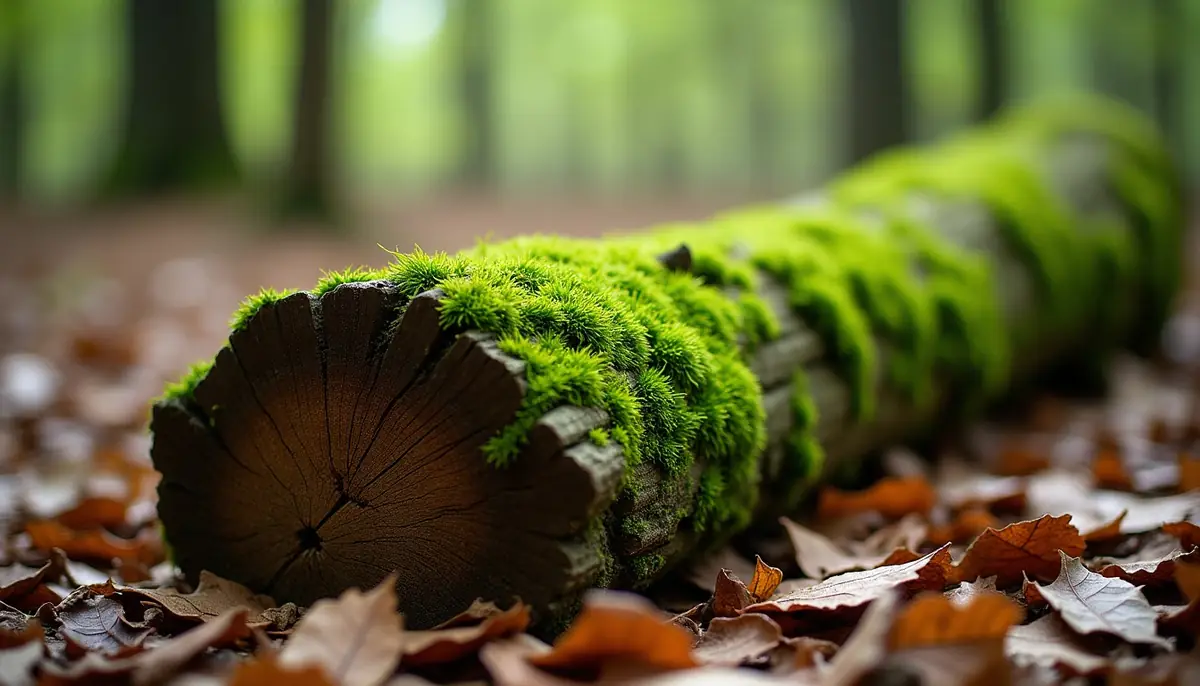
A stag beetle is any member of the beetle family Lucanidae, named for the enlarged jaws (mandibles) of the males, which branch like a deer’s antlers. Kentucky’s entomologists describe them as reddish brown to black, with long legs, spiny shins that widen at the tips, and antennae that are usually elbowed with a comb-like club at the end. Most US species are 15 to 35 mm long; the largest reach about 60 mm.
How big are stag beetles?
The giant stag beetle is the largest in North America, at nearly 2.5 inches for a big male with its jaws. The reddish-brown stag beetle, which Kentucky calls the common stag beetle or pinching bug, runs 22 to 40 mm, and Minnesota gives Lucanus placidus as three quarters of an inch to one and a quarter inches. Females of the big Lucanus species have much shorter jaws and, Kentucky says, look almost identical to each other.
Stag beetle types you are likely to see
- Giant stag beetle, also called elephant or elk stag beetle. Southeastern and central hardwood forests. The University of Nebraska State Museum key separates it by its dark legs and by male jaws that are always longer than the head and thorax combined. Missouri notes the name elaphus comes from the Greek for stag, not elephant.
- Reddish-brown stag beetle. The most commonly photographed US species in our data, with jaws much smaller than the giant stag’s.
- Lucanus placidus. Central and eastern North America; Minnesota extension finds it in yards with decaying stumps and logs in May and June. Its male jaws are never longer than the head and thorax combined.
- Small stag beetles such as Ceruchus piceus, at 8 to 15 mm, which Kentucky says are easily mistaken for ground beetles; the elbowed antennae give them away.
The European stag beetle, Lucanus cervus, the subject of most British articles, is bigger (males 35 to 75 mm with jaws, says London’s Natural History Museum) and does not live in the US.
Are stag beetles dangerous?
No. Missouri’s field guide says males use their jaws mainly for fighting other males and do not bite people aggressively. The University of Kentucky says they can be handled with little fear of injury, since they can do little more than give a mild pinch. Minnesota extension states plainly that the stag beetle does not harm people or damage turf or trees. There is no venom and no disease link.
Do stag beetles bite?
They pinch rather than bite, and only when picked up or cornered. When disturbed, Kentucky notes, a stag beetle rears back and holds its head high with its mandibles open, a display more than an attack. The Natural History Museum says of the European species that males can move their jaws just enough to give a bit of a pinch, while the females’ shorter jaws are a bit stronger, though they are not aggressive. To move one, scoop it onto a card or into a jar. Anyone worried about a reaction to a pinch or bite should speak to a doctor.
Where do stag beetles live?
Most stag beetles live on the ground in hardwood forests, close to the dead wood their larvae need. Missouri also reports larvae in deep hardwood mulch on trails and playgrounds. A 2017 USDA Forest Service study of the giant stag beetle found larvae only in highly decomposed, very damp hardwood logs with long ground contact, often on the edges of regularly flooded areas. Drier wood at upland sites never yielded them. Its habitat models point to much of the southeastern US, and our iNaturalist analysis agrees: per 10,000 observations, the giant stag beetle is most often recorded in North Carolina, Kentucky, South Carolina, Tennessee and Georgia.
When do stag beetles come out?
Adult stag beetles are a short, sharp early summer event. In our analysis of US iNaturalist research-grade records, 27,645 of 34,138 stag beetle records (81 per cent) fall in June and July. The giant stag beetle peaks earlier, in June, when it is recorded at almost seven times its usual share of observations. The reddish-brown stag beetle peaks in July, when 15,000 of its 21,105 records were made.
The Forest Service trapping study caught giant stag beetle males between late May and mid July, all at the forest edge and only in traps 15 metres off the ground, which fits with adults feeding on sap high in trees.
Why stag beetles end up at your door
Stag beetles fly to lights at night, and most of the ones people find are males, which the Forest Service authors note are more commonly attracted to lights than females. Switching off unneeded outdoor lights in June and July is the simplest way to see fewer of them; our explainer on why insects are attracted to light covers the mechanism.
What do stag beetles eat?
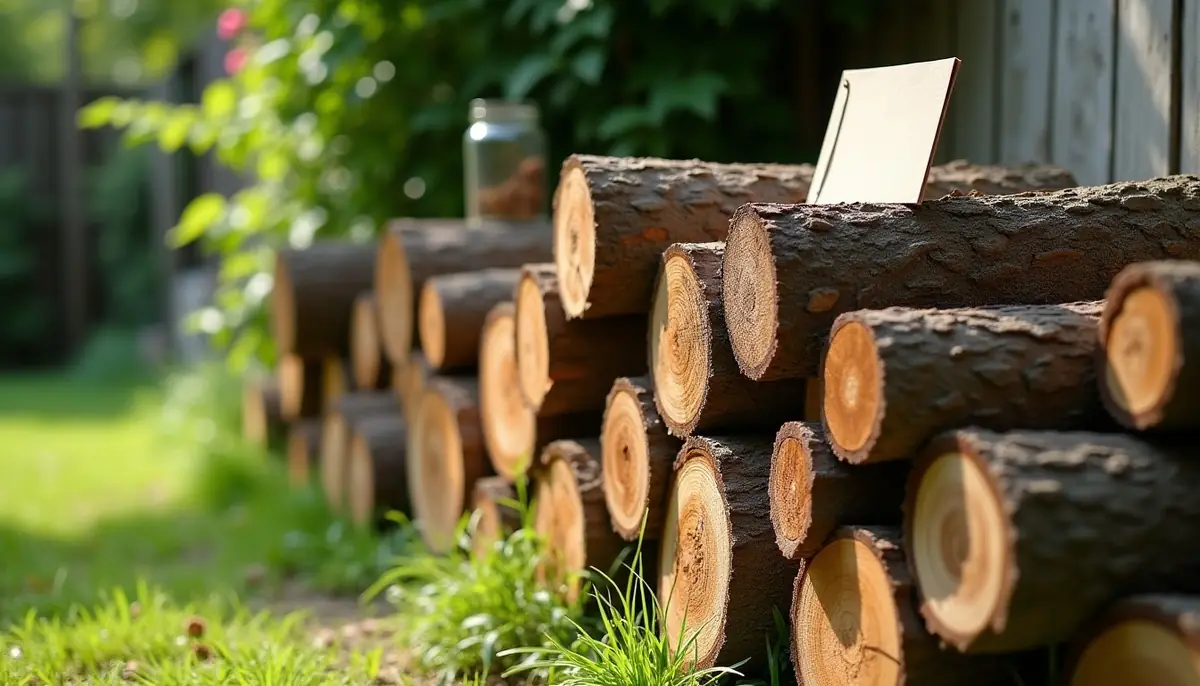
Adults eat little. Missouri lists tree sap where bark has been injured, rotting fruit and, for some species, aphid honeydew. Kentucky notes that not much is known about adult feeding and that some common stag beetles eat little or nothing as adults. The larvae are the eaters: whitish, C-shaped grubs with brown or black heads that feed on rotting wood and its juices. The Forest Service study recorded giant stag larvae in oak, beech and Chinese tallow, tunnelling inside logs or feeding underneath them where wood meets soil.
Stag beetle larvae and lifespan
Females lay eggs in cracks in damp, rotting fallen trees, according to Missouri, and the larvae take at least one year to mature. In the 2017 Forest Service study, of 65 giant stag larvae reared to adulthood, most pupated within the year they were collected, but 16 (25 per cent), all males, waited an extra year. Pupation took about 29 days for females and 31 for males.
Sources disagree on adult lifespan. Missouri says adult giant stag beetles live only a few months. Purdue and Kentucky say adults can live one to two years, depending on the species. For the European stag beetle, the Natural History Museum gives a total lifespan of three to seven years, most of it as a larva, with adults surviving only a few weeks above ground.
Are stag beetles pests?
No. Purdue’s entomology department states that stag beetles are not pests, and Kentucky calls them beneficial because the larvae break down dead trees; it adds that no healthy hardwood forest in Kentucky is without them. The larvae need wood that is already rotten and wet, so they do not attack sound timber, decks, framing or living trees. If you are finding beetles or sawdust in structural wood, something else is responsible, and our wood damage identification guide will help you work out what.
Things that are sometimes mistaken for stag beetles indoors
A dark beetle on the kitchen floor is more likely a ground or larder beetle (see our ground and larder beetles guide), and bugs that look like cockroaches sorts out the brown beetles that cause most of the panic. Stout beetles thumping into screens in late spring are usually June bugs.
How to get rid of stag beetles (and when not to)
Extension sources give no control recommendation, because stag beetles cause no damage. What follows is practical, not chemical.
| Situation | What to do | Why |
|---|---|---|
| One on the porch or patio | Leave it, or move it to a shady spot near trees on a piece of card | It is an outdoor insect that came to a light and will not damage anything |
| Several at the porch light every night in June | Turn off or reduce outdoor lights at night | Adults are attracted to lights |
| One indoors | Catch it in a jar and release it outside | It came in by accident and cannot breed in a house |
| Grubs in an old stump or log pile | Leave them, or move the wood away from the house if you prefer | Larvae only eat damp, rotting wood |
| Grubs in deep hardwood mulch | No action needed | Missouri reports larvae in deep hardwood mulch; they eat decaying wood, not plants |
| Beetles or frass in sound structural wood | Have it inspected | That is not a stag beetle; termites or wood borers are more likely |
Insecticide sprays are not warranted for stag beetles, and treating stumps or log piles to kill the larvae removes a decomposer for no benefit. Our guide to wood-destroying insects explains which ones genuinely need a licensed professional.
Why are stag beetles so expensive?
Searches for stag beetle price come from the pet beetle trade, which is centred on Japan. The University of Kentucky notes that rearing stag beetles is a popular hobby there, and Japan’s National Institute for Environmental Studies lists stag beetles on its invasive species alert list because released or escaped pets have produced many non-native records (especially Dorcus species) and hybrids with native species. A 2012 paper by Tournant, Joseph, Goka and Courchamp in Biodiversity and Conservation studied Japanese stag beetle collections, and its title sums up the concern: “The rarity and overexploitation paradox”. We have not quoted prices, because the published figures we found were either decades old or unsourced.
Are stag beetles endangered?
Not in the US, as far as anyone has measured. We searched the US Fish and Wildlife Service ECOS species database in October 2026: no mainland stag beetle appears in it, and the only stag beetle in it is the Kauai flightless stag beetle, Apterocyclus honoluluensis, recorded as a Species of Concern rather than a listed species. The caveat, from the 2017 Forest Service study, is that little is known about the giant stag beetle’s conservation status. In Europe, Lucanus cervus is Near Threatened on the European Red List of Saproxylic Beetles and is partially protected in the UK. Kentucky links the British decline to cleared forests and a lack of large fallen hardwood trees. Leaving a stump or log pile is the one thing a homeowner can easily do to help.
Frequently asked questions
Are stag beetles dangerous?
No. Stag beetles have no venom, carry no disease and do not attack people. Missouri’s Department of Conservation says males use their jaws mainly to fight other males and do not bite people aggressively. The University of Kentucky says they can be handled with little fear of injury, since the worst they can do is a mild pinch. Minnesota extension adds that they do not damage turf or trees.
What is a stag beetle?
A stag beetle is a beetle in the family Lucanidae, named for the males’ enlarged, antler-like jaws. US species are reddish brown to black with elbowed antennae ending in a comb-like club. Most are 15 to 35 mm long, and the giant stag beetle reaches about 60 mm with its jaws. Larvae are white, C-shaped grubs that live in damp, rotting wood for one to several years.
How to get rid of stag beetles?
Usually you do not need to. Stag beetles are not pests and cannot breed indoors, so catch a stray one in a jar and release it near trees. If many gather at your porch light in June and July, turn off or reduce outdoor lighting at night. Leave larvae in old stumps and logs. Sprays are not warranted, and any insect damaging sound wood is a different insect that needs identifying.
Do stag beetles bite?
They can pinch if picked up or cornered, but they do not seek out people. A disturbed stag beetle rears up with its jaws open as a warning. The male’s long jaws are made for wrestling rivals, and in the European species the female’s shorter jaws are relatively stronger. A pinch is a squeeze rather than a wound; wash any broken skin and see a doctor if you are concerned about a reaction.
What do stag beetles eat?
Adults eat very little: tree sap from injured bark, rotting fruit and, in some species, aphid honeydew, according to Missouri’s Department of Conservation. Some adults may eat almost nothing. The larvae do the real feeding, eating damp, rotting hardwood such as oak and beech, either tunnelling inside logs or feeding underneath them where the wood meets the soil.
Sources
- Missouri Department of Conservation, Field Guide: Stag Beetles; Giant Stag Beetle (Elk Stag Beetle); Eastern Hercules Beetle; Horned Passalus; Eastern Dobsonfly.
- University of Kentucky Department of Entomology, Kentucky Critter Files: Stag Beetles (2005, updated 2017).
- Purdue University Extension Entomology, Stag Beetle (4-H insect identification).
- University of Nebraska State Museum, M. J. Paulsen, Key to the Nearctic Species of Lucanus (2006).
- University of Minnesota Extension, Stag beetle (Lucanus placidus), insect diagnostic guide.
- Ulyshen, Zachos, Stireman, Sheehan and Garrick, Insights into the ecology, genetics and distribution of Lucanus elaphus, North America’s giant stag beetle, Insect Conservation and Diversity, 2017 (USDA Forest Service Southern Research Station).
- LSU AgCenter, Dynastes tityus, Eastern Hercules Beetle.
- UF/IFAS Extension, Featured Creatures EENY085, Click Beetles, Alaus spp. (revised 2024).
- Natural History Museum, London, Stag beetles: facts and how to help.
- National Institute for Environmental Studies, Japan, Invasive Species of Japan: Lucanidae.
- Tournant, Joseph, Goka and Courchamp, The rarity and overexploitation paradox: stag beetle collections in Japan, Biodiversity and Conservation 21, 2012.
- US Fish and Wildlife Service, ECOS species database, searched October 2026.
- The Pest Control Brief analysis of iNaturalist research-grade records, pulled October 2026.