Sep 3, 2026
For Property Owners
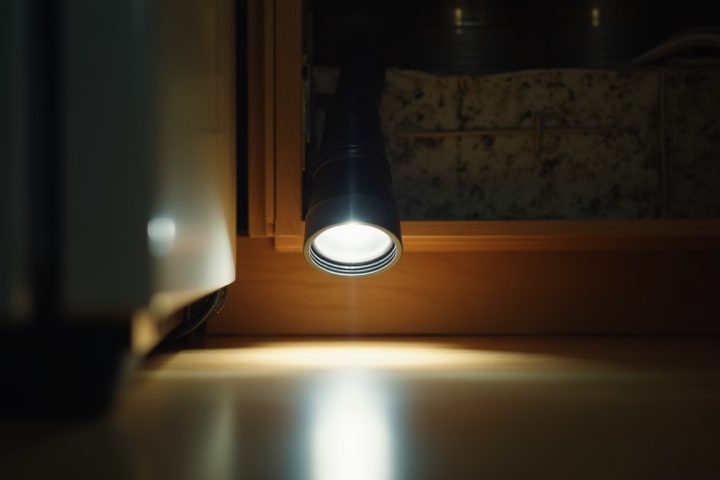
Most infestations announce themselves before you see the pest. The earliest sign by pest, the three signs people misread, and where to look in order.
Sep 3, 2026
For Property Owners
Genuine emergencies are narrow. Same-day service usually exists without a premium, and for most pests speed buys hours at the front of a weeks-long process.
Sep 3, 2026
For Property Owners

Rain rarely cancels a visit, because much exterior work is sheltered. What matters is drying time, and each weather condition changes treatment differently.
Sep 3, 2026
For Property Owners

The label re-entry interval governs. Which placement options reduce exposure, and the non-chemical alternatives worth asking about.
Sep 3, 2026
For Property Owners
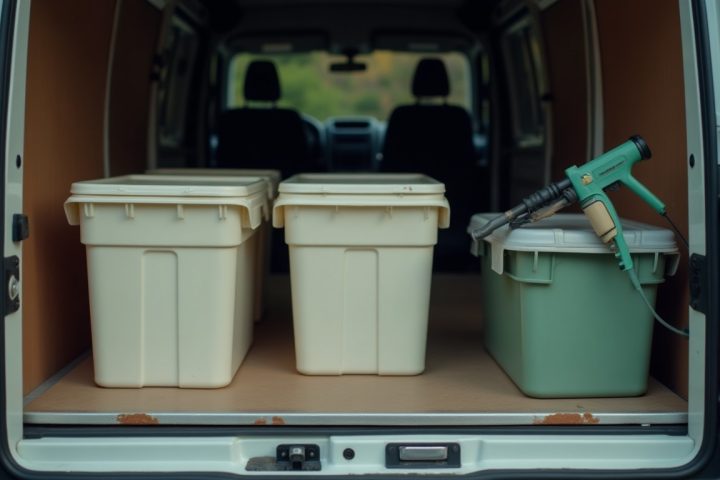
Largely the same chemical families sold at retail, in different formulations and placed differently. The real difference is access and placement.
Sep 3, 2026
For Property Owners

One-time visits cost $100 to $300 against $400 to $950 for an annual plan. The per-visit gap is route economics, not a loyalty discount.
Sep 3, 2026
For Property Owners
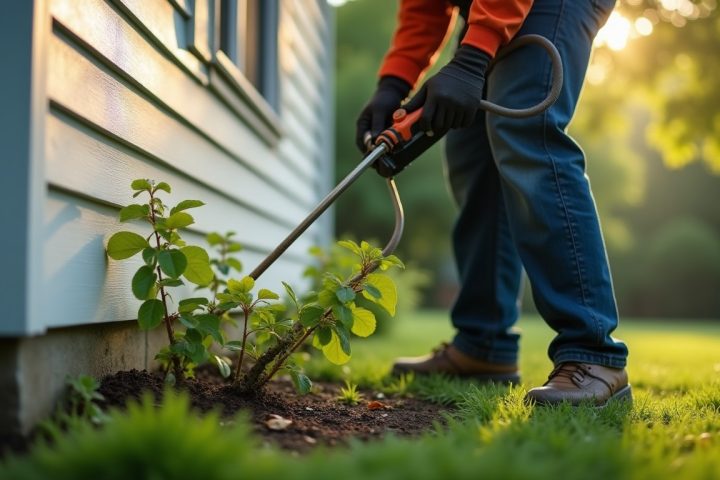
Green pest control has no legal definition, so two companies using the phrase can mean very different things. The five categories and the honest trade-off.
Sep 3, 2026
For Property Owners
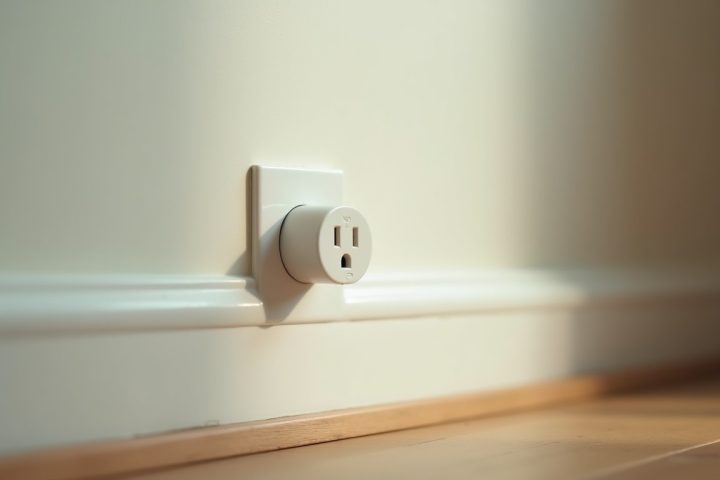
The FTC has warned manufacturers over unsubstantiated claims and rodents habituate within 3 to 7 days. What independent testing actually found.
Aug 31, 2026
For Property Owners
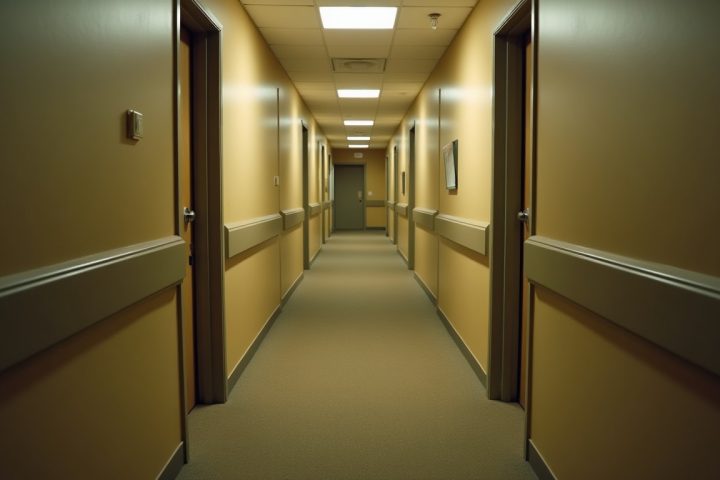
Treating one apartment while neighbours go untreated is the top reason multi-unit pest control fails. What proper building-wide treatment looks like.
Aug 31, 2026
For Property Owners
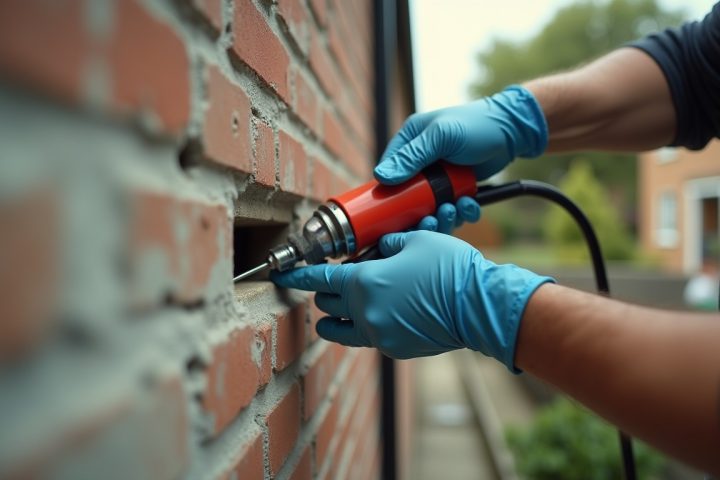
Exclusion is the only pest measure that keeps working after you stop paying. The gap sizes that matter and the work in priority order.