Bees in a Chimney: How to Get Them Out Without Harm
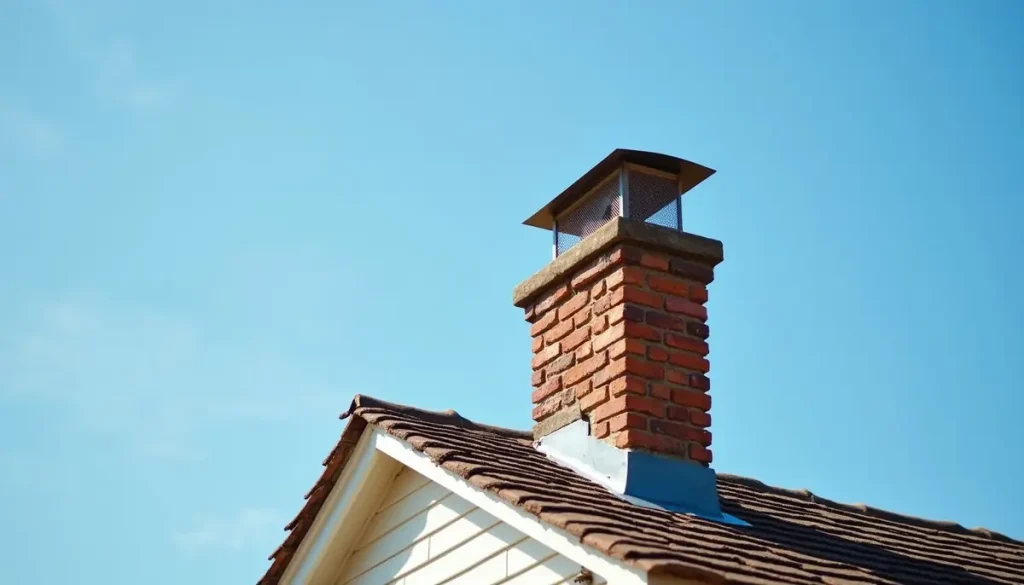
To get bees out of a chimney, first work out whether it is a passing swarm or a colony that has built comb in the flue: a swarm usually leaves on its own within one or two days, Mississippi State Extension says, while an established colony will not leave and needs a beekeeper or removal specialist to take out the bees and the comb. Keep the damper shut and do not light a fire meanwhile. Killing the bees without removing the comb leaves honey and wax that melt, leak and draw new swarms.
What is in your chimney? Start here
| What you see or hear | Most likely | What to do |
|---|---|---|
| A ball of bees clinging to the chimney top or cap in spring, with no traffic into the flue | A honey bee swarm resting while scouts search for a home | Wait a day or two, or call a beekeeper; Mississippi State says swarms normally leave in one or two days |
| A steady stream of bees in and out of the flue top for days, some carrying pollen on their legs | An established honey bee colony with comb | Bee removal specialist; UF/IFAS notes established colonies collect pollen and swarms do not |
| Loud twittering or chattering from May to August, no insects at the top | Young chimney swifts, a protected bird | Leave them; our page on birds in the chimney and what the law allows explains why |
| Shiny, sharply banded yellow and black insects in late summer, papery material visible | Yellow jackets or other wasps | Pest professional, not a beekeeper; our guide to getting rid of wasps by nest type explains why |
| Big black and yellow bees drilling round holes in wooden chase siding or trim | Carpenter bees, not in the flue at all | A wood problem, covered in the carpenter bee versus bumble bee guide |
Compiled by The Pest Control Brief from Mississippi State University Extension Bug-Wise No. 7 (2005), UF/IFAS IN1297 and our chimney swift research.
If you cannot get a clear look from the ground, our guide to telling a wasp from a bee covers the checks that work at a distance: honey bees are hairier and less brightly striped than yellow jackets, as UC IPM describes them.
Wax comb means bees; grey or tan paper means wasps or hornets, and our wasp and hornet identification guide sorts out which one.
Swarm or colony: why the difference decides everything
A swarm is a colony reproducing. UF/IFAS publication ENY-160 describes 50 to 70 per cent of the workers leaving with the old queen and clustering nearby while scouts look for a cavity, “a process that can take minutes or up to 4 days.” Mississippi State’s Bug-Wise newsletter adds that a swarm normally stays “for only one or two days” before the whole mass flies to its new home.
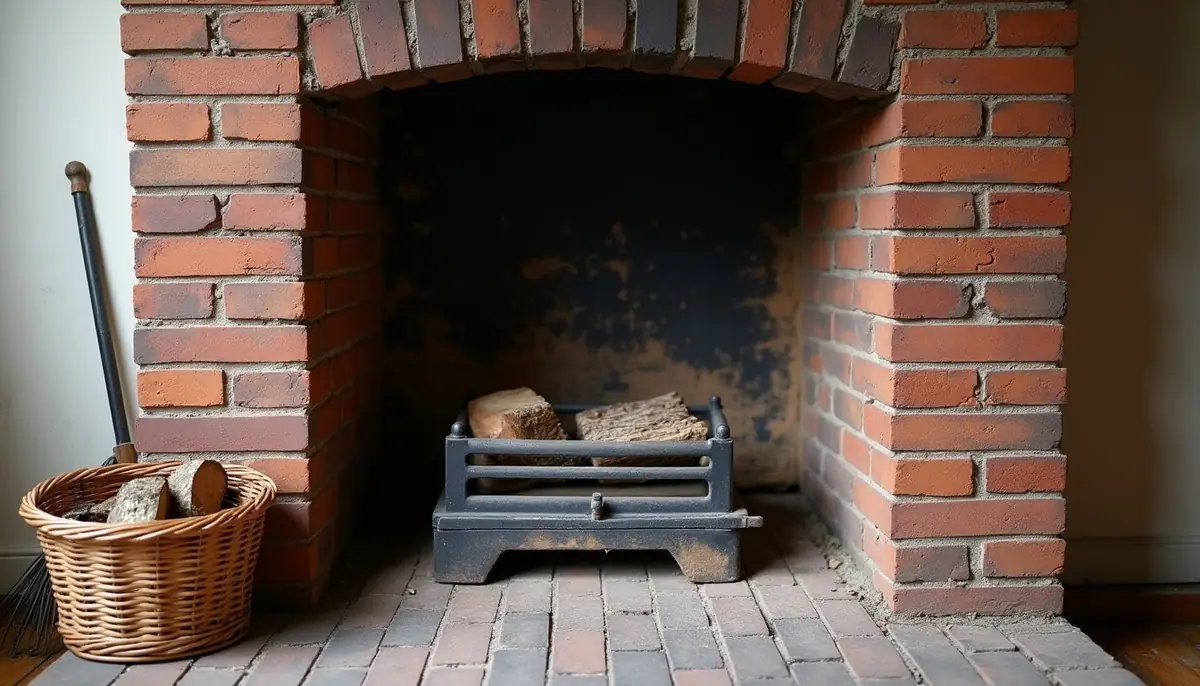
The trouble with a chimney is that it may be the new home. UF/IFAS lists chimneys among the sites where Florida colonies have been found, and Mississippi State names the chimney alongside wall and soffit voids as places colonies establish. Once comb and brood exist, Mississippi State is clear: “these types of honey bee problems will not go away on their own,” because the bees “are committed to a long-term stay.” Our page on bee swarms and how long they stay covers the cluster stage in more detail.
Our analysis of iNaturalist research-grade records shows why sound alone is a poor guide in summer. Chimney swift records run at 304 on our seasonality index in May and stay above average through September, then fall to 2 in November; honey bee records stay near or above average from March to October, peaking at 158 in September. Buzzing in a chimney between November and March is very unlikely to be swifts.
How to get bees out of a chimney, step by step
- Close the damper and the fireplace doors. This keeps bees from coming down into the room. Do not open the damper to look up the flue while bees are active.
- Do not light a fire. CSIA, the chimney sweeps’ certification body, warns that animals building nests in a flue can make the chimney unsafe, and NFPA 211 calls for an inspection at least once a year. A fire under a colony does not remove the comb, and Mississippi State notes that comb left without bees to cool it “will usually melt,” leaking honey into the structure.
- Do not spray or fog the flue. Poisoned comb stays in the chimney, and UF/IFAS warns that bees and comb from earlier eradication attempts may carry pesticide residues that complicate any later removal.
- Call the right person. For a swarm on the outside of the chimney, a local beekeeper. For an established colony, a bee removal specialist who does cutouts; Mississippi State notes that most beekeepers will do that work only for close friends and family, so look for a specialist. For wasps, a pest control company.
- Expect access from the top or through the masonry. Reaching comb in a flue usually means working from the chimney crown or opening brickwork or the chase, which is work at height for someone insured to do it.
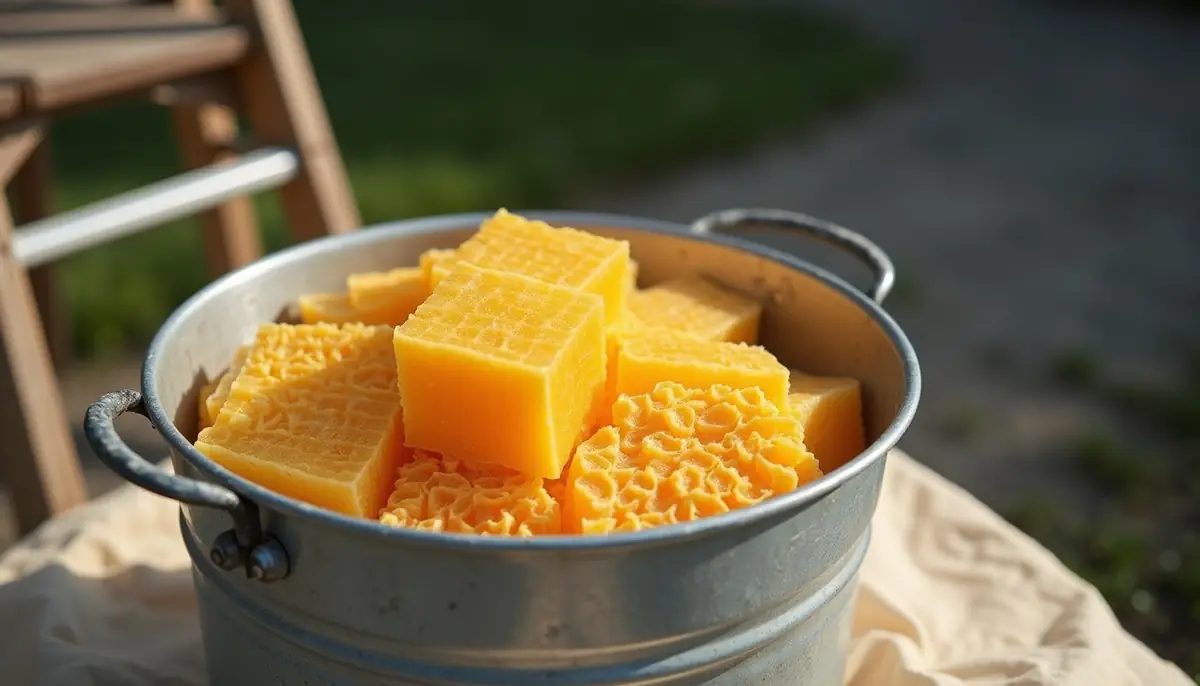
- Insist the comb comes out. UF/IFAS IN1297 tells removers to scrape away all comb and propolis, because comb left behind draws “beetles, ants, cockroaches, and flies,” may “rot, ferment, and even leak,” and leaves a cavity “attractive to other honey bee swarms.” Mississippi State adds carpet beetles and wax moths to that list.
- Allow a few days for stragglers. UF/IFAS advises allowing a few days after a removal for returning foragers to leave before repairs.
- Then cap or close the flue, following the code rules below, and have the chimney checked before the next fire.
The same rule against sealing an active entrance applies here as in walls: UF/IFAS warns that sealing a hole with bee activity forces the bees “further into the wall and possibly into the structure.” Our guide to bees in a wall and why sealing backfires sets out the parallel case.
What it costs
Published estimates on our bee removal cost page put live relocation at $100 to $400 and a cutout of an established hive inside a structure at $400 to $1,500, with an accessible swarm often collected free by a beekeeper.
For wasps rather than bees, our wasp nest removal cost estimates list chimney nests at $400 to $550. Chimney work can add masonry repair and a cap on top of either figure.
Bee-proofing a chimney without breaking the fire code
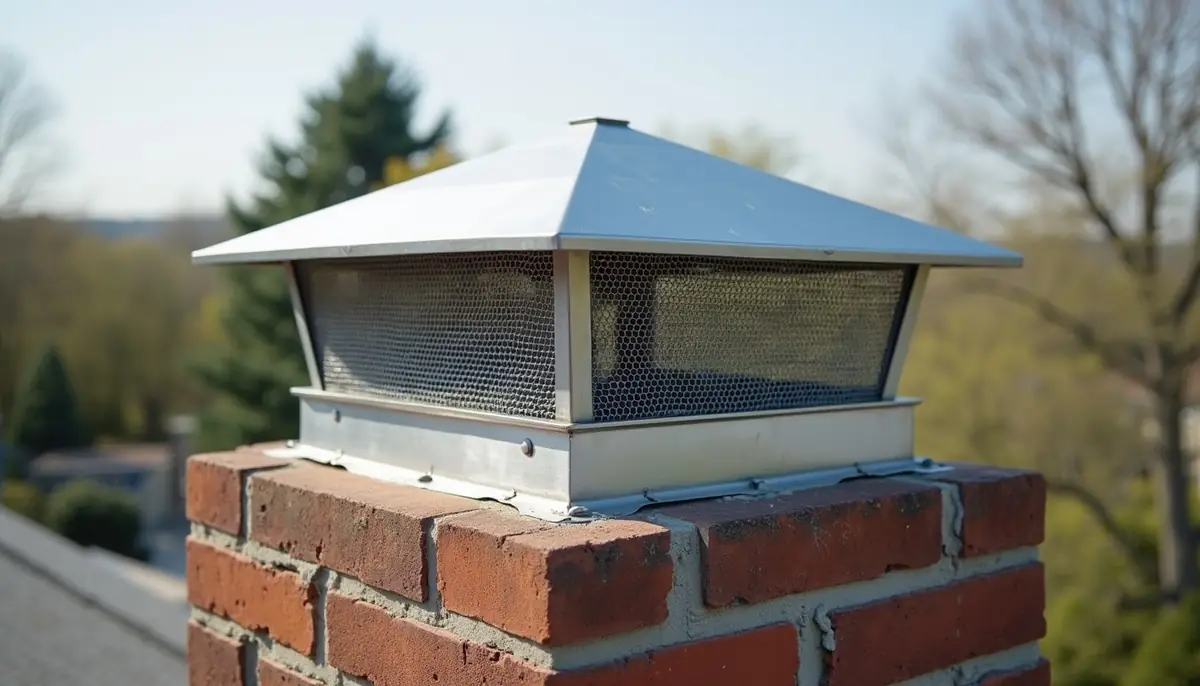
Here two sets of rules pull in different directions, and none of the top search results mention it. USDA ARS says honey bees “may enter openings as small as 3/16-inch in diameter,” and UF/IFAS bee-proofing guidance uses 1/8 inch hardware cloth. But the model residential code (IRC section R1003.9.2, adopted by many states) says a spark arrestor on a chimney serving a solid fuel appliance must not block the passage of spheres smaller than 3/8 inch, and must stop spheres larger than 1/2 inch.
A code-compliant spark arrestor on a working wood-burning chimney therefore has openings twice the width bees need. Do not fit fine bee mesh over a flue you burn in, because it is not what the code allows. The practical options are a code-compliant cap and the annual inspection NFPA 211 calls for. For a flue you no longer use, ask a chimney professional about closing it properly; USDA ARS simply advises making sure chimneys “are covered properly.” Rules vary by state and local fire code, so check before altering a working chimney.
Who may remove honey bees in your state
Some states regulate who can do this. In Florida, UF/IFAS explains that colonies in or around a structure must be eradicated by a licensed pest control operator or removed by a pest control operator or a beekeeper registered under Florida Administrative Code Rule 5E-14.151. Elsewhere, your state apiary inspector or extension office can usually point you to registered beekeepers who do removals.
Frequently asked questions
How long will bees stay in the chimney?
A swarm resting on the chimney usually leaves within one or two days, according to Mississippi State, and UF/IFAS says scouts take from minutes to 4 days to choose a site. If the bees have moved into the flue and built comb, Mississippi State says the problem will not go away on its own unless disease, mites or excessive heat kill the colony.
How do I get rid of bees in my chimney?
Close the damper, do not light a fire or spray, and identify what you have using the table above. A swarm on the outside can be left a day or two or collected by a beekeeper. An established colony needs a removal specialist to take out the bees and all the comb, followed by a code-compliant cap and a chimney inspection.
What is the fastest way to get rid of bees?
For a swarm, waiting one or two days is often fastest, since most leave on their own. For an established colony, Mississippi State notes a pest control company can kill the bees quickly, sometimes with one or two follow-up visits, but the dead bees and comb still have to come out before the job is finished.
Will bees leave if you destroy their nest?
Survivors may, but the problem stays if comb remains. Mississippi State warns that another colony may move into the site and that the melting comb leaks honey, and UF/IFAS says the cleaned-out cavity still attracts swarms unless sealed. Remove every scrap of comb, then close or cap the opening.
Do chimney caps keep bees out?
Not reliably. USDA ARS says bees can pass openings of 3/16 inch, while the model code requires a spark arrestor on a solid fuel chimney to pass spheres of 3/8 inch. A cap still stops birds, rain and debris; for full bee-proofing of an unused flue, ask a chimney professional.
Sources
- Mississippi State University Extension, Bug-Wise No. 7, Dealing With Problem Honey Bees, 12 May 2005.
- University of Florida IFAS, Best Management Practices for Live Bee Removals in Florida: A Beekeeper’s Guide, IN1297 (reviewed 2023).
- O’Malley, M. K., Ellis, J. D. and Neal, A. S., Bee-Proofing for Florida Citizens, UF/IFAS ENY-143 (IN741).
- DeBerry, S., Crowley, J. and Ellis, J. D., Swarm Control for Managed Beehives, UF/IFAS ENY-160 (IN970).
- USDA Agricultural Research Service, Carl Hayden Bee Research Center, Preventing On-Site Bees.
- International Code Council, International Residential Code, section R1003.9.2 Spark arrestors, as adopted in state residential codes.
- Chimney Safety Institute of America, homeowner resources and FAQ, citing NFPA 211.
- Mussen, E. C. and Rust, M. K., Pest Notes: Yellowjackets and Other Social Wasps, UC ANR Publication 7450.
- The Pest Control Brief analysis of iNaturalist research-grade records, pulled October 2026 (b19 to b30 files).