Can Termites Make You Sick? Bites, Allergies and Mold

Correction, 14 November 2026. We corrected three points after checking the sources again: the 2020 allergy result is from the authors’ Journal of Insect Science paper and covers 11 of 12 cockroach- or shrimp-allergic samples, not 9 of 12; the 2017 paper named three possible exposure routes, not one; and the 19 non-fumigation illness cases include heat treatments and wood preservatives, not only sprays, baits and soil treatments.
Termites are not known to make people sick: no extension, CDC or EPA source we read links them to any human disease, and they do not feed on people or sting. The documented health risks are indirect. Damp, termite-damaged wood can grow mould, which the EPA says can trigger allergies and asthma attacks, and the treatments used against termites cause far more reported illness than the insects. Termite allergy is a laboratory hypothesis with no published clinical cases.
Every route from termites to your health, rated
| Route | What the evidence shows | Strength of evidence | What to do |
|---|---|---|---|
| Disease | No disease carried by termites appears in the extension, CDC or EPA documents we read; termites feed on wood and other cellulose | Consistent absence of any report | Nothing; focus on the structure |
| Bite or sting | Only soldiers have fighting jaws; Texas A&M says a Formosan soldier’s bite and fluid are harmless to humans, and Utah State says termites cannot sting | Strong: harmless pinch if handled | Do not pick them up |
| Allergy to termite proteins | Lab studies (2017, 2020) found Formosan termite proteins cross-react with cockroach allergens; the 2017 authors note no published reports of allergic reaction to termites | Weak: plausible, unproven | Symptoms during a swarm are a question for a doctor |
| Frass and wood dust | No study we found measured termite droppings or dust as a cause of illness | Unstudied | Vacuum pellets rather than sweeping them into the air |
| Mould in damp, damaged wood | EPA: mould produces allergens and irritants and can cause asthma attacks in people allergic to it; subterranean termites need moisture | Strong for mould; termites are the clue, not the cause | Fix the leak; dry wet materials within 24 to 48 hours |
| Pesticide exposure | California recorded 135 illness cases from structural pest control in 2016 to 2023, 116 of them after sulfuryl fluoride fumigation | Strong, documented | Follow the label and re-entry clearance |
Compiled by The Pest Control Brief from Texas A&M AgriLife, Utah State University Extension, Mattison and colleagues (PLoS ONE 2017; Journal of Insect Science 2020), the EPA’s Brief Guide to Mold, Moisture and Your Home, and California Department of Pesticide Regulation illness data.
Can you get sick from termites in your house?
Not from the insects directly. Kentucky entomologists describe termites as insects that damage wood slowly, and swarmers that emerge indoors cannot damage wood and live about a day. Workers stay sealed inside soil, wood and mud tubes; Penn State says they are seldom seen unless a tube or infested wood is broken open, so most people never touch one.
Bites are the most common worry, and the answer is in our page on what termite soldiers can and cannot do to people: a Formosan soldier can grip a finger if you handle it, and that is the extent of it. Utah State’s termite sheet says they “cannot bite, sting, or harm your pets,” which overstates it slightly, but no source we read reports an injury.
Can termites cause allergies?
Possibly, but nobody has shown it in patients. Formosan termites are related to cockroaches, whose allergens are a recognised asthma trigger, as our review of cockroach allergen and asthma research sets out. Two laboratory papers tested whether termite proteins behave the same way:
- A 2017 PLoS ONE study by Mattison and colleagues found predicted Formosan termite proteins with more than 60 per cent similarity to German and American cockroach allergens, and showed several cross-reacting with antibodies from cockroach-allergic patients. It also stated there were no published reports documenting asthmatic or allergic reaction to termite proteins.
- A 2020 follow-up by the same team in the Journal of Insect Science found that a Formosan termite arginine kinase, 96 per cent identical to an American cockroach allergen, was recognised by IgE from 11 of 12 cockroach- or shrimp-allergic samples, but not by samples from people allergic to dust mite or to peanut and tree nuts.
The 2017 authors suggested three possible routes of exposure: frass from drywood termite infestations, which they said likely contains potential allergens; mud tubes inside infested homes; and swarm season, when tens of millions of termite alates fly and are drawn to lights. They were explicit that the cross-reactivity’s significance for asthma or allergy is unclear. If you wheeze or sneeze only during a swarm, tell your doctor about the timing rather than assuming a cause.
Can termite droppings or dust make you sick?
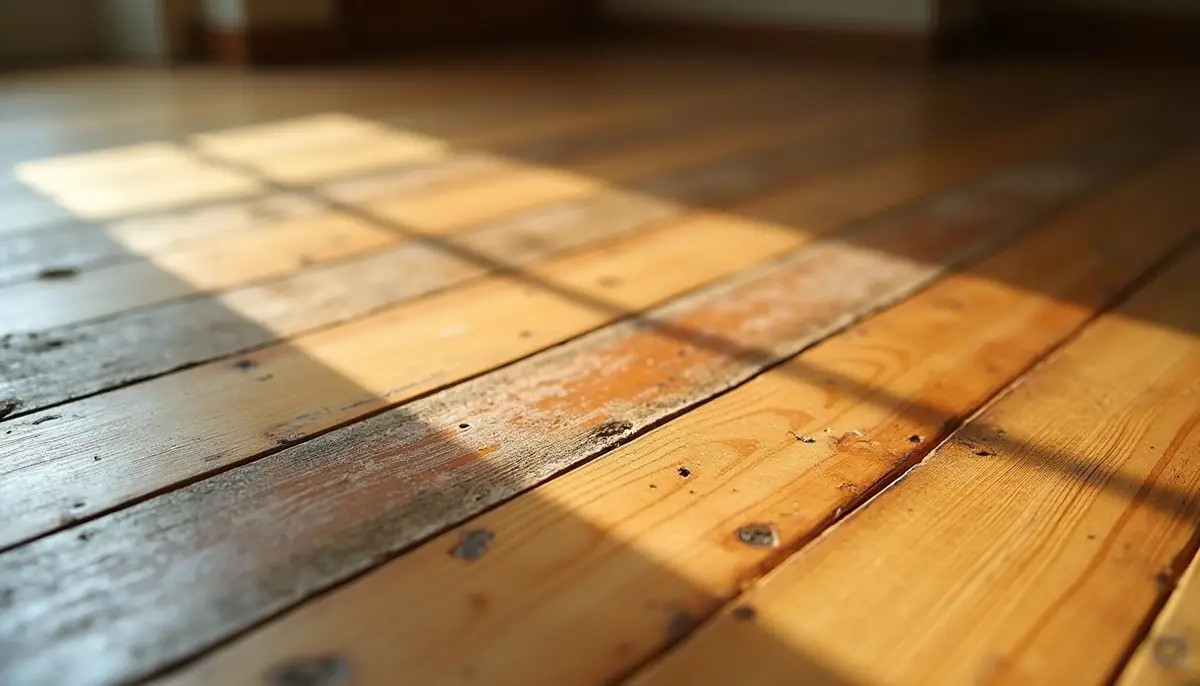
No study has measured illness from them. Drywood termites push out hard, six-sided pellets about 1/32 inch long (Texas A&M), which are dry wood that has passed through the insect. Subterranean termites leave mud, not loose droppings. The 2017 PLoS ONE authors suggested drywood frass likely contains potential allergens, but we found no study measuring illness from either, and claims on pest company pages that termite dust causes asthma cite no data.
The cautious approach costs nothing: vacuum pellet piles instead of sweeping, and keep a few in a bag for the inspector first, since UC IPM says pellets are diagnostic for drywood termites.
Termites, moisture and mould
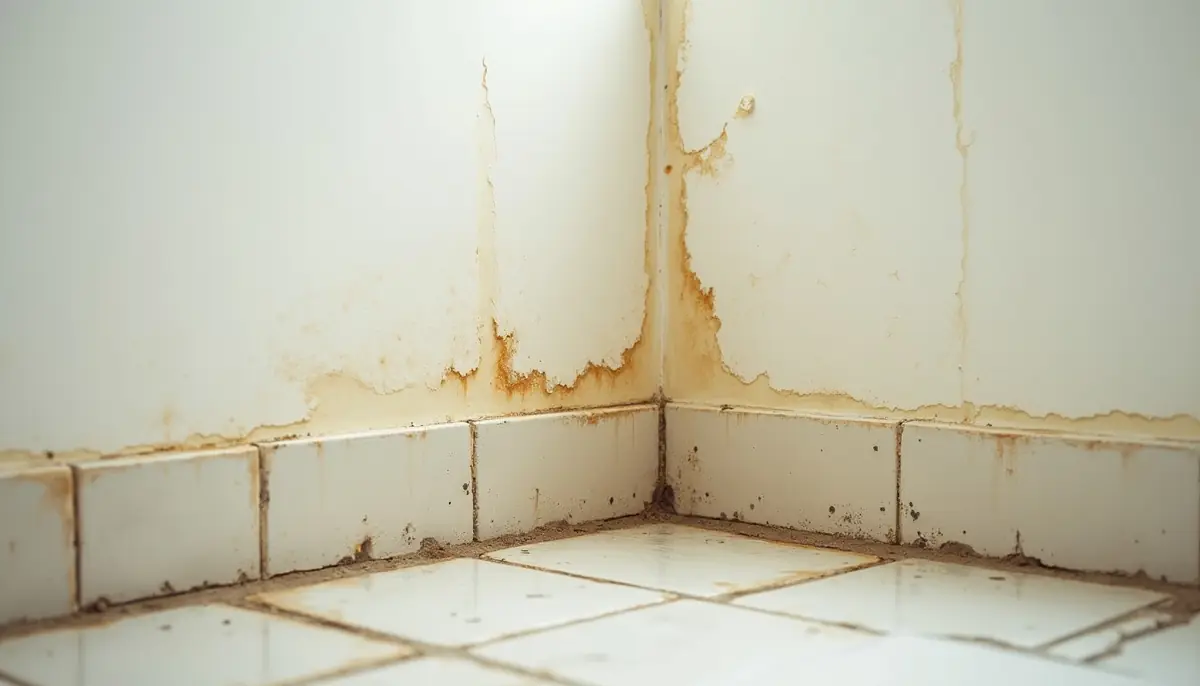
This is the health route with the strongest evidence, and termites are the warning light rather than the cause. Subterranean termites need moisture: Mississippi State says swarmers indoors die of desiccation, and UC IPM lists repairing plumbing leaks and faulty grades as termite prevention. The same wet wood suits mould.
The EPA says no mould grows without water or moisture, that mould produces allergens, irritants and in some cases potentially toxic substances, and that it can cause asthma attacks in people with asthma who are allergic to it. Its guidance is to dry water-damaged materials within 24 to 48 hours, and to follow its larger-scale remediation guidance if mould covers more than about 10 square feet. A musty, soft or stained patch beside termite damage is worth checking for both; our guide to reading termite, beetle and rot damage in wood helps tell them apart.

Can termite treatment make you sick?
Yes, and this is where the reported illnesses are. Our analysis of California’s Pesticide Illness Surveillance Program found 135 illness cases linked to structural pest control from 2016 to 2023 against 128.5 million applications. Sulfuryl fluoride fumigation, used against drywood termites, was 0.6 per cent of applications but 116 of the cases, and six people died, five after entering buildings under fumigation. The full breakdown is in our report on who gets hurt by pest control.
Most of those cases, 72 of 116, were occupants who became ill after going back in, so the clearance step matters. Our guide to what the three days of termite tenting involve covers why re-entry is decided by measurement, not by a clock.
Soil treatments carry much less risk. Texas A&M says the chance of trace exposure after a termite treatment is lower than after a spray for cockroaches or fleas, and advises children and pregnant women to leave during the application and the home to be aired for 1 to 2 hours afterwards. Older homes have one extra question: the CDC’s ATSDR says chlordane was used against termites until EPA banned all uses in 1988, and soil near treated homes can still be a source of exposure.
What are the symptoms of termite poisoning?
“Termite poisoning” usually means exposure to a termiticide, and the symptoms depend on the chemical:
- Bifenthrin (a pyrethroid insecticide; UC IPM lists pyrethroids among termite actives): tingling, itching, burning or numbness where it touched the skin, usually gone within 48 hours (National Pesticide Information Center).
- Fipronil: after swallowing, reported effects included sweating, nausea, vomiting, headache, stomach pain, dizziness, weakness and seizures (NPIC).
- Sulfuryl fluoride after re-entry: headache, nausea, eye and throat irritation and breathing discomfort were typical in the California cases.
- Chlordane (pre-1988 treatments): headaches, dizziness and tremors at high exposures (ATSDR).
Call Poison Control at 1-800-222-1222 or 911 for symptoms after a treatment, and keep the product name or EPA registration number to hand; our guide to reading a pesticide label shows where it is printed. Pets show different signs: NPIC lists vomiting, diarrhoea, twitching ears, paw flicking and drooling in animals exposed to bifenthrin.
DIY products marketed as natural are no safer by default, as our scorecard of home remedies for termites explains, and the EPA notes that many termiticides are highly toxic.
What are the first signs of termites in your house?
Usually swarmers or their wings indoors in spring, mud tubes on foundation walls, or six-sided pellets under wood. Mississippi State adds BB-sized spots of dried mud on drywall and sunken lines under paint. None of these is a health emergency, which is why Kentucky says an extra day, week or month to choose a company generally does inconsequential damage. Our guide to signs of termites ranked by what they prove shows how to test each one.
Frequently asked questions
Is it safe to sleep in a room with termites?
Yes. Termites feed on wood, not people, and workers stay inside wood, soil and mud tubes. Swarmers that emerge indoors cannot damage wood and live about a day, according to Kentucky entomologists. The practical concerns in that room are any damp or mouldy wood and, after a treatment, following the label’s re-entry instructions.
Are termites dangerous to dogs and cats?
Not directly. Utah State extension says termites cannot harm pets, and we found no published report of a pet injured by one. The documented pet risks come from treatment: California’s illness records include neighbours who entered a tented building to rescue a trapped cat, and NPIC lists drooling, paw flicking and vomiting in pets exposed to bifenthrin.
Can termites kill humans?
No source we read records a death caused by termites. The deaths linked to termite work involve fumigation: California’s illness surveillance recorded six deaths from structural pest control between 2016 and 2023, five of them people who entered buildings under fumigation. Licensed fumigators control re-entry for that reason.
Do termites come back after treatment and keep causing problems?
They can, if the soil barrier has a gap; Kentucky says swarming the year after treatment usually means an untreated gap rather than product breakdown. That is a structural problem, not a health one. Our page on why termites come back after treatment covers how to report it under a warranty.
Sources
- Mattison, C. P. and colleagues (2017). Cross-reaction between Formosan termite (Coptotermes formosanus) proteins and cockroach allergens. PLoS ONE 12(8): e0182260.
- Mattison, C. P., Tungtrongchitr, A., Tille, K. S., Cottone, C. B. and Riegel, C. (2020). Cloning, Expression, and Immunological Characterization of Formosan Subterranean Termite (Blattodea: Rhinotermitidae) Arginine Kinase. Journal of Insect Science 20(4): 10.
- US Environmental Protection Agency, A Brief Guide to Mold, Moisture and Your Home.
- US Environmental Protection Agency, Termites: How to Identify and Control Them.
- Agency for Toxic Substances and Disease Registry (CDC), ToxFAQs: Chlordane.
- National Pesticide Information Center, Bifenthrin General Fact Sheet; Fipronil General Fact Sheet.
- California Department of Pesticide Regulation, Pesticide Illness Surveillance Program (CalPIQ) and Pesticide Use Reports, 2016 to 2023, as analysed in The Pest Control Brief, Who Gets Hurt by Pest Control?
- Texas A&M AgriLife Extension, ENT-2002, Frequently Asked Questions About Subterranean Termite Control; E-367, Formosan Subterranean Termites; and Drywood Termites.
- Utah State University Extension, Termites.
- University of Kentucky Entomology, ENTFACT-604, Termite Control: Answers for Homeowners.
- Penn State Extension, Eastern Subterranean Termites.
- Mississippi State University Extension Service, Signs of Termite Infestation; and Bug’s Eye View, Eastern Subterranean Termite Swarmers, 2019.
- University of California Statewide IPM Program, Pest Notes: Subterranean and Other Termites (7415) and Drywood Termites (7440).