Carpenter Ants in Winter: Why Indoor Activity Means an Indoor Nest
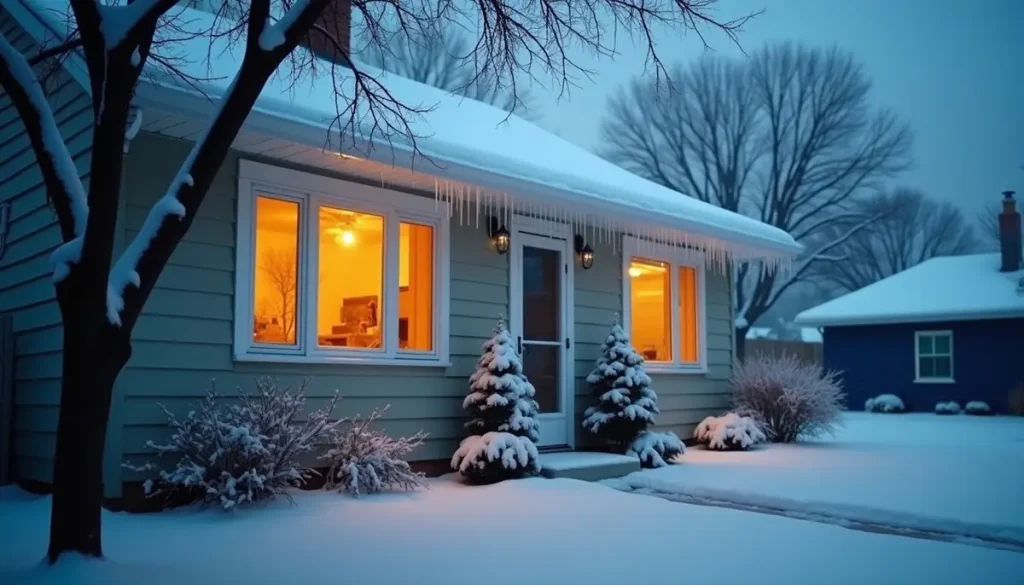
Carpenter ants walking around inside your house in winter usually mean a nest inside the heated structure, not ants coming in from outdoors. Outdoor colonies are inactive from roughly October to March in the northern states, and Penn State says the ants will only be active in winter if the nest is in a heated part of a building. The colony does not die in the cold; it waits it out in the wood with larvae and next spring’s winged ants already inside. The useful question is where in the house that warm nest is.
Iowa State entomologist Donald Lewis put the logic in one line: carpenter ants are cold blooded, so ants active in winter must come from a warmed source.
What a winter sighting usually tells you
| What you see, December to March | What it usually means | Basis |
|---|---|---|
| Large black workers, 1/4 to 1/2 inch (6 to 13 mm), on the kitchen or bathroom floor, day after day | A nest inside the walls, floors or ceiling, warmed by the house | Iowa State Extension; Penn State Extension |
| One or two sluggish ants near a sunny south or west wall on a bright day | Dormant ants stirred by sun or furnace heat warming the wall; still a sign they are in or on that wall | Iowa State Extension |
| Winged ants at inside windows | A mature indoor nest, at least 2,000 workers and usually several years old | Penn State; University of Nebraska |
| Coarse, stringy sawdust with ant parts below trim or a sill | Active excavation right above the pile | Nebraska; Penn State |
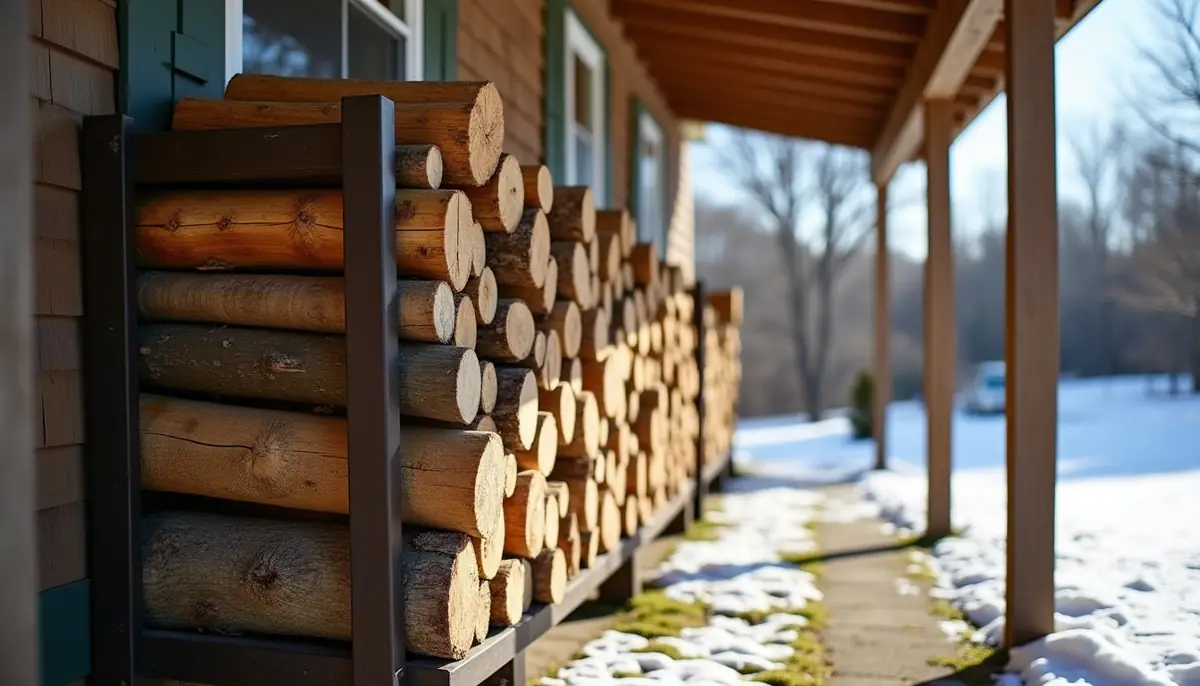
| Ants only around the firewood rack | Ants carried in with logs and woken by the warmth; check the woodpile, not the walls | Penn State; Iowa State |
| Dead ants on sills with no live ones | Could be swarmers or foragers that died indoors; watch for live activity before assuming a nest | See our guide to dead ants in the house |
Compiled by The Pest Control Brief from Iowa State University Extension, Penn State Extension and University of Nebraska Extension guidance.
What carpenter ants do in winter outdoors
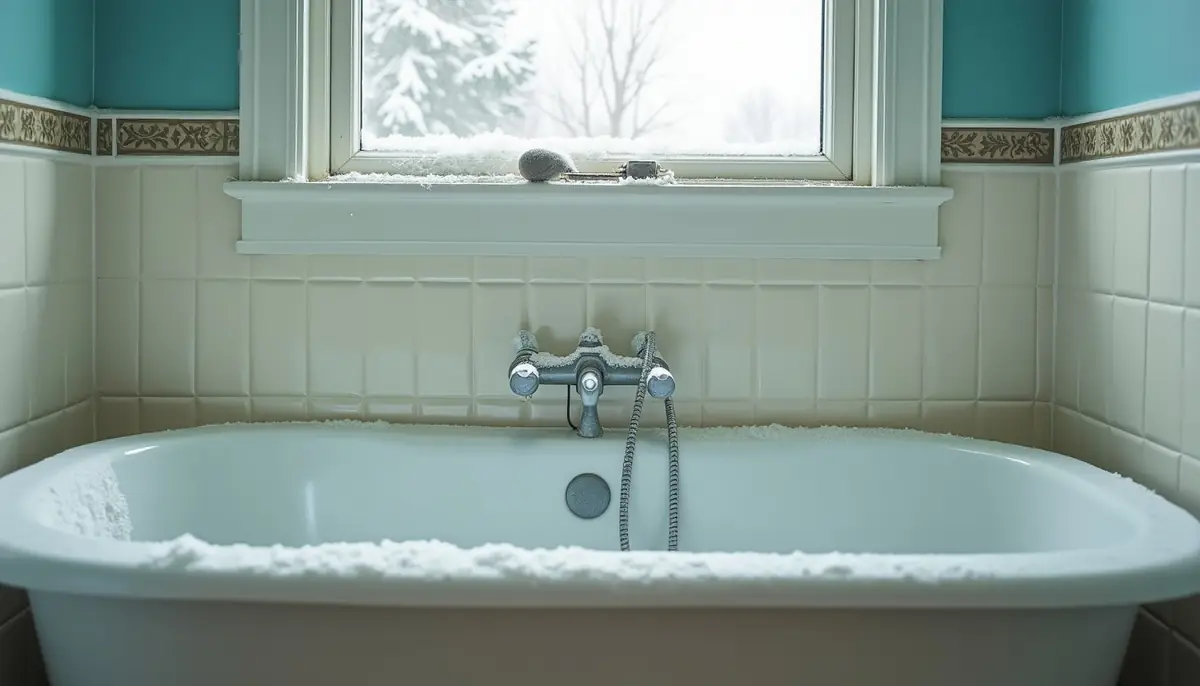
Outdoors they shut down. Penn State says the ants hibernate, meaning they are inactive, during the winter. The Illinois Department of Public Health guidance, written with University of Illinois Extension, says colonies become active in March and April, stay active through September or October, and that in winter most colonies become dormant, although indoor nests may show some continued activity.
They do not heat the nest. A 2007 Clemson University dissertation by Donald Oswalt logged temperatures inside black carpenter ant nests in campus trees hourly for 52 weeks. Outside air swung by about 10°C (18°F) while the inside of the nest swung by about 2°C (3.6°F), and occupied nests tracked empty ones, so the ants are not regulating temperature: the wood is doing the buffering. A 1990 Virginia Tech thesis by Colleen Cannon likewise found winter nest temperatures followed the air, with smaller swings.
Do carpenter ants die in winter?
The colony usually does not. Cannon found glycerol, an antifreeze compound, in every caste and life stage, and found the ants drawing down stored fat through the winter, with large workers losing most of their protein and dry weight between November and January. Overwintering nests held large proportions of larvae and winged reproductives. Penn State puts numbers on the second point: about 200 to 400 winged ants develop in summer, stay in the nest through winter and leave the following spring or early summer.
Why indoor activity points to an indoor nest
Iowa State’s guidance is that ants found indoors in summer are often invaders wandering in from outdoors, but in winter they must come from a warmed source; even in very cold air, sun or furnace heat may warm house walls and stir dormant ants.
Most indoor nests are satellites. Penn State says the parent colony, with the queen, is often in a tree, log or waste wood within 100 yards of the house, and both must be eliminated or the ants reappear within days or weeks. A satellite in a heated wall can keep foraging through winter while the parent outdoors sleeps. Our main guide to getting rid of carpenter ants covers parent and satellite colonies in detail.
Our own data shows how unusual a winter carpenter ant is outdoors. Of 106,232 research-grade iNaturalist records of carpenter ants in the US, just 4,439, about 4 per cent, fall in December, January and February combined. January has 1,177 records against 19,175 in May. These are mostly outdoor sightings, not infested homes, and some winter records come from warm southern states.
When carpenter ants are active: the sources side by side
| Source | Region | What it says about the calendar |
|---|---|---|
| Illinois Dept. of Public Health with Univ. of Illinois Extension | Midwest | Active March to April through September to October; dormant in winter, indoor nests may stay active |
| Penn State Extension | Northeast | Inactive in winter unless nest is in a heated part of a building; night checks May to July |
| University of Nebraska Extension | Great Plains | Black carpenter ant swarms mostly March to June; red carpenter ant swarms reported in winter warm spells |
| NC State Extension (Union County) | Southeast | Workers forage by day in spring, mostly at night by late summer |
| The Pest Control Brief iNaturalist analysis | US | Lowest share of records in January (index 37), peak in May and June (161 and 165) |
Compiled by The Pest Control Brief from the named sources.
Where the winter nest usually is
Iowa State’s list of the most likely sources is short: window and door frames and sills, shower and tub enclosure walls, and kitchen and bath plumbing walls. Penn State adds porch pillars and supporting timbers, sills, girders, joists, wall studs, and the space under insulation between ceiling joists or wall studs. NC State’s Union County office points first to wood under the dishwasher, sink or bathtub, or around a door or window.
Moisture is the common thread. Penn State says carpenter ants usually will not infest sound wood with a moisture content below 15 per cent. Iowa State adds a caveat worth knowing: most nests are in decayed wood, but some are in sound timbers, dry joints between framing members, or ready-made cavities such as hollow doors. If you find soft or hollowed wood, our wood damage identification guide shows how clean, smooth carpenter ant galleries differ from termite tunnels.
Tracing the nest in a cold month
- Map the sightings. Note the room and time for a week. Nebraska says workers indoors follow room and cabinet edges, and inside walls they follow utility lines, so sightings cluster near pipes and wiring runs.
- Check after dark. Nebraska says workers leave the colony in late afternoon or early evening and forage through the night; Illinois guidance puts it at about 15 minutes after sundown.
- Use a winter-quiet house. Penn State says satellite colonies can sometimes be heard rustling in walls and ceilings with a stethoscope or an inverted water glass. Listen late at night when the house is quiet.
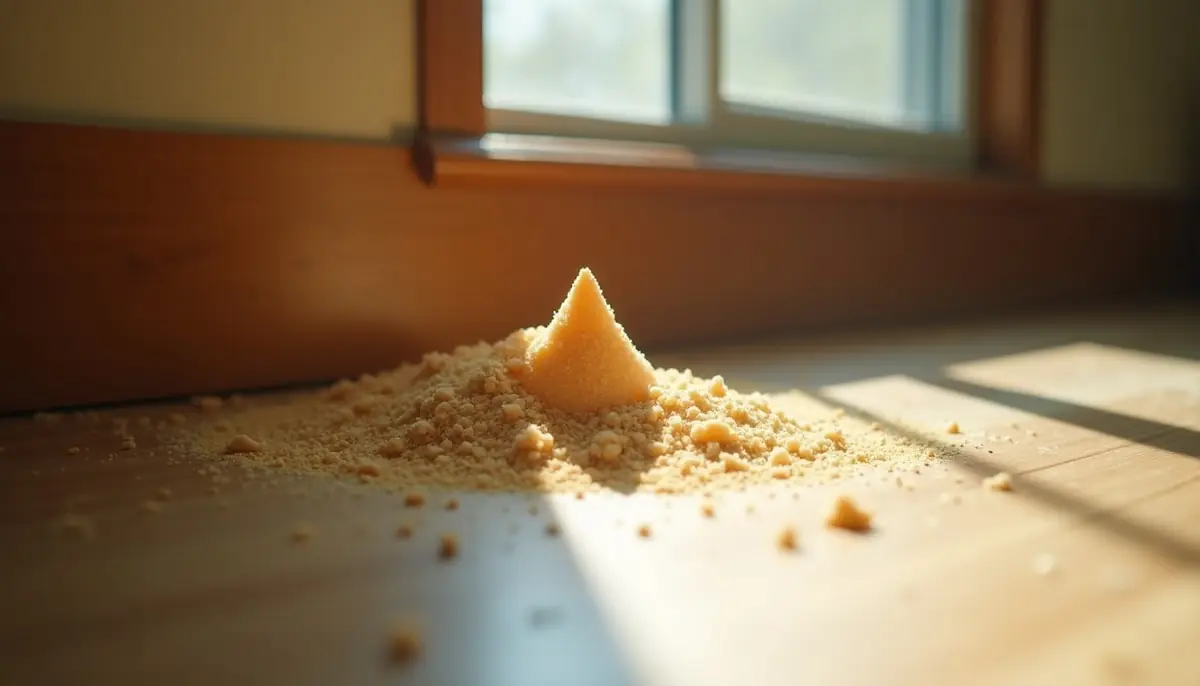
- Look below wood trim. Nebraska describes a cone-shaped pile of coarse sawdust just below the entrance hole, often with dead ants and insect parts. Inside a wall void you will not see it.
- Find the damp. Nebraska suggests a moisture meter for hidden wet wood, or a home inspector or pest professional who owns one.
How do you get rid of carpenter ants in the winter?
The method does not change with the season: treat the nest, then fix the moisture. Nebraska’s guidance is to puff an insecticide dust labelled for wall voids into the nest through the entrance hole, drilling small access holes if needed, and never to put water-based liquids inside walls, where they damage insulation, plasterboard and wiring. Penn State lists diatomaceous earth, silica aerogel and boric acid dusts as low-toxicity options. Follow the label.
Bait is a gamble at any time of year. Nebraska says baits usually are not successful because carpenter ants eat such a varied diet, and Penn State says ants frequently ignore them. In winter there is one point in bait’s favour: Nebraska notes that indoor workers foraging early in the season are drawn to water and sugary foods in kitchens and bathrooms, so a sugar-based ant bait on an active indoor trail at least meets them where they are.
Spraying the ants you see does little: Illinois guidance says only 10 to 15 per cent of workers forage at a time.
When winter calls for a professional
Penn State is direct: it is unlikely a satellite colony can be eliminated without one or more materials applied by professional pest management companies. Iowa State calls carpenter ants one pest for which professional treatment may be worth the extra expense, and also warns against two sales pitches: a year of monthly treatments as routine, and drilling and dusting every wall void without knowing where the nest is. A winter call makes most sense when you see winged ants indoors, find frass, cannot locate the nest, or have soft wood. Our flying ants guide separates ant swarmers from termites.
Why am I suddenly getting carpenter ants?
In late winter the usual reasons are a satellite nest warming up indoors, sunlight on a wall stirring dormant ants (Iowa State), or the early-spring pattern Nebraska describes, in which workers from an indoor colony start foraging before food is available outdoors. A colony also needs years to become noticeable: Nebraska says swarmers appear only once a colony is 6 to 10 years old with more than 2,000 workers. Our guide to bugs in the house in winter covers the other cold-month arrivals.
Frequently asked questions
Are carpenter ants dormant in winter?
Outdoor colonies are. Penn State says carpenter ants are inactive during the winter, and Illinois guidance says most colonies become dormant from about October to March. The exception is a nest inside a heated building, which can stay active all winter. A 1990 Virginia Tech study found overwintering nests full of larvae and winged reproductives, living on stored fat until spring.
What kills carpenter ants immediately?
A contact spray kills the ants it touches, but that is only the 10 to 15 per cent of workers out foraging, and the queen stays in the parent nest. Extension services, including Nebraska and Penn State, recommend a labelled insecticide dust puffed directly into the nest, which the ants walk through and carry deeper. Speed matters less than reaching the nest.
What month are carpenter ants most active?
May and June. Illinois guidance says colonies are active from March or April into September or October, and Nebraska says black carpenter ant swarms happen mostly from March to June. In our analysis of US iNaturalist records, carpenter ants peak in May and June at 161 and 165 per cent of their average monthly share, and hit their low in January at 37.
Are tiny ants in the house in winter carpenter ants?
Usually not if they are under a quarter of an inch. Penn State and Illinois give carpenter ant workers as 1/4 to 1/2 inch, and Nebraska up to 5/8 inch, with sizes varying within one colony. Small black ants in a kitchen in winter are often another species; check the waist and back profile in our ant identification guide.
Sources
- Iowa State University Extension and Outreach, Yard and Garden: Carpenter Ants in the Winter, Donald Lewis, 24 March 1993.
- Penn State Extension, Carpenter Ants (fact sheet).
- University of Nebraska Lincoln Extension, Carpenter Ants, G1738 (2019).
- Illinois Department of Public Health, Carpenter Ants: Prevention and Control, prepared with University of Illinois Extension.
- NC State Extension, Union County Center, Carpenter Ants, July 2021.
- Cannon, C. A., Demography, cold hardiness, and nutrient reserves of overwintering nests of the carpenter ant Camponotus pennsylvanicus, M.S. thesis, Virginia Tech, 1990.
- Oswalt, D., Nesting and Foraging Characteristics of the Black Carpenter Ant Camponotus pennsylvanicus, PhD dissertation, Clemson University, 2007.
- The Pest Control Brief analysis of iNaturalist research-grade records (genus Camponotus, US), pulled October 2026.