Carpenter Ants During the Day: What Daytime Activity Means

Carpenter ants are mostly night foragers, but seeing a few during the day is normal and does not by itself mean a nest in your house. Illinois public health officials say workers leave the nest about 15 minutes after sundown, and Nebraska Extension notes it is not uncommon to see them by day in warm weather. What changes the reading is the season: carpenter ants active indoors in late winter or early spring usually have a nest inside the building.
Why am I seeing carpenter ants during the day?
Usually for one of five reasons, and the month and the place tell you which.
| When and where you see them | Likely nest | Next step |
|---|---|---|
| Indoors by day in January to March, often at a sink, dishwasher or window | Inside the heated building, often a satellite nest in damp wood | Inspect for moisture and frass; this is the case for a professional |
| A few large workers indoors by day, only in warm months | Probably an outdoor colony sending scouts | Follow them after dark to find where they enter |
| A daytime trail along the foundation, a fence or a tree limb touching the roof | Outdoor parent colony in a tree, stump, log or woodpile | Trace the trail at night; prune limbs back at least 12 inches |
| Winged ants indoors in winter or early spring | A mature nest inside the structure | Note where they emerge, using our flying ants guide to confirm they are ants |
| Workers by day beside a pile of fibrous sawdust | A gallery directly above or behind the pile | Check the wood above the pile for slit-like openings |
Compiled by The Pest Control Brief from UF/IFAS Extension SP486, University of Nebraska Extension G1738, Penn State Extension, NC State Extension and the Illinois Department of Public Health.
The first row is the one that matters most. UF/IFAS says that if carpenter ant workers are found inside only in warm months they may be scouts from an outside nest, and Nebraska Extension says that in early spring, workers from an indoor colony may start foraging before food is available outdoors, turning up at water in kitchens and bathrooms. Our guide to carpenter ants in winter and what indoor activity means works through that case in detail.
Are carpenter ants active during the day?
Yes, but less than at night. Every extension source we read describes the same daily rhythm with slightly different hours:
| Source | Species | Daily timing it reports |
|---|---|---|
| Illinois Department of Public Health | Black carpenter ant | Most active at night; workers emerge about 15 minutes after sundown |
| Nebraska Extension G1738 | Black and red carpenter ants | Leave in late afternoon or early evening, forage through the night, return in the early morning; not uncommon by day in warm weather |
| Penn State Extension | Black carpenter ant | Workers usually emerge at night; search May to July between 10 pm and 2 am |
| UF/IFAS SP486 | Florida carpenter ant | Peak foraging just before sunset until two hours after, then again around dawn |
| NC State Extension | Carpenter ants in North Carolina | Greater at night when lights are off, but also found in the daytime |
Compiled by The Pest Control Brief from the named extension and public health sources.
Nebraska Extension adds that the number of ants on a trail depends on temperature, time of day, season and colony size, with most activity on warm nights. It also notes that carpenter ants navigate at night using chemical trails, physical edges and light from the moon, stars and artificial sources. The general reasons so many household pests keep night hours, from avoiding heat to avoiding predators, are in our piece on why bugs come out at night.
Can you see carpenter ants during the day? What our data show
Easily, and that is part of why people believe they are day insects. We timed 993 recent US research-grade iNaturalist records of the black carpenter ant (Camponotus pennsylvanicus) from June to August, using the local clock time of each photograph. Only 1 per cent were taken between midnight and 6 am, and 83 per cent between 7 am and 7 pm. The western carpenter ant (Camponotus modoc) was similar, at 89 per cent by day.
That is a record of when people are outside with cameras, not when ants are busiest. The same method can catch a night insect when people do see it at night: Formosan termite records were 81 per cent between 7 pm and 6 am, and Florida carpenter ant records, a species UF/IFAS describes as peaking around sunset, were 34 per cent at night. So daytime carpenter ants are real and common, but the busiest hours on a trail are the ones least photographed. The termite comparison is set out in our guide to flying ants and termites at night.
What do carpenter ants do during the day?
Most of the colony stays in the nest. Penn State describes adult workers enlarging the nest and feeding and caring for the queen and larvae, while foragers, by Nebraska Extension’s account, return to the colony in the early morning hours after a night out. Trail traffic by day is therefore a thinner version of the night shift.
Ants do have measurable rest periods, which our article on what researchers have measured about ant sleep covers.
Daytime foragers indoors are usually after water or sugar: NC State notes workers foraging for water around sinks, dishwashers and showers from early spring. What they collect at other times of year is in our guide to what ants eat and why it changes.
Do carpenter ants hide during the day?
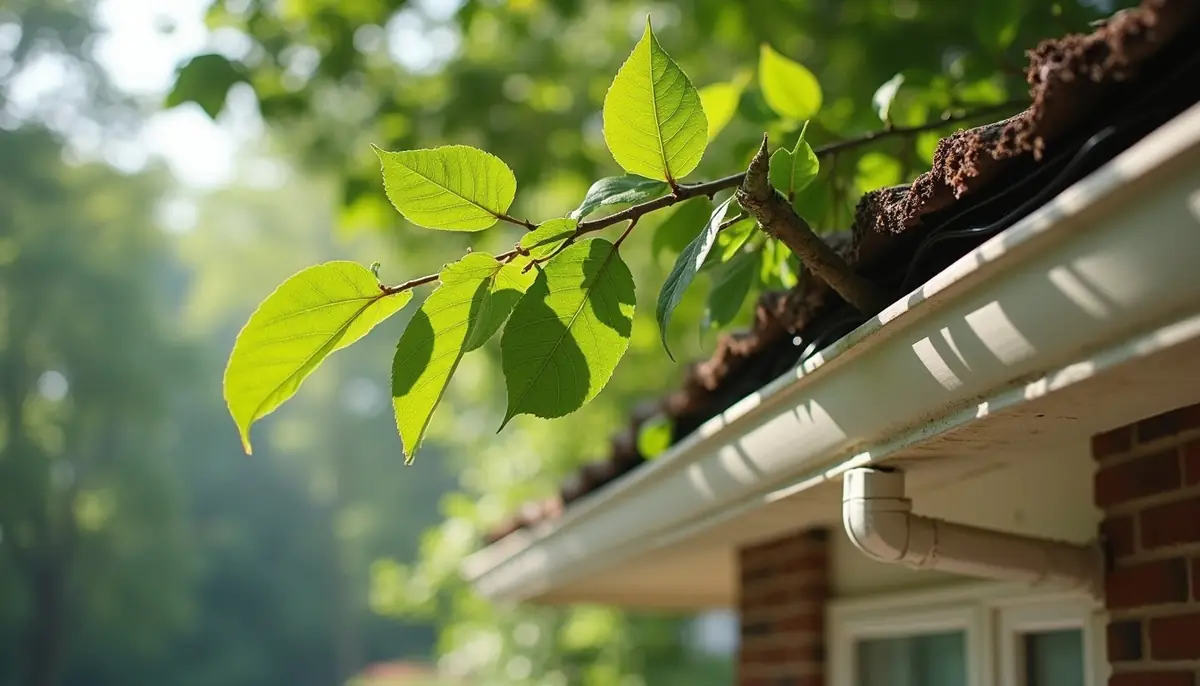
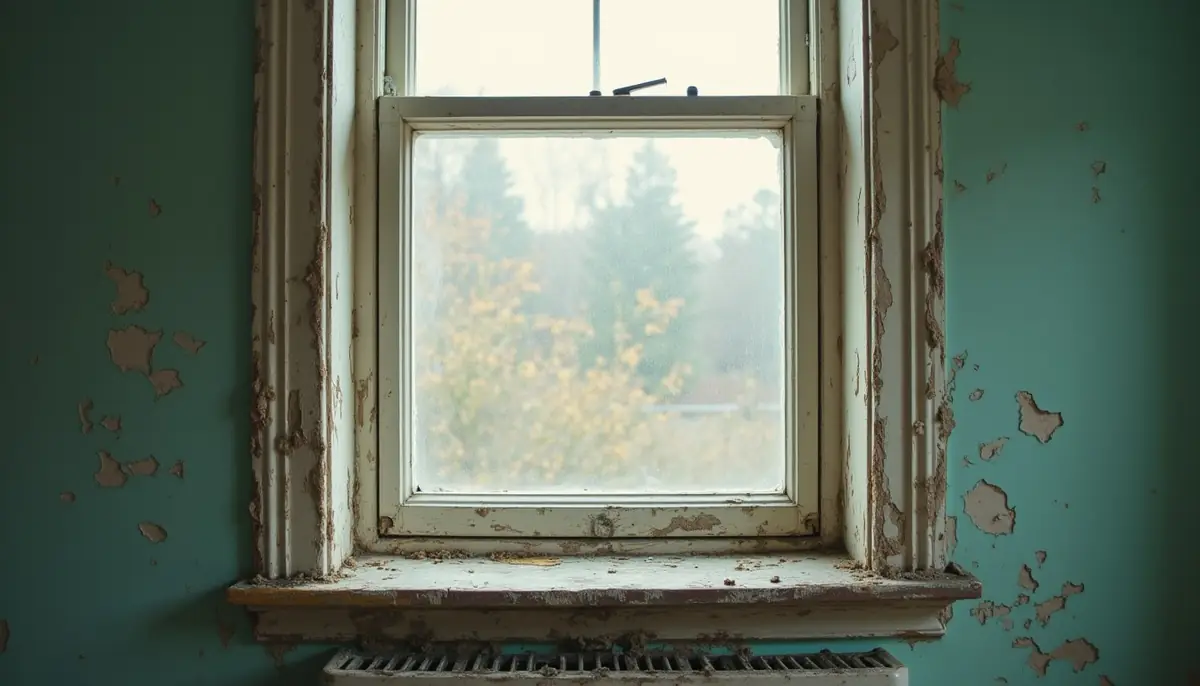
Yes, in the nest or in wall voids, where Nebraska Extension says they follow utility lines. Penn State lists the usual indoor nest sites: porch pillars and supporting timbers, sills, girders, joists, wall studs, window and door casings, and under insulation between joists or studs, especially where wood is damp from a leaking roof, defective flashing or gutters.
How big are the ants you are seeing?
Size helps more than colour. Carpenter ant workers come in several sizes in one colony, so a mix of large and small black ants on one trail is normal, and NC State calls the size classes major, media and minor workers.
Penn State gives black carpenter ant workers as 1/4 to 1/2 inch, so a large black ant of that size on a kitchen counter by day is a strong hint. UF/IFAS adds two checks under a magnifier: a single node in the waist and a circular ring of hairs at the tip of the abdomen. Our ant identification guide covers the look-alikes.
Why am I suddenly getting carpenter ants?
Usually because the season turned. The Illinois Department of Public Health says colonies become active in March and April and stay active through early fall. A warm spell brings an indoor satellite nest to life, and its foragers appear in daylight before outdoor colonies are moving.
The other triggers are structural. Satellite nests are most common indoors, Nebraska Extension says, while the parent colony, which needs steady moisture, is usually outdoors; Penn State puts it in a tree, log or waste wood within 100 yards. UF/IFAS reports satellite nests founded 20 to 100 feet from the parent nest. Tree limbs touching the roof, firewood stacked against the house and wet wood around windows, chimneys and skylights all shorten the trip.
How to find the nest: follow them at night
- Pick the right hours. Penn State suggests checking the basement, attic, garage and exterior from May through July between 10 pm and 2 am, with a torch.
- Lay a lure. UF/IFAS suggests sugar water, honey or dead insects along a trail; NC State uses honey in water in bottle caps along the foundation after sunset.
- Follow the loaded ants. Ants carrying food head home. Look for denser traffic as you get closer, and for ants disappearing into a gap, outlet or crack.
- Look for frass. Piles of coarse, stringy wood particles mixed with insect parts mark a gallery. Our guide to reading a carpenter ant frass pile shows how to use one to locate the nest.
- Do not spray what you see. NC State warns that spraying foraging ants indoors repels them elsewhere and they return when the residue fades.
Once a nest is found, treatment is targeted at it, and both the parent and satellite nests must go: Penn State says otherwise the ants reappear in a few days or weeks. Our step-by-step guide to getting rid of carpenter ants by finding the nest first covers baits, dusts and the moisture repair.
When the nest is inside a wall or cannot be found, a licensed professional is usually the faster route; our ant exterminator cost guide lists published estimates of $250 to $500 for a standard carpenter ant job and up to $1,500 for an established or hidden colony.
Frequently asked questions
Are carpenter ants active during the day?
Yes, though they forage mostly at night. Nebraska Extension describes them as generally nocturnal in warm weather but notes it is not uncommon to see them by day. Illinois public health officials say workers emerge about 15 minutes after sundown, and Penn State suggests searching between 10 pm and 2 am from May to July.
Why am I seeing carpenter ants during the day?
Usually because a nest is close by: Nebraska Extension notes daytime sightings are not uncommon even for this mostly nocturnal ant. If it is late winter or early spring and the ants are indoors, the nest is probably inside the heated building. In summer, a few workers indoors may be scouts from an outdoor colony, according to UF/IFAS.
Do carpenter ants sleep during the day?
Not in the human sense. Most of the colony stays in the nest by day, caring for brood and enlarging galleries, and foragers rest there between trips. Nebraska Extension describes foragers returning to the colony in the early morning after a night of foraging, which is why daytime trails are thinner than night ones.
Does seeing carpenter ants in the day mean an infestation?
Not on its own. Penn State notes that large wingless ants inside are usually the first sign of a problem but do not necessarily mean a nest is indoors, because foragers travel from outside for food and water. Winged ants indoors, frass piles or steady activity in winter are the stronger signs of a nest in the structure.
Sources
- Illinois Department of Public Health. Carpenter Ants, environmental health fact sheet.
- University of Nebraska Extension. Carpenter Ants, G1738.
- Penn State Extension. Carpenter Ants.
- NC State Extension. Biology and Control of Carpenter Ants.
- Vazquez RJ, Koehler PG, Pereira RM, Warner J, Scheffrahn RH. Florida Carpenter Ants, SP486C. UF/IFAS Extension, 2013, revised 2022.
- The Pest Control Brief analysis of iNaturalist research-grade records, hour-of-day sample pulled November 2026.