Bees in Your Wall: How to Tell, Who to Call, What Not to Seal
If bees are flying in and out of your wall, do not seal the hole or spray it: identify the insect first, then call a beekeeper or bee removal specialist for honey bees, or a pest professional for yellowjackets. Bees trapped behind a blocked entrance can emerge indoors, according to Texas A&M, and Penn State warns yellowjackets can chew through interior sheetrock. An established honey bee colony usually needs its comb and honey taken out, because what stays behind causes the later trouble.
Which insect is at the gap?
Watch from a distance on a warm afternoon: the insect decides who you call and whether you can seal the gap.
| Insect | What you see at the opening | Size of the nest | Does it last? | Seal it now? | Who deals with it |
|---|---|---|---|---|---|
| Honey bee | About 2/3 inch, hairy, steady traffic through a crack or gap, often with pollen loads on the hind legs | Up to 60,000 workers in a healthy colony; wax comb | Year after year | No. Only after the comb is out | Beekeeper, bee removal specialist or licensed pest professional |
| Yellowjacket | About 1/2 inch, smooth, narrow waist, no pollen baskets, flying directly in and out of one spot | 1,500 to 15,000; grey paper | Normally one season | Never while active | Pest professional; see yellowjacket removal and wasp nest removal costs |
| Carpenter bee | 3/4 to 1 inch, shiny black abdomen, a near-perfect 1/2 inch round hole drilled in bare wood | Tunnels, not a wall colony | Reuses wood over the years | Not right away if you are treating; plug later | Often DIY; see carpenter bee damage |
| Mason bee | Small bee in spring, using a crack just wider than its body, sometimes capped with mud | Solitary; each female has her own tunnel | Weeks in spring | After the season ends | Usually nobody. Mason bees rarely sting |
Compiled by The Pest Control Brief from Clemson Extension, Texas A&M AgriLife ENTO-PU-166, UC IPM Pest Note 7450, Penn State Extension, Virginia Tech ENTO-151 and NC State Extension. If you cannot get a clear look, a phone photo taken from a safe distance and our wasp versus bee guide will usually settle it. A loose ball of bees hanging on the outside of a wall is a different event: see bee swarms.
The calendar helps too. The chart below shows when US records of these insects occur, relative to everything else people photograph.
Mason bee records run at 393 on the index in March and 352 in April, then fall to 4 or lower from August to December. An insect working a wall gap in October is therefore very unlikely to be a mason bee. Yellowjacket records reach 251 that month, their annual peak. Clemson adds a useful winter test for its region: in South Carolina, the honey bee is the only stinging insect that can normally overwinter as a colony inside a wall.
Why sealing and spraying backfire
Three extension services oppose sealing while the insects are active. NC State calls plugging the entrance ineffective, because bees search for another way out through baseboard gaps, outlets and vents, and may end up in the house. Texas A&M says trapped bees may emerge inside the building. Penn State’s wording on yellowjackets is the strongest: never try to control them by plugging the opening, because they can chew through interior sheetrock.
Spraying into the hole has its own problems. Texas A&M points out a nest may be several yards from the entrance, so products applied there often fail to kill the colony, and that killing the bees can make the nest harder for a professional to locate. Immature bees in the comb can keep emerging for up to 10 days after treatment. It also warns against fumigants or anything flammable in a structure, because of fire and explosion risk.
The sources do differ on DIY. NC State gives homeowners directions for labelled aerosol bee and wasp sprays and says it is legal to use insecticides on hives established in structures. Texas A&M says the job is best left to experts, and UF/IFAS says untrained people should not attempt colony removal. The sources agree on the part that matters most: killing the bees does not finish the job, because the comb and honey remain, now contaminated. Clemson says a pesticide contaminates any honey stored in the wall, and Texas A&M says honey or wax from a treated nest is unsuitable for human use.
The clock on an established colony
How long the bees have been in the wall sets how big the job is. No single source lays this out, so we have put the published thresholds side by side.
| Time in the wall | What is inside | What the guidance says | Source |
|---|---|---|---|
| A day or two | Little or no comb | A qualified person can inject an insecticide into the void | University of Georgia; Clemson (“a day or so”) |
| More than a few days | Comb, brood and honey building up | Injecting and leaving is risky; the job gets harder | Clemson |
| Two to three weeks or more | Enough wax and honey to matter | Consider opening the space to remove them | NC State |
| By the end of spring | As much as 40 pounds of honey | Stored honey and wax create the risk if the hive is killed | NC State |
| Five to six years | A mature nest, likely with a succession of queens | Mean lifespan of established wild colonies; see below | Seeley 2017, New York |
Compiled by The Pest Control Brief from the named sources. NC State notes swarms usually move in during April and May, so bees you first notice in late summer have probably been there since spring.
Your four options for honey bees
| Option | What happens | How long | What stays behind |
|---|---|---|---|
| Live cut-out | Wall opened, comb cut out, bees vacuumed into a hive (University of Georgia) | Allow a few days after for returning foragers before repairs (UF/IFAS) | Nothing if done fully, though some straggler bees are normal |
| Kill and neutralise | Licensed treatment, then all bees, comb and honey physically removed (Clemson) | Clemson suggests leaving the void open a couple of weeks to dry | Nothing, after a soapy wash-down |
| One-way trap-out | Cone escape over the entrance and a hive beside it, recommended by Clemson for stucco, brick or cement walls when there is no hurry | About 2 to 3 months, and sometimes unsuccessful | The comb, which can attract another swarm. NC State says trapping rarely removes all bees |
| Leave them | University of Georgia says this may be best where the entrance is remote from people and pets, such as a roof peak | Open-ended | The whole nest, and the comb problem if the colony later dies |
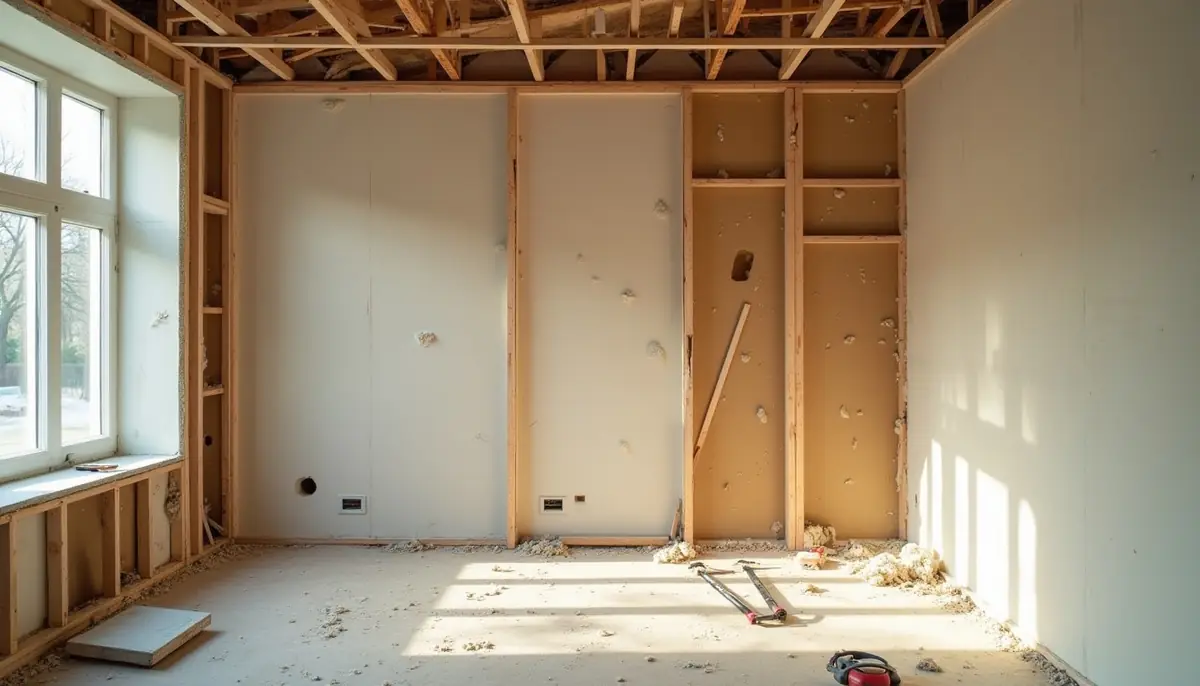
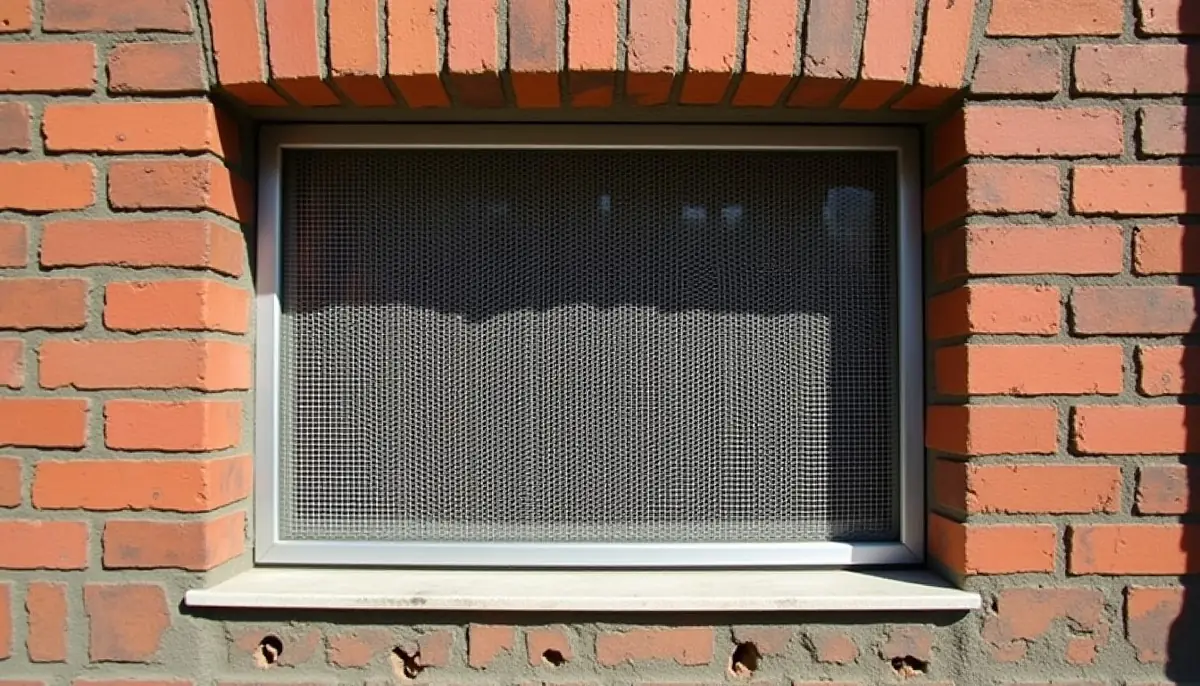
Clemson’s closing steps are the detail that most quotes leave out: wash the cavity with soapy water to remove colony odour, leave it open to dry, then fill the void with spray foam or fibreglass batts before closing the wall, and seal every entry. Texas A&M advises screen mesh under 1/8 inch for holes needed for air flow, including weep holes in brick.
Finding the nest
A buzzing wall is one of the signs people notice first, and University of Georgia lists the sound as a nuisance in its own right. Clemson’s method is a late evening check of heat and noise: a stethoscope or careful listening traces the outline of the colony, and a light tap on the wall with a screwdriver or hammer raises the noise. Texas A&M adds that bees can sometimes be located by the warmth they generate. Treat this as a way to give a contractor a starting point. Do not open the wall yourself, because the colony will defend its nest.
Who to call, and what your state may require
- Anywhere: your county Extension office, which Georgia and Clemson both name as a referral route to local beekeepers. University of Georgia warns many pest control firms avoid these jobs because of the expertise and liability, so ask directly.
- Texas: anyone you pay to remove a nest must be a registered beekeeper or a licensed pest control professional, and the Texas Apiary Inspection Service keeps a removal list without endorsing anyone on it. Extension, the inspection service and fire departments generally do not do the work themselves. Killing a managed colony without the owner’s permission is illegal.
- Florida: UF/IFAS says a state-registered beekeeper or licensed pest control operator may do live removals, under a rule created in 2013, but only a licensed operator may eradicate a colony.
- Other states: rules vary and we have only verified these two. Your state apiary inspector or department of agriculture can confirm.
Before you agree a price, and our bee removal cost page covers the figures, ask four things. Will all comb and honey come out? Who repairs the wall, since NC State notes repair may not be in the contract and Texas A&M says most firms refer it to a contractor? How will the entry be sealed? What happens with stragglers in the days after?
If anyone in the household has had a serious reaction to a sting, keep clear of the entrance and speak to a doctor. In Texas, where Texas A&M assumes most feral colonies carry some African ancestry and may be aggressive, it advises that colonies near confined animals be killed and removed immediately.
Frequently asked questions
What to do if bees are in your walls?
Keep the entrance open and stay clear of it, identify the insect, then call a beekeeper, bee removal specialist or pest professional. Texas A&M warns that blocked bees may emerge inside the building. Your county Extension office can often give local referrals, and in many cases the comb will need removing as well as the bees.
How to get rid of bees in wall?
Established honey bee colonies are removed by opening the wall, cutting out all comb, honey and bees, washing the cavity, filling it with insulation and sealing every entry. Clemson calls this stage neutralisation. Where walls cannot be opened, a one-way bee escape takes about 2 to 3 months and leaves the comb behind.
Why do bees nest in walls?
Honey bees are cavity nesters, and wall voids offer protected space. Seeley’s 1977 study found natural nests mostly fall between 20 and 100 litres, and that swarms prefer a 40 litre cavity over 10 or 100 litres. University of Georgia adds that voids are especially attractive if they have held bees before, and Texas A&M says traces of old comb are highly attractive.
Do bees in walls cause damage?
Not directly: NC State says honey bees cause no direct structural damage. The harm comes from the stores. Honey can ferment and discolour walls, and Clemson warns it can ooze through walls or ceilings when comb melts in hot weather. Leftovers can also attract ants, cockroaches, wax moths, mice and carpet beetles.
How long can bees live in walls?
For years. In Seeley’s 2017 New York study, where 39 per cent of nest sites were in buildings, established wild colonies had a mean lifespan of 5 to 6 years and 84 per cent survived each winter. First-year colonies did far worse, at 23 per cent. Sites also get reused: 21 of 31 vacated sites were reoccupied, 16 in the first summer after.
Sources
- NC State Extension, Honey Bee Removal From Residential and Commercial Sites (reviewed 2024).
- Texas A&M AgriLife Extension, Honey Bees In and Around Buildings, ENTO-PU-166 (Merchant and Keck, 2017).
- Clemson Cooperative Extension, Honey Bee Colony Removal From Structures (read via an archived copy from September 2023; the live page has moved).
- University of Georgia Bee Program, Honey bee swarms and bees in walls (Delaplane, update of circular 824).
- UF/IFAS, Best Management Practices for Live Bee Removals in Florida: A Beekeeper’s Guide; UF/IFAS Polk County, Important Beekeeping Regulations (2025).
- Penn State Extension, Eastern Yellowjacket; German Yellowjackets; Carpenter Bees.
- University of California Statewide IPM Program, Pest Notes: Yellowjackets and Other Social Wasps, Publication 7450.
- Virginia Tech Extension, Native and Solitary Bees in Virginia, ENTO-151.
- Seeley T.D., Life-history traits of wild honey bee colonies living in forests around Ithaca, NY, USA, Apidologie, 2017.
- Seeley T., Measurement of Nest Cavity Volume by the Honey Bee, Behavioral Ecology and Sociobiology 2: 201 to 227, 1977.
- The Pest Control Brief analysis of iNaturalist research-grade records, pulled October 2026.