What Attracts Rats to Your Home and Yard
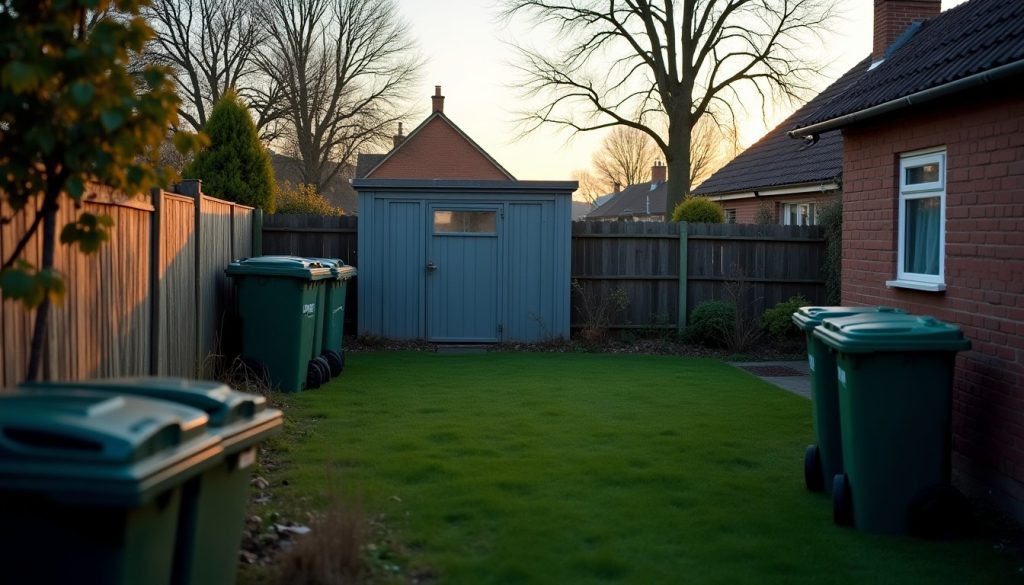
Rats are attracted by food they can reach every night, water, and cover close to the ground: rubbish and compost, pet food and dog droppings, birdseed, fallen fruit and nuts, woodpiles, ivy and dense shrubs, and soil beside a foundation they can burrow into. Norway rats burrow and want grain, meat and food waste; roof rats climb and want fruit, nuts and snails. Unlike mice, rats need to drink, and both species are wary of anything new, so what keeps them coming is a reliable routine, not one dropped meal.
The two rats that live around American homes want different things. Most advice merges them, which is why people clear their rubbish and still find rats in the orange tree, or prune the ivy and still find burrows under the shed. This guide sorts each attractant by species, tests the rubbish claim against our New York complaint data, and explains why rats sometimes seem to appear overnight.
What attracts rats, and the fix for each
| Attractant | Which rat | Why it works | Fix |
|---|---|---|---|
| Rubbish and food waste | Mainly Norway rat | Norway rats accept whatever food is abundant, including waste around untidy properties | Bins with tight lids, cleaned of grease films; frequent collection |
| Pet food fed outdoors | Both | A ready nightly supply | Feed only what the pet eats at one sitting; store food in rodent-proof containers |
| Dog and cat droppings | Both | UC IPM states rats will eat faeces | Pick up daily, with gloves |
| Birdseed and feeders | Both | Spilled seed under feeders; seed sacks in garages | Feeders away from the house, seed in metal cans |
| Fallen fruit and nuts | Mainly roof rat | Fruit, tree nuts and berries are the roof rat’s preferred food | Pick up fallen fruit and nuts; harvest promptly |
| Compost with meat, fish or eggs | Mainly Norway rat | Rats burrow beneath or around such piles | Keep those scraps out; use a rigid lidded bin |
| Woodpiles, rubbish piles, sheds | Norway rat | Burrows are found beneath rubbish and woodpiles and along foundations | Raise and move stacks, clear debris, gravel strip at foundations |
| Ivy and dense vegetation | Mainly roof rat | Both species are highly attracted to dense, low vegetation; climbing ivy suits roof rats | Thin or remove ivy and climbing hedges, prune shrubs 2 feet from buildings |
| Trees touching the roof | Roof rat | A bridge to the attic | Cut limbs back 6 feet from the roof |
| Water | Both | Rats need about half to one fluid ounce a day on dry food | Fix dripping taps and leaks, empty standing water |
| Gaps, drains and sewers | Norway rat mostly | Rats get under a door with a half-inch gap and can enter through broken drains and toilets | Seal holes over a quarter inch; repair drains |
Rows draw on UC IPM’s Pest Notes on rats, the Los Angeles County yard bulletin and the Illinois Department of Public Health rat fact sheet. The species column decides where you look first.

Norway rats and roof rats want different things
| Norway rat | Roof rat | |
|---|---|---|
| Preferred food | Cereal grains, meat, fish, nuts, some fruit | Fruit, tree nuts, berries, slugs, snails, young birds and eggs |
| Where it nests | Burrows along foundations, under rubbish and woodpiles, in gardens | Attics, wall and ceiling voids, cabinets, trees, ivy and dense shrubs |
| Floor of a building | Basement and ground floor | Upper floors |
| Nightly range | 100 to 500 feet from the nest | Routinely up to 300 feet or more for food |
| Movement | The stronger swimmer | The better climber |
| Typical yard clue | Burrows under the shed, compost or slab | Hollowed oranges, chewed lemon rinds on the tree |
UC IPM describes the roof rat’s signature clearly: when feeding on mature oranges they usually make small holes and remove the contents, leaving hollowed-out rinds hanging on the tree, and they often eat lemon rinds and leave the flesh. Our guide to roof rats covers that species in depth. Droppings separate the two quickly too: see our droppings identification guide.
Food: what attracts rats most
The Illinois Department of Public Health says rats will eat nearly any type of food but “prefer high-quality foods such as meat and fresh grain.” The University of Nebraska wildlife damage handbook adds that rats prefer fresh, high-quality foods and will reject spoiled or inferior food when given a choice. Food waste attracts them because it is plentiful and dependable, not because rats prefer rotten food.
Pet food, dog waste and birdseed
UC IPM warns that where dogs are kept and fed outdoors, rats can become a problem if there is a ready supply of dog food, and advises cleaning up faeces from dogs, cats and other animals “since rats will eat feces.” Los Angeles County lists bird seed, snails, garden vegetables and dog droppings as rodent foods. The Illinois fact sheet says to store bulk foods, bird seed and dry pet food in metal cans with tight lids. CDC advises keeping bird feeders away from the house.
Fallen fruit, nuts and gardens
Los Angeles County names oranges, avocados, peaches, lemons and figs, and says rats are fond of walnuts, almonds and peanut butter; it tells residents to remove fallen fruit and nuts regularly. A fruiting tree that drops for weeks is a steady supply for roof rats ranging 300 feet or more from a neighbour’s garden.
Compost
UC IPM notes that rats occasionally burrow beneath or around compost piles, “particularly if residents add meat, fish, eggs, or eggshells.” Keeping those items out and using a rigid lidded container is the fix; UC IPM cautions that rats can gnaw through plastic.

Does rubbish really attract rats? What New York’s data shows
Rubbish matters, but less tightly than people assume. In our analysis of 153 New York zip codes, dirty condition complaints and rat complaints had a rank correlation of 0.73. Yet total 311 complaints of every kind, from noise to potholes, tracked rat complaints slightly more closely, at 0.76, which means much of the link is that some neighbourhoods report everything more. Comparing shares instead of counts, the trash relationship falls to 0.33. Missed collections barely registered.
The reading in our trash and rats analysis is that persistent conditions (overflowing bins, accumulated waste) support a rat population, while a one-off late collection does not. That matches UC IPM’s emphasis on ongoing sanitation and keeping receptacles clean of food residues, full or empty. New York’s 311 records also hold 44,901 complaints about conditions attracting rodents, the complaint type about rubbish, harbourage and food waste rather than a sighting, which we cover in our rodent complaint analysis.
Water: the attractant that matters more for rats than mice
The Illinois Department of Public Health states that rats require half to one fluid ounce of water daily when feeding on dry food. House mice, by contrast, can live with little or no free water, which we set out in what attracts mice. Dripping taps, leaking irrigation, pet bowls and ponds all count. UC IPM lists drowned rats in a swimming pool or hot tub among the signs of a rat problem.
Shelter: burrows, woodpiles and ivy
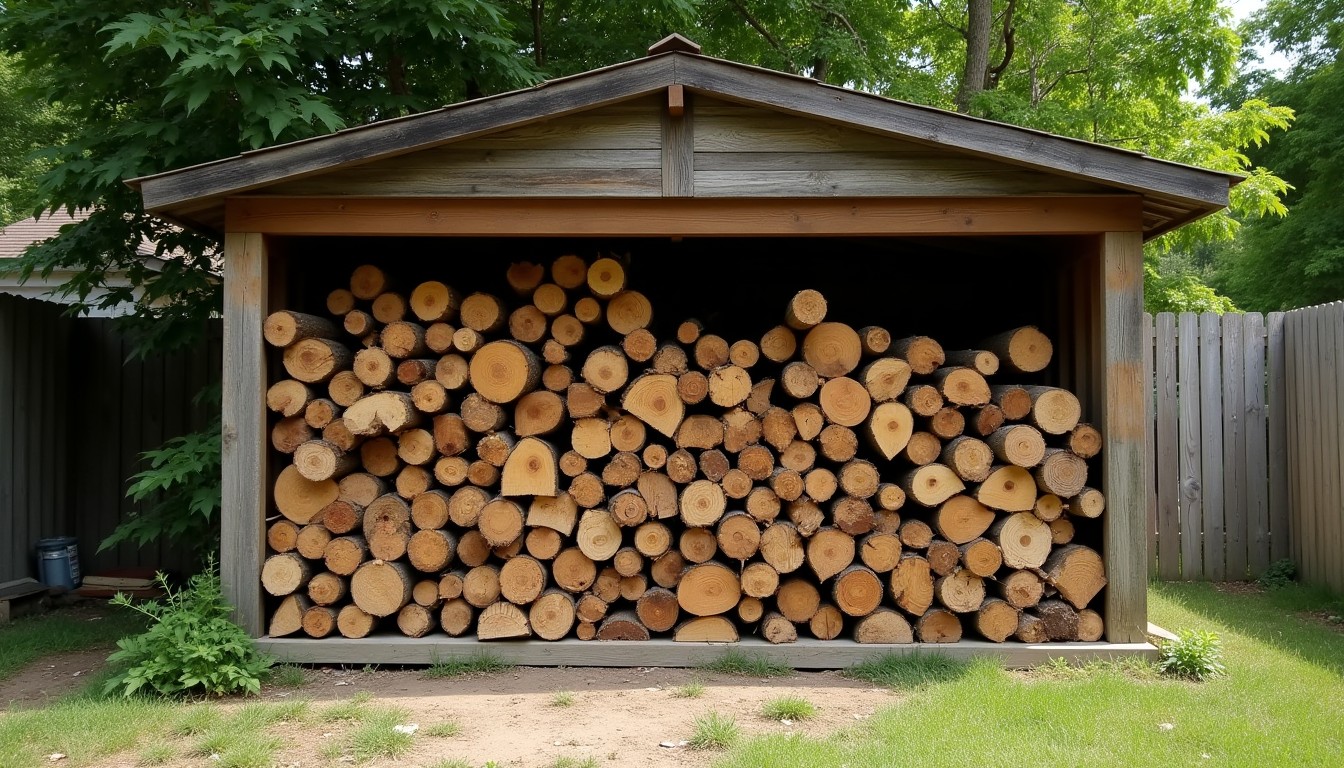
UC IPM says Norway rat burrows “may be found along building foundations, beneath rubbish or woodpiles, and around gardens and fields,” and that both rat species are “highly attracted to vegetation that is dense or close to the ground.” For roof rats it singles out climbing hedges such as Algerian or English ivy, star jasmine and honeysuckle on fences or buildings, and says overhanging limbs within 6 feet of roofs should be removed. Los Angeles County adds the dead fronds of palm trees and bougainvillea as roof rat harbourage, and recommends raising stored items and firewood at least 18 inches off the ground and 12 inches from walls and fences.
For Norway rats burrowing beside a foundation, the Nebraska handbook describes a gravel strip at least 2 feet wide and 6 inches deep, using stone at least 1 inch across, to reduce burrowing next to buildings.
Where Norway rats are recorded most
Our analysis of iNaturalist research-grade records, adjusted for how much people record in each state, puts New York far ahead at 6.9 Norway rat records per 10,000 observations (2,503 records), then Massachusetts at 2.65 and Rhode Island at 2.48. Northeastern states dominate. These are photographed sightings, mostly outdoors, not infestation rates.
Why do rats suddenly appear?
Rats rarely arrive from nowhere. The usual triggers are a new food source, the season, or disturbance nearby.
- Season. In our analysis of Chicago’s 311 data, rat complaints run at 147 in July on an index where the average month is 100, against 56 in December. New York’s curve has the same shape, 129 in July against 59 in December.
- Demolition or construction nearby. The Virginia Department of Health warns that demolishing a building that harbours rats “can cause infestations in neighboring properties.” Philadelphia requires a rodent control management plan before any demolition, full rehabilitation or new construction with excavation.
- A neighbour’s change. A new compost heap, a fruit crop, outdoor pet feeding or a neighbour’s rat control can shift rats your way. Roof rats may live in one garden and feed in another.
- Drain and sewer problems. UC IPM notes rats can enter buildings by swimming through sewers and entering through toilets or broken drains, which we cover in can rats swim up toilets.
Raw iNaturalist records add a second view. US Norway rat records climb from 397 in January to 710 in April and peak at 760 in September, while roof rat records peak at 405 in October. Raw counts partly reflect how many people are out recording, but the spring rise matches the complaint data.
Are rats attracted to light?
No, and light does not keep them away either. Rats are mostly nocturnal: Los Angeles County says most activity runs from about half an hour after sunset to half an hour before sunrise. A 2019 study in Scientific Reports on wild-caught roof rats found that light made them warier, with 53 per cent fewer visits to a test maze, 70 per cent less exploration and 40 per cent slower movement, but it “did not alter rats’ foraging behaviour.” Security lights will not draw rats in, and they will not stop rats eating.
Do rats come back to the same house?
They do if the attractants remain. UC IPM is blunt: if sanitation is not maintained, “the benefits of other measures will be lost, and rats will quickly return.” The Nebraska handbook lists a small area of control, which lets rats move in from adjacent areas, among the reasons control fails. Rats also memorise pathways, food, water and shelter in their surroundings, UC IPM notes, so a property that fed them before stays on the route. Sealing entry points is what stops the same house being reused.
How to make rats go away
- Remove the routine. Bins with tight lids, pet food in at night, fallen fruit and droppings picked up, birdseed stored in metal.
- Take away cover. Thin ivy and dense shrubs, raise woodpiles, clear rubbish and old materials.
- Seal the building. UC IPM says all holes larger than a quarter inch should be sealed to exclude both rats and mice; vents need half-inch galvanised mesh, never chicken wire. Our guide to rodent exclusion materials covers what holds.
- Trap rats that are already there. Use rat-sized snap traps in secluded spots along travel routes.
- Skip repellents. The Nebraska handbook says chemical repellents are seldom practical for rat infestations, and UC IPM says rats quickly become accustomed to repeated sounds, making ultrasonic devices ineffective.
Rats in the walls or attic, burrows undermining a slab, or rats in a multi-unit building are usually jobs for a licensed professional, and rodenticides should only be used exactly as the label directs. Typical prices are in our guide to rodent removal costs.
What attracts rats to a trap
UC IPM suggests nuts, dried fruit, bacon or a piece of dry pet food, fastened to the trigger with string or fine wire, or a soft bait such as peanut butter, always in a pea-sized amount. The Nebraska handbook says foods the rats are already eating are often a good choice. Placement matters more than bait: UC IPM says finding the best locations may be more important than the type of trap.
The obstacle is caution. UC IPM says rats “quickly detect and tend to avoid new objects and new foods,” often avoiding traps for the first several days and maybe weeks, and that this neophobia is thought to be stronger in roof rats. Los Angeles County’s advice is to leave traps baited but unset for several days and set them only after the bait has been taken.
Frequently asked questions
How to make rats go away?
Remove what feeds and shelters them, then seal the building and trap the rats already present. That means lidded bins, no pet food left out, fallen fruit and dog droppings picked up, birdseed in metal cans, ivy thinned and woodpiles raised. UC IPM says to seal every hole over a quarter inch. Repellents and ultrasonic devices are not effective, and a large or indoor infestation usually needs a licensed professional.
What smells attract rats?
Food smells: grain, meat and fish for Norway rats, and fruit and nuts for roof rats. Los Angeles County says rats are fond of walnuts, almonds and peanut butter, and UC IPM lists compost containing meat, fish or eggs and dog faeces as attractants. For traps, UC IPM suggests nuts, dried fruit, bacon, dry pet food or peanut butter in a pea-sized amount.
Why do rats suddenly appear?
Usually a change: a new food source such as a fruit crop, compost or outdoor pet feeding, the warm-season build-up, or disturbance nearby. Our analysis of Chicago 311 data shows rat complaints peaking in July at 147 against 56 in December on a monthly index. The Virginia Department of Health warns that demolishing a building with rats can cause infestations in neighbouring properties. Broken drains can also let rats in.
How to attract rats quickly?
Use the food they are already eating, in a quiet spot along the route they travel, and give them time. Rats avoid new objects for several days or longer, so Los Angeles County advises leaving baited traps unset for several days and setting them once the bait is taken. UC IPM suggests nuts, dried fruit, bacon, dry pet food or peanut butter as bait.
Sources
- University of California Statewide IPM Program, Pest Notes: Rats, Publication 74106, Quinn (revised from Timm, Salmon and Marsh).
- Internet Center for Wildlife Damage Management, Norway Rat Damage Prevention and Control Methods, from Prevention and Control of Wildlife Damage, University of Nebraska, 1994.
- Illinois Department of Public Health, Rat Fact Sheet: Norway Rats.
- Los Angeles County Department of Public Health, Environmental Health, Are You Attracting Rats and Mice to Your Yard?
- Centers for Disease Control and Prevention, How to Seal Up to Prevent Rodents.
- Virginia Department of Health, Norfolk, Rat-Free Pre-demolition Inspection.
- City of Philadelphia, Department of Licenses and Inspections, rat abatement regulations, A-1101.2, 2022.
- Farnworth, Meitern, Innes and Waas, Increasing predation risk with light reduces speed, exploration and visit duration of invasive ship rats, Scientific Reports 9, 2019.
- The Pest Control Brief, Does Trash Predict Rats? and Rat Complaints in New York and Chicago, analyses of NYC and Chicago 311 service requests, 2026.
- The Pest Control Brief analysis of iNaturalist research-grade records, pulled October 2026.