Spider Control Cost 2026: Why Treating Spiders Rarely Works
Spider treatment costs $100 to $500, averaging $175 one-time. Spiders do not take bait and follow their food, so the insects are the real target.
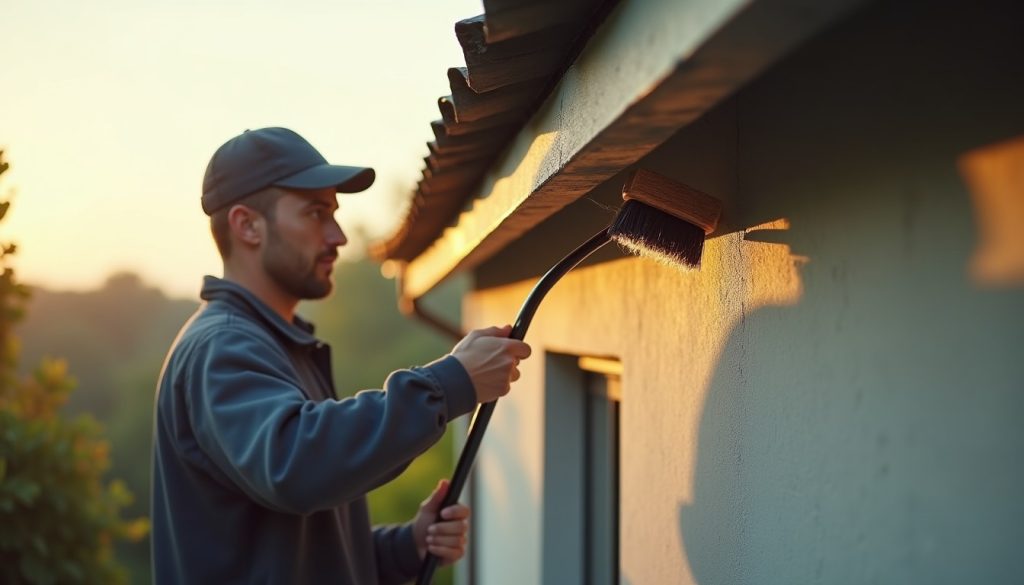
Spider extermination costs $100 to $500 with a national average near $175 to $300 for a one-time treatment. Ongoing plans that include spiders run $40 to $70 per monthly visit, and annual contracts cost $400 to $1,000. Spiders are one of the few pests where treating the spider itself is usually the wrong approach.
Spiders are predators. They settle where there is prey, which means a spider problem is almost always a symptom of an insect problem. Companies that quote a spider treatment without mentioning that are selling you the visible half of the job.
What spider treatment costs in 2026
| Service | Cost | Notes |
|---|---|---|
| One-time treatment | $100 to $300 | National average around $175 |
| Overall reported range | $100 to $500 | Average around $300 for a home |
| Monthly plan visit | $40 to $70 | Spiders bundled into general pest service |
| Annual contract | $400 to $1,000 | Ongoing prevention |
Contractor-reported ranges compiled by home services marketplaces in 2026. No federal price index exists for pest control services.
Why killing spiders does not fix a spider problem
Spiders do not eat bait, which removes the most effective tool used against ants and cockroaches. They also make limited contact with treated surfaces, since many species sit in a web rather than walking across skirting boards. Residual sprays therefore work less reliably on spiders than on crawling insects.
What does work is removing the food supply. A house with a heavy population of small flying and crawling insects supports spiders. Reduce the insects, particularly around exterior lighting and entry points, and the spider population follows within weeks.
This is why spiders are usually treated as part of a general pest programme at $40 to $70 a visit rather than as a standalone job at $175. If a company proposes a spider-only treatment with no reference to the underlying insect pressure, ask what it expects to change.
What treatment actually involves
| Element | What it does | Why it matters |
|---|---|---|
| Web removal, de-webbing | Physically clears webs and egg sacs | The most immediately effective step |
| Exterior perimeter treatment | Residual band around the foundation | Intercepts spiders and their prey |
| Eaves, soffits and light fittings | Treats and clears harbourage | Where webs concentrate |
| Interior crack and crevice | Targets voids and entry routes | For indoor-dwelling species |
| Insect reduction | Removes the food source | The part that produces lasting change |
De-webbing is doing more work than most homeowners realise. It removes egg sacs directly, and it gives you a clean baseline so new webbing tells you whether the treatment is holding.
When a spider problem is worth treating urgently
Most house spiders are harmless nuisances. Two groups in the United States are medically significant and change the calculation: widow spiders and recluse spiders. Both are regionally distributed rather than universal, and both favour undisturbed spaces such as garages, basements, crawlspaces and stored boxes.
- Get the species identified before accepting a treatment plan built around a medically significant spider.
- Ask whether the species is established in your region, since misidentification is common and drives unnecessary spend.
- Prioritise storage areas where undisturbed clutter provides harbourage.
- Reduce exterior lighting or switch to fittings that attract fewer insects, which cuts the food supply at source.
- Seal entry points, which helps against spiders and the insects they follow.
If you are already buying a general plan, check whether spiders are included before paying separately. Our guide to quarterly pest control plans covers what these agreements typically cover and exclude.
Frequently asked questions
How much does spider extermination cost?
A one-time treatment costs $100 to $300 with a national average around $175, and reported ranges run to $500 depending on infestation size and method. Monthly plans including spiders cost $40 to $70 per visit, and annual contracts run $400 to $1,000.
Why do spiders keep coming back after treatment?
Because spiders follow their food supply. They do not take bait and make limited contact with treated surfaces, so residual sprays work less reliably on them than on crawling insects. A persistent spider population usually indicates a persistent insect population, and reducing the insects is what produces lasting change.
Is spider control worth paying for separately?
Often not. Spiders are usually bundled into general pest service at $40 to $70 per visit, which addresses the insects they feed on at the same time. A standalone treatment at around $175 that does not address underlying insect pressure tends to give short-lived results.
Do I need professional treatment for dangerous spiders?
Widow and recluse spiders are medically significant and are regionally distributed rather than found everywhere. Get the species identified and confirm it is established in your area before committing to a treatment plan, since misidentification is common. Both favour undisturbed storage areas, so decluttering those spaces matters.
Sources
- Contractor-reported price ranges compiled by Angi, Today’s Homeowner and HomeGuide, 2026. Sample sizes and methods are not published by those sources.
- U.S. Bureau of Labor Statistics, Producer Price Index programme. Confirmed no published series for NAICS 561710.