How to Get Rid of Spiders in the House (and Why They Come In)
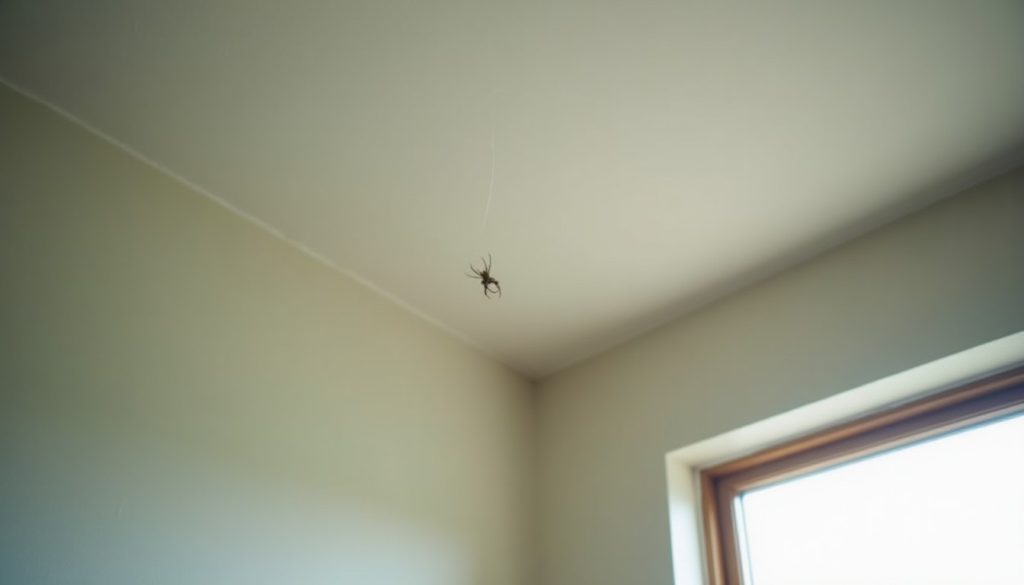
To get rid of spiders in the house, vacuum the spiders, webs and egg sacs, cut the indoor insects they feed on, and seal the gaps, screens and door sweeps that let spiders and their prey in. University extension entomologists rank routine vacuuming and decluttering above sprays, which give only temporary control. Peppermint oil and chestnuts repelled two of three spider species in a lab test; lemon oil repelled none. Spiders cannot be removed permanently, because most house spiders live their whole lives indoors.
Almost every home has spiders. A survey of 50 houses around Raleigh, North Carolina, found spiders in all 50 and in nearly every room type. So the realistic goal is fewer spiders and no webs in the places you care about, not a spider-free house. The good news is that the steps that achieve this are cheap, and most of them need no pesticide at all.
What you are seeing, and what it tells you
Different spiders turn up for different reasons, and the reason decides the fix. Check what you have against this table, or use our spider identification guide if you are unsure.
| What you see | Likely spider | Why it is there | What helps most |
|---|---|---|---|
| Tangled cobwebs in corners, windows, behind furniture | Cobweb spiders such as the common house spider | A true indoor species, breeding inside | Vacuum webs and egg sacs, reduce indoor insects |
| Very long thin legs, loose webs on ceilings and in basements | Cellar spiders (daddy long legs) | Indoor resident, active all year | Vacuum, clear basement clutter |
| Large, fast, hairy brown spider running across the floor, no web | Wolf spider or a wandering male of another species | Came in from outside, often a male looking for a mate | Catch and release, seal door gaps and sweeps |
| Small, stocky spider hopping on a sunny windowsill | Jumping spider | Hunting insects at the window | Leave it or carry it out; it is harmless |
| Wheel-shaped webs on porches, eaves and outside windows | Orb weavers | Outdoor spiders feeding on insects drawn to lights | Brush or hose webs off, change outdoor lighting |
| Funnel-shaped sheet webs low in basements or window wells | Funnel weavers | Damp, undisturbed corners with prey | Declutter, vacuum, seal window wells |
| Shiny black spider with red hourglass, or a plain brown spider with uniform legs inside the recluse range | Widow or recluse | Undisturbed storage, garages, crawlspaces | Confirm the identification; consider a licensed professional |
The cobweb builders and cellar spiders are the residents. In the North Carolina survey they were the only spider families found in more than 80 per cent of homes, while wolf spiders and orb weavers, the ones that come in from outside, turned up in fewer than half.
Why do I suddenly have lots of spiders in my house?
Usually because it is late summer or early autumn and the males are out looking for mates. The University of Washington’s Burke Museum puts it plainly: when large numbers of spiders appear at one time of year, it is usually August and September, it coincides with the mating season, and what you are seeing is sexually mature males wandering in search of females. The females and young stay hidden in crawlspaces, wall voids and storage areas.
The popular explanation, that spiders come in to escape the cold, does not hold up. Spiders are cold-blooded and are not attracted to warmth, the Burke Museum notes, and most temperate spiders tolerate temperatures down to about minus 5°C (23°F) before freezing. It estimates that fewer than 5 per cent of the spiders seen indoors have ever been outdoors. UC IPM adds two other triggers: wolf spider and tarantula males that have matured and are searching for females, and spiders displaced from their outdoor habitat when new housing developments are built. After heavy rain, some burrowing spiders also wander when their burrows flood.
Our own analysis of iNaturalist research-grade records shows the same late-summer pulse. Records of the hobo spider, a funnel weaver whose males wander into Northwest homes, run at nearly three times their usual share of all records in August. Outdoor orb weavers peak in September, which is when people notice the big webs by their doors. Cellar spiders, which live indoors all year, barely move.
A sudden rise in spiders outside that window usually means a rise in what they eat. UC IPM’s rule is simple: the more insects that exist inside a building, the more likely it is to have spiders living there.
How to get rid of spiders in the house, step by step
- Vacuum spiders, webs and egg sacs. University of Kentucky entomologist Michael Potter calls routine, thorough house cleaning the best way to eliminate spiders and discourage their return, and stresses egg sacs, since each can contain hundreds of young spiders. UC IPM notes that spiders’ soft bodies usually do not survive the trip through a vacuum hose. A dusty web is an old, abandoned one; spiders keep occupied webs clean.
- Cut the clutter. Spiders prefer quiet, undisturbed areas such as closets, garages, basements and attics. Lift stored boxes off the floor and away from walls, and seal them with tape so spiders cannot move in.
- Reduce the insects. Fix screens, keep doors shut at night and deal with any indoor insect problem first. The spider population follows its food.
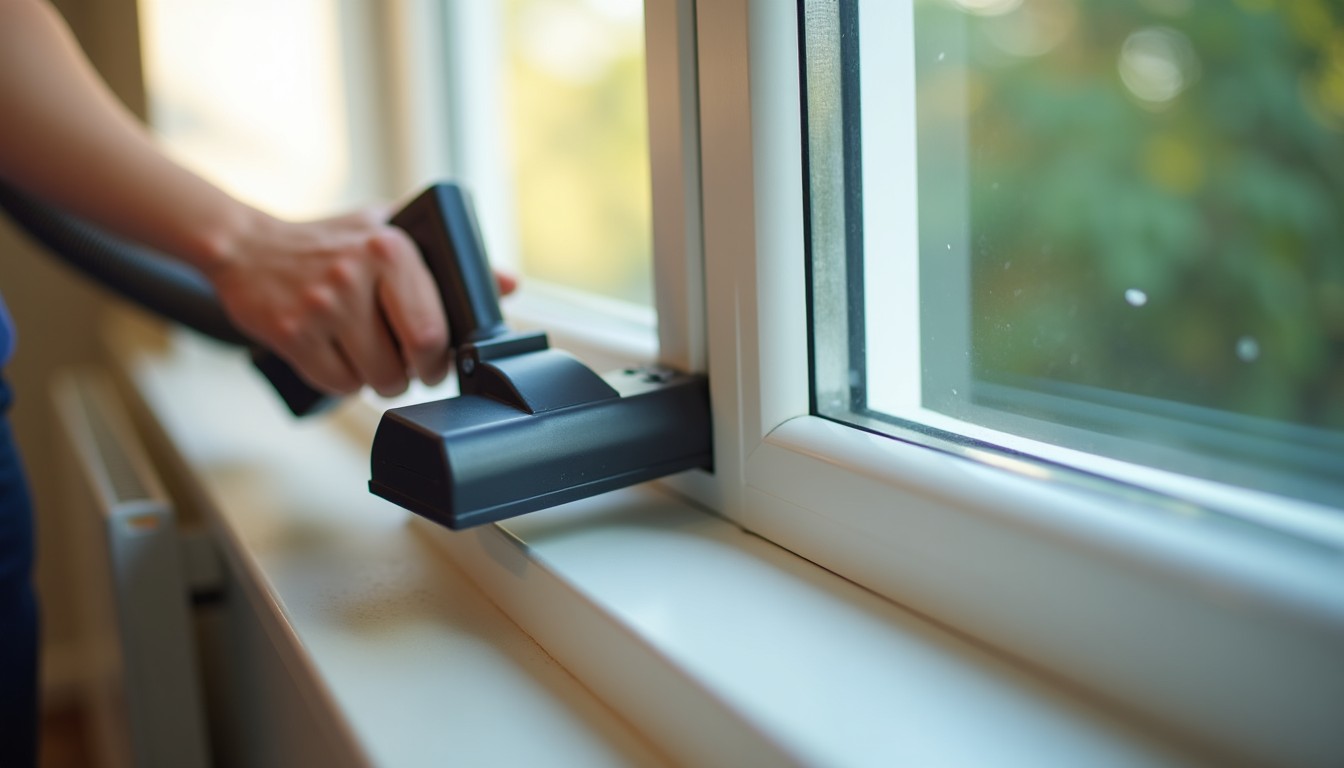
- Seal the way in. Seal foundation cracks and gaps around windows and doors, fit tight screens and door sweeps. Gaps under doors are a common entry point.
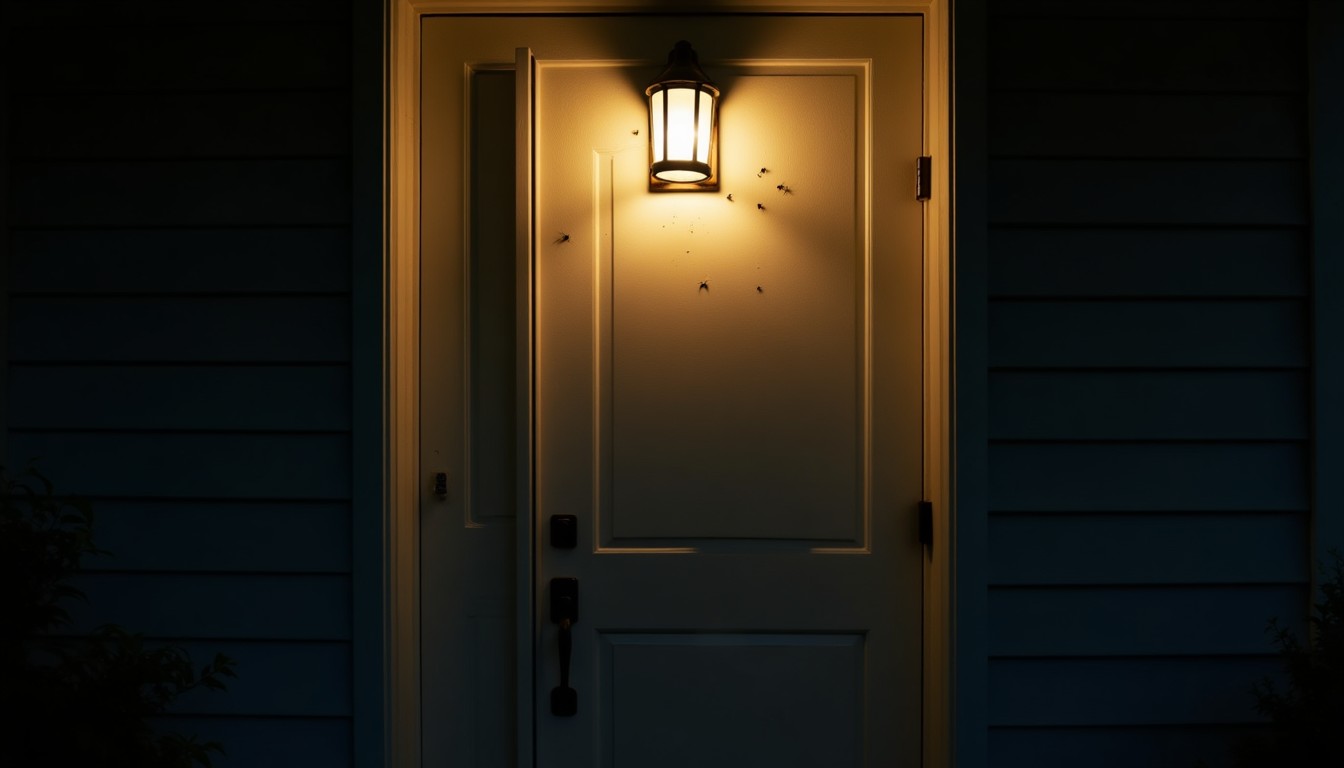
- Change the outdoor lighting. Lights draw night-flying insects, and insects draw spiders. Kentucky extension suggests yellow or sodium vapour bulbs at entrances, because they are less attractive to night-flying insects than conventional bulbs. UC IPM suggests keeping fixtures away from windows and doorways where you can.
- Clear the foundation. Move firewood, debris and stacked items away from the house, and trim shrubs, vines and branches that touch it, since they give spiders shelter and a bridge indoors.
- Use sticky traps to monitor. Glue traps placed flush along walls and in corners show where spiders are active and catch wanderers. They are a monitoring tool more than a cure.
- Catch and release, or squash. UC IPM endorses both: a jar and a sheet of paper, or a shoe. It is, in UC IPM’s words, just as easy and much less toxic as spraying.
Where spiders turn up in the house
The North Carolina survey, led by researchers at NC State University and the California Academy of Sciences, sampled 554 rooms. Spiders were found in 92.6 per cent of basements and 75.6 per cent of bedrooms, and attics were the least likely room type, at 47.4 per cent.
Spiders in the basement
Basements combine the three things spiders want: little disturbance, shelter in stored items, and prey. Kentucky extension lists basements among the spaces where clutter reduction matters most. Get boxes off the floor, vacuum along the sill plate and joists, and use sticky traps along the walls to find hot spots. Basements also host insects that spiders feed on, such as camel crickets, and controlling those is part of the job. Our guide to bugs in the basement covers the rest.
Spiders in the bedroom
For bedrooms, the natural route works best: vacuum under and behind the bed and furniture, and keep clothes and shoes off the floor, since Kentucky extension notes that people are sometimes bitten by recluses hiding in shoes or clothing. Spider bites are uncommon. UC IPM notes that most spiders’ jaws are too small to bite people and that bites usually happen only when a spider is trapped against skin in clothing or bedding.
What keeps house spiders away? The repellent evidence
Only one peer-reviewed study we could find has tested the popular home remedies directly. Andreas Fischer and colleagues at Simon Fraser University, the University of Ulm and the University of Toronto Scarborough tested the three substances most often cited online: lemon oil, peppermint oil and chestnuts. Published in the Journal of Economic Entomology in 2018, it used a Y-shaped tube that offered female spiders a choice between the test smell and clean air.
| Remedy | What the evidence shows | Practical verdict |
|---|---|---|
| Peppermint oil | Brown widow and European garden spider avoided it in more than 75 per cent of trials; the false widow, a common house spider, was less affected | May deter spiders from settling; untested in real homes |
| Chestnuts | Same result as peppermint; the false widow showed only a slight tendency to avoid them | Same as peppermint |
| Lemon oil (citrus) | No effect on any of the three species | Called a myth by the study’s authors |
| Vinegar | We found no peer-reviewed test | Unproven |
| Ultrasonic plug-ins | See our review of ultrasonic repellers | Not a spider fix |
Two limits matter. The tests were short choices in a tube, not trials in houses. And because the species tested mostly stay put once they have built a web, the authors’ team noted that any effect can only be said to stop spiders entering an area, not to make a settled spider leave. Peppermint oil is therefore at best a supplement to vacuuming and sealing, not a replacement.
How to get rid of spiders in the house safe for pets
Vacuuming, sealing and lighting changes are the pet-safe core. Be careful with the natural remedy that has the best evidence: Cornell University Hospital for Animals lists peppermint oil, including menthol, as toxic to cats, so do not spread it where a cat can walk through or groom it off. UC IPM advises placing sticky traps where pets and children cannot get at them. Our guide to pet-safe pest control products covers the rest.
Do sprays and foggers work on spiders?
Only partly. UC IPM states that insecticides will not provide long-term control and should not generally be used against spiders outdoors, and that control by spraying is only temporary unless accompanied by housekeeping. Kentucky extension notes that a perimeter barrier spray can reduce entry but may need reapplying monthly or every two months in warm weather, and that total-release foggers are seldom effective against spiders. If you use any product, follow the label exactly. Our spider control cost guide covers what professional treatment involves and what it costs.
Why should you never kill a spider in your house?
There is no rule against it, and extension guidance lists squashing as a legitimate option. The case for leaving most house spiders alone is practical: they eat flies and other pests, and the common indoor species are harmless. Putting them outside is often not the kindness it seems either. The Burke Museum points out that most house spiders are indoor species that do poorly outdoors, and some die quickly when removed.
When it is a job for a professional
Two groups of US spiders are medically significant: widows and recluses. Kentucky extension notes that infestations of either often need specialised skills and equipment, and that hiring a licensed pest control company is prudent in those cases. Confirm the identification first, because most suspected recluses are something else. If anyone has a bite that worsens or causes unusual symptoms, speak to a doctor or poison control; see our bite identification guide for why the mark alone rarely identifies the culprit.
How we did this
Control advice comes from the University of Kentucky ENTFACT-623, UC IPM’s Pest Notes on spiders and the Burke Museum’s spider myth pages. Room and family figures come from Bertone and colleagues, PeerJ, 2016. The seasonality chart is our analysis of US iNaturalist research-grade records, which show when people photograph and identify these spiders, mostly outdoors, not indoor infestation rates. Each month’s index is the taxon’s share of all records that month, scaled so the yearly average is 100.
Frequently asked questions
How do I permanently get rid of spiders in my house?
You cannot remove them permanently, because most house spiders are indoor species that spend their whole lives inside, and a North Carolina survey found spiders in all 50 homes it sampled. What you can do is keep numbers low for good: vacuum webs and egg sacs regularly, reduce clutter and indoor insects, seal gaps and fit door sweeps, and switch entrance lights to yellow bulbs.
What keeps house spiders away?
Fewer insects, fewer hiding places and fewer gaps keep spiders away more reliably than any smell. In a 2018 lab study, peppermint oil and chestnuts deterred two of three species tested in more than 75 per cent of trials, while lemon oil had no effect. These smells may stop spiders settling but have not been tested in homes, and peppermint oil is toxic to cats.
Why do I suddenly have lots of spiders in my house?
Most often it is mating season. The Burke Museum explains that sudden spider surges usually come in August and September and are mature males wandering in search of females, not spiders escaping the cold. A surge at another time of year usually points to more insects indoors, or to new building work nearby that has disturbed outdoor spiders.
Why should you never kill a spider in your house?
You can if you want to; UC IPM lists squashing alongside catch and release. The reasons people give for sparing them are that house spiders eat flies and other pests, nearly all are harmless, and many indoor species die quickly if put outdoors. Widows and recluses are the exceptions worth removing and identifying.
Does peppermint oil get rid of spiders?
It may discourage them from settling, but it will not clear an established population. In the 2018 Journal of Economic Entomology study, two of three species avoided peppermint oil in more than 75 per cent of choice tests, while a common house spider was less affected. Settled, web-building spiders were not shown to leave, so use it alongside vacuuming and sealing.
Sources
- University of Kentucky Entomology, ENTFACT-623: Eliminating Spiders around Homes and Buildings, Michael F. Potter, revised 2026.
- University of California Statewide IPM Program, Pest Notes: Spiders and Quick Tips: Spiders.
- Burke Museum, University of Washington, Spider Myths: Spiders come indoors in the fall, Rod Crawford.
- Fischer A, Ayasse M, Andrade MCB. Natural Compounds as Spider Repellents: Fact or Myth? Journal of Economic Entomology 111(1):314 to 318, 2018.
- Bertone MA et al. Arthropods of the great indoors: characterizing diversity inside urban and suburban homes. PeerJ 4:e1582, 2016.
- Cornell University Hospital for Animals Pharmacy, Small Animal Toxins list.
- The Pest Control Brief analysis of iNaturalist research-grade records, pulled October 2026.