Does Pest Control Get Rid of Mice? What Exterminators Actually Do
Yes, pest control usually gets rid of mice, provided the job is traps or bait stations, repeat checks and sealing rather than one visit. In a 156-apartment New Jersey trial, proactive trapping and baiting cut infestations to 2 per cent at 12 months, against 44 per cent under complaint-only service. Sealing sped the fall but did not stop new mice arriving, and that gap is why a good job has a follow-up plan.
What pest control does for mice, visit by visit
We found no published standard for a mouse visit, so these benchmarks come from programmes run by researchers and pest professionals. Use them to test a quote.
| Stage | What the technician does | Published benchmark |
|---|---|---|
| First visit: inspection and set-up | Finds droppings, gnawing and gaps; sets snap traps along walls; adds bait stations if bait is justified | 2 to 2.5 hours in the MAAIT trial. Two dozen snap traps for a new infestation in 1,500 sq ft (Nebraska G1105). Traps no more than about 10 feet apart (UC IPM) |
| Second visit: reset and finish | Clears catches, moves traps, tops up bait, completes leftover work | 1 hour, 1 to 2 weeks later (MAAIT). Rutgers researchers checked traps every 1 to 2 days at first |
| Sealing | Closes gaps of a quarter inch or more with metal, mesh or concrete | Exterior can start at once; interior wall voids wait until catches reach zero (federal and Park Service manuals, in our exclusion guide) |
| Follow-up | Rechecks stations and traps; treats again if activity persists | Every 4 weeks (Rutgers); months 1, 3 and 5 (Boston); assessed every 3 months, 1 to 4 treatments (MAAIT) |
| Sign-off | Confirms no catches and no new signs | One clear week (CDC), ideally two |
Compiled by The Pest Control Brief from the named sources.
Ask for the entry-point list in writing at the first visit. The materials matter too, since UC IPM rules out plastic, rubber, vinyl and expanding foam as plugs; our guide to rodent exclusion materials sets out what holds. If you are still deciding whether you need a company at all, the evidence thresholds are in when to call pest control for mice.
What they use, and what you cannot buy
UC IPM’s house mouse note rests on sanitation, exclusion, traps and rodenticide. An insect spray is not among them, so a plan visit that only sprays the perimeter is not mouse control. Fumigation does not feature in UC IPM’s house mouse note either, so if a quote includes it, ask why. The CDC tells households to avoid glue and live traps, and to keep poison or bait stations for infestations that persist.
Professionals can buy bait that households cannot, and federal rules draw that line clearly.
| EPA rule | Consumer products | Professional products |
|---|---|---|
| Second-generation anticoagulants (brodifacoum, bromadiolone, difenacoum, difethialone) | Not registered | Allowed, in containers of at least 16 lb |
| Bait form | Block or paste, in a ready-to-use station; no pellets | Block, paste or pellet |
| Active ingredients | Bromethalin, chlorophacinone, diphacinone | Any EPA lists, including cholecalciferol and zinc phosphide |
| Where | Indoors, or within 50 feet of buildings, as the label allows | In or within 100 feet of buildings |
| Tamper-resistant station | Comes with the product | Required where children under six, pets or wildlife have access, and for all outdoor above-ground bait |
Compiled by The Pest Control Brief from EPA, Restrictions on Rodenticide Products. In November 2022 EPA also proposed requiring tamper-resistant boxes and carcass collection; its review page gives an interim decision as the next step, so check current labels.
California is narrower. AB 1788 barred the four second-generation compounds with exemptions, AB 1322 added diphacinone, and AB 2552 prohibited most uses of chlorophacinone and warfarin from 1 January 2025. Residential use falls inside those prohibitions. UC IPM’s table for house mice now lists bromethalin, cholecalciferol and restricted-use zinc phosphide. Our California rodenticide data shows companies switched poisons rather than baiting less: restricted-compound applications fell from 2.13 million in 2020 to 310,000 in 2021, while total applications kept rising.
Bait has a practical cost. House mice stay within about 30 feet of their nest, so UC IPM warns poisoned mice often die inside the structure, and trapping may suit you better if that smell would be a problem. Say so at the first visit.
Does the evidence back it up?
| Programme | Service pattern | Result |
|---|---|---|
| Rutgers, New Jersey: traps and bait in every unit (Wang 2024) | Follow-up every 4 weeks in infested units until no activity | 32 per cent infested at the start, 2 at 12 months, 10 at 18 |
| Same trial, plus sealing | As above, plus exterior and interior exclusion | 53 per cent at the start, 2 at 12 months, 26 at 18; faster early fall |
| Same trial, control | Bait or glue boards on complaint only | 30 per cent rising to 44, then 54 |
| Boston, 18 homes (2004) | Mesh and caulk, traps, tracking powder, cleaning; visits at months 1, 3 and 5 | Kitchen mouse allergen down 78.8 per cent at month 5; controls up 319 per cent |
| New York public housing (Kass 2009) | One 2 to 3 hour visit: cleaning, caulk, cockroach bait; no repeat scheduled | “Little evidence of success” on mice by bait consumption; sightings fell, not significantly |
| MAAIT, Baltimore and Boston (2017), 361 children | 1 to 4 professional treatments, against education only | Bedroom floor allergen down at least 75 per cent at some point for 63 per cent of participants, against 58 per cent (P = .45) |
Compiled by The Pest Control Brief from the named papers. These are mostly low-income urban homes, so they are the nearest evidence rather than a test of a paid single-family job. Allergen is an indirect measure of mice.
Three findings are worth carrying into a sales conversation. Treating only on complaint failed. A single visit with no mouse follow-up showed little effect. And on MAAIT’s allergen measure, households taught to set traps and seal holes came close to the professional package.
Why mouse jobs fail
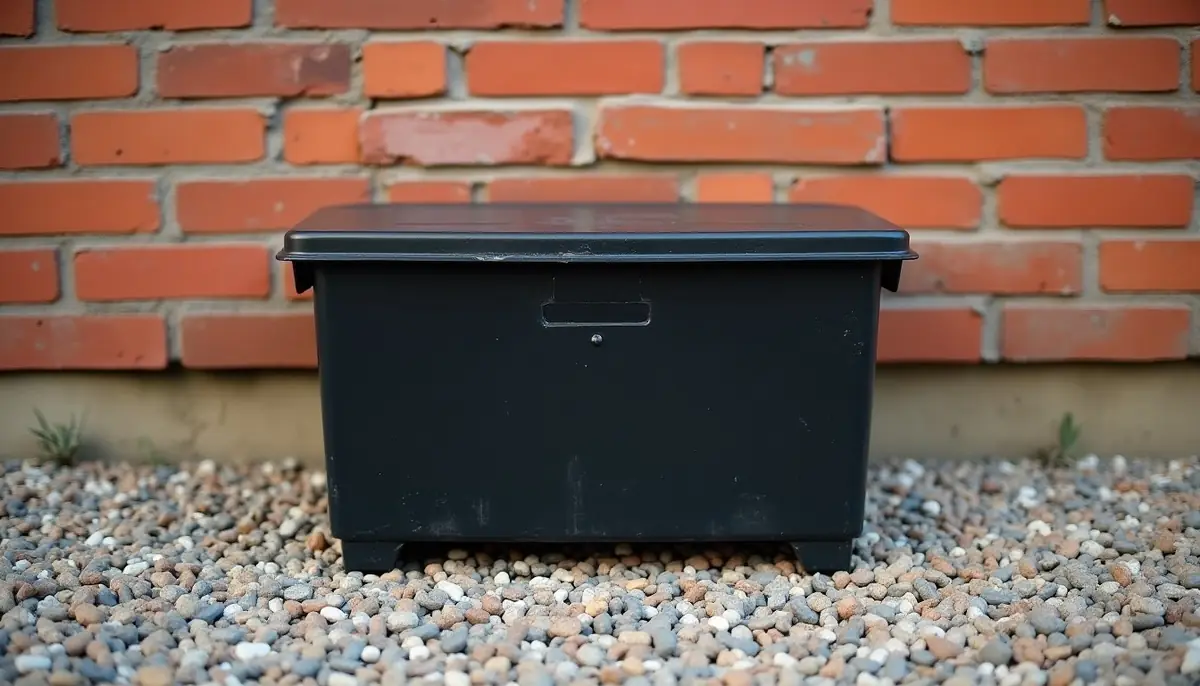
- Missed gaps. In the Rutgers trial, 13 of the 20 units the contractor sealed needed a return visit for missed entry points, and the outside of each building had misses too. Ask who checks the sealing.
- Doors and neighbours. Residents left exterior doors partly open, and all nine new infestations in the sealed group between months 12 and 18 were in one building. A 2022 study of four high-rise blocks found apartments sharing a wall, ceiling or floor with an infested unit were more likely to have mice. Treating one apartment alone can leave the source next door.
- Competing food. Nebraska attributes most bait avoidance to spoiled bait, poor placement or too much other food. UC IPM adds that sanitation seldom controls mice alone, yet poor sanitation lets them thrive in greater numbers.
- Thin service. The trial’s control contractor placed bait behind stoves or used glue boards only after complaints, and infestation rose 24 points in 18 months.
- Cold weather. All three groups rebounded between May and December, which the authors link to falling temperatures. A sealed house can still need autumn checks.
How long does pest control take to get rid of mice?
Allow about two to four weeks for a straightforward house. That is our arithmetic from the published steps, not a measured average: a follow-up after 1 to 2 weeks, then a clear period of 1 to 2 weeks. Bait runs slower than traps, because EPA says anticoagulant deaths typically come between four days and two weeks after feeding starts.
Harder cases run far longer. Rutgers caught a median of three mice per infested apartment, but one unit produced 38 mice over 20 visits and 367 days. Judge the end by evidence rather than the calendar, using the tests in how to tell if mice are gone.
Walls, cars, rats, and how quickly
Can pest control get rid of mice in walls?
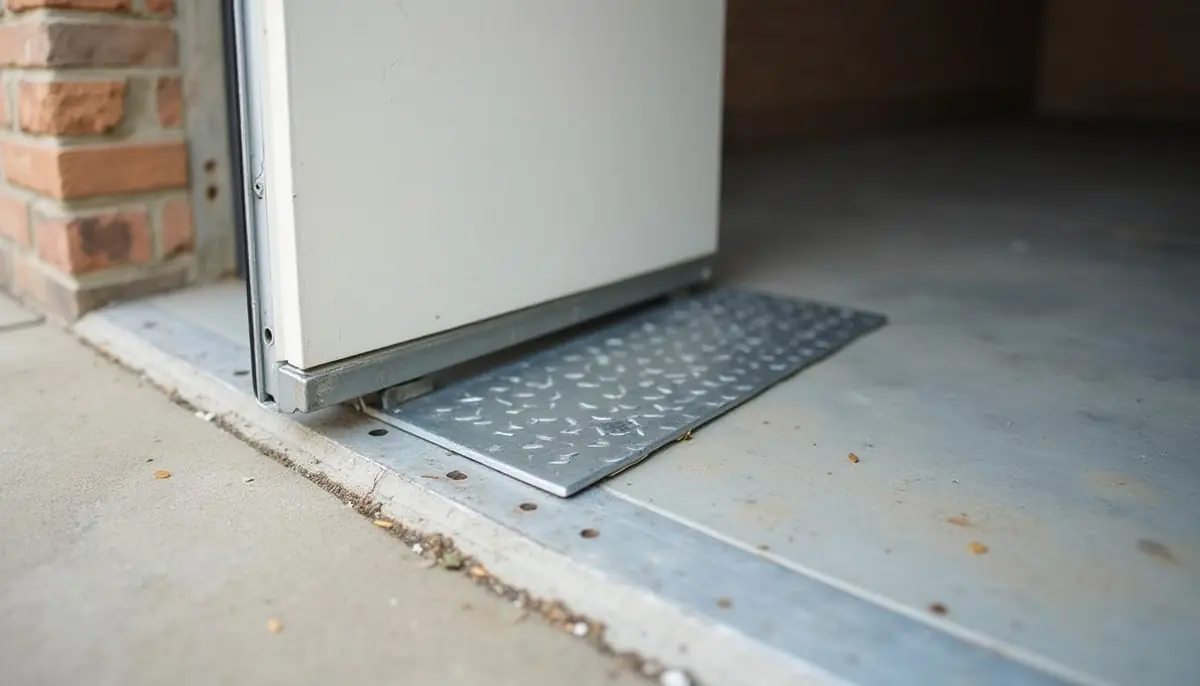
Usually, by working where mice leave the void. Nebraska advises stations along pipes, above drop ceilings and on sill plates, and inside voids only if other access is unavailable. Sealing those voids comes after catches stop. Our guide to mice in walls covers the noises.
Can pest control get rid of mice in a car?
Ask before booking whether the company treats vehicles, because every programme above treated buildings. Snap traps, nest cleanup and a mechanic’s wiring check are the fix in our mice in cars guide, with poison left out because a mouse can die inside the vehicle.
Does pest control get rid of mice and rats alike?
The approach is similar with heavier traps, and rats cost more: published estimates run $395 to $1,500 against $150 to $550 for mice. A quarter inch remains the sealing standard, since young rats fit through it too.
Can pest control get rid of mice quickly?
Numbers help most. UC IPM says to use enough traps “to make the trapping period short and decisive”. Bait is the slower route, and no method removes the risk of new arrivals until the gaps are closed.
What it costs, and what to get in writing
Our rodent removal cost page gives published estimates of $150 to $550 for a mouse programme, $75 to $150 for inspection, usually credited, and $1,000 to $3,000 for whole-house exclusion. These are contractor-reported ranges, since no federal price index covers pest control. Get four things in writing: the gaps found, visits included, the cost of extra visits, and any warranty on sealing.
Frequently asked questions
Does pest control get rid of mice?
Usually yes, when the service combines traps or bait stations with repeat checks and sealing. A 156-apartment New Jersey trial reached 2 per cent infestation at 12 months, against 44 per cent where a contractor treated only on complaint. Rates rebounded in every group by 18 months, so expect some ongoing monitoring.
How does pest control get rid of mice?
By inspecting for droppings and gaps, setting snap traps along walls, adding tamper-resistant bait stations where justified, sealing gaps of a quarter inch or more, then returning to reset and recheck. Published programmes returned after 1 to 2 weeks, then every few weeks or months. CDC guidance treats one clear week as the finish line.
What does pest control do for mice?
They find how mice get in and where they run, remove them with traps or rodenticide, and close the entry points. Professionals can also buy products consumers cannot, including second-generation anticoagulants, which EPA does not register for consumer use. California restricts most of these. Spraying for insects is not a mouse treatment.
Can pest control get rid of mice?
Yes in most cases, though not always permanently. UC IPM calls exclusion the most successful and permanent form of house mouse control, yet in the Rutgers trial hidden gaps and doors left open allowed new infestations after sealing. A company can clear the mice present, while keeping new ones out takes maintenance from you as well.
Does pest control include mice?
Not automatically. General plans typically centre on insects, and rodents are often a separate tier: one lawn and pest firm sells a separately named pest plus rodent programme. Check the covered-pest list before signing, including whether sealing is included, because our review of quarterly plans found exclusion work is often left out.
Sources
- Wang, Sarker, Yu, Pan, Cooper and Corrigan, Comparing House Mouse Management Programs in Apartments, Proceedings of the Vertebrate Pest Conference 31, 2024.
- Matsui and colleagues, Effect of an Integrated Pest Management Intervention on Asthma Symptoms Among Mouse-Sensitized Children and Adolescents With Asthma (MAAIT), JAMA, 2017.
- Phipatanakul, Cronin and colleagues, Effect of environmental intervention on mouse allergen levels in homes of inner-city Boston children with asthma, Annals of Allergy, Asthma and Immunology 92, 2004.
- Kass and colleagues, Effectiveness of an Integrated Pest Management Intervention in Controlling Cockroaches, Mice, and Allergens in New York City Public Housing, Environmental Health Perspectives 117, 2009.
- Sked, Liu, Abbar, Corrigan, Cooper and Wang, The Spatial Distribution of the House Mouse in Multi-Family Dwellings, Animals 12, 2022, read through the Northeastern IPM Center resource summary.
- University of California Statewide IPM Program, Pest Notes: House Mouse, publication 7483.
- University of Nebraska-Lincoln Extension, G1105, House Mouse Control, 2016.
- US Environmental Protection Agency, Restrictions on Rodenticide Products; EPA Proposes New Mitigation Measures for Rodenticides, 29 November 2022; Rodent Control Pesticide Safety Review.
- US Centers for Disease Control and Prevention, How to Trap Up to Remove Rodents.
- California Department of Pesticide Regulation, ENF 24-20, Chlorophacinone and Warfarin: Restricted Material Status, Prohibitions, Allowed Uses, 20 December 2024.
- The Pest Control Brief, rodent removal cost page (published contractor-reported estimates), rodent exclusion materials guide (Baker, Bodman and Timm; National Park Service Rodent Exclusion Manual) and California structural rodenticide analysis.