Are Roaches Coming From My Neighbors? How to Tell
Roaches can come from your neighbours, and the signs are adults without tiny nymphs, caught first along a shared wall or pipe opening, coming back soon after you treat a clean unit. In Purdue trapping in apartment buildings, 65 per cent of German cockroaches moving between units came from adjoining kitchens. Tiny nymphs, egg cases and droppings in your own cabinet hinges mean they are breeding in your unit as well, whatever started it.
Clues, what they suggest, and how to check
| Clue | What it suggests | How to check |
|---|---|---|
| Adult roaches only, no small nymphs | Wanderers arriving from elsewhere; adults and large nymphs move between units most | Sticky traps for 7 days; count adults and nymphs separately |
| Tiny dark nymphs in cabinets or behind the fridge | A breeding group in your unit; small nymphs are the least mobile stage | Look in hinge gaps and corners with a torch at night |
| Loose egg cases (about 1/4 inch, light beige) | A German female lived in your unit; she drops the case 1 to 2 days before it hatches | Check under sinks, inside drawers, behind appliances; compare with our cockroach egg case guide |
| First catches on the trap nearest a shared kitchen wall or pipe opening | Entry through the wall, plumbing or electrical openings | Number your traps and compare catches by location |
| Roaches return weeks after a successful treatment | Re-infestation from a neighbouring unit | Date every trap check; ask whether adjoining units were treated |
| Neighbour sprayed or set off a fogger, then you saw more | Roaches pushed out of the treated unit | Note the date and tell your landlord in writing |
| Large reddish brown roaches near floor drains or the ground floor | American cockroaches from drains or outdoors, not next door | Check drain traps and gaps around pipes |
Compiled by The Pest Control Brief from Runstrom and Bennett (1990), Owens (Purdue PhD dissertation, 1980), UC IPM Pest Notes: Cockroaches and University of Kentucky Entomology ENTFACT-614.
Can your neighbors cause you to have roaches?
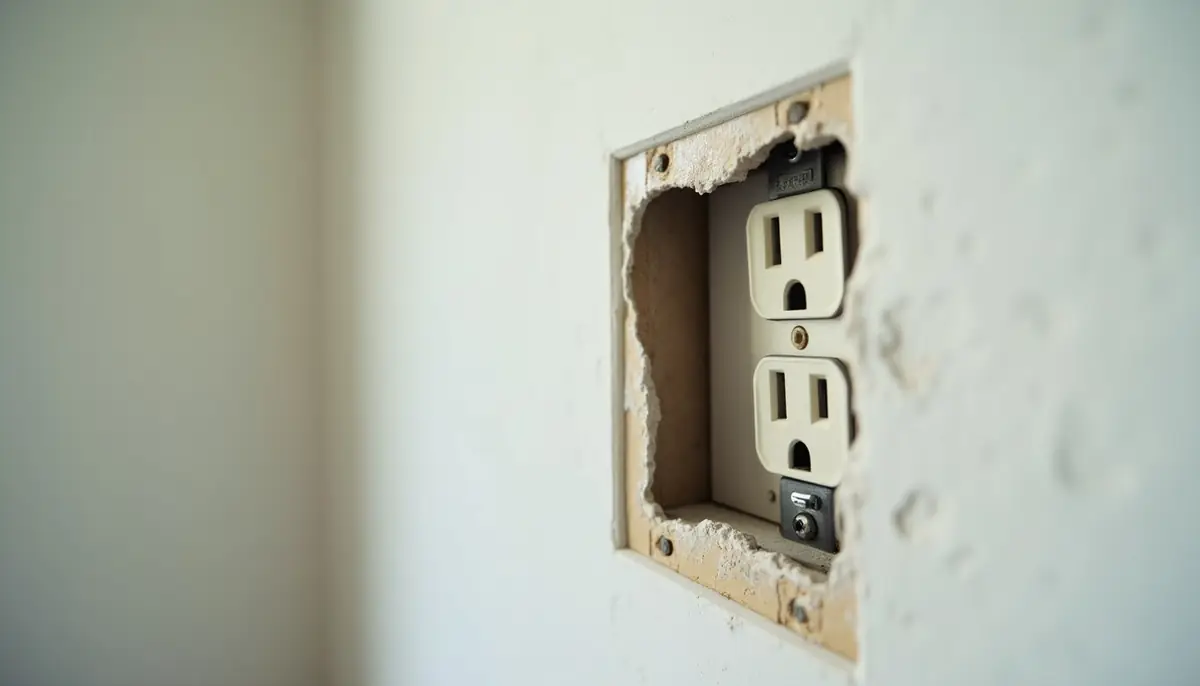
Yes, in shared buildings. The University of Kentucky’s entomology fact sheet says that in multi-unit dwellings cockroaches travel between units through common walls and ceilings, and that German cockroaches move between rooms or adjoining apartments via walls, ceilings, pipes and wires. It adds that even clean homes can become infested this way. Our guide to cockroaches in apartments and who has to deal with them covers how common this is.
The movement has been measured. In a Purdue PhD study by J. M. Owens, adult German cockroaches were marked and recaptured in eight pairs of neighbouring apartments; movement between apartments ran at 10 to 30 per cent over 5 to 7 days, and certain construction features appeared to make it easier. Movement inside one apartment was highest between the kitchen and nearby areas, about 20 per cent over 5 to 7 days, and only 1 to 5 per cent between the upstairs and downstairs of two-storey units.
Runstrom and Bennett, also at Purdue, found in 1990 that movement between apartments was greatest between adjacent kitchens, where 65 per cent of the emigrating cockroaches came from. Large nymphs moved the most, followed by adults; small nymphs were the most clumped and least mobile.
Genetics points the same way. North Carolina State researchers led by Crissman sampled German cockroaches from 18 apartments in Raleigh and published in 2010 that each sampled building formed its own genetic cluster, and in two of the three buildings tested the lowest genetic difference was between adjoining apartments. They concluded that movement between buildings separated by open ground probably needs human help, such as carried boxes and bags. Our page on New York apartment roach and mouse violations shows how widespread this is in one city.
Run a dated trap map before you blame anyone
Sticky traps tell you where roaches enter. Number six to eight traps and set them with one edge against a wall, as UC IPM advises, since roaches travel along the edges of walls and other surfaces:
- Behind or beside the fridge and the stove. In a 188-unit New Jersey high-rise, Rutgers researchers found traps by the stove and fridge caught significantly more cockroaches than traps under the sink or in the bathroom.
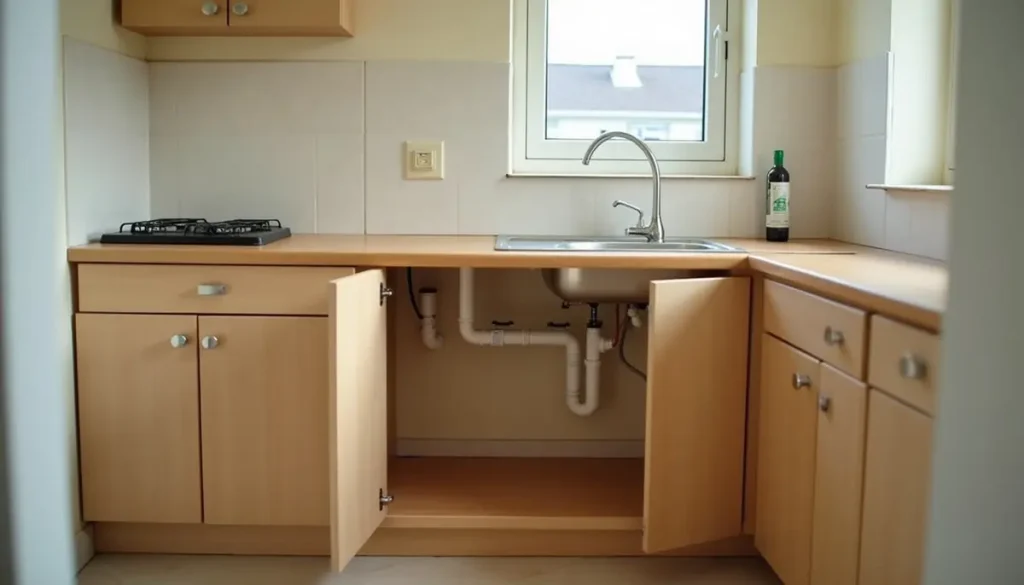
- Under the kitchen sink, touching the point where the pipes enter the wall.
- Along the kitchen wall you share with a neighbour, if there is one.
- In the bathroom, at the pipe opening under the basin or behind the toilet.
- Inside the front door, which catches roaches entering from the hallway.
Write the date and location on each trap, check it after 7 days, and record adults and nymphs separately. If the shared-wall and pipe traps catch adults while the stove and fridge traps stay empty, the source is likely through the wall. If the fridge and stove traps fill with nymphs, the roaches are living with you. Our page on what one cockroach means and the one-week trap test covers the single-sighting case.
Adults versus nymphs: the life stage tells you
UC IPM notes that nymphs are typically the most abundant stage in a cockroach population. A German female carries her egg case, about 1/4 inch long and holding about 30 young, until 1 to 2 days before it hatches. So a home where people find a mix of sizes, tiny dark nymphs and dropped egg cases has a breeding population, and our guide to baby cockroaches shows what the youngest stages look like.
A trickle of adults with no small nymphs fits the wanderer pattern. Owens found adult males were more mobile than females. Large nymphs also move, so the stronger signal is the absence of the smallest nymphs. Any German cockroach indoors is still a concern; our page on how many roaches is an infestation sets out the counts from trap studies.
Why they keep coming back after you treat
Treating one unit does not stop the source next door. In Owens’s study, a pyrethrin aerosol sprayed in one apartment increased adult movement out of the treated apartment in three of four cases. The Kentucky fact sheet says total-release foggers are repellent and cause insects to scatter and move deeper into walls. If your neighbour bombs their kitchen, you may see more roaches that week.
The Rutgers high-rise study showed the building view matters: at the start, infestations in the building were spatially correlated, and after 12 months of building-wide treatment only infestations across floors stayed correlated, which suggests vertical routes such as plumbing risers. Our page on why German cockroaches keep coming back covers the other reasons.
What draws roaches out of hiding?
Darkness and crowding. UC IPM describes almost all cockroaches as nocturnal, hiding by day in narrow cracks; an adult German cockroach fits in a crack 1/16 inch wide. Our analysis of US iNaturalist records of German cockroaches shows people record them most at night: 21.3 per cent of records fall between 9 pm and midnight, against 4.2 per cent of all US records.
Records reflect when people notice and photograph roaches, not true activity, but the pattern fits UC IPM’s note that roaches come out at night to feed. Roaches out in daylight usually signal a crowded population, which our page on roaches during the day explains.
What month are roaches the worst?
German cockroaches live and breed indoors all year, so there is no true off season for them. US iNaturalist records peak in September (274 records) and October (241), and are fewest from February to May, at 134 to 148 a month.
Measured as a share of everything people record, German cockroaches rise to 184 in November and 171 in January, but that winter rise reflects people noticing an indoor insect when little else is about, not more breeding. Outdoor species such as the American cockroach are a different story, and are more likely to wander in from drains in warm weather.
How to get rid of roaches if they are coming from neighbors?
Close the routes, treat your side, and get the building involved.
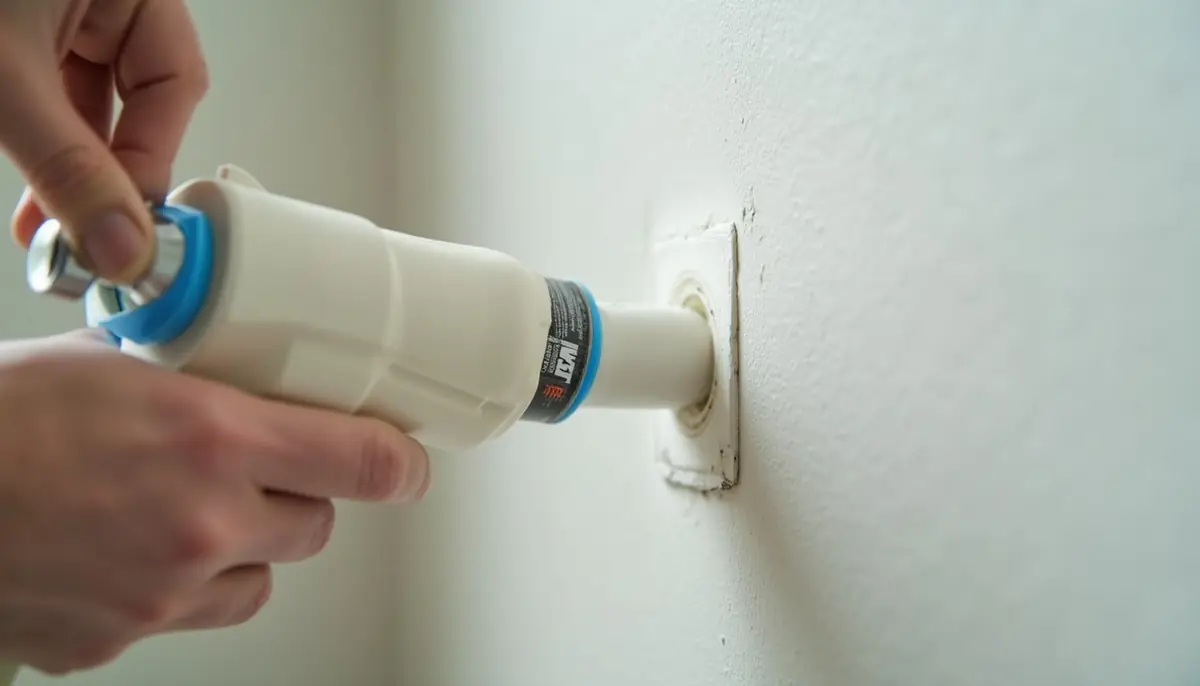
- Seal shared openings. Kentucky recommends sealing openings where plumbing pipes or wires pass through walls or floors with caulk, foam or copper mesh, which it says is especially useful in apartments to reduce migration between units.
- Bait, do not spray. UC IPM says baits give better control than sprays. Our German cockroach treatment guide covers bait placement and active ingredients.
- Report it in writing, with your dated trap counts, and ask that adjoining units be inspected.
- Know the local rule. Duties vary by location. In New York City, Local Law 55 of 2018 requires owners of buildings with three or more apartments to use integrated pest management, inspect every apartment and common area at least once a year, and repair and seal holes in walls, floors, baseboards and around pipes and conduits. Tenants can call 311 if the owner does not fix the problem.
The full home plan for German and American cockroaches is in our guide to getting rid of roaches.
The same question about bed bugs needs a different method, set out in our page on how bed bugs spread between homes and units.
Frequently asked questions
Can you get roaches if your neighbor has them?
Yes, especially if you share a kitchen wall or plumbing. Purdue mark and recapture work recorded 10 to 30 per cent of adult German cockroaches moving between neighbouring apartments over 5 to 7 days, and 65 per cent of emigrating roaches came from adjoining kitchens. Sealing pipe openings and baiting your own kitchen lowers the chance they settle in.
Do German cockroaches come from outside?
Rarely. UC IPM says German cockroaches live and breed entirely indoors, and the University of Kentucky says the species does not occur outdoors. They usually arrive in grocery bags, beverage cartons and furniture, or from a neighbouring unit, as our page on whether German cockroaches live outside explains. Large roaches near drains or doors are more likely American or Oriental cockroaches from outside.
Is my landlord responsible if roaches come from next door?
In many places, yes, though the rule depends on your state or city. In New York City, Local Law 55 requires owners of buildings with three or more units to keep apartments free of pests, inspect yearly and seal holes around pipes and conduits. Elsewhere, check your local housing code or tenant agency; this is general information, not legal advice.
Why do I only see roaches near the wall I share with my neighbor?
Cockroaches travel along wall edges and enter where pipes and wires pass through. If traps by a shared wall or pipe opening catch adults first while traps by your stove and fridge stay empty, the source is probably through that wall. Purdue studies found most movement between units ran between adjoining kitchens.
Sources
- Runstrom ES, Bennett GW. Distribution and movement patterns of German cockroaches (Dictyoptera: Blattellidae) within apartment buildings. Journal of Medical Entomology 27(4): 515 to 518, 1990.
- Owens JM. Some Aspects of German Cockroach Population Ecology in Urban Apartments. PhD dissertation, Purdue University, 1980 (published as Owens and Bennett, Journal of Economic Entomology 75(4): 570 to 573, 1982).
- Crissman JR, Booth W, Santangelo RG, Mukha DV, Vargo EL, Schal C. Population Genetic Structure of the German Cockroach in Apartment Buildings. Journal of Medical Entomology 47(4): 553 to 564, 2010.
- Zha C, Wang C, Eiden A, Cooper R, Wang D. Spatial Distribution of German Cockroaches in a High-Rise Apartment Building During Building-Wide Integrated Pest Management. Journal of Economic Entomology 112(5): 2302 to 2310, 2019.
- University of California Statewide IPM Program, Pest Notes: Cockroaches, publication 7467.
- University of Kentucky Entomology, ENTFACT-614, Cockroach Control.
- NYC Department of Health and Mental Hygiene and Department of Housing Preservation and Development, What Tenants Should Know About Indoor Allergens (Local Law 55 of 2018).
- The Pest Control Brief analysis of iNaturalist research-grade records, pulled October 2026 (b19 to b30 files) and November 2026 (b36 hour file).