German Cockroaches Keep Coming Back? 7 Reasons and Fixes
German cockroaches keep coming back for seven usual reasons: egg cases that hatch after the adults die, resistance to the insecticide or the bait, sprays that scatter them, neighbours, new roaches carried in, food and water that compete with the bait, and treatment that stops too soon. Each leaves a different sign. Sticky traps tell you which one you have, and the fix follows from that, not from buying a stronger spray.
German cockroaches almost never come back from outdoors. They live indoors, and a “comeback” is nearly always the same population, or the one next door, surviving the first attempt. Match what you see to the table, then read the section for that cause.
Seven causes, the sign each leaves, and the fix
| Cause | Sign you will see | Fix | Source |
|---|---|---|---|
| 1. Egg cases hatching after treatment | Tiny nymphs, no adults, 2 to 4 weeks after a good knockdown | Keep bait out; add an insect growth regulator; follow up | NC State; UF/IFAS |
| 2. Resistance to the insecticide or the bait | Bait eaten but numbers hold; or fresh gel untouched for days with roaches beside it | Change to an active ingredient from a different class; switch bait formulation, not just brand | Fardisi and colleagues, Purdue, 2019; Wada-Katsumata, Silverman and Schal, 2013; NC State |
| 3. Repellent sprays or foggers | Roaches in new rooms after spraying; bait ignored where spray landed | Stop spraying near bait; no foggers | NC State; UF/IFAS ENY-214 |
| 4. Neighbours | Adults first, along a shared wall or pipe chase | Seal penetrations; ask for building-wide treatment | UF/IFAS ENY-214; NC State |
| 5. Reintroduction | New activity after groceries, boxes, second-hand appliances | Inspect and discard cardboard; check items before they come in | UF/IFAS ENY-214 |
| 6. Food and water competing with bait | Bait placements barely eaten; dishes, pet food or a drip nearby | Fix leaks; remove food overnight | UF/IFAS ENY-214; NC State |
| 7. Stopping too early | Traps empty for a few weeks, then a rebound | Monitor and bait through a full life cycle | UF/IFAS IN128 and ENY-214 |
Compiled by The Pest Control Brief from the named extension publications and studies.
1. The egg cases you never saw
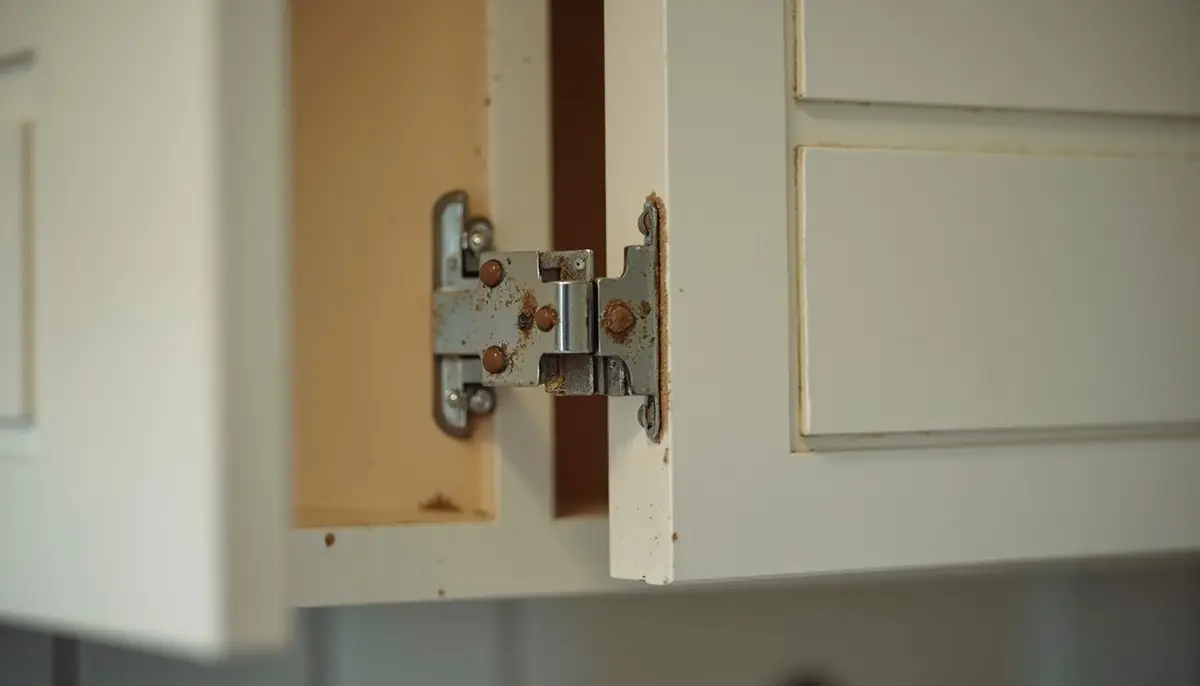
A female German cockroach carries her egg case until just before it hatches, and nymphs often hatch while she is still carrying it, according to UF/IFAS. NC State gives the incubation as 20 to 30 days and the average case as about 40 eggs. So a treatment that kills the visible adults can be followed, weeks later, by a wave of nymphs from cases that were already developing. Some pest company pages say egg cases hatch in 7 to 10 days; the extension figure is two to three times that, which is why the rebound often shows up in week three or four rather than week one.
The sign is the age mix: tiny wingless nymphs with few or no adults. The fix is to keep fresh bait in place, because NC State notes that first-stage nymphs feed on the droppings of other cockroaches and so pick up bait secondhand. An insect growth regulator stops nymphs reaching breeding age, though UF/IFAS warns it takes four to six weeks to show a noticeable drop. Our guide to how fast German cockroaches reproduce sets out the generation arithmetic.
UF/IFAS says the most frequently reported number of moults is six, so nymphs range from specks to near adult size. Our page on identifying baby cockroaches shows what first-stage German nymphs look like next to other species.
2. Resistance: the spray that worked last year, and the bait they now refuse
NC State says resistant German cockroach populations have been recorded to every class of insecticide used against them since the 1950s. A 2019 Purdue study by Fardisi, Gondhalekar, Ashbrook and Scharf, run in apartments in Danville, Illinois and Indianapolis from May to November, found broad resistance to nearly all of 14 active ingredients tested before treatment. A single active ingredient eliminated roaches where starting resistance was low; in Danville, 16 per cent resistance at the start went with control failure.
The finding that explains repeat infestations is speed. Offspring of Indianapolis roaches that survived treatment showed 50 to 70.8 per cent survival on the abamectin test dose, against 0 per cent before treatment, and selection showed within two generations. The authors also found cross-resistance: roaches selected with one chemistry survived others from unrelated classes, which is why they called rotation mostly ineffective in that trial. NC State still advises rotating mode of action every 3 to 4 months, but first checking that the product was applied correctly, was not expired and actually reached the roaches. Our article on why spraying stopped working on German cockroaches goes deeper into the mechanisms.
Bait they will not eat
In 2013, Wada-Katsumata, Silverman and Schal at NC State showed in Science that some German cockroach populations had evolved to taste glucose as bitter: in these strains glucose fired the bitter-taste neurons and suppressed the sugar ones, while fructose still registered as sweet. To those roaches, a glucose-sweetened gel is a deterrent. NC State’s current advice, if aversion is suspected, is to rotate to a protein-based bait and get the population tested. The field sign is fresh bait sitting untouched for days next to droppings and live roaches.
3. Sprays and foggers that spread them out
NC State says sprays and aerosols give a temporary knockdown, may make the problem worse by repelling and dispersing cockroaches to other areas, and should never go where bait is placed. UF/IFAS gives the same rule: liquid insecticides near baits repel cockroaches from the bait. In the Purdue trial, a spray combining thiamethoxam and lambda-cyhalothrin was universally ineffective and highly repellent, and appeared to push cockroaches into apartments that had none at the start. NC State calls total-release foggers ineffective for cockroaches because the fog does not reach the cracks where they shelter. The evidence comparing the two approaches is in our piece on gel bait versus spray for roaches.
4. The population next door
UF/IFAS says infestations in apartments with a common wall can migrate between units through the plumbing inside that wall, infesting a clean dwelling. NC State adds that sealing is unlikely to help in a detached house, where the population is already inside, but is useful in multi-unit buildings, where roaches move through adjoining walls, outlets and ceilings. The Purdue team treated every apartment in its study buildings, infested or not, for the same reason. If adults keep appearing first along one wall, our guide to telling whether roaches are coming from your neighbours sets out a dated trap map to prove it.
5. New roaches carried in
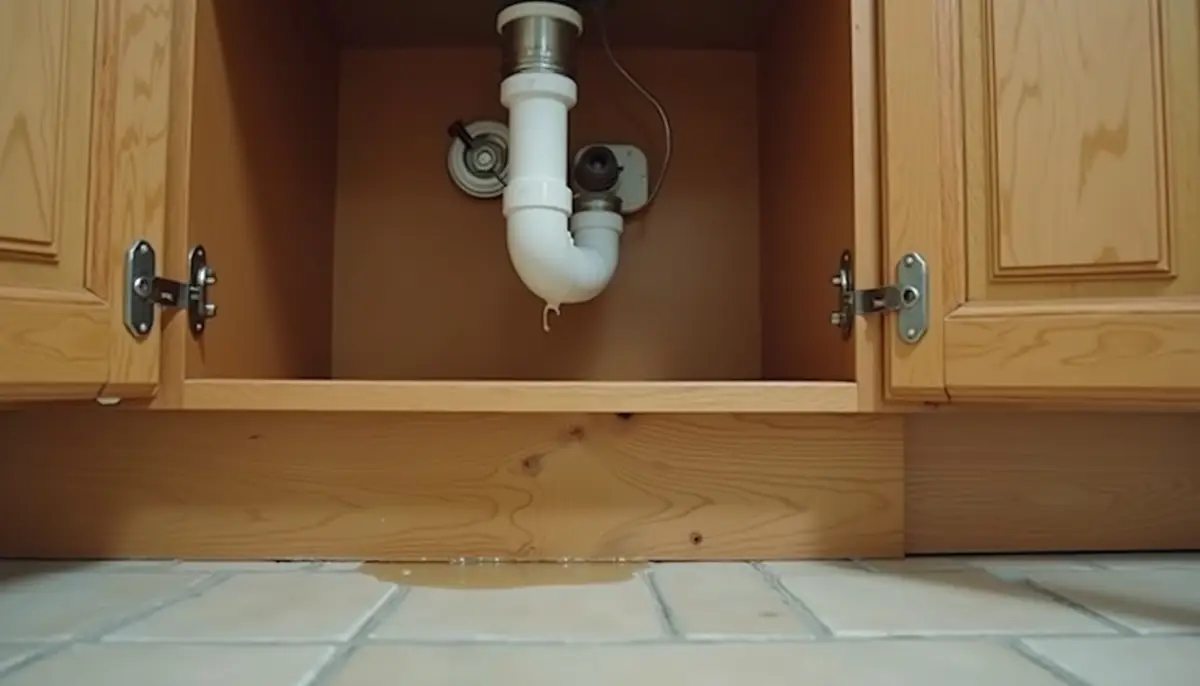
UF/IFAS says German cockroaches commonly first infest a home in grocery bags, breed prolifically in corrugated cardboard, and can travel from school in book bags and lunch boxes. Unpacked boxes in a garage or under a bed are both a harbourage and a delivery route. Second-hand appliances are another, because the motor housings stay warm; our page on roaches in electronics and appliances lists where they hide in microwaves, consoles and routers.
6. Food and water that compete with the bait
UF/IFAS puts water first: German cockroaches survive only about 12 days with food but no water, and about 42 days with water but no food. A dripping trap under the sink or a pet water bowl keeps a population going that would otherwise weaken. Food matters for a different reason. UF/IFAS and NC State both say competing food lowers bait uptake, so dirty dishes, open pet food and crumbs under the toaster give roaches a choice they should not have.
7. Calling it finished too soon
UF/IFAS puts the German cockroach life cycle at about 100 days, with continuous breeding and overlapping generations. A trap count of zero after three weeks does not prove the last egg case has hatched. UF/IFAS advises checking baits monthly until numbers fall, then quarterly, and replacing empty bait stations because an empty station becomes shelter. NC State adds a follow-up placement one week after a heavy infestation is first baited, since too little bait is a common mistake. If you saw a spike in the days right after a professional visit, our guide to more roaches after pest control separates normal flushing from failure.
Place sticky monitors along walls, under sinks and behind appliances, where NC State says roaches travel, and count them weekly in the same positions. A falling count that reaches zero and stays there across a full cycle is the evidence that they are gone.
When to stop doing it yourself
UF/IFAS says homeowners can run their own integrated programme with good success, and one kitchen with a small population usually responds to bait, sanitation and monitoring. Heavy infestations, multi-unit buildings and any population that survived two different bait actives are jobs for a licensed professional, who can test for resistance and treat adjoining units. Our guide to what pest control companies use for roaches lists the actives by class, so you can check that a second treatment really is a different chemistry.
The Purdue team treated every apartment in its buildings on a monthly cycle for six months, which gives a sense of the commitment a stubborn population needs. The complete species-by-species plan is in our guide to how to get rid of roaches.
Frequently asked questions
Why do I keep getting German roaches?
Usually because the first population was never eliminated: egg cases hatched after treatment, the roaches resisted the insecticide or refused the bait, or sprays scattered them. In apartments, UF/IFAS says roaches migrate between units through plumbing in shared walls. Less often they are carried back in on groceries, cardboard or appliances.
How to 100% get rid of German roaches?
No method guarantees it, but extension services agree on the combination: gel bait in harbourages, no sprays near the bait, an insect growth regulator, fixed leaks and removed food, sealed gaps in shared walls, and weekly sticky-trap counts for at least one full life cycle, about 100 days per UF/IFAS. Change active ingredient class if counts stall.
What will keep German cockroaches away?
Denying water and harbourage. UF/IFAS says German cockroaches last about 12 days without water, so fix drips and empty refrigerator drain pans. Discard cardboard, check groceries and used appliances before they come in, and caulk around pipes in shared walls. Repellent smells do not keep an indoor population away.
Will German roaches ever go away?
Not on their own in an occupied home with food and water. They live entirely indoors and breed continuously. Our page on whether German cockroaches leave on their own covers the narrow exceptions, such as a cold, empty building. With bait, sanitation and monitoring, most single-home infestations can be cleared.
Sources
- Fardisi M, Gondhalekar AD, Ashbrook AR, Scharf ME. Rapid evolutionary responses to insecticide resistance management interventions by the German cockroach (Blattella germanica L.). Scientific Reports 9:8292, 2019.
- Wada-Katsumata A, Silverman J, Schal C. Changes in taste neurons support the emergence of an adaptive behavior in cockroaches. Science 340:972 to 975, 2013.
- NC State Extension, German Cockroach Surveillance and Management, Alder and Hayes, 2025.
- NC State Extension, Biology and Behavior of the German Cockroach.
- University of Florida IFAS Extension, ENY-214/IG082, Cockroaches and Their Management, Branscome, Koehler and Bayer.
- University of Florida IFAS, Featured Creatures IN128, German Cockroach, Blattella germanica.