Are Bats in the Attic Dangerous? Rabies, Guano and Timing
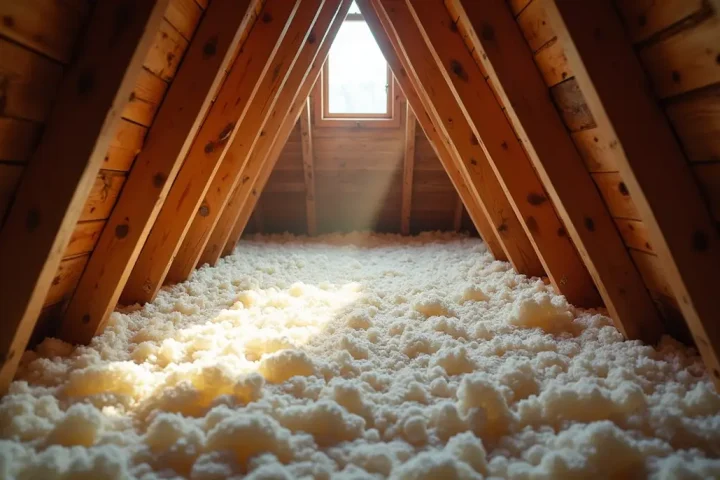
Bats in the attic are a real but usually manageable risk: the dangers are rabies from a bite you may not notice, and histoplasmosis from disturbing droppings that have built up for years. About 5 to 6 per cent of bats sent to US labs for testing carry rabies, and those are bats people already suspected. The colony overhead is rarely the problem on its own; handling a bat, a bat loose in a bedroom, and dry-sweeping old guano are. Removal is legal only outside the maternity season, which in most states covers early summer.
The risks, ranked by how they actually happen
| Risk | How it happens | How likely | Source |
|---|---|---|---|
| Rabies | A bite or scratch, often too small to see, usually when a bat is handled or reaches a living space | 5.7 per cent of bats submitted for testing in 2024 were positive; tested bats are not a random sample | CDC authors, JAVMA 2026 (2024 data) |
| Histoplasmosis | Breathing spores from droppings that have sat for years, when they are swept, shovelled or blown about | Low for fresh droppings; elevated for accumulations of a year or more | CDC NIOSH; Wisconsin DHS P-03621; Purdue ADM-11 |
| Odour and staining | Urine and droppings soak into insulation, ceilings and walls | Common with any established colony | Purdue ADM-11 |
| Bats entering rooms | Young bats or strays find gaps around attic hatches, chimneys and light fittings | Most often in mid-July and August | Penn State Extension; Purdue ADM-11 |
| Legal trouble | Sealing bats in during maternity season, or killing protected species | Certain if done in the closed window in states that set one | Wisconsin DNR; Florida FWC; NC Wildlife Resources Commission |
Compiled by The Pest Control Brief from the named sources.
Rabies: what the numbers say
The CDC-authored national surveillance report for 2024 counted 1,376 rabid bats, at 5.7 per cent of bats submitted for testing, against 10.1 per cent for raccoons and 1.3 per cent for cats. Across all 90,343 animal samples, 4.2 per cent were positive. Those bats were sent in because someone was bitten, found one indoors, or saw one acting sick, so the share in a healthy attic colony is far lower: Penn State Extension puts rabies in clinically normal bats at less than 0.5 per cent. Purdue’s extension specialist says the great majority of house-infesting bats in Indiana are not rabid.
The reason bats still dominate the human statistics is the bite you do not notice. A January 2026 MMWR report counted 42 US-acquired human rabies cases from 2000 to 2024, and bat contact caused 35 of them, or 83 per cent. In the 2024 Minnesota case it describes, a bat had been trapped in the woman’s house for several days; she was a deep sleeper, the bat was never tested, and nobody reported the encounter. Rodents, by contrast, almost never figure; our page on whether rats carry rabies shows how rarely they are involved.
When a bat counts as an exposure
The 2026 MMWR notes that the federal immunisation committee includes people who have slept in a room where a bat was present among those recommended post-exposure treatment, because they are at increased risk of an unrecognised bite. The 2019 CDC Vital Signs report adds a young child or a mentally impaired person in a room with a bat, and says that if the bat cannot be tested, people should assume a potential exposure and urgently seek care from their medical provider. A colony in the attic, with no bat in the living space, does not meet that description. If a bat does turn up in a bedroom, call your doctor or local health department before releasing it; our guide to what to do about a bat in the house covers safe capture.
Is bat poop in the attic dangerous?
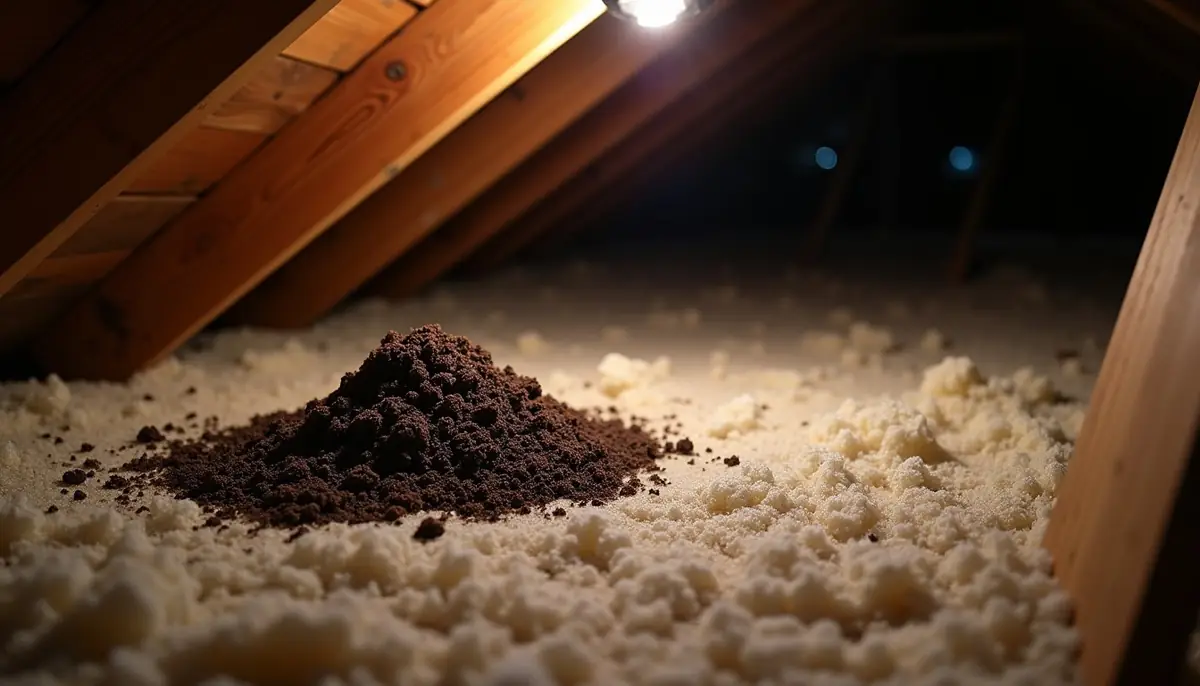
Old bat poop can be; fresh droppings rarely are. The histoplasmosis fungus lives in soil and debris that contain large amounts of bird or bat droppings, according to CDC NIOSH, and needs time to grow. Purdue says droppings that have decomposed for 2 to 5 years or longer provide an ideal habitat for the spores. The Wisconsin Department of Health Services says the risk from fresh droppings is low and rises for droppings that have built up for a year or more.
CDC NIOSH says most people exposed never have symptoms. When symptoms come, they usually appear 3 to 17 days after exposure, and Wisconsin DHS lists fever or chills, cough, chest pain and tiredness, with people who have weakened immune systems more likely to become seriously ill. Anyone unwell after attic work should see a doctor and mention the droppings, since histoplasmosis resembles common respiratory illness.
The cleanup rules the agencies give
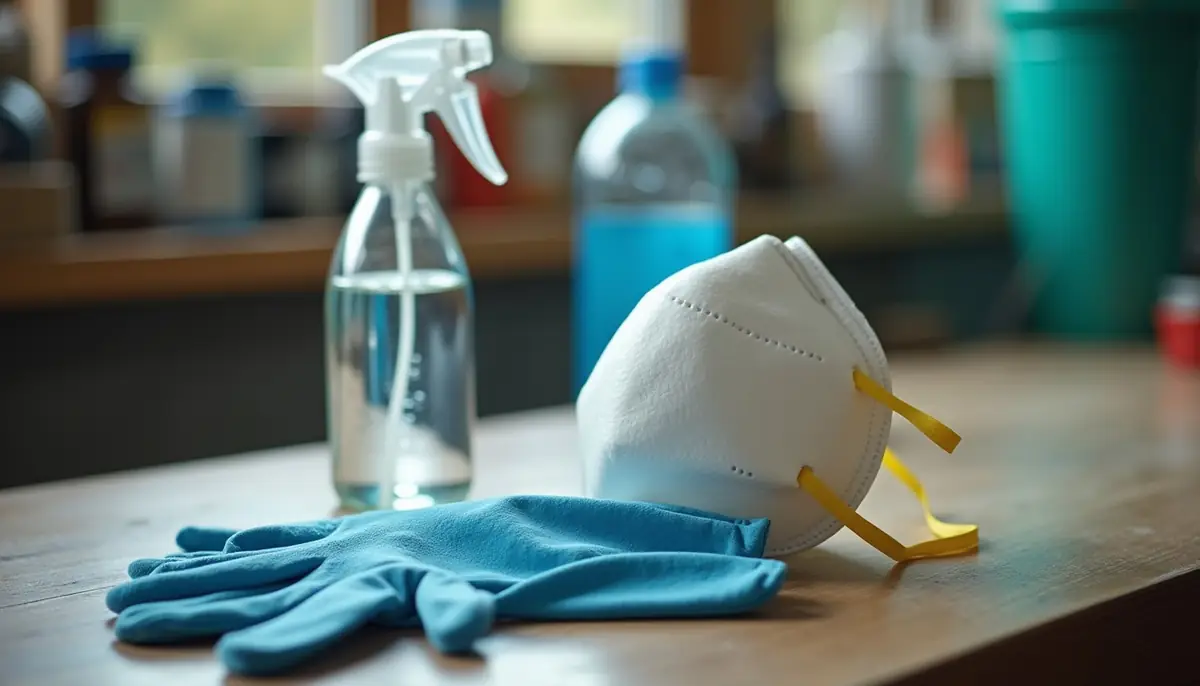
- Never sweep or shovel it dry. The 2005 NIOSH booklet says carefully wetting the material with a water spray reduces the dust raised, and Purdue advises lightly misting droppings before scooping them into plastic bags. Mouse droppings need a different, disinfectant-based method, set out in our mouse droppings and hantavirus cleanup guide.
- Wear a respirator, not a dust mask. CDC NIOSH lists N95 filtering facepieces, elastomeric respirators and powered air-purifying respirators, and notes that an N95 gives only about 20 per cent of the protection of a full facepiece or powered unit, so it suggests the higher grades for high-risk work such as disturbing large accumulations.
- Bag everything and keep it wet. Wisconsin DHS says to keep contaminated material wetted and in secure containers; NIOSH adds disposable coveralls with hoods and shoe covers, sealed in heavy-duty bags afterwards.
- Leave big jobs to a contractor. NIOSH notes that truck-mounted vacuum systems are used for buildings with large accumulations. Our cost guide puts guano cleanup at $500 to $5,000 in contractor-reported estimates, depending on attic size.
Bat droppings crumble to a dry powder and are often confused with mouse droppings, which carry different risks. Our droppings identification guide shows how to tell mouse, rat and other pellets apart.
The smell, the stains and the noise
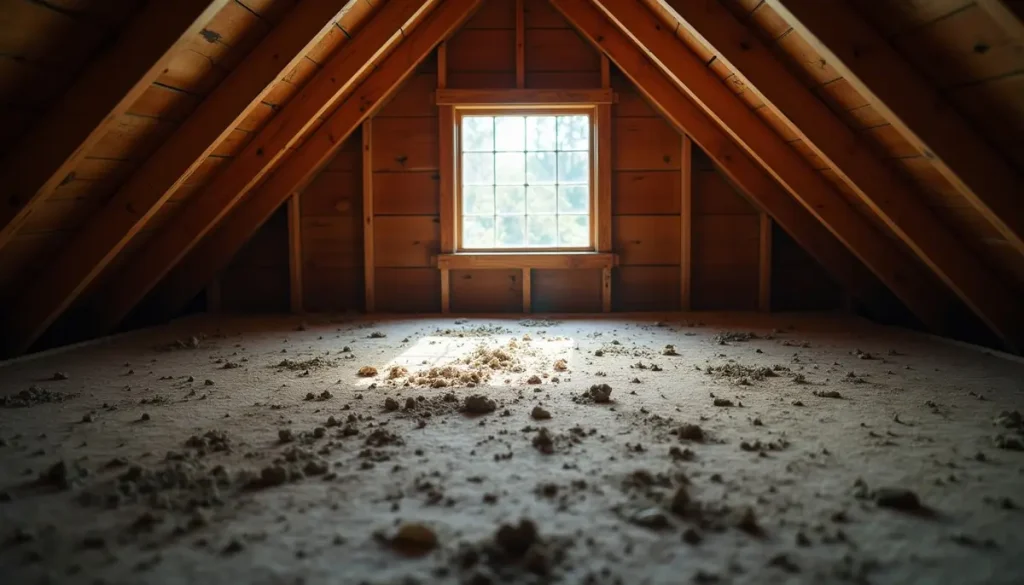
Purdue’s bat publication lists three nuisance problems besides disease: scratching and squeaking noises, droppings and urine that stain walls and ceilings, and objectionable, persistent odours that may attract insects and other bat colonies even after the original colony is gone. Colonies in homes range from a dozen to several hundred bats, and Purdue says a colony of more than 200 is likely little brown bats. Old, dried droppings can look like coffee grounds on the attic floor, and greasy smudge marks often show at the entry gaps.
The noise pattern helps separate bats from other attic animals. Bats leave at dusk, and Purdue says most are out within 60 minutes of the first exit and back by dawn, so the sound is a rustle at dusk and dawn in one area. Scurrying and gnawing through the night fits rodents instead; our attic diagnostic table for mice in the attic compares the timing and droppings of mice, rats, squirrels and bats.
Why you cannot just seal them in, and when you can act
Exclusion means letting bats out through one-way devices, then sealing the gaps. Timing is fixed by the young: big brown bats bear two pups and little brown bats one, born in June and July according to Purdue, and pups cannot fly for 3 to 7 weeks. Seal a roost then and the young die inside, which brings the odour problem with it. Several states turn that into law.
| State or source | Exclusion closed | Detail |
|---|---|---|
| Wisconsin DNR | June 1 to August 15 | Protects little brown, big brown, northern long-eared and tricolored bats; summer exclusion only with a health exemption form, except at hospitals, clinics, daycares, nursing homes and restaurants |
| Florida FWC | April 16 to August 14 | Illegal to harm or kill bats in Florida; exclusions must be complete by April 15 |
| North Carolina WRC | May 1 to July 31 | Licensed wildlife control agents may not evict or exclude; exceptions case by case |
| Purdue Extension (Indiana guidance) | Mid-May to mid-August | Advises mid-August or later, or late fall after bats leave to hibernate |
Compiled by The Pest Control Brief from Wisconsin DNR (2021), Florida FWC (2015), NC Wildlife Resources Commission guidance and Purdue ADM-11. Dates are set state by state; confirm yours with your state wildlife agency before work starts.
Winter brings its own catch. The NIOSH booklet notes that some bats hibernate in the same building rather than migrating, that disturbing hibernating bats is likely to kill them, and that work which might disturb such a colony should be delayed until spring. Wisconsin DNR recommends exclusion when temperatures are consistently above 50°F, with one-way devices left in place for 7 to 10 days. Purdue says bats can use an opening of 3/8 inch, so every gap counts.
What all of this costs, including the maternity-season delay and the cleanup that often exceeds the exclusion itself, is set out in our guide to bat removal cost. Repellents are not a shortcut: the NIOSH booklet says ultrasonic devices and chemical repellents are ineffective for clearing a roost.
Is it dangerous to leave them up there?
Leaving a colony is lawful during maternity season and often the only option until mid-August, and the risk in those weeks is modest if nobody disturbs the droppings and gaps into living rooms are sealed. A grounded or dead bat should never be picked up bare-handed; our page on finding a dead bat covers testing and handling. Over years the balance shifts, because guano only gets older and the fungus needs that time. NIOSH’s view is that the best practice is to prevent accumulation in the first place.
Bats eat night-flying insects, but the evidence on how many mosquitoes they remove is weaker than often claimed; our page on what actually eats mosquitoes reviews it.
Frequently asked questions
Are bats in the attic dangerous?
Sometimes, mainly through rabies and histoplasmosis. In 2024, 5.7 per cent of bats submitted for testing in the US had rabies, and bats caused 35 of 42 US-acquired human cases from 2000 to 2024, far more than animals such as opossums, which rarely carry rabies. Histoplasmosis risk comes from disturbing droppings a year old or more.
Can bats get from the attic into the house?
Yes, through gaps around attic hatches, chimneys, pipes and light fittings. Penn State Extension says single bats enter living areas most often on summer evenings in mid-July and August, when young bats are learning to fly. Sealing gaps between the attic and the rooms below does not shut the colony out of its roost, so it can be done while the bats are still there.
Is it safe to sleep in a house with bats in the attic?
Generally yes, if no bat is getting into bedrooms. The CDC concern is a bat in the room where someone was sleeping, because bites can go unnoticed. If you wake to a bat in the bedroom, contact your doctor or local health department and, if it can be done safely, keep the bat for testing.
Can I remove bats from my attic in summer?
Usually not. Wisconsin closes exclusion from June 1 to August 15, Florida from April 16 to August 14, and North Carolina from May 1 to July 31 for licensed agents, so that flightless pups are not sealed inside. Purdue advises mid-August or later. Some states allow health exemptions; check with your state wildlife agency.
Sources
- Keshavamurthy R and colleagues (CDC Poxvirus and Rabies Branch), Rabies surveillance in the United States during 2024, Journal of the American Veterinary Medical Association, 2026.
- Ireland M, Fritz CL and colleagues, Human Rabies Deaths: Minnesota and California, 2024, MMWR 75(2), January 2026.
- CDC, Vital Signs: Trends in Human Rabies Deaths and Exposures, United States, 1938 to 2018, MMWR 68(23), 2019.
- CDC NIOSH, Histoplasmosis key points and Personal Protective Equipment guidance; Histoplasmosis: Protecting Workers at Risk, DHHS (NIOSH) Publication 2005-109 (superseded by 2022-103 and 2022-104).
- Wisconsin Department of Health Services, Histoplasmosis: Employers and Workers, P-03621.
- Purdue University Extension, ADM-11-W, Bats, J. Loven.
- Penn State Extension, A Homeowner’s Guide to Northeastern Bats and Bat Problems.
- Wisconsin Department of Natural Resources, news release on bat exclusions and the June 1 to August 15 maternity season, April 2021.
- Florida Fish and Wildlife Conservation Commission, Bat maternity season starts April 15, March 2015.
- North Carolina Wildlife Resources Commission, Managing Conflicts with Bats.