Yellow Jackets: Why Autumn Is When People Get Stung
A yellowjacket colony peaks at 1,500 to 15,000 workers in August and September, which is exactly when the larvae stop supplying the adults with food and the workers switch to scavenging sugar. Peak numbers and food scarcity arrive in the same fortnight, and that is the whole explanation for late-season aggression. They sting repeatedly because the sting has no barb, and crushing one releases an alarm pheromone that recruits the nest.
Yellowjackets are the wasp that puts people in hospital, and the one most often treated as a do-it-yourself job because the nest is in the ground and looks manageable. The seasonal biology explains both why they become a problem and why the timing of any intervention matters more than the product used.
The colony year
A colony starts each spring with a single overwintered queen working alone. She builds the first cells, rears the first workers, and from then on the workers take over foraging while she lays. Through early summer they hunt protein, mostly other insects, to feed the larvae.
The larvae return the favour. They secrete a sugary material the adults feed on, so through the growing season the colony is self-supplying. In late summer the queen stops laying, the larvae mature out, and that food source disappears at the moment worker numbers are at their highest.
The adults then have to find sugar elsewhere, which means bins, fallen fruit, drinks and food outdoors. That is the wasp at the picnic, and it is a colony under nutritional pressure rather than a newly aggressive species.
Scale varies. University of California puts a typical colony at 1,500 to 15,000 workers, Cornell reports 5,000 or more by summer’s end, and a documented eastern yellowjacket ground nest held over 2,800 wasps across eight comb levels. In the Deep South some colonies do not die off in winter at all: Texas A&M has recorded perennial nests several feet across, one reaching 2.5 metres with 74 comb layers.
Ground nests, aerial nests and what is not a hornet
| Type | Genus | Where the nest is | Practical note |
|---|---|---|---|
| Yellowjackets | Vespula | In the ground, in wall voids, under decking | Entry hole may be far from the nest itself |
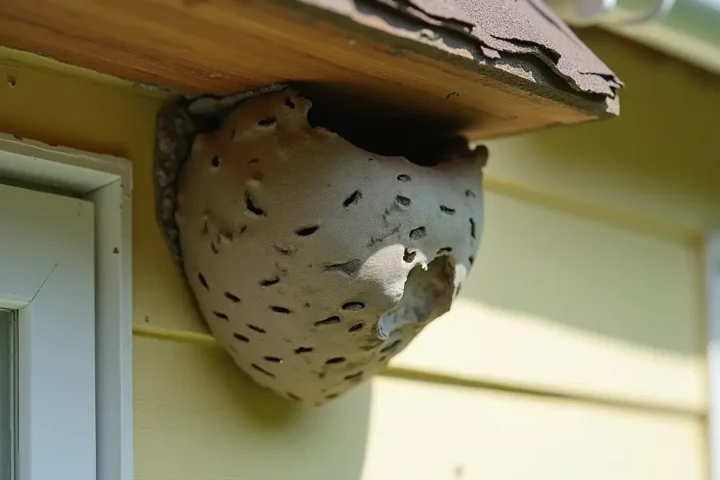
| Aerial yellowjackets | Dolichovespula | Exposed paper nests in shrubs and eaves | Includes the baldfaced “hornet” |
The baldfaced hornet is not a hornet. It is an aerial yellowjacket, and the distinction matters because the removal approach for an exposed aerial nest differs from a void or ground nest where the colony is out of sight and the extent is unknown.
The wall void case is the one that goes wrong. Treating the entry hole without knowing where the comb sits can drive wasps into the living space, and sealing an active entrance without treating it reliably does so. Our wasp nest removal pricing explains why void nests carry a premium.
Do nests get reused?
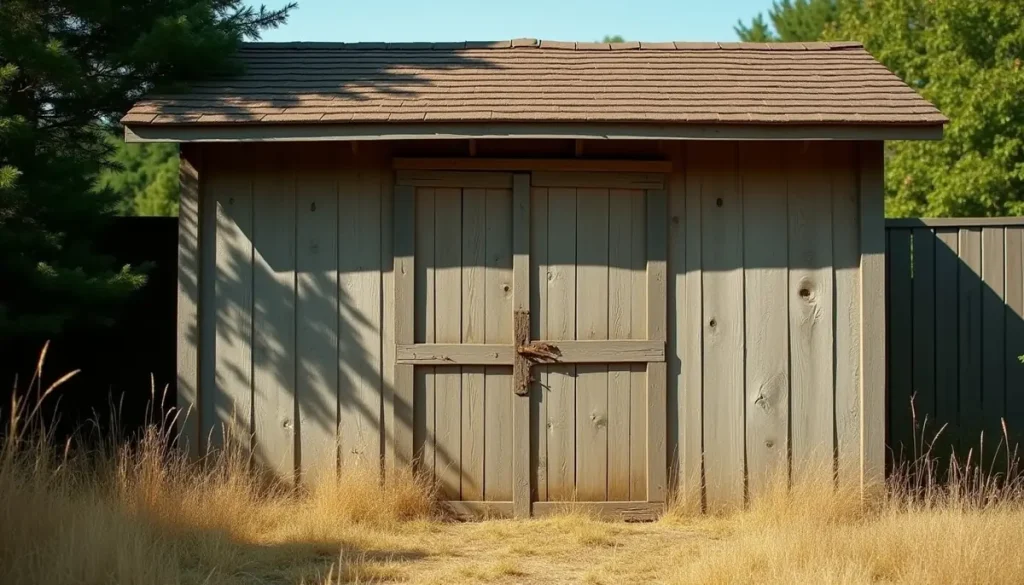
Generally no. Virginia Tech is unambiguous: abandoned nests are not reused the following year, and each queen starts a new nest in a new location each spring. An old paper nest in a shed is a historical artefact, not a returning problem.
Two exceptions are documented. The German yellowjacket may occasionally reuse a nest, and nests in attics or other temperature-controlled spaces can overwinter. Perennial nests are more common in the Deep South.
Why the sting is different
A wasp sting has no barb, so a yellowjacket can sting repeatedly, and does so particularly when it gets inside clothing. Only females sting. Attacking or crushing one releases an alarm pheromone that recruits nestmates, which is why swatting a yellowjacket near its nest is the single worst response available.
On the medical side, the CDC recorded 788 deaths from hornet, wasp and bee stings between 2011 and 2021, an average of 72 a year, ranging from 59 to 89, with 84 per cent of the deaths in men. That figure covers all stinging hymenoptera together; there is no yellowjacket-specific breakout. Systemic allergic reactions affect roughly 3 per cent of adults and 1 per cent of children.
Most stings are painful rather than dangerous. The risk that justifies professional handling is the combination of a large colony, multiple stings, an unknown nest location and the possibility of an undiagnosed allergy.
What to do, and when
- Treat at dawn or after dark, when foragers are back in the nest and the whole colony is present. A midday treatment kills the wasps that happen to be home.
- Do not seal an active entrance before the colony is dealt with. Sealed-in wasps in a wall void chew toward the light, which is usually your side of the wall.
- Never plug a ground nest or pour fuel into it. It does not work, it is dangerous, and in the case of fuel it is illegal in most places and contaminates soil and groundwater.
- Keep the bins and fruit managed from August. Removing the sugar sources reduces scavenging pressure more than any spray.
- Walk away from a ground nest you disturb with a mower. Move steadily out of the area rather than swatting, which releases the alarm pheromone.
- Call a professional for wall voids, attics, nests near doorways or high traffic, any colony at peak season, or if anyone on site has a known sting allergy.
- Late autumn resolves most of it. Outside the Deep South, the colony dies with the first hard frosts and only the fertilised queens survive to start again.
For the beneficial side of the ledger, yellowjackets are significant predators of caterpillars and other insects through the summer, which is a genuine argument for leaving a nest alone when it is well away from where people go. The bee removal question is different again, since honey bees should be relocated rather than killed.
Frequently asked questions
Why are yellowjackets so aggressive in late summer?
Because the colony peaks at the moment its internal food supply ends. Through summer the larvae secrete a sugary substance the adult workers feed on. In August and September the queen stops laying, the larvae mature out, and thousands of workers must find sugar elsewhere, which brings them to bins, fruit and food outdoors.
Can yellowjackets sting more than once?
Yes. Unlike a honey bee, a wasp sting has no barb, so it can be used repeatedly, especially if the wasp gets inside clothing. Only females sting. Crushing or swatting one releases an alarm pheromone that recruits other wasps from the nest.
Do yellowjackets reuse their nests?
Usually not. Nests are abandoned each autumn and each new queen builds in a new location the following spring. The documented exceptions are the German yellowjacket, which may occasionally reuse a nest, nests in heated spaces such as attics, and perennial colonies that are more common in the Deep South.
How many people die from wasp stings each year?
The CDC recorded 788 deaths from hornet, wasp and bee stings combined between 2011 and 2021, averaging 72 a year and ranging from 59 to 89, with 84 per cent of deaths in men. Around 3 per cent of adults and 1 per cent of children experience systemic allergic reactions to stings.
Sources
- Virginia Tech Extension ENTO-49, yellowjackets and other social wasps, on nest reuse and seasonal diet.
- University of California Statewide IPM Program, yellowjackets and other social wasps, on colony size and sting biology.
- Cornell University and UF/IFAS on colony size and documented ground nest structure.
- Texas A&M AgriLife Extension on perennial nests in the southern states.
- CDC, MMWR QuickStats, deaths from hornet, wasp and bee stings, 2011 to 2021.