Yellow Jackets in a Wall: What to Do (and Never Do)
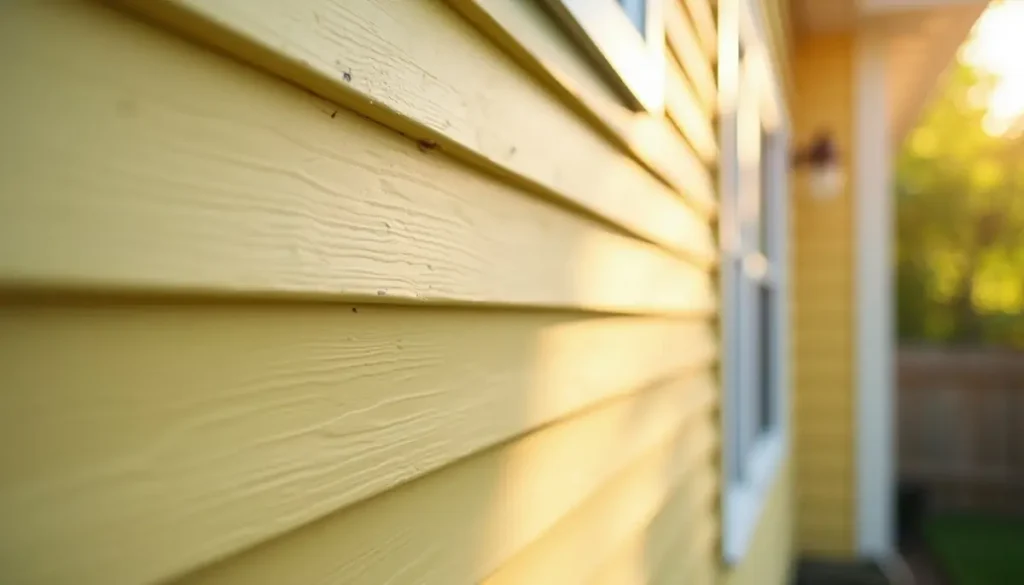
Yellow jackets in a wall are a live colony nesting in the cavity, and the one rule is: do not plug, caulk or spray foam into the entrance while wasps are still flying. Penn State, Virginia Tech and the Connecticut Agricultural Experiment Station all warn that trapped workers may chew through the interior wall into your rooms. Have the entrance treated, usually with an insecticidal dust at night, wait until traffic stops, then seal. North of the Deep South, the first hard frosts end the colony anyway.
The hole outside is only the doorway. Virginia Tech notes that a wall nest may sit some distance from the entrance, which is why spraying into the gap from a ladder so often fails.
The rule in one table
| Do | Do not | Why (source) |
|---|---|---|
| Leave the outside hole open while wasps are active | Caulk, tape, foam or mesh the entrance | Blocked workers “may chew through interior wall coverings” to reach living space (Penn State Extension, German yellowjacket) |
| Mark the entrance in daylight from a distance | Stand at the hole and watch traffic close up | Do not disturb the colony; mark the nest so it can be found at night (Connecticut Agricultural Experiment Station) |
| Treat after dark, when foragers are home | Treat at midday | Wasps are most likely to be in the nest at night (UC IPM Pest Notes 7450); poor night vision and cool temperatures slow them (CAES) |
| Use a dust labelled for the site, carried in by the wasps | Use a product labelled only for outdoor use inside the house | Dusts are usually the best option for a concealed nest (Penn State); never use an outdoor-only material indoors (Virginia Tech ENTO-49) |
| Seal the gap once traffic has stopped | Leave the gap open into next spring | Sealing cracks stops new queens choosing the same void (Virginia Tech) |
| Call a professional for any nest inside a wall or attic | Cut into the drywall yourself to find it | Penn State advises that nests within walls or an attic “be treated by professionals” |
Why the sealed hole is the classic mistake
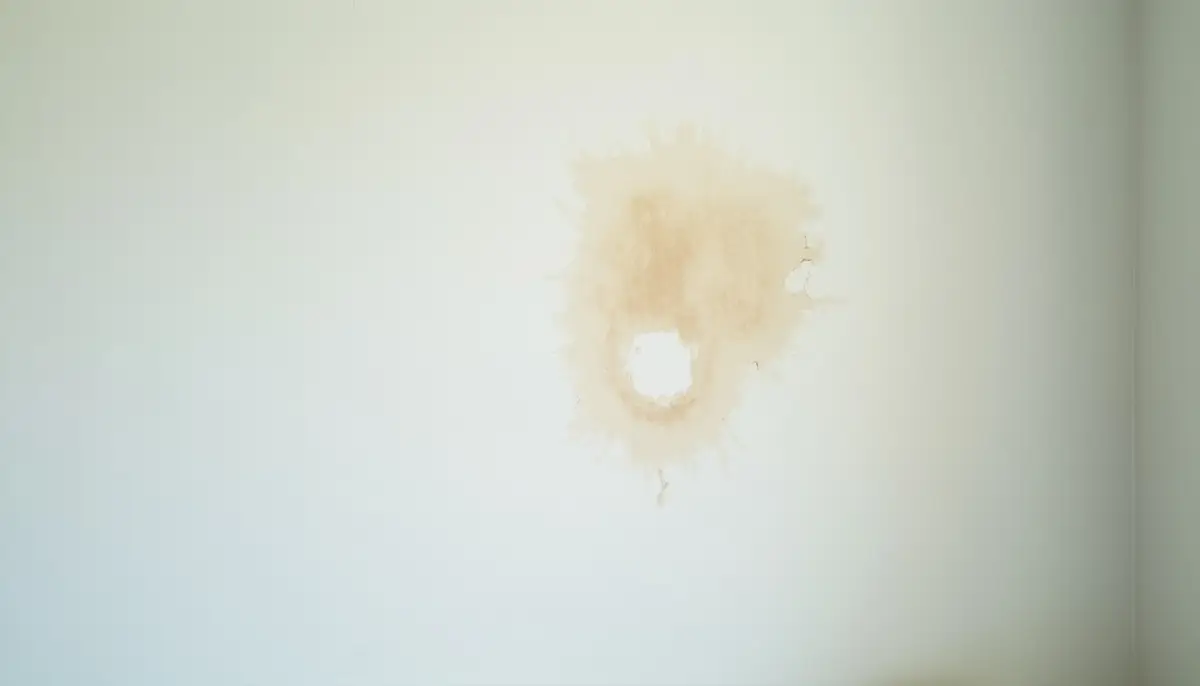
A yellow jacket colony enlarges its cavity as it grows. UC IPM Pest Notes 7450 describes workers moistening and digging to make a burrow bigger, and says the same behaviour inside a house “sometimes leads to a wet patch that develops into a hole in a wall or ceiling.” The drywall is simply the softest material in the way.
Block the outside exit and that chewing has a new purpose. Penn State’s eastern yellowjacket fact sheet puts it in capitals: “NEVER attempt to control yellowjackets in a wall by plugging the opening,” because they can “chew through the interior sheetrock walls and enter the home.” Virginia Tech’s ENTO-49 gives the same warning in almost the same words, and the CAES fact sheet by Dr Gale Ridge says simply: “Do not plug the access hole.”
UC IPM puts yellow jacket colonies at 1,500 to 15,000 individuals depending on species; Penn State says German yellowjacket nests usually hold 1,000 to 3,000 workers by autumn; CAES gives a peak of 1,000 to 4,000.
How the colony builds up through the season
In Pennsylvania, Penn State dates eastern yellowjacket nest founding to May or early June, with the first workers in June and males and new queens in August and September. CAES puts the first 5 to 7 workers at about 30 days after the queen starts building. From then on the queen stays inside laying eggs and the workers do everything else, including enlarging your wall cavity. A nest noticed in July still has its biggest weeks ahead; one noticed in October is near its end.
Our analysis of iNaturalist research-grade records shows the same late peak: the yellowjacket seasonality index runs 63 in July, 208 in September and 251 in October, then 64 in December. The month-by-month pattern for ground nests is on our page about why yellow jackets nest in the ground and how long those nests last.
How to tell yellow jackets are in your walls
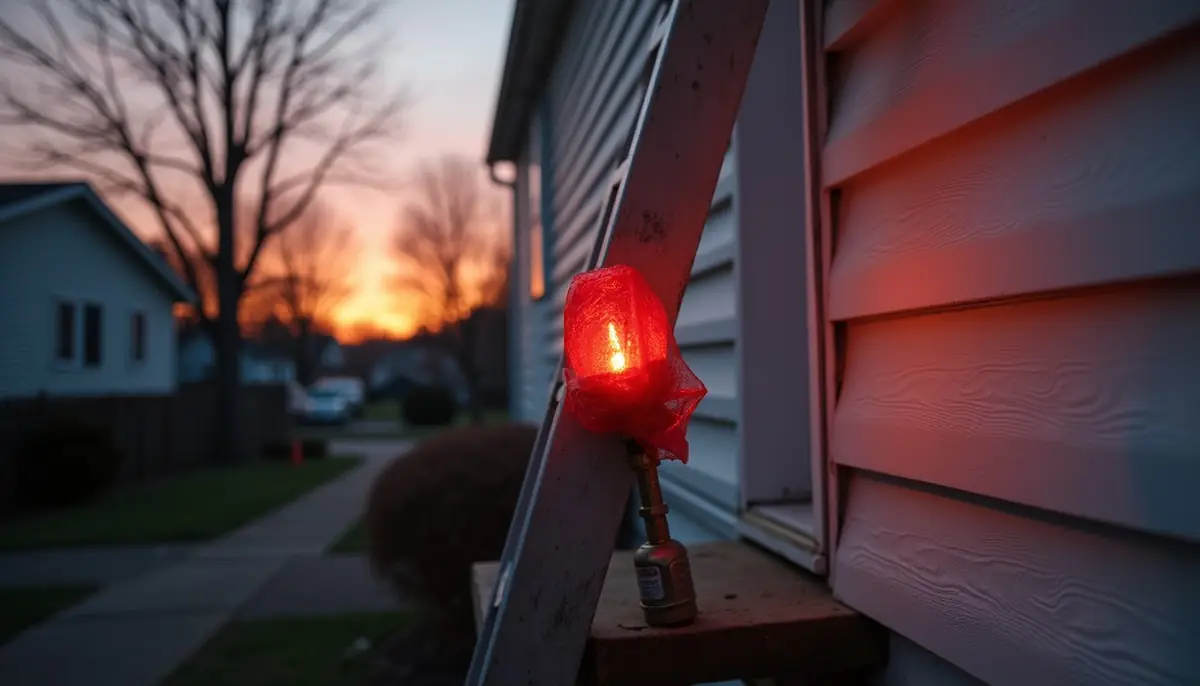
- A steady flight line at one gap in siding, trim or a vent indicates a probable nest (UC IPM Quick Tips). Vespula nests often have more than one entrance (Virginia Tech).
- Yellow jackets indoors in late summer and autumn. CAES notes that yellow jackets flying inside the home during the fall “may indicate a nest in a nearby wall cavity,” drawn to the warmth as it cools outside. Our guide to why wasps turn up inside the house in autumn covers the other causes.
- A damp or soft patch on the inside wall, the wet patch UC IPM describes. Keep that room closed until the nest is treated.
- Sound through the wall. Ohio State’s HYG-2075 suggests pinpointing the nest by listening with an ear or a stethoscope against the wall. Workers are about ½ inch (13 mm) long, Penn State says.
Exception one: it is honey bees, not yellow jackets
Honey bees also nest in wall voids, and the plan is the opposite. UC IPM describes them as less brightly striped and hairier than yellow jackets, and notes they often nest in cavities in trees or houses. Mississippi State Extension says an established honey bee colony will not leave on its own, and killing it leaves comb that melts without bees to cool it and draws other pests; our page on bees in a wall and why the comb has to come out explains who to call.
If you are unsure which insect is at the hole, our wasp versus bee comparison covers the quick checks.
The European hornet, a larger brown and yellow wasp, also nests in wall voids and flies at night; the European hornet guide covers its nests.
Exception two: the nest that does not die in winter
Penn State says German yellowjackets “usually build annual nests” and the simplest control is to wait for the first hard frost or two, but adds that nests in a heated, insulated structure can survive into a second season. Virginia Tech says perennial nests are “more common in the Deep South,” and UC IPM records multi-year colonies in very mild winters and coastal California south of San Francisco. In those places, or beside a warm chimney, do not count on winter.
Exception three: you cannot wait
Waiting suits an entrance away from doors and paths in a house with no sting allergy. Penn State advises anyone with known sting sensitivity to have nearby nests removed by professionals. A soft spot on the inside wall or wasps already in a room mean call this week, not in October. For sting reactions, CAES lists swelling of the limb, breathing difficulty, hives all over the body and a feeling of impending doom as signs to seek immediate medical attention.
What a professional treatment involves
- Scouting in daylight to find every entrance without disturbing the nest.
- Treatment after dark. An insecticidal dust labelled for the site goes into the entrance so that returning workers carry it into the nest. Penn State says dusts “remain effective for weeks or months after application.”
- A check the next day. Virginia Tech advises watching the entrance the next day and treating again at night if workers are still flying, and says large nests may need several treatments.
- Nest removal where practical. Virginia Tech advises removing wall and attic nests promptly once the wasps are dead, because they “may attract other insects or mice” that feed on dead adults and brood. If small bristly larvae later turn up near that wall, our carpet beetle guide helps identify them.
- Sealing. Only once traffic has stopped.
Our wasp nest removal cost guide lists published estimates averaging about $630 for a nest inside a wall, against $275 to $600 outdoors below the roofline, with yellow jackets the priciest species at $500 to $1,300.
What extension services say, side by side
| Source | On plugging the hole | On treatment | On winter |
|---|---|---|---|
| Penn State, eastern yellowjacket | Never plug; workers chew through sheetrock | Wall and attic nests to professionals; dust at night | Queens overwinter under bark, leaf litter |
| Penn State, German yellowjacket | Do not cover or close the outside entrance | Dust is usually best for a concealed nest | Wait for first hard frost or two; heated voids may survive |
| Virginia Tech ENTO-49 | Do not plug; workers may chew into the living area | Licensed operator for interior wall voids; remove dead nest | Nests not reused; perennials more common in Deep South |
| CAES (Connecticut) | Do not plug the access hole | Never treat in daytime; treat at night | Colony dies by heavy frost; one season only |
| UC IPM Pest Notes 7450 | Wet patch can become a hole in a wall | Professional help is easiest and safest | Some colonies last years in mild winters |
Compiled by The Pest Control Brief from the named extension publications.
Is there a natural way to get yellow jackets out of a wall?
The only non-chemical option these sources endorse for a wall nest is time: Penn State’s “wait until the first hard frost or two.” Soapy water or peppermint sprays cannot reach a nest feet from the entrance, and Virginia Tech warns against smoking, burning or pouring gasoline or bleach into yellow jacket nests. Our guide to getting rid of wasps by nest type covers exposed nests, where the choices are wider.
For the whole colony year and why late summer is when people get stung, read our yellow jacket season explainer.
Frequently asked questions
Is it okay to leave a yellow jacket nest in the wall?
Sometimes. If the entrance is away from doors, nobody is allergic and there is no soft spot inside, Penn State says the simplest control for annual nests is to wait for the first hard frost or two. Leave the hole open and seal it once traffic stops. In the Deep South or a heated void, have it treated.
How long can yellow jackets live trapped in a wall?
No extension source gives a survival time for a sealed-in colony. What Penn State and Virginia Tech agree on is that trapped workers chew a new exit, often through the interior wall, rather than quietly dying. Outside the Deep South the colony dies with the first hard frosts of autumn; perennial nests in warm areas can last into a second year.
How to tell if yellow jackets are in your walls?
Watch for wasps flying straight in and out of one gap in siding, trim or a vent, yellow jackets appearing indoors in late summer or autumn (a sign of a nearby wall nest, according to the Connecticut Agricultural Experiment Station), and a damp or soft patch on the inside of the wall, which UC IPM says can develop into a hole.
Will yellow jackets chew through drywall?
Yes. UC IPM describes workers enlarging a wall cavity until a wet patch becomes a hole in the wall or ceiling, and Penn State warns that with the outside entrance plugged they may chew through interior wall coverings into the house.
Will yellow jackets come back to the same wall next year?
Not to the old nest. Virginia Tech says abandoned nests are not reused and each queen starts afresh in a new place each spring. A new queen can still pick the same void if the gap stays open, so seal cracks once the colony has died.
Sources
- Penn State Extension, Eastern Yellowjacket (Vespula maculifrons) fact sheet.
- Penn State Extension, German Yellowjackets fact sheet.
- Virginia Cooperative Extension, Yellowjackets in Virginia, ENTO-49, Virginia Tech.
- Ohio State University Extension, Yellowjackets, fact sheet HYG-2075.
- Mississippi State University Extension, Bug-Wise No. 7, Dealing With Problem Honey Bees, 2005.
- Ridge, G. E., Yellowjackets (Family Vespidae), The Connecticut Agricultural Experiment Station fact sheet.
- Mussen, E. C. and Rust, M. K., Pest Notes: Yellowjackets and Other Social Wasps, UC ANR Publication 7450, University of California Statewide IPM Program, and UC IPM Quick Tips: Yellowjackets.
- The Pest Control Brief analysis of iNaturalist research-grade records, pulled October 2026 (b19 to b30 files).