Is It Normal to Have Roaches in Florida? Which Ones Are
Yes: in Florida it is normal to find a large cockroach indoors now and then, because most of the big species breed outdoors in mulch, palms and leaf litter and wander in. It is not normal to see small, striped German cockroaches in the kitchen: that means an indoor infestation. UF/IFAS lists seven cockroaches commonly found in and around Florida homes, and says outdoor species survive poorly indoors, so people often overreact to them. The German cockroach is the exception that needs a plan.
The useful question in Florida is not whether you have roaches but which one you have. The table below sorts the species UF/IFAS names by what a single indoor sighting usually means.
Which Florida roach you saw, and what it means indoors
| Species | Adult length | Where it breeds | One seen indoors usually means |
|---|---|---|---|
| American cockroach | 34 to 54 mm (1.4 to 2.1 in) | Sewers, basements, mulch, trees | A visitor from drains or outside; repeated sightings near drains need sealing |
| Australian cockroach | 32 to 35 mm (about 1.3 in) | Outdoors, greenhouses; also homes in southern states | Usually a wanderer from landscaping; yellow band on the wing edge |
| Florida woods cockroach | 30 to 40 mm (1.2 to 1.6 in) | Tree cavities, stumps, leaf litter, sheds | Carried in, often on firewood; it has no working wings and rarely colonises homes |
| Smokybrown cockroach | 25 to 32 mm (1 to 1.25 in) | Tree holes, woodpiles, attics | Flew in through a lit door or came down from the attic |
| Surinam cockroach | 18 to 25 mm (0.75 to 1 in) | Loose soil and potted plants | Check houseplants; it arrives in their soil |
| Asian cockroach | 13 to 16 mm (0.5 to 0.6 in) | Lawns, leaf litter, mulch | Flew to a light at dusk; survives poorly inside |
| German cockroach | 13 to 16 mm (0.5 to 0.6 in) | Indoors: kitchens, then bathrooms | An indoor population; it does not go away on its own |
Sizes are from the UF/IFAS cockroach species texts (2005) and Featured Creatures EENY-514 (Florida woods cockroach). Compiled by The Pest Control Brief from those UF/IFAS sources and UF/IFAS publication ENY-214.
Five of the seven are what Floridians call palmetto bugs. The name is loose, and our guide to which species people mean by palmetto bug explains why one word covers several insects. If the roach in your hand is under 16 mm, the decision gets harder, because the German and Asian cockroaches are the same size and both carry two dark stripes behind the head.
German or Asian: the one distinction that changes everything
UF/IFAS puts it simply: the Asian cockroach looks very much like a German cockroach, except it flies. Texas A&M adds that Asian cockroach adults become very active at dusk and are drawn to light reflected off light coloured walls, then follow residents from room to room as lamps are switched on and off. A small striped roach that flew to a porch light or a lit window in the evening is very likely Asian. One found running under the sink in daylight, or a group in a cabinet hinge, is German until proven otherwise. Our side by side on how German and American cockroaches differ covers the size and markings check for the other common confusion.
Why Florida has so many cockroaches
Three things stack up in Florida that do not in Seattle or Minneapolis.
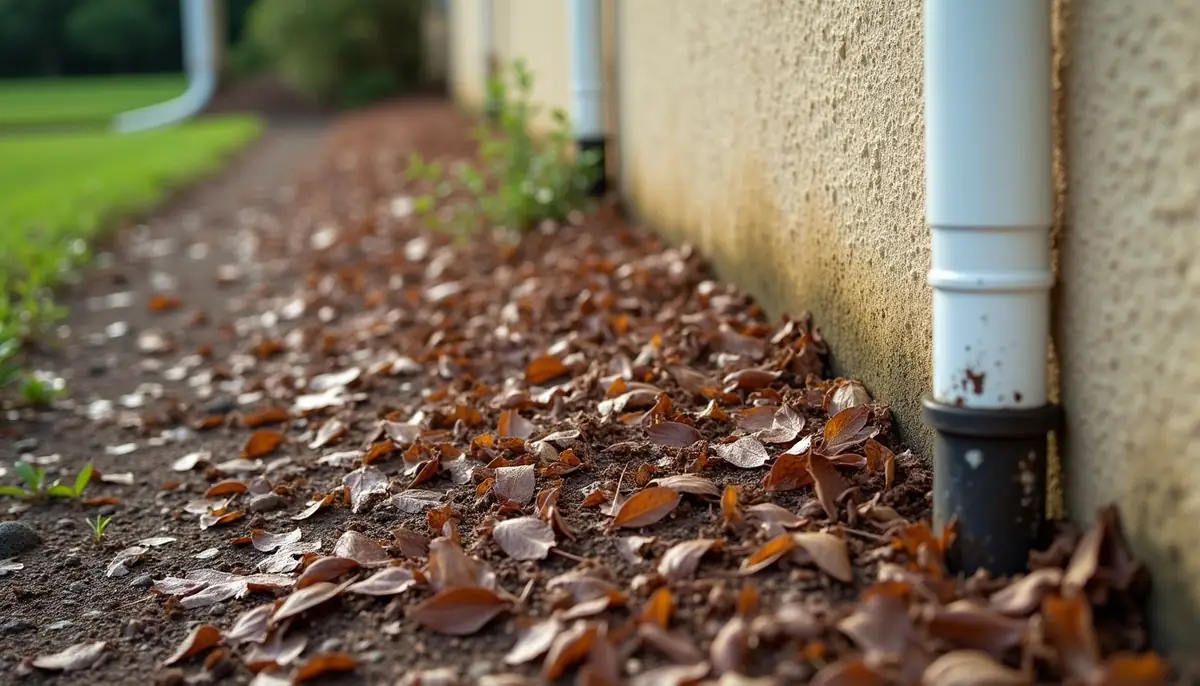
- Outdoor breeding all year. UF/IFAS notes that outdoor cockroaches live in leaf litter, mulch, tree holes and palm trees, and that the large species breed prolifically in pine straw mulch but poorly in gravel or bare soil. Much of Florida’s residential landscaping is exactly that mulch.
- Huge outdoor densities. Texas A&M reports more than 250,000 Asian cockroaches per acre in damp leaf litter and mulch in parts of Tampa. With numbers like that next to the foundation, some will reach the house.
- Weather that pushes them in. UF/IFAS says cockroaches often come indoors during periods of drought because they are looking for moisture. Florida’s dry spring is when that shows up.
The Census Bureau’s 2019 American Housing Survey found that 11.3 per cent of US households reported seeing roaches in the previous 12 months, and that roaches are more common in units in the South and in rented homes. The highest metro was Houston at 35.2 per cent and the lowest Seattle at about 0.7 per cent. The Census summary does not publish a Florida figure, so treat any single Florida percentage you see online with care. The general pattern of what draws roaches into a particular house, mainly water, food and gaps, applies on top of the climate.
What Floridians actually record: our iNaturalist count
We counted research-grade iNaturalist records for each cockroach species in Florida, pulled on 19 November 2026. These are photographed and identified sightings, mostly outdoors, so they show which roaches people notice most often, not how many homes are infested.
The Surinam cockroach (2,471 records) and the Florida woods cockroach (2,318) lead, ahead of the Australian (1,700) and American (1,567). The German cockroach has only 186 records and the Asian 174. The low German count does not mean it is rare: it lives indoors, where few people stop to photograph it. The brownbanded cockroach (16 records) and the brown cockroach (3) barely register, though the brown cockroach is hard to separate from the American in a picture. The Florida woods cockroach result is the one most guides miss: it is a native, slow moving and wingless roach, and UF/IFAS says it has not been shown to commonly colonise inside structures, with only limited reports of attic breeding.
When a Florida roach is not normal
A large roach once every few weeks, usually at night, near a door, garage or drain, is ordinary Florida living. Our page on what finding a single cockroach means sets out a one-week sticky trap test if you are unsure. These signs point to something more than visitors:
- Small roaches, under 16 mm, in kitchen or bathroom cabinets, especially nymphs without wings. German cockroach females carry an egg case of 30 to 48 eggs until it is ready to hatch, according to UF/IFAS, so a few become many quickly.
- Pepper-like droppings in cabinet corners or along hinges, and a musty, oily odour that UF/IFAS describes as offensive and long lasting.
- Large roaches seen several times a week in the same bathroom or kitchen, which usually means a plumbing gap or a breeding site in the wall, garage or attic.
- Small brown roaches around houseplants: the Surinam cockroach lives in loose soil and, UF/IFAS says, infests homes when potted plants are brought inside.
Large American cockroaches indoors have their own pattern, covered in our guide to American cockroaches in the house and whether they are breeding there. UF/IFAS describes the American cockroach as more common in commercial buildings than in homes, and notes it is often confused with the brown cockroach.
If you are not sure what you caught, compare it against our cockroach identification guide with the five US species to scale. Length, wing length and the markings on the shield behind the head separate most Florida species in a minute.
What to do in a Florida home
UF/IFAS says that for outdoor cockroaches, removing the insect from the house is often all that is needed. For keeping them out, its outdoor programme reports an 80 per cent or better reduction in cockroach abundance from these steps:
- Keep only a thin layer of mulch within 1 ft (30.5 cm) of the foundation so it dries out.
- Seal cracks and gaps; UF/IFAS notes adult cockroaches fit into cracks about 1/16 inch wide.
- Stack firewood off the ground and away from the house, and keep ivy and shrubs trimmed back from the walls.
- Where a product is used, apply it within 3 ft (91.5 cm) of the house in pine straw, leaves or ivy, following the label, and never use bait and liquid in the same spot.
- For Asian cockroaches, cut back on exterior lighting at dusk, since adults fly to lit surfaces. Texas A&M reports that indoor insecticide applications have been completely ineffective against them because only a few enter a house each night.
German cockroaches are different. A bait and growth regulator programme can work for a small infestation, but an established one in an apartment or multi-unit building is usually a job for a licensed professional, because UF/IFAS warns that infestations migrate between units through plumbing in shared walls. If you rent, our guide to cockroaches in an apartment and who must treat them covers the Florida statute that makes extermination the landlord’s job in most multi-unit buildings.
UF/IFAS advises getting estimates from several firms before hiring one, and notes that IGRs take four to six weeks to show a noticeable drop in numbers. The full species-by-species plan, including which baits suit which roach, is in our guide to how to get rid of roaches.
Frequently asked questions
Is it common to find roaches in your house in Florida?
Yes. UF/IFAS lists seven cockroach species commonly found in and around Florida homes, and the large ones (American, Australian, smokybrown, Florida woods) mostly live outside and wander in. An occasional large roach indoors is normal. Small striped roaches breeding in the kitchen are not; they are German cockroaches. Our overview of the common house bugs Floridians find puts roaches alongside ants, termites and flying insects.
Should I worry if I see one roach?
Usually not, if it is large and you saw it at night near a door, drain or garage. UF/IFAS says outdoor cockroaches survive poorly indoors and people often overreact. Worry more if it was small (under 16 mm, about 5/8 inch), striped, seen in daylight, or in a kitchen cabinet, because that pattern fits the German cockroach. Set sticky traps for a week to find out.
Which state has the worst roaches?
No federal survey ranks states. The Census Bureau’s 2019 American Housing Survey reports by metro area: Houston had the highest share of households seeing roaches, 35.2 per cent, against 11.3 per cent nationally and about 0.7 per cent in Seattle. The survey found roaches more common in the South. Florida’s outdoor species and year-round warmth put it in that group.
Do roaches go near sleeping people?
They can cross a bed, but they are not looking for people. UF/IFAS says cockroaches hide in dark, sheltered places by day and come out at night to feed, so they move about while people sleep. Roaches in ears are rare and documented as case reports; our page on whether a cockroach can crawl into your ear covers what those reports show.
Is it normal to have roaches in Florida in the winter?
Fewer, but yes. In our Florida iNaturalist pull, American cockroach records fall from 206 in April to 45 in January, and Australian cockroach records from 198 in October to 81 in January. Raw counts also reflect how many people are out recording. Outdoor roaches slow down in cool spells; German cockroaches indoors keep breeding all winter.
Sources
- University of Florida IFAS Extension, ENY-214/IG082, Cockroaches and Their Management, Branscome, Koehler and Bayer.
- University of Florida IFAS, Featured Creatures EENY-514, Florida Woods Cockroach (AKA Palmetto Bug), Eurycotis floridana, Bibbs and Baldwin, 2011.
- University of Florida IFAS, Cockroach Photographs collection: American, Australian, smokybrown, German, Asian and Surinam cockroach species texts, 2005.
- Texas A&M AgriLife Extension, Urban and Structural Entomology Program, Asian Cockroach, Blattella asahinai.
- US Census Bureau, Residents of 14 Million Housing Units Reported Seeing Roaches, 14.8 Million Saw Rodents in Last 12 Months, Sellner and Wicht, 2021 (2019 American Housing Survey).
- The Pest Control Brief analysis of iNaturalist research-grade records for Florida, pulled November 2026.