Termite Eggs: What They Look Like and Where You Would Find Them
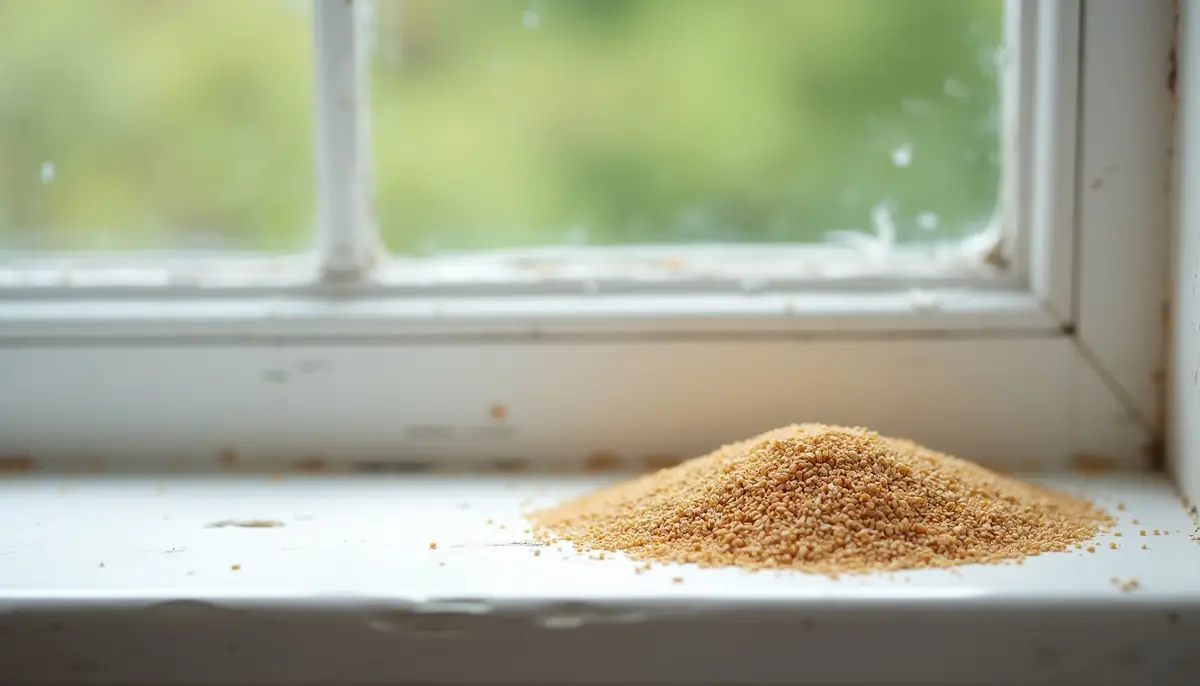
Termite eggs are tiny, glossy, translucent white ovals about 0.6 to 0.7 mm long, kept in piles by worker termites deep inside the colony, so homeowners almost never see them. Subterranean termites keep their eggs in the soil nest, and drywood termites keep them inside the infested timber. If you have found a pile of “eggs” on a sill, floor or wall, it is far more likely to be drywood termite pellets, ant cocoons, a spider egg sac or a cockroach egg case. Each of those looks different, and the table below separates them.
What you probably found
| What you see | Most likely | The tell | What it means |
|---|---|---|---|
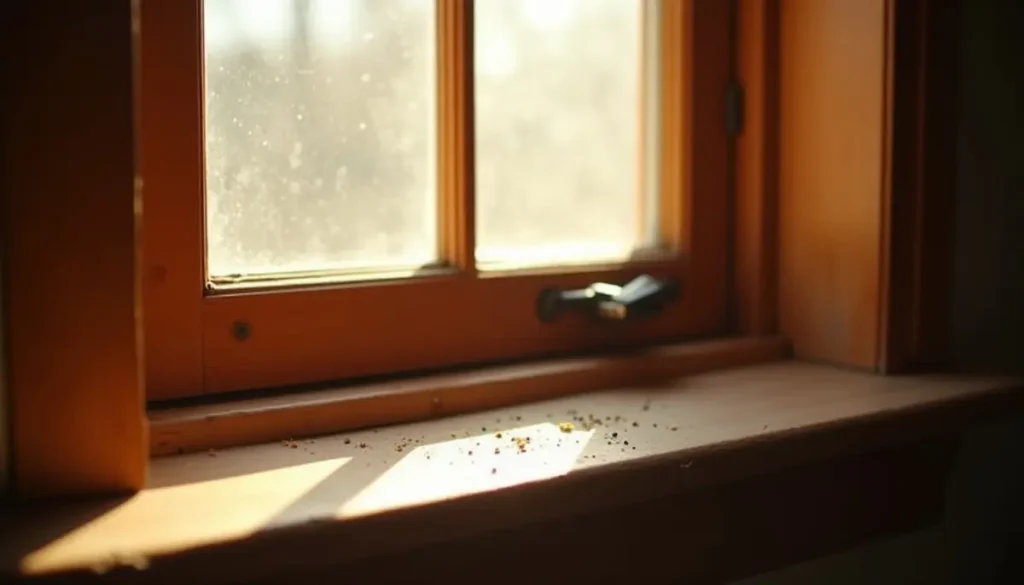
| Small heap of hard grains like sand or ground pepper below wood trim, furniture or a window frame | Drywood termite fecal pellets | Pellets have six flat sides under magnification (UC IPM); they fall from holes under 2 mm across | A drywood termite colony is in the wood above; book an inspection |
| White or tan capsules, almost as big as the ants, in a wood void or under a stone | Ant pupae in cocoons | NC State: carpenter ant pupae are “tan and capsule-shaped” and “often mistaken for eggs” | An ant nest; adult ants will be carrying them |
| Round papery ball about half an inch across in a corner or under a ledge | Spider egg sac | UC IPM: widow sacs are about 1/2 inch, “creamy yellow to light tan,” tough and paperlike | A spider, not termites |
| Brown purse-shaped capsule about a quarter of an inch long | Cockroach egg case | UC IPM: German cockroach case is light beige, about 1/4 inch, about 30 young inside | Cockroaches; see our cockroach egg guide |
| Glossy see-through grains under a millimetre, in a clump, inside broken soil-packed wood or a mud tube, with pale insects running over them | Possibly real termite eggs | Eggs are kept in piles by workers and never left loose | An active colony inside the structure; call an inspector |
Compiled by The Pest Control Brief from UC IPM Pest Notes 7415, 7440, 7442 and 7467, NC State Extension and Matsuura (Proceedings of the Royal Society B, 2006).
What do termite eggs look like?
In a 2006 study of eastern subterranean termite colonies (Reticulitermes flavipes) collected in Boston and Raleigh, entomologist Kenji Matsuura described the eggs as “transparent and oval” and measured their short diameter, which spans roughly 0.4 mm. A 2023 laboratory study of two other Reticulitermes species measured egg length at 0.61 to 0.69 mm, and found the eggs grow slightly as the embryo develops. That puts a single egg at about a fortieth of an inch long: visible as a speck, but too small to see shape without a hand lens.
The eggs are never scattered. Workers carry them into piles, and Matsuura found workers always kept those piles on pieces of nest material rather than bare surfaces. A study of the Japanese species R. speratus found most eggs were kept around the royal cell, the chamber holding the queen and king. Eggs are recognised by touch and chemistry, not sight: workers carried 0.5 mm glass beads into egg piles once the beads were coated with an egg recognition chemical.
Are termite eggs black?
No. Healthy eggs are clear to milky white. Two things in a termite egg pile are not: brown spheres called “termite balls,” a fungus that mimics eggs and has been found in US colonies of R. flavipes and R. virginicus, and dead eggs, which Matsuura described as “white, marshmallow-like” with their contents replaced by fungus. Black specks found around the house are more often drywood pellets, which Mississippi State Extension says vary from light to dark with the wood eaten.
Where do termites lay eggs?
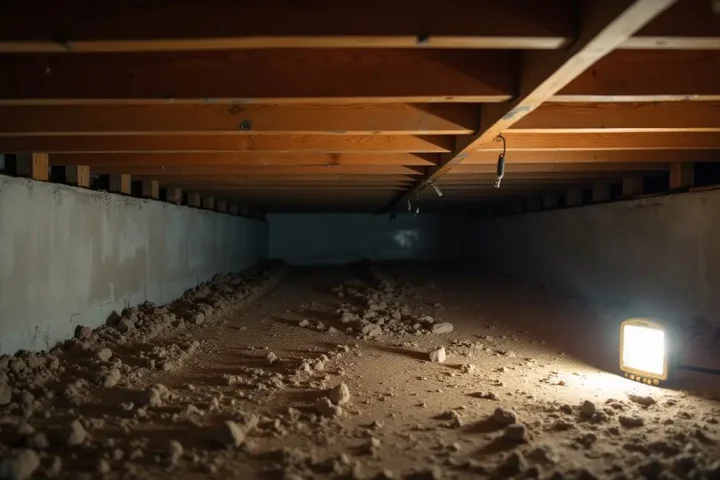
- Subterranean termites “live and breed in soil, sometimes many feet below the soil surface,” according to UC IPM. The eggs are in the soil nest, not in the wood you can see damaged. Our guide to what a termite nest looks like explains why the nest may not even be under your house.
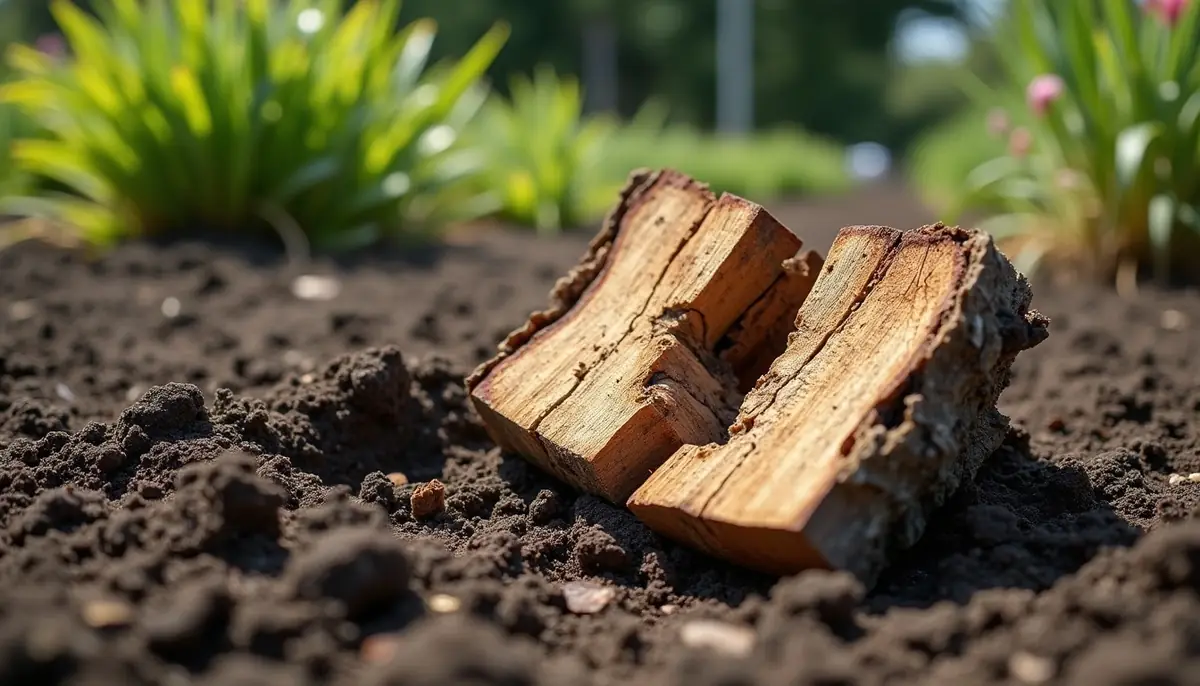
- Drywood termites have no separate nest: the colony, eggs included, lives inside the timber it eats. University of Arizona Extension notes drywood colonies are small, “a few thousand individuals,” and that “very few” eggs are laid in a colony’s first year.
- Formosan termites can also build carton nests in wall voids, which our nest guide covers.
How hidden are they? Matsuura and colleagues, studying egg production in Japanese field colonies, wrote that they “had to destructively examine dozens of nests” to collect eggs from enough colonies each month. Trained entomologists digging on purpose struggle to find them; a homeowner finding them by chance in a living room is unlikely.
Do termite eggs look like sand?
A single egg is about the size of a fine grain of sand, but termite eggs do not turn up as loose sandy piles. The sand-like heap people find on window sills, floors and countertops is drywood termite droppings. UC IPM describes them as having “six hexagonal sides,” pushed out through kick-out holes less than 2 mm across, and Mississippi State notes that from normal viewing distance they “look like dust or debris.” Sweep the pile up and check the same spot a few days later; UC IPM describes that as a way to tell whether an infestation is active. Our droppings identification guide covers rodent and cockroach droppings if the grains are larger.
How long do termite eggs take to hatch, and can they lie dormant?
The best measured figure we found is for R. speratus: sexually produced eggs took 34.95 days on average to hatch in the laboratory. In the field study, mature colonies began laying in late May, shortly after swarming, egg production peaked in early July and eggs hatched until late October. No source we read describes termite eggs resting dormant for long periods.
Eggs also depend on workers. Matsuura found a significant link between worker survival and egg survival in laboratory colonies, and dead eggs in the field were overgrown by fungus. Hatching isolated eggs required a special sterile culture method. That is why treatment aims at the colony rather than the eggs.
Our analysis of iNaturalist records shows native subterranean termites (Reticulitermes) peaking sharply in April, with 661 US research-grade records against 69 in July, Formosan termites peaking in May (519) and drywood termites (Incisitermes) in September (530). The spring peak lines up with swarming season; in the Japanese field study, egg laying began soon after swarming. These are records of people photographing termites, not counts of eggs or colonies. If swarmers appeared indoors in spring, read our guide to finding one termite.

What should I do if I find termite eggs?
- Do not spray or vacuum it all up. The sample is your evidence.
- Collect some. Lift a few grains or capsules into a sealed bag or small jar, along with any insects running over them.
- Photograph the spot and the wood or surface above it, including any pinholes, mud tubes or shed wings.
- Compare with the table above. Six-sided pellets mean drywood termites; tan capsules carried by ants mean ants; a papery ball means a spider.
- Book an inspection if it is termite evidence. A formal wood destroying insect report runs $75 to $150, and some companies inspect free, as our termite inspection cost guide explains.
If you see pale insects with the eggs, our guide to what termites look like separates workers, soldiers and swarmers from ants.
How to get rid of termite eggs
You do not treat eggs directly. Subterranean termite eggs sit in the soil colony, so control is a soil termiticide or a bait that workers carry back. A 2021 study in the Journal of Economic Entomology reported that queen egg laying and egg hatching were both hindered in subterranean colonies exposed to a chitin synthesis inhibitor bait. Drywood termite eggs are inside the infested wood, so removing that wood, a localised treatment or whole-structure fumigation is the route, all jobs for a licensed professional. Our guide to termite tenting covers the fumigation option. Spraying a surface where you found “eggs” reaches neither colony.
If the capsules turned out to be ant pupae in damp wood, the problem is carpenter ants, and our guide on getting rid of carpenter ants applies instead.
Frequently asked questions
What do termite eggs look like?
They are translucent to milky white ovals about 0.6 to 0.7 mm long and around 0.4 mm wide, kept in clumps by worker termites. Eastern subterranean termite eggs were described as “transparent and oval” in a 2006 study. Brown spheres in an egg pile are a fungus that mimics eggs, not eggs.
Where do termites lay eggs?
Subterranean termites lay eggs in their soil nest, which UC IPM says can be many feet below ground, and a Japanese field study found most eggs kept near the royal chamber. Drywood termites lay them inside the infested wood itself. In every case the eggs stay inside the colony, tended by workers.
Do termite eggs look like sand?
Individually they are about sand-grain size, but they are glossy, see-through and kept in piles inside the nest. A loose sandy heap below wood is almost always drywood termite pellets, which UC IPM describes as having six hexagonal sides and which fall from kick-out holes under 2 mm across.
What should I do if I find termite eggs?
Keep a sample in a sealed bag or jar, photograph the spot and anything above it, and check the grains for six-sided pellets, ant cocoons or a papery spider sac. If it is termite evidence, book a wood destroying insect inspection, which typically costs $75 to $150. Do not spray the pile.
Can I buy termite eggs?
Termite eggs are not something you can usefully buy or keep. They depend on worker termites to groom and move them, and egg survival tracked worker survival in laboratory colonies. Researchers needed a sterile culture method to hatch isolated eggs. Live termites are also a pest you should not introduce near any building.
Sources
- Matsuura K. Termite-egg mimicry by a sclerotium-forming fungus. Proceedings of the Royal Society B 273, 2006.
- Matsuura K and others. The antibacterial protein lysozyme identified as the termite egg recognition pheromone. PLoS ONE, 2007.
- Matsuura K, Kobayashi N. Size, hatching rate, and hatching period of sexually and asexually produced eggs in the facultatively parthenogenetic termite Reticulitermes speratus. Applied Entomology and Zoology 42: 241 to 246, 2007.
- Matsuura K, Kobayashi N, Yashiro T. Seasonal patterns of egg production in field colonies of the termite Reticulitermes speratus. Population Ecology, 2007.
- Embryonic development of parthenogenetic and sexual eggs in lower termites. Insects, 2023.
- Queen egg laying and egg hatching abilities are hindered in subterranean termite colonies when exposed to a chitin synthesis inhibitor bait formulation. Journal of Economic Entomology 114(6), 2021.
- University of California Statewide IPM Program. Pest Notes: Termites (7415), Drywood Termites (7440), Widow Spiders (7442), Cockroaches (7467).
- Gouge DH, Olson C, Baker P. Drywood Termites, AZ1232. University of Arizona Cooperative Extension.
- Mississippi State University Extension. Drywood termite fecal pellets, Bug’s Eye View 6(21), 2020.
- NC State Extension. Biology and control of carpenter ants.
- The Pest Control Brief analysis of iNaturalist research-grade records, pulled October 2026.