Snake Removal Cost 2026 and What to Do First
Snake removal averages $350, venomous species add $50 to $100. This is wildlife work, and removal does not address why they are there.
Snake removal costs $150 to $600 with an average near $350, and venomous species typically add $50 to $100. After-hours or weekend call-outs add $100 to $300, and return visits to check traps run about $100 each. Access drives the rest: a snake in the yard costs less than one in an attic or crawlspace.
Snakes are handled by wildlife control rather than structural pest control, which affects who you call, what is lawful, and what the visit actually achieves.
What removal costs
| Item | Cost | Notes |
|---|---|---|
| Average removal | About $350 | Wildlife control professional |
| Typical range | $150 to $600 | $140 to $500 per visit commonly reported |
| Venomous species | Add $50 to $100 | Handling and relocation risk |
| After hours, weekend, holiday | Add $100 to $300 | Emergency call-out |
| Return visit to check traps | About $100 each | Where trapping is used |
| Hard access, attic or crawlspace | Higher end of range | Yard removals cost less |
Contractor-reported ranges compiled in 2026. No federal price index exists for pest control services.
Why this is wildlife work, not pest control
Snakes are vertebrates and many species are protected to some degree by state law. That removes lethal control as a default option in much of the country and makes removal a capture-and-relocate job governed by state wildlife rules rather than pesticide regulation.
Practically, that means the licence you should verify may be a wildlife control licence rather than a structural pest control licence. Our guides to wildlife removal costs and checking a pest control company cover the distinction and how to verify.
It also means relocation rules vary. Some states restrict where and how far a captured animal may be released, and some prohibit relocation of certain species entirely.
Removal does not address why they are there
A snake in a structure is usually following prey, which in most cases means rodents. Removing the snake and leaving the rodent population means the conditions that attracted it remain.
That makes the sequence worth getting right:
- Remove the animal, which is the immediate job.
- Assess for rodents, since prey availability is the usual draw. Our guide to rodent removal costs covers that work.
- Seal entry points. Snakes enter through the same gaps rodents use, so exclusion addresses both at once.
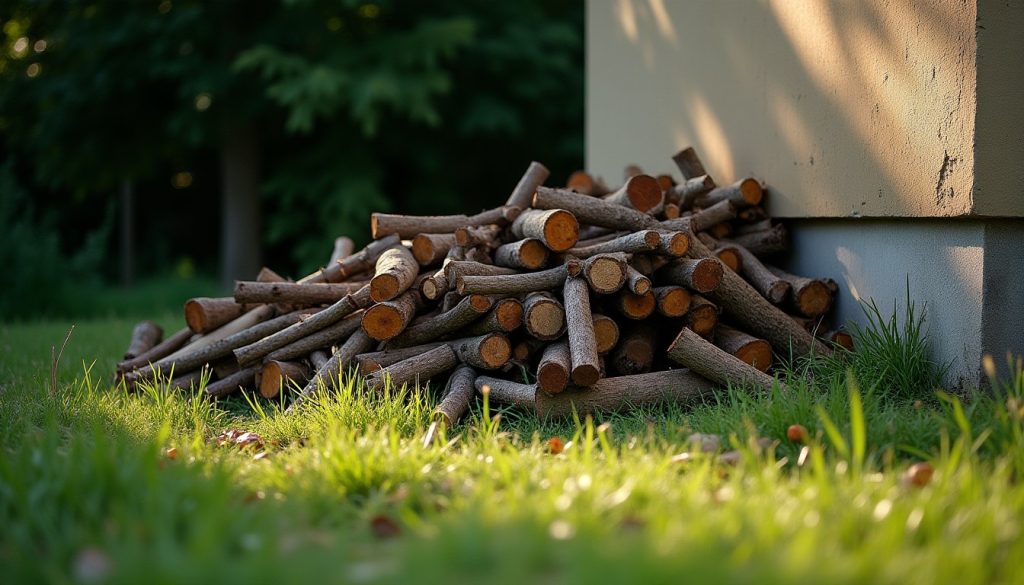
- Reduce harbourage near the structure: wood piles, rock, dense ground cover and long grass against the foundation.
- Check crawlspace and foundation vents, which are common entry routes.
Our guide to pest-proofing your home sets out the sealing work in priority order.
What to do before help arrives
- Keep people and pets away and give the animal space. Most bites happen during attempts to handle or kill a snake.
- Do not attempt identification by approaching it. Photograph from a distance if you can do so safely.
- If it is indoors, confine it by closing interior doors to the room and placing a rolled towel at the gap under the door.
- If a route outside exists, open an exterior door and leave the room. Many snakes leave on their own.
- Do not corner it, which is when defensive behaviour occurs.
- Note where it was seen, which helps the technician find entry points.
Frequently asked questions
How much does snake removal cost?
An average of about $350, with a typical range of $150 to $600. Venomous species add roughly $50 to $100, after-hours or weekend call-outs add $100 to $300, and return visits to check traps run about $100 each. Yard removals cost less than attic or crawlspace work.
Does pest control handle snakes?
Usually wildlife control rather than structural pest control. Snakes are vertebrates and many species carry state legal protections, so removal is a capture-and-relocate job under wildlife rules rather than pesticide regulation. The licence to verify may be a wildlife licence, and relocation rules vary by state.
Why do I have snakes around my house?
Usually prey, most often rodents. A snake in or around a structure is following a food source, so removing it without addressing the rodent population leaves the attraction in place. Harbourage matters too: wood piles, rock, dense ground cover and long grass against the foundation.
What should I do if I find a snake in my house?
Keep people and pets away and do not attempt to handle or kill it, since most bites occur during those attempts. Confine it by closing interior doors and blocking the gap beneath with a rolled towel. If a route outside exists, open an exterior door and leave the room.
Sources
- Contractor-reported price ranges compiled by Angi, HomeGuide, Fixr and wildlife control providers, 2026. Sample sizes and methods are not published by those sources.