Pests After a Hurricane or Flood: What to Expect and When
CDC guidance: nuisance mosquitoes hatch immediately, virus-carrying types may rise two weeks to two months later, and rodents, snakes and fire ants move with the water.
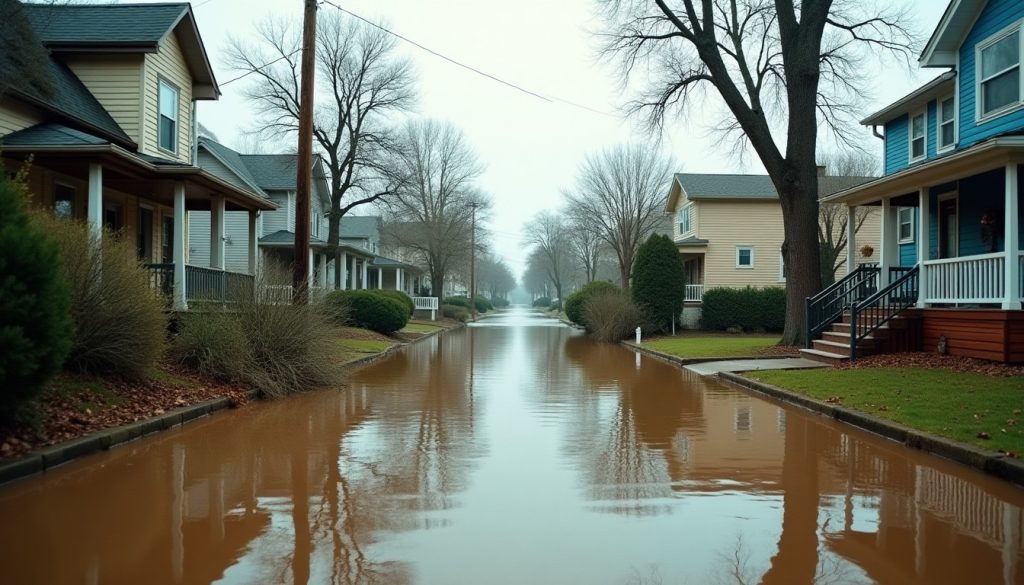
After a hurricane or flood, nuisance mosquitoes hatch almost immediately, and the mosquito types that can spread viruses may increase from about two weeks to two months afterwards, according to the CDC. Rodents move indoors seeking dry ground, snakes are displaced into unfamiliar areas, and floodwater can carry leptospirosis from animal urine. Removing standing water is the single most useful step.
Storm recovery lists usually put pests last. The public health guidance puts several of them near the top, and the timing of each threat is different enough that the order you deal with them matters.
The post-storm pest timeline
| When | What to expect | Why |
|---|---|---|
| First days | Displaced snakes, rodents moving indoors, fire ants on the move | Flooded habitats push animals to higher, drier ground |
| Immediately after | Nuisance mosquito hatches | Floodwater hatches eggs laid in low areas |
| About 2 weeks to 2 months | Possible rise in mosquitoes that can spread viruses | Especially in areas that did not flood but got more rain than usual |
| Weeks to months | Rodent activity in damaged structures, moisture pests | Damage, debris and damp create harbourage |
The mosquito timing is from CDC guidance. Adult mosquitoes generally do not survive high winds, which is why the first wave is nuisance species hatching from floodwater rather than the adults that were there before.
Mosquitoes: removing standing water
- Empty anything holding water around the property: containers, tarps, gutters, tyres, toys and debris.
- Repair window and door screens, or use air conditioning where available.
- Use insect repellent and wear long sleeves and trousers when working outside during cleanup.
- Consider permethrin-treated clothing for extended outdoor work, as CDC guidance suggests.
- Keep checking after the first week, since the higher-risk mosquito increase can come weeks later.
Professional barrier treatment helps once standing water is under control, not before. See mosquito control costs.
Rodents: cleanup without spreading contamination
CDC guidance is specific: do not vacuum or sweep rodent urine or droppings on surfaces that have not been disinfected. Spray them with a disinfectant or a 1:10 chlorine solution until thoroughly soaked before cleaning up.
- Remove food, water and shelter that attract rodents, including storm debris near the house.
- Seal entry points created by storm damage as soon as repairs allow. See pest-proofing your home.
- Trap rather than poison indoors where pets or children are present.
- Replace contaminated insulation where rodents have nested, which is a separate remediation job. See rodent removal costs.
Snakes, fire ants and floodwater
Snakes. CDC advises caution when returning home, since displaced snakes may shelter in unusual places. If you see one, back away slowly and do not touch it. For a bite, keep the person still and calm and seek medical attention immediately. See snake removal.
Fire ants. Fire ants survive flooding by forming floating rafts and relocate with the water, so colonies can turn up on debris and in new places. Wear gloves and boots when moving debris in fire ant regions.
Floodwater and leptospirosis. During heavy rain or flooding, animal urine in soil can run into floodwater and contaminate it. Avoid contact with floodwater where possible, particularly with open cuts, and seek medical advice if you develop symptoms after exposure.
What to expect from pest control companies after a storm
Demand spikes after a major storm, so response times lengthen. Prioritise genuinely urgent situations such as wildlife indoors or rodents in a food business, and book routine work for later. Our guide to when pest control is actually an emergency covers how to triage.
Moisture left behind by flooding also raises longer-term pressure from moisture pests and, over time, termites, so an inspection once the structure has dried is worth scheduling. See weather and pest control and moisture pests.
Frequently asked questions
Are there more mosquitoes after a hurricane?
Yes. According to the CDC, nuisance mosquitoes hatch immediately after a hurricane, and the types that can spread viruses may increase from about two weeks to two months afterwards, especially in areas that did not flood but received more rainfall than usual. Removing standing water is the key control step.
What pests show up after a flood?
Commonly mosquitoes, rodents moving indoors to dry ground, displaced snakes, fire ants carried by floodwater, flies and moisture-loving pests. The timing differs: snakes and rodents appear in the first days, nuisance mosquitoes immediately, and virus-carrying mosquitoes can rise weeks later.
How do I clean up rodent droppings after a storm?
CDC guidance says not to vacuum or sweep rodent urine or droppings on surfaces that have not been disinfected. Spray them with a disinfectant or a 1:10 chlorine solution until thoroughly soaked, then clean up. Remove food and shelter that attract rodents and seal entry points as repairs allow.
Can floodwater make you sick from animals?
It can. During heavy rain or flooding, urine from animals including rodents can run into floodwater and contaminate it, which is a route for leptospirosis. Avoid contact with floodwater where possible, especially with cuts, and seek medical advice if you become unwell after exposure.
Sources
- U.S. Centers for Disease Control and Prevention, What to Do to Protect Yourself From Animals After a Disaster. cdc.gov
- U.S. Centers for Disease Control and Prevention, What to Do After a Hurricane or Flood, Mosquitoes. cdc.gov
- U.S. Centers for Disease Control and Prevention, Hurricanes, Floods, and Leptospirosis. cdc.gov