Restaurant Pest Control: Cost and What Inspectors Look For
A mid-size restaurant pays $260 to $320 a month against $120 for an office. Frequency and documentation drive it, not square footage.
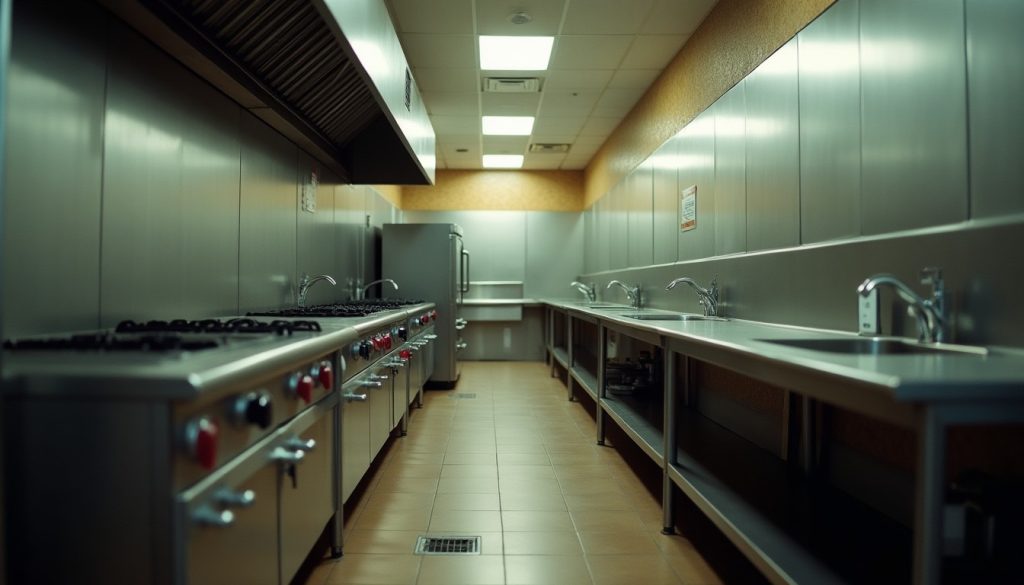
A mid-size restaurant pays $260 to $320 a month for pest control, against about $120 for a small office, and the difference is service frequency and documentation rather than square footage. For food service the programme is an inspection and audit file as much as a treatment schedule, which is why the cheapest bid is usually the one that fails a health inspection.
Restaurants buy pest control differently from every other customer, because the downside is not nuisance. It is a failed inspection, a closure, or a public score, and the contract has to be built for that.
What restaurants pay
| Facility | Monthly cost | Typical frequency |
|---|---|---|
| Small professional office | About $120 | Monthly |
| Mid-size restaurant | $260 to $320 | Fortnightly to monthly |
| Restaurant with active pressure | Higher | Weekly |
| Food-grade warehouse, 100,000+ sq ft | $550 and above | Weekly plus audit support |
Contractor-reported figures compiled in 2026. Our guide to commercial pest control costs covers the wider facility range.
Why a restaurant costs two to three times an office
An office has people and packaging. A restaurant has continuous food handling, grease, organic waste, heat, standing water and deliveries arriving from premises you do not control. Each of those is a pest pressure, and together they raise the required service frequency.
Frequency is the cost. Since payroll is 36% of pest control revenue and a technician must generate roughly $560 of revenue per working day, weekly attendance simply costs more than monthly. There is no efficiency that makes a weekly site as cheap as a monthly one.
Documentation is the second driver, and it is real technician and administrative time rather than paperwork padding.
What the health inspector and the auditor look for
- A pest logbook on site, available immediately rather than emailed later.
- A device map showing monitoring station locations, numbered and matching the log.
- Service records for each visit, including what was applied and where.
- Trend reporting showing activity over time, not just visit-by-visit notes.
- Corrective action records where activity was found, showing what was done about it.
- Evidence a licensed applicator carried out the work, with certification details on file.
That package is a substantial part of what a food service contract buys. A contractor who cannot produce a sample logbook and device map is not equipped for the account regardless of technical skill. Our guide to how commercial contracts are won covers this from the operator’s side.
The pests that matter and why baiting is used
German cockroaches, rodents and small flies dominate food service work. Each has a specific reason the treatment approach differs from residential.
- German cockroaches. Repellent sprays scatter populations into new areas, which in a commercial kitchen means spreading the problem across the building. Non-repellent products and gel bait are used instead. Our guide to roach treatment covers the protocol.
- Rodents. Exterior bait stations and interior trapping, since rodenticide indoors in a food premises is generally avoided. Exclusion at delivery doors and utility penetrations does more than any product.
- Small flies. Almost always a source problem: drains, organic film, standing water under equipment. Spraying without finding the source reliably fails. Our guide to drain and fruit flies covers locating it.
What the restaurant controls
A pest programme cannot outperform the conditions it works in, and the highest-yield items are operational rather than chemical.
- Drain cleaning on a schedule, which addresses the most common small fly source directly.
- Waste management, including bin area cleanliness and lid discipline.
- Delivery inspection, since cockroaches arrive in cardboard and produce crates from other premises.
- Equipment moved for cleaning, because the space under and behind the line is where harbourage sits.
- Door discipline, particularly delivery and rear doors propped open.
- Structural sealing at penetrations and thresholds, covered in our guide to exclusion work.
Frequently asked questions
How much does restaurant pest control cost?
A mid-size restaurant typically pays $260 to $320 a month, against about $120 for a small professional office. Sites with active pressure needing weekly attendance cost more. Frequency and documentation drive the price rather than floor area, which is a weak predictor in commercial work.
How often should a restaurant have pest control?
Commonly fortnightly to monthly, moving to weekly where there is active pressure or where an audit scheme requires it. The right answer is set by pest pressure, food handling volume and the documentation standard your inspections demand, not by a default schedule.
What documentation does a restaurant need for pest control?
A pest logbook available on site, a numbered device map matching the log, service records showing what was applied and where, trend reporting over time, corrective action records where activity was found, and evidence a licensed applicator did the work. Requirements vary by jurisdiction and audit scheme.
Why do flies keep coming back in my restaurant kitchen?
Small flies are almost always a source problem rather than a treatment failure. The usual sources are drains with organic film, standing water under equipment, and waste areas. Larvae continue developing in the source regardless of how many adults are killed, so spraying without locating it reliably fails.
Sources
- Contractor-reported commercial pricing compiled in 2026. Sample sizes and methods are not published by those sources.
- U.S. Census Bureau, Statistics of U.S. Businesses 2022, NAICS 561710, payroll share and revenue per employee.