Bed Bug Treatment Cost 2026: Heat vs Chemical
Chemical treatment runs $150 to $400 per room over two to three visits. Heat runs $3,000 to $6,000 whole-home in one day. The total cost comparison.
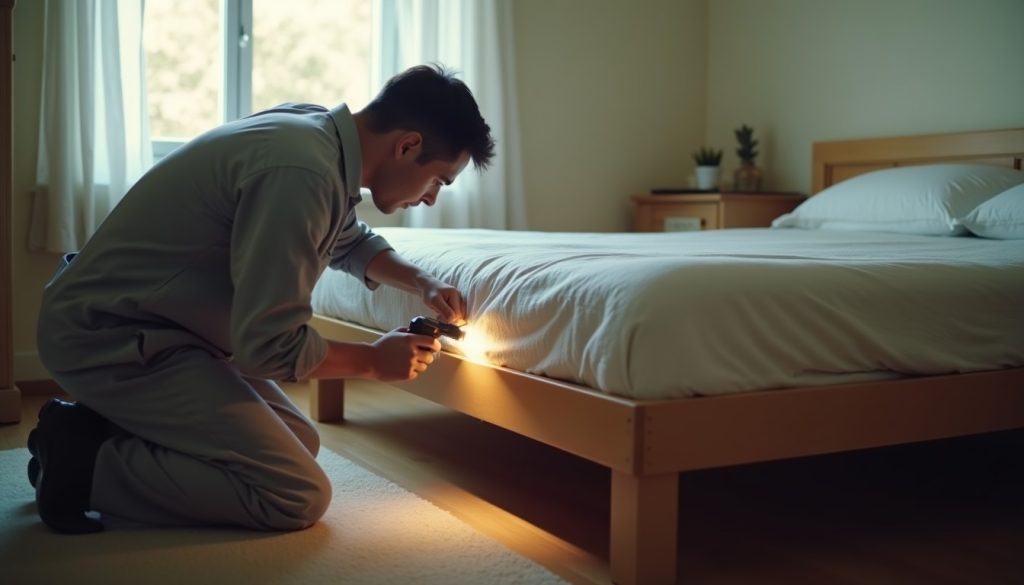
Bed bug treatment costs $150 to $400 per room for chemical treatment and $400 to $5,500 for heat, with whole-home heat jobs commonly $3,000 to $6,000. Chemical work usually needs two to three visits spaced about two weeks apart. Heat kills every life stage in a single day. Per visit, chemical is cheaper. Per resolved infestation, the gap narrows sharply once callbacks are counted.
The comparison that matters is not price per treatment. It is total cost to elimination, including the visits you have not been quoted for yet. This page sets out both, and explains why bed bug work costs several times more than general pest control for the same square footage.
What bed bug treatment costs in 2026
Bed bug pricing splits cleanly by method. Chemical treatment is billed per room across multiple visits. Heat treatment is billed per room, per square foot, or as a flat job, and is normally a single visit. Both are priced well above routine pest work.
| Method | Price | Visits required | Time to resolution |
|---|---|---|---|
| Chemical, per room | $150 to $400, up to $775 reported | 2 to 3 | 4 to 6 weeks |
| Chemical, repeat visit | $415 to $625 each | Included above | Two-week intervals |
| Heat, per square foot | $4 to $7.50 | 1 | One day |
| Heat, whole home under 2,500 sq ft | $3,000 to $6,000 | 1 | One day |
| Heat, single room | $400 to $1,500 | 1 | One day |
Ranges are contractor-reported figures compiled by home services marketplaces in 2026. No federal price index exists for pest control services, so these are market signals rather than measured statistics. We explain that gap in our analysis of pest control cost structure.
Heat or chemical: the total cost comparison
Heat costs roughly two to three times more than chemical for the same space on the initial quote. The comparison changes when you count the full course of treatment rather than the first invoice.
| Factor | Chemical | Heat |
|---|---|---|
| Initial quote | Lower | 2 to 3x higher |
| Visits | 2 to 3 over 4 to 6 weeks | 1 |
| Kills eggs | Not reliably, hence repeat visits | Yes, all life stages |
| Preparation burden | Heavy, bagging and laundering between visits | Heavy on the day, then done |
| Residual protection | Some, depending on product | None |
| Household disruption | Weeks of continued exposure | One day out of the property |
The mechanism behind the repeat visits is eggs. Bed bug eggs are considerably less susceptible to most residual insecticides than adults, and they hatch over roughly one to two weeks. A single chemical application kills what is active, then the next generation emerges, which is why the standard protocol is two to three visits at two-week intervals rather than one.
Heat sidesteps that by raising the whole space above the lethal threshold for every life stage simultaneously. Its weakness is the opposite one: no residual. If bed bugs are reintroduced the day after, nothing stops them, which is why heat is often paired with a residual application at the perimeter.
Where the total cost comparison lands depends almost entirely on whether chemical treatment resolves in two visits or drags to four. If the higher upfront heat price avoids two additional chemical visits at $415 to $625 each plus replaced furnishings, the two approaches can converge or reverse.
Why bed bug work costs so much more than general pest control
A quarterly general pest service might run $40 to $150 per visit. A single bed bug room treatment starts at $150 and heat jobs reach four figures. The difference is labour hours and equipment, and it is visible in the industry’s cost structure.
Across the industry, payroll is 36% of revenue and each employee generates about $139,825 a year against a median technician wage of $45,250. Pest control is a labour business, so anything that multiplies technician hours multiplies price. Bed bug work does exactly that:
- Inspection is slow. Finding harbourage in seams, frames and baseboards is detailed manual work, not a perimeter spray.
- Treatment is room by room. There is no route efficiency to spread the cost across, unlike a quarterly service where the technician is already on your street.
- Heat requires capital equipment. Trailer-mounted heaters, generators and monitoring sensors, plus a crew for most of a day.
- Callbacks are expected. Companies price in the probability of returning, because the failure rate is higher than routine work.
This is also why the price is not very negotiable. On a quarterly plan the marginal cost of your stop is low. On a bed bug job the company is selling a day of crew time, and there is little slack in it.
What a quote should specify before you accept it
- How many visits are included in the price, and what a further visit costs if the first course fails.
- Whether there is a warranty or callback period, and its length. Thirty to ninety days is common. Get it in writing.
- The product name and the label. Pesticide labels are legal documents and applicators must follow them.
- The re-entry interval, the period before people and pets should return. It is on the label and there is a correct answer.
- The preparation list, in writing and before the day. Inadequate preparation is the most common reason treatment fails and the most common reason a warranty is refused.
- For heat: the target temperature and how it is verified. Ask whether remote sensors are placed and logged.
- The licence. Ask for the business licence number and the attending applicator’s certification number, then verify with your state pesticide regulatory agency. Our guide to checking a pest control company covers the tiers.
If you rent: who pays
Responsibility for bed bug treatment in rental property is set by state and municipal law, and it varies considerably. Many jurisdictions place the duty on the landlord under general habitability obligations, some require specific disclosure of recent infestations to prospective tenants, and some allocate cost according to who introduced the infestation, which is difficult to establish in practice.
Practical points that generally hold. Treating a single unit in a multi-unit building often fails, because bed bugs move between adjoining units through wall voids and shared services, so building-wide coordination usually matters more than the method chosen. Document the infestation with dated photographs and written notice to the landlord, since most tenant remedies depend on proving notice was given. Check your state and city rules rather than assuming, as this is one of the most locally variable areas in pest regulation.
Frequently asked questions
How much does it cost to get rid of bed bugs?
Chemical treatment runs $150 to $400 per room and typically needs two to three visits at about two-week intervals, with repeat visits at $415 to $625. Heat treatment costs $4 to $7.50 per square foot, commonly $3,000 to $6,000 for a whole home under 2,500 square feet, and normally resolves in a single day.
Is heat treatment better than chemical for bed bugs?
Heat kills all life stages including eggs in one visit, while chemical treatment usually requires two to three visits because eggs survive most residual products and hatch over one to two weeks. Heat costs two to three times more upfront and leaves no residual protection against reintroduction. Many companies pair heat with a perimeter residual application.
Why is bed bug treatment so expensive?
Because it is labour and equipment intensive with no route efficiency to spread cost across. Industry payroll is 36% of revenue and each employee must generate about $139,825 a year, so treatments that consume many technician hours price accordingly. Inspection is detailed manual work, heat requires capital equipment and a crew for most of a day, and callbacks are priced in.
Does one bed bug treatment work?
A single heat treatment can eliminate an infestation because it kills every life stage at once. A single chemical treatment usually does not, since eggs are considerably less susceptible to most residual insecticides and hatch after application. Standard chemical protocol is two to three visits spaced roughly two weeks apart to catch newly emerged bugs.
Who pays for bed bug treatment, landlord or tenant?
This depends on state and municipal law and varies considerably. Many jurisdictions assign the duty to landlords under habitability obligations, some require disclosure of recent infestations, and some allocate cost by who introduced the problem. Document the infestation and give written notice, since tenant remedies generally depend on proving notice. Check your local rules.
How long after treatment will bed bugs be gone?
After heat treatment, live bugs should be gone the same day, though monitoring for reintroduction is sensible. After chemical treatment, expect four to six weeks across two to three visits, with sightings continuing between visits as eggs hatch. Continued sightings beyond the final visit should trigger a callback under the warranty.
Sources
- U.S. Census Bureau, Statistics of U.S. Businesses 2022, NAICS 561710, for receipts, payroll share and revenue per employee.
- U.S. Bureau of Labor Statistics, Occupational Employment and Wage Statistics, May 2025, SOC 37-2021, for the median technician wage.
- U.S. Bureau of Labor Statistics, Producer Price Index programme. Confirmed no published series for NAICS 561710.
- Contractor-reported price ranges compiled by This Old House, Angi and specialist thermal remediation providers, 2026. Sample sizes and methods are not published by those sources.