Moth Extermination Cost 2026: Pantry vs Clothes Moths
Moth treatment averages $150, pantry moths $250 and clothes moths $275. They are different problems in different rooms and are not treated the same way.
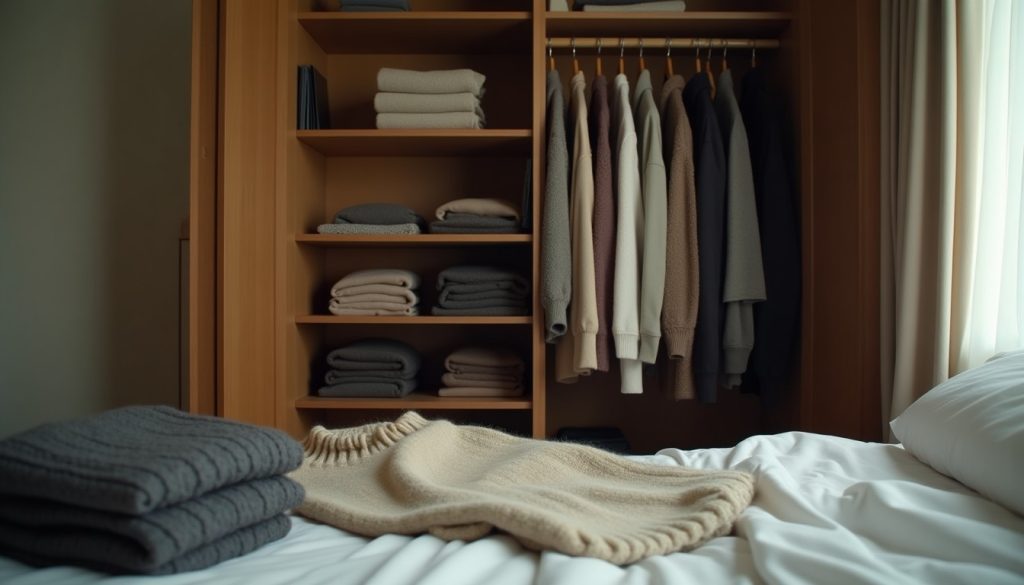
Moth extermination averages $150, with most jobs between $200 and $370. Pantry moths run about $250 and clothes moths about $275. Whole-house fumigation costs $350 to $500, a one-time service $100 to $200, and a monthly plan covering moths and other pests $40 to $70. The two moth types are different problems in different rooms and are not treated the same way.
Almost every quote for moths starts with a treatment. It should start with a question: is this a kitchen problem or a wardrobe problem. Pantry moths and clothes moths share almost nothing beyond being moths, and treating one as the other wastes the fee.
What moth treatment costs in 2026
| Service | Cost | Notes |
|---|---|---|
| Average moth extermination | $150 | Most jobs $200 to $370 |
| Pantry moths, Indian meal moths | About $250 | Kitchen and food storage |
| Clothes moths | About $275 | Wardrobes, carpets, upholstery |
| House or brown moths | About $200 | General nuisance |
| One-time service | $100 to $200 | Single visit |
| Fumigation, single area | $150 to $350 | Localised |
| Fumigation, whole house | $350 to $500 | Severe cases |
| Monthly plan | $40 to $70 | Moths bundled with general pest service |
Contractor-reported ranges compiled by home services marketplaces in 2026, not government statistics.
Pantry moths and clothes moths are different problems
| Pantry moths | Clothes moths | |
|---|---|---|
| What the larvae eat | Grains, flour, cereal, dried fruit, pet food, spices | Keratin: wool, silk, fur, feathers |
| Where they live | Food cupboards, pantry, sealed packets | Wardrobes, stored textiles, under furniture |
| First sign | Webbing in dry goods, moths near the ceiling | Irregular holes in wool, shed casings |
| Core of the fix | Discarding infested product, cleaning shelving | Cleaning textiles, treating carpet edges and voids |
| Typical cost | About $250 | About $275 |
Clothes moth larvae eat keratin, which is why synthetics are untouched and a wool coat is destroyed. Pantry moth larvae are in your food, which is why the response is inventory rather than spraying.
Why the cupboard clear-out is most of the job
For pantry moths, the population lives inside the product. Larvae chew into sealed packaging and webbing appears in the grain itself, so no surface treatment reaches them.
- Empty the pantry completely. Partial inspection is how these recur.
- Check every dry good, including rarely used items, spices, pet food and birdseed, which are the most commonly missed sources.
- Discard anything with webbing, clumping or visible larvae, outside the house.
- Vacuum shelving thoroughly, particularly corners, shelf-support holes and the underside of shelves where pupae attach.
- Wipe down and allow to dry before restocking.
- Store dry goods in airtight containers, since packaging alone does not exclude larvae.
For clothes moths the equivalent is textiles: cleaning affected items, and treating carpet edges, under furniture and voids where larvae feed undisturbed. Dark, still, rarely disturbed spaces are where the damage happens.
When to pay a professional
Moths are one of the pests where a thorough homeowner clear-out resolves a high share of cases, so it is worth being clear about when treatment earns its price.
- The source cannot be found after a full pantry clear-out or textile inspection.
- It recurs within weeks, which usually means a missed source rather than a failed treatment.
- Valuable textiles are involved and you want the surrounding voids and carpet edges treated properly.
- The property is large or has multiple storage areas, where systematic inspection beats guessing.
If you already hold a general pest plan, check whether moths are included at $40 to $70 per visit before paying $250 separately. Our guide to quarterly pest control plans covers what these agreements typically cover and exclude, and our guide to DIY against professional treatment sets out where each makes sense.
Frequently asked questions
How much does moth extermination cost?
The average is $150, with most jobs falling between $200 and $370. Pantry moths cost about $250 and clothes moths about $275. A one-time service runs $100 to $200, whole-house fumigation $350 to $500, and a monthly plan including moths $40 to $70 per visit.
What is the difference between pantry moths and clothes moths?
Pantry moth larvae eat grains, flour, cereal, dried fruit, pet food and spices, and live in food cupboards. Clothes moth larvae eat keratin, so they damage wool, silk, fur and feathers in wardrobes and carpets while leaving synthetics untouched. They need different treatment in different rooms.
How do I get rid of pantry moths?
Empty the pantry completely, check every dry good including spices, pet food and birdseed, and discard anything with webbing or clumping outside the house. Vacuum shelving thoroughly, especially corners and shelf-support holes where pupae attach, then store dry goods in airtight containers. Packaging alone does not exclude larvae.
Do I need an exterminator for moths?
Often not, since a thorough clear-out resolves many cases. Treatment earns its price when the source cannot be found, when the problem recurs within weeks, when valuable textiles are involved and surrounding voids need treating, or in larger properties with multiple storage areas.
Sources
- Contractor-reported price ranges compiled by Angi, Today’s Homeowner and Fixr, 2026. Sample sizes and methods are not published by those sources.
- U.S. Bureau of Labor Statistics, Producer Price Index programme. Confirmed no published series for NAICS 561710.