Little Worms in the House: What They Are and Where From
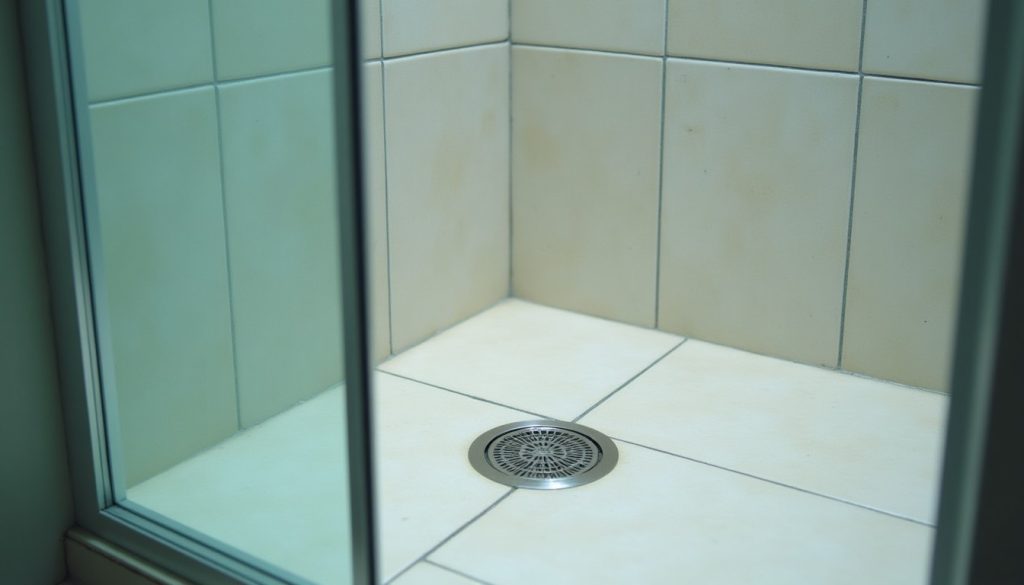
Most little worms in a house are not worms at all but insect larvae, and where you find them usually tells you which one. Thin grey larvae in a shower or sink drain are usually drain fly larvae; small hairy, striped larvae near carpets and closets are carpet beetle larvae; pale caterpillars on the ceiling or in the pantry are Indian meal moth larvae; cream-coloured maggots near a bin are fly larvae; and tiny clear larvae with black heads in potting soil are fungus gnats. Real earthworms, and many-legged millipedes, turn up after heavy rain.
A “worm” indoors usually has a source close by: a drain, a food packet, a wool rug, a plant pot, a bin or wet soil outside the door. Find the source and the problem usually ends there, without spraying anything. The table below is the quickest way in.
What the worm is, by where you found it
| Where you found it | What it looks like | Most likely | What it turns into |
|---|---|---|---|
| Shower, tub, sink or floor drain | Legless, grey, about 1/4 to 3/8 inch, both ends darker | Drain fly larva | Small fuzzy moth-like fly |
| Carpets, closets, under furniture, near wool | Hairy or bristly, striped, a few millimetres long | Carpet beetle larva | Small round beetle, often seen at windows |
| Pantry, or crawling on walls and ceilings, with webbing | Whitish caterpillar with a greenish or pinkish tint, about 1/2 inch | Indian meal moth larva | Small moth with reddish brown, coppery forewings |
| Kitchen bin, garbage area, or near a smell | Cream, legless, pointed at the head end, 1/4 to 3/8 inch | House fly or blow fly maggot | House fly, or a metallic blue or green blow fly |
| Houseplant soil | Clear to whitish, legless, shiny black head, about 1/4 inch | Fungus gnat larva | Tiny dark gnat |
| Walls in humid Southern homes | Flat grey case, about 1/3 to 1/2 inch, with a larva inside | Household casebearer | Small moth |
| Floor or doorway after heavy rain | Segmented, pink to brown, no legs | Earthworm | Stays an earthworm |
| Floor or doorway after rain, curls into a C | Brown or grey, hard, two pairs of legs per segment | Millipede (not a worm) | Stays a millipede |
A quick way to separate the groups: fly larvae such as drain fly, house fly and fungus gnat larvae have no legs. Moth caterpillars, UC IPM notes, have three pairs of true legs plus extra leg-like structures further down the body, while beetle larvae have either no legs or three pairs near the head. A hand lens is enough to see it.
Worms in the shower or bathroom: drain fly larvae
Tiny worms in a shower, tub or bathroom sink are usually drain fly larvae, also called moth fly larvae. Ohio State describes them as legless, about 3/8 inch long, wormlike and grey, with both ends somewhat darker; UC IPM puts the final larval stage at about 1/4 inch, with a distinct head and a breathing siphon at one end. They live in the slimy organic film that coats the inside of drains and feed on the bacteria, algae and debris in it. The adults are the small, fuzzy flies resting on bathroom walls with their wings held roof-like over the body.
UC IPM says the most common breeding sites in homes are bathroom drains, and that the whole life cycle can take as little as 8 days. Its advice is to find the drain first: cover each suspect drain overnight with a cup coated in petroleum jelly or vegetable oil, and any drain with flies stuck inside is a breeding site. Then remove the film itself, with a stiff brush and a drain cleaner, and clear the trap if needed.
Two common fixes do not work. UC IPM calls boiling water and bleach a misconception that gives short-term control at best, because neither removes the film, and Ohio State notes the larvae are surprisingly resistant to bleach. Ohio State also states there are no insecticides registered for use in drains, so nothing should be poured down one for this. Our guide to fruit flies, drain flies and fungus gnats covers the adults and when a drain problem is really a plumbing problem.
Hairy little worms on carpets: carpet beetle larvae
If the “worm” is fuzzy, it is very likely a carpet beetle larva. UC IPM describes them as looking like fuzzy or hairy maggots, slightly longer than the adults. Varied carpet beetle larvae have alternating light and dark brown stripes and dense tufts of hair they raise into a plume when disturbed; black carpet beetle larvae grow as long as 5/16 inch and range from light brown to almost black. They prefer dark, secluded places.
These are the larvae that do the damage. UC IPM lists wool carpets and rugs, woollen goods, furs, feathers, silk and leather among their foods, and notes their shed skins and pellets, each about the size of a grain of salt, show where they have been feeding. Varied carpet beetle larvae can live for 220 to 630 days before pupating, which is why a small population persists so quietly. The adults are tiny round beetles that UC IPM says are often found near windows in spring and early summer.
Thorough vacuuming, cleaning or discarding infested items, and checking stored woollens usually resolves a light infestation. Widespread damage across several rooms is when professional treatment earns its cost, covered in our guide to carpet beetle treatment cost.
Worms on the ceiling or in the pantry: Indian meal moth larvae
Small pale caterpillars on a kitchen ceiling, at the top of a wall or inside a cereal box are usually Indian meal moth larvae. UC IPM describes the full-grown larva as about 1/2 inch long and white with a greenish or pinkish hue, and says it spins silk wherever it crawls. The larvae feed on cereals, flour, rice, dried fruit, nuts, chocolate and other confections, and in heavy infestations mature larvae turn up far from the food because they move a long way to pupate. That is why they appear on ceilings.
The fix is in the cupboard, not on the ceiling: find the infested packets, throw them out, vacuum the shelves and store dry goods in sealed containers. Our pantry pests guide covers the whole process, including why the larvae climb and what can and cannot chew through packaging.
Maggots near the bin, or a smell: fly larvae
Cream-coloured, legless larvae that taper to a point at one end are fly maggots. University of Maryland Extension describes mature house fly maggots as 1/4 to 3/8 inch long, whitish, with no eyes or legs, tapering towards the head. UC IPM notes house flies lay eggs in garbage, decaying fruit and vegetables, manure and lawn clippings, and that older larvae leave their food and crawl towards drier, cooler places to pupate, which is when they show up on a kitchen floor.
If the maggots appear without an obvious bin source, or alongside large metallic blue or green flies, think about a dead animal. Maryland says large numbers of blow flies indoors usually mean they are breeding in the home or close by, for example in a dead mouse or squirrel in the attic or a dead bird in the chimney. Finding and removing the carcass ends it. When the animal is in a wall void or somewhere you cannot reach, a wildlife or pest professional can locate it; our wildlife removal cost guide covers that work.
For the bin itself, UC IPM’s advice is the usual one: bag garbage, keep it in containers with tight-fitting lids, clean the containers, and remove waste at least weekly. It says pesticides are not usually needed or recommended for house flies in homes.
Tiny worms in plant soil: fungus gnat larvae
Larvae in houseplant soil are usually fungus gnats. Purdue describes them as whitish-clear with a shiny black head, growing to about 1/4 inch, and usually in the top one to two inches of potting mix. UC IPM adds they can leave slime trails on the soil surface when numerous. They feed mostly on fungi and organic matter, and the University of Wisconsin notes that root damage in home settings is rare.
Wisconsin’s main advice is to let the top inch of soil dry out before watering, or to water from below. Potato slices laid on the soil for a few days will show whether larvae are present. Our houseplant pests guide covers the other insects of indoor pots.
Worms in the house after rain: earthworms and millipedes
Real earthworms can end up indoors after heavy rain, usually crawling under a door. A UW-Madison soil ecologist explains that worms breathe through their skin, and when rain fills the soil pores and burrows with water, oxygen diffuses about a thousand times more slowly, so the worms come up to breathe. Cornell’s composting programme gives the same reason: their homes in the soil are flooded. They are harmless, and without moist soil they usually dry out and die. Sweep them out, and look at drainage and door seals if it happens every storm.
Millipedes arrive in the same weather and are often called worms, but they are not: they have two pairs of legs on each body segment. Purdue says the species that invade homes are usually 1/2 to 1 1/2 inches long, grey or brown, and curl up when disturbed, and that large amounts of rain can trigger mass migrations out of the soil. NC State notes that they do not survive indoors for more than a few days without moisture, and that insecticide along indoor baseboards does not really stop invasions. Our guides to millipedes in the house and bugs in the house after rain cover what works.
Wireworms
Occasionally a hard, yellowish-brown “worm” turns up near a door. It may be a wireworm, the larva of a click beetle. The University of Maine describes them as cylindrical, about 1 1/2 inches long, brownish to yellow and rather hard-bodied, resembling mealworms, and says they usually spend three or four years in the soil before becoming adults. A wireworm indoors has come from the soil outside and is not a household pest.
Worms on the walls: household casebearers
In Florida and parts of the Gulf Coast, the “worm on the wall” is often the household casebearer, a moth larva that lives in a flat case it drags behind it. UF/IFAS describes the case as slender and flattened, like a cantaloupe or pumpkin seed, open at both ends, and 8 to 14 mm (about 1/3 to 1/2 inch) long when the larva is fully grown. The larva itself is about 7 mm, white with a dark brown head. UF notes it requires high humidity to complete development, which limits it largely to the South, and it has been recorded in Florida, Louisiana, Mississippi and North Carolina.
The cases are usually seen empty on house walls. UF/IFAS says the most common food in Florida is old spider webs, and the larvae also eat woollen goods. Its guidance is reassuring: picking off or vacuuming the cases and removing spider webs should be enough to keep it under control.
When it is a job for a professional
Almost every worm on this page is solved by removing its source: cleaning a drain, emptying a cupboard, drying out plant soil or fixing a bin. Professional help is worth paying for in a few cases:
- A dead animal in a wall, attic or chimney that you cannot reach.
- Carpet beetle damage across several rooms or to valuable textiles.
- Drain flies that persist after every drain has been cleaned, which can point to a broken pipe under a slab or in a crawl space; UC IPM notes such sites sometimes need inspection.
- Repeated millipede invasions that suggest a drainage problem around the foundation.
Frequently asked questions
What are the little worms in my house?
Usually insect larvae rather than worms. Drain fly larvae live in shower and sink drains, carpet beetle larvae near carpets and wool, Indian meal moth larvae in the pantry and on ceilings, fly maggots near bins or a dead animal, and fungus gnat larvae in plant soil. True earthworms and millipedes come in after heavy rain. Where you found it is the best clue to which one it is.
Why are there tiny worms in my shower?
They are most likely drain fly larvae, legless grey larvae about a quarter to three eighths of an inch long that feed on the organic film inside drains. Removing that film with a stiff brush and drain cleaner is what stops them. Extension entomologists note that boiling water and bleach give only short-term relief because they leave the film in place, and that no insecticides are registered for drains.
Why do I have worms in my house after rain?
Heavy rain fills soil pores and burrows with water, and earthworms, which breathe through their skin, come to the surface for oxygen and can wander in under doors. Millipedes, which have many legs and curl into a C shape, also migrate out of saturated soil. Both die quickly indoors without moisture. Sealing door gaps and improving drainage near the foundation reduces repeat visits.
What are the small worms on my walls and ceiling?
On ceilings and upper walls in the kitchen, the usual answer is Indian meal moth larvae, which leave infested food and travel a long way to pupate. In humid Southern homes, flat grey cases stuck to walls are household casebearers, moth larvae living in portable cases. Maggots on walls near a strong smell can point to a dead animal in a wall void or attic.
Are the little worms in my house dangerous?
Generally not to people. Drain fly larvae, fungus gnat larvae, earthworms, millipedes and household casebearers do not bite. Carpet beetle and pantry moth larvae damage fabrics and food rather than people. Fly maggots point to rotting material that should be removed for hygiene. If anyone develops skin irritation or other symptoms, ask a doctor rather than assuming a cause.
Sources
- University of California Statewide IPM Program, Pest Notes: Moth or Drain Flies.
- Ohio State University Extension, Drain Flies (Moth Flies) fact sheet.
- University of California Statewide IPM Program, Pest Notes: Carpet Beetles (Publication 7436).
- University of California Statewide IPM Program, Pest Notes: Pantry Pests (Publication 7452).
- University of California Statewide IPM Program, Pest Notes: Flies (Publication 7457).
- University of Maryland Extension, Flies Indoors.
- University of California Statewide IPM Program, Pest Notes: Fungus Gnats (Publication 7448).
- Purdue University Extension Entomology, E-111: Fungus Gnats and Shore Flies.
- University of Wisconsin Extension, Fungus Gnats on Houseplants.
- Purdue University Extension Entomology, E-55: Millipedes, Sowbugs, Pillbugs.
- NC State Extension, Managing Millipedes In and Around Homes, 2017.
- University of Wisconsin-Madison News, Curiosities: after rains, why do worms crawl out onto the pavement.
- Cornell University, Cornell Composting: More About Worms.
- University of Maine Cooperative Extension, Home and Garden IPM: Click Beetles.
- UF/IFAS Featured Creatures EENY-003: Household Casebearer, Phereoeca uterella.