Rats in the Chicken Coop: Stopping Egg and Feed Losses
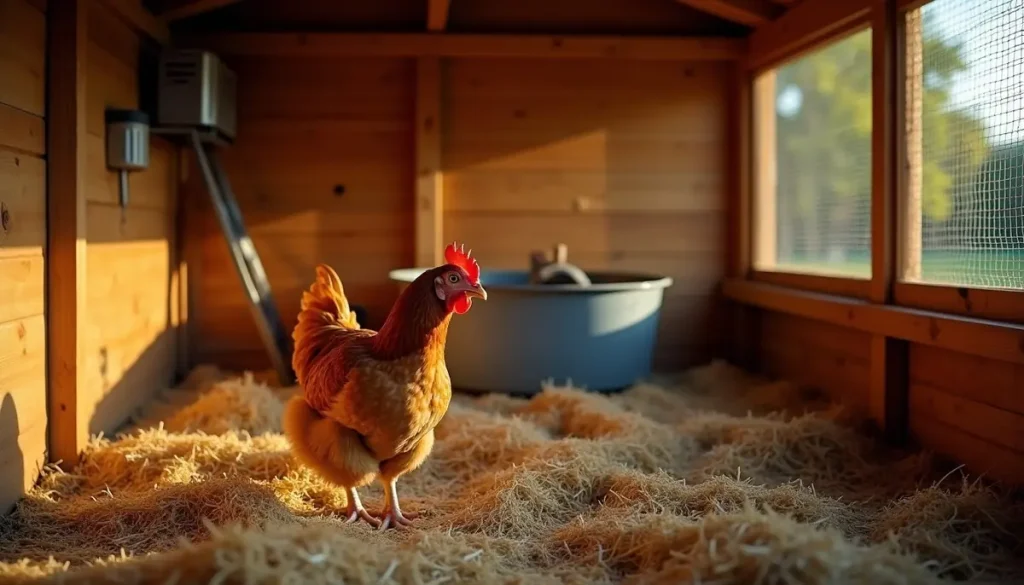
Rats come into a chicken coop for spilled feed, water and eggs, mostly at night, and they leave when those are gone and the gaps are closed. Pick up feed before dark, store it in sealed metal bins, collect eggs daily, and wrap the coop in half-inch hardware cloth (quarter-inch to stop mice too) buried 12 inches deep. Then trap with rat snap traps set inside boxes the hens cannot reach. Rat poison is the last option here, because labels require bait to be out of reach of domestic animals and birds.
Extension poultry specialists treat rodents as a feed, egg and disease problem rather than a nuisance. Oklahoma State’s fact sheet cites an estimate that one rat eats about 25 pounds of feed a year and wastes and contaminates more than it eats.
The coop checklist, in the order that works
| Step | What to do | The specification | Source |
|---|---|---|---|
| 1. Cut the night food | Take up or close feeders at dusk; clear scraps the birds leave | Clean up uneaten scraps before nightfall | University of Maryland Extension |
| 2. Store feed properly | Metal bin with a tight lid; no torn bags on the floor | Feed storage units secure and free of holes; spilled feed removed right away | USDA APHIS Program Aid 2235-4 |
| 3. Protect the water | Water inside the closed coop, or a covered drinker | Make sure rodents cannot access the water supply | USDA APHIS |
| 4. Collect eggs | Every day, more than once if possible | Collect eggs often; discard cracked ones | CDC |
| 5. Close the walls | Hardware cloth over every vent, window and gap | 19-gauge, 1/2 by 1/2 inch mesh stops rats; 24-gauge, 1/4 by 1/4 inch stops rats and mice | US Fish and Wildlife Service, via Oklahoma State ANSI-8207 |
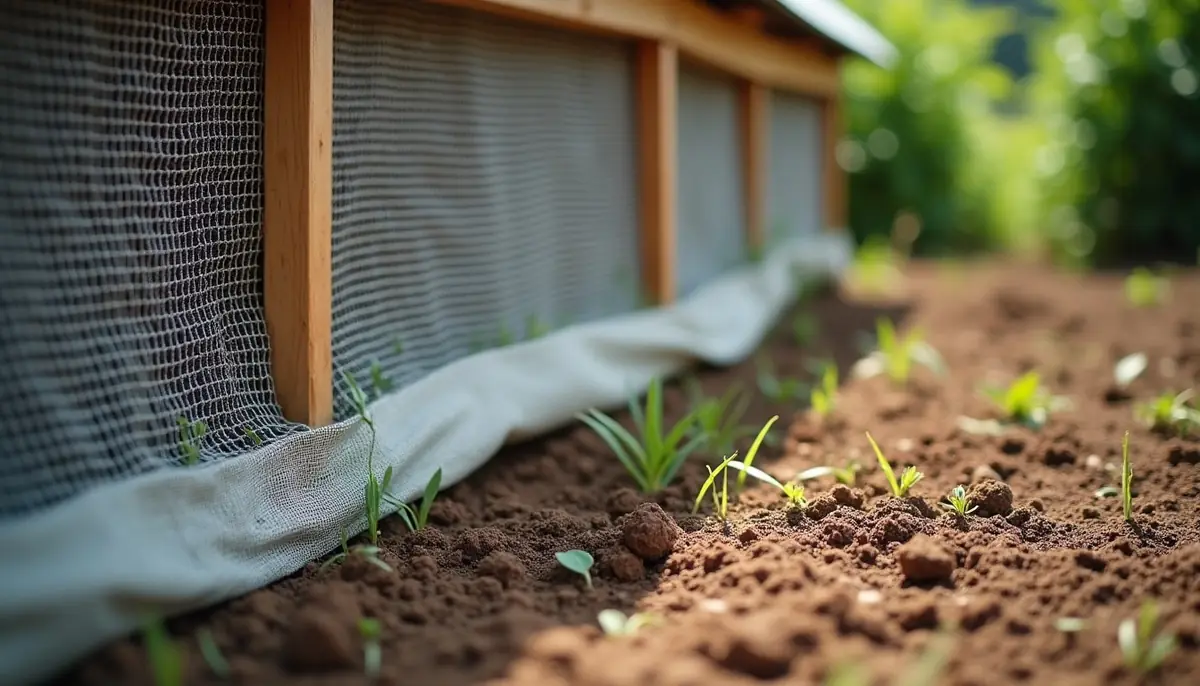
| 6. Stop digging | Bury the mesh or lay a concrete apron | Bury hardware cloth at least 12 inches; Maryland suggests a trench 12 to 18 inches deep | Extension (national); University of Maryland |
| 7. Seal small holes | Patch the floor, door edges and wall joins | Any opening larger than 1/4 inch | UC IPM; University of Maryland |
| 8. Clear cover | Mow around the coop; move compost, lumber and junk away | High weeds, lumber stacks and junk piles shelter rats near the house | Oklahoma State; University of Maryland |
| 9. Trap | Rat snap traps in boxes, along walls, set at night | Traps 10 to 20 feet apart, prebaited unset first | UC IPM Pest Note 74106 |
Steps 1 to 4 remove the reason rats visit; steps 5 to 8 stop them getting in. Trapping without them only makes room for new rats.
Why are rats in my chicken coop?
A coop offers the three things a Norway rat needs within a short walk: grain, water and cover. Norway rats prefer cereal grains, according to UC IPM, and usually stay as close to their nests as possible when food is near. Oklahoma State puts a rat’s home range at about 100 feet, with 80 per cent of its time spent there. That means the rats raiding your feeder usually live in burrows under the coop, a woodpile, a shed floor or a compost heap close by.
Rats also eat their whole day’s meal at once, normally at night, according to the same fact sheet. A feeder left full overnight is the main attraction, and the general triggers are covered in our guide to what attracts rats. Eggs are the second draw: UC IPM lists young birds and bird eggs among the preferred foods of roof rats.
Are rats common in chicken coops? USDA APHIS states it directly: food, water and shelter where domestic birds live are a magnet for wild birds, rodents and insects. Almost every flock owner meets rats eventually; the size of the problem depends on how much food is left out.
How many rats is it likely to be?
Oklahoma State’s rule of thumb for commercial poultry houses: signs but no sightings can mean around 100 rats; occasional daytime sightings plus frequent night sightings suggest 100 to 500. Backyard coops are far smaller, but rats seen in daylight usually mean a large population, and that is the point to call a licensed professional. Our page on rat exterminator cost lists what that usually costs.
Rats, snake or raccoon? Reading the evidence
Missing eggs have several suspects, and the fix differs for each. Extension predator guides give clear signs.
| What you find | Most likely culprit | Why |
|---|---|---|
| Bites on the hocks of young birds, swollen hock joints | Rats | Rats bite the hock; Maryland notes swelling and infection can follow |
| Day-old chicks gone, no other disturbance | Rat, snake, raccoon or house cat | All take chicks without leaving much; rats can carry away day-old chicks |
| Eggs gone, no shell left | Snake | Snakes swallow eggs whole |
| Shells opened at one end, crushed edges, within about 3 feet of the nest | Skunk | Skunks rarely carry eggs more than 1 metre |
| Eggs carried off, shells up to 28 feet away | Raccoon | Raccoons usually eat eggs within 9 metres of the nest |
| Chewed feed bags, droppings about 3/4 inch long, burrows by the coop | Norway rats | Capsule-shaped droppings about 3/4 inch long |
If the eggs vanish without a trace, read our guide to the rat snake, which takes eggs and chicks under a month old and needs a completely different response. Gnaw marks also help: UC IPM gives rat tooth marks as about 4 mm wide against a mouse’s 2 mm.
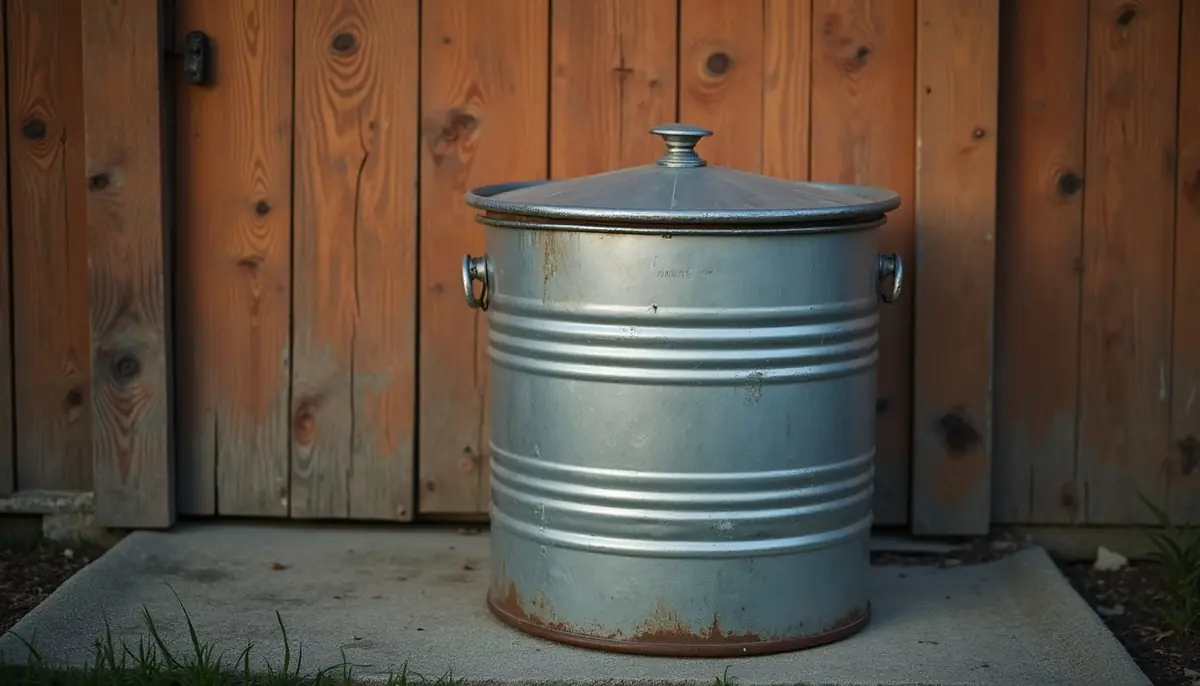
Do rats attack chickens?
Rats mostly take feed, eggs and chicks, but they do bite live birds. The national Extension predator guide says bites on the hocks of young birds often indicate rats, and University of Maryland Extension notes that rats can carry away day-old chicks and bite older birds in the hock joint. Oklahoma State adds that rats can frighten birds with their movements and noise, and that research in poultry houses linked lower rodent numbers with lower bird mortality. Chicks and young birds are the ones most at risk.
The gaps that matter, in millimetres
Chicken wire keeps chickens in; it does not keep rats out. UC IPM says never to use lightweight chicken wire because rats pass straight through the openings. The figures below come from extension and federal sources, with the coin sizes Oregon State and Oklahoma State use converted from the US Code.
Half-inch hardware cloth is the rat standard; quarter-inch is the one that also stops mice and least weasels, which the Extension predator guide says squeeze through holes as small as 1/4 inch.
Why a skirt alone sometimes fails
Oklahoma State lists rats as able to burrow 4 feet straight down, jump 36 inches vertically and climb both horizontal and vertical wires. A 12 inch buried apron stops most digging, but a coop with a soft dirt floor is safest with mesh laid across the whole floor or a concrete slab, and APHIS notes that concrete aprons around walls deter burrowing animals. University of Maryland Extension also suggests raising the coop off the ground to help keep rats, mice and weasels out. Run roofs matter for the same reason: a rat that can climb wire will go over a fence that has no top.
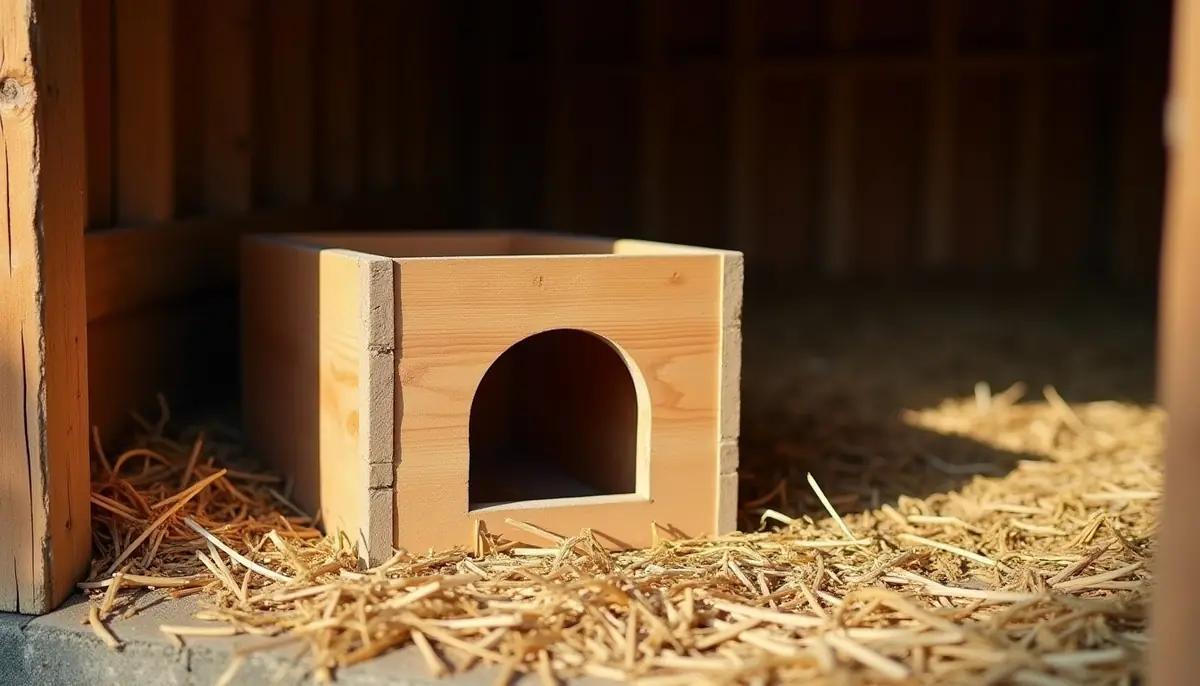
Trapping without harming the chickens
- Use rat-sized snap traps. UC IPM calls them the safest, most effective and most economical way to trap rats. Mouse traps will not hold an adult rat.
- Put every trap inside a box or station. UC IPM says to set traps within boxes or stations, or behind a barrier, wherever birds might reach them. Oklahoma State says rat traps go where birds cannot be caught.
- Set them at night, after the birds are shut in. UC IPM notes that night trapping reduces interactions with birds. Check and close the traps each morning before the flock is let out.
- Prebait first. Rats avoid new objects for several days and sometimes weeks. Leave traps baited but unset until the bait has been taken several times, then set them.
- Place them on the runs. Set traps along walls at right angles, trigger end against the wall, about 10 to 20 feet apart.
- Never use glue boards outdoors. UC IPM says they catch non-target wildlife, and a hen will catch herself too.
Ultrasonic devices are not a shortcut. UC IPM says rats quickly become accustomed to repeated sounds, which makes high frequency and ultrasonic devices ineffective, and that no repellent has been found to solve a rat problem for more than a very short time.
Is rat poison safe around chickens?
No rodenticide is labelled as safe for chickens to reach. The label for one agricultural-building bait (bromadiolone, EPA Reg. No. 67517-34) requires bait to be placed out of reach of children, pets, domestic animals and nontarget wildlife or in tamper-resistant stations, and says those stations must be used if children, pets, non-target mammals or birds may access the bait. Hens scratch and peck, so any bait that can be shaken out of a station is a risk; the same label says such units must be secured.
Two further points matter for an egg flock. Rodenticides can pass into eggs: when 6,000 laying hens in Israel were poisoned with coumatetralyl bait, Shimshoni and colleagues (2013) found it in the yolk at 0.0057 mg/kg on day two. And dead rats can carry several lethal doses of anticoagulant, so a hen, dog or owl that eats one can be poisoned secondarily; UC IPM warns of exactly this. If a dog has picked one up, see our guide on what to do if a dog killed a rat. Our analysis of rodenticide exposure in California wildlife shows how far these compounds travel through food chains.
Second-generation anticoagulants such as brodifacoum have been off the consumer market since 2011, and California now prohibits most anticoagulant uses. Baiting inside a coop or run is a job for a licensed applicator working to an agricultural-site label.
Salmonella and the flock
Rodents carry disease into a flock as well as taking from it. APHIS lists Salmonella and Campylobacter among the germs wild birds, rodents and insects can bring, and Oklahoma State says Salmonella and fowl cholera are the rodent-carried diseases of greatest concern to poultry keepers. CDC adds that poultry can look healthy and clean and still spread germs that make people sick, and advises washing hands with soap and water right after handling eggs, chickens or anything in their environment. Anyone unwell after contact with the flock should see a doctor.
When rats are recorded
There is no off season for rats at a coop. Our analysis of iNaturalist research-grade records shows Norway rats and roof rats recorded in every month.
Raw Norway rat records run from 397 in January to 760 in September, partly because more people are outside recording in summer. Measured as a share of everything recorded, the pattern reverses: Norway rats score 153 in November and 158 in December on our seasonality index, against 58 in June, because rats stay visible when insects and plants drop out of the records. Have the coop sealed before autumn.
Frequently asked questions
How can I get rid of rats in my chicken coop?
Remove the food first: close or lift feeders before dark, keep feed in sealed metal bins and collect eggs daily. Then cover every opening larger than a quarter inch with hardware cloth, buried at least 12 inches. Finally trap the rats already present with rat snap traps inside boxes, set at night once the birds are shut in.
Why are rats in my chicken coop?
Feed, water, eggs and cover. Norway rats prefer cereal grains, eat their main meal at night and usually live within about 100 feet of their food, according to Oklahoma State and UC IPM. A feeder left full overnight, spilled grain and an open water dish are the usual reasons rats settle beside a coop.
Do rats attack chickens?
Rats mainly steal feed and eggs, but extension sources say they also carry away day-old chicks and bite young and older birds on the hock joint, which can swell and become infected. Eggs and chicks are the most vulnerable. Bites on the hocks are the sign that points to rats rather than a snake or raccoon.
Is rat poison safe around chickens?
No. Rodenticide labels require bait to be out of reach of domestic animals or inside tamper-resistant stations wherever birds may reach it, and anticoagulants have been measured in the yolks of poisoned hens. Dead rats can also poison animals that eat them. Use traps in boxes, and leave any baiting to a licensed applicator.
Do rats live in chicken coops?
Usually they live just outside, in burrows under the coop floor, a shed, woodpile or compost heap, and come in at night to feed. UC IPM says Norway rat burrows are typically found along building foundations and beneath rubbish or woodpiles. A coop with a dirt floor and deep litter can hold burrows inside it too.
Sources
- Oklahoma Cooperative Extension Service, Rodent Control in the Poultry House, ANSI-8207 (Joe Berry), Oklahoma State University.
- UC Statewide IPM Program, Pest Notes: Rats, Publication 74106, University of California Agriculture and Natural Resources.
- Extension (Cooperative Extension System), Predator Management for Small and Backyard Poultry Flocks, poultry.extension.org.
- University of Maryland Extension, Predator Control (Nate Richards and Jenny Rhodes), 2022.
- USDA APHIS, Checklist To Protect Against Wild Birds, Rodents, and Insects, Program Aid No. 2235-4, November 2018.
- Centers for Disease Control and Prevention, Backyard Poultry (Healthy Pets, Healthy People).
- Oregon State University Extension, How to keep rats away from your home and yard, 2024.
- US EPA, Restrictions on Rodenticide Products; and product label EPA Reg. No. 67517-34 (bromadiolone 0.005%), amended 2012.
- Shimshoni JA et al., New validated multiresidue analysis of six 4-hydroxy-coumarin anticoagulant rodenticides in hen eggs, Journal of Veterinary Diagnostic Investigation 25(6), 2013.
- 31 US Code 5112, coin specifications (dime 0.705 inch, 5-cent coin 0.835 inch).
- The Pest Control Brief analysis of iNaturalist research-grade records, pulled October 2026.