Do Cockroaches Hibernate? What Cold Does to Them
No, cockroaches do not truly hibernate: the common house species either keep breeding indoors all winter or slow down outdoors and die if it stays freezing. German cockroaches live only in heated buildings, so winter barely touches them. American cockroaches are tropical: in a 2018 Oklahoma State study all of them died once air in an unheated building fell to 32°F (0°C). Oriental cockroaches are the hardy exception and can sit out weeks of freezing weather under stones and leaf litter.
So the answer depends on which cockroach you mean. The small brown roach in a kitchen has no winter at all; the big roach from the drain has a cold season it handles badly; a few outdoor species, like the wood cockroach, are genuinely built for cold. Below: what cold does, what temperature kills them, and why you may see more of them in December.
What each cockroach does in winter
| Species | Where it lives | What winter does to it | What you see in winter |
|---|---|---|---|
| German | Only indoors; Texas A&M says it does not live outdoors in Texas | Little, in a heated home; it keeps breeding | Same as summer, often noticed more |
| American | Outdoors in the South, sewers, steam tunnels; UF says in the northern US mainly steam heat tunnels or large institutional buildings | Slows, then dies in sustained cold; all died at 32°F (0°C) in an unheated building | Roaches from drains, basements and boiler rooms |
| Oriental | Outdoors under stones and debris, basements, water meter boxes | Tolerates cool weather; survived 13 weeks of near-continuous freezing outdoors in one study | Few adults; they invade after spring warms up |
| Smokybrown | Outdoors, especially in humid areas, Texas A&M says | Older nymphs of a Japanese population survived 90 days at 42°F (5.5°C) after acclimation | Occasional wanderers |
| Brownbanded | Indoors, in warm, high spots such as closets and furniture | Killed or forced out of unheated buildings, Purdue’s Gould noted | Only in heated homes |
| Wood cockroach | Under bark, logs and woodpiles | Nymphs stay active at freezing temperatures | Carried in with firewood; cannot survive indoors |
Sources for each row are listed at the end. Not sure which you have? Our cockroach identification guide compares the species at the same scale.
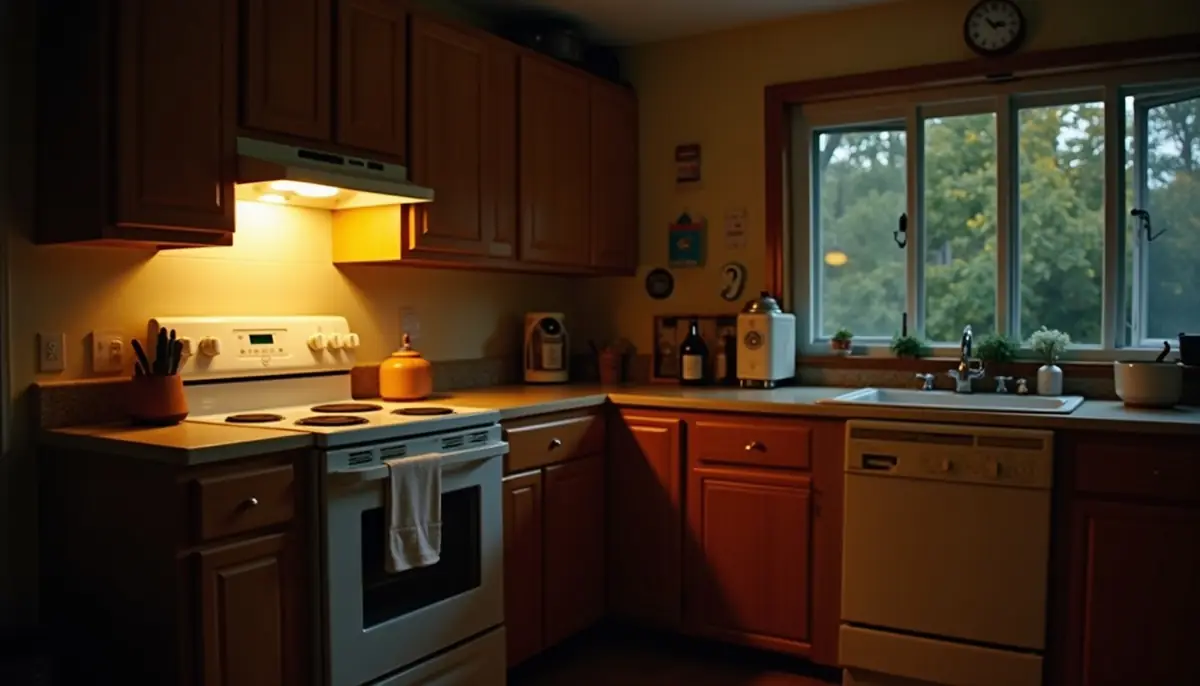
Do cockroaches hibernate in the winter?
Hibernation, or its insect equivalent diapause, means shutting down development on a schedule to wait out a season. The pest cockroaches mostly lack a reliable version of that. A 1973 Japanese study (Tsuji and Mizuno) held four species at a constant 42°F (5.5°C) and found that no stage of the American or German cockroach could tolerate 40 days of chilling, while the smokybrown and the Japanese cockroach, given a short spell at 59°F (15°C) first, survived far longer. The authors concluded the first two species could not survive a three-month winter outdoors in central Japan.
What German and American cockroaches do instead is slow down. Ebeling’s Urban Entomology (UC Riverside) gives the American cockroach a preferred temperature of 82.4°F (28°C) and notes it stays active at 70°F (21°C). UC IPM says German cockroaches favour 70 to 75°F (21 to 24°C). Below their comfort zone they move, grow and breed more slowly, and when it gets cold enough for long enough, they die rather than enter a protected dormant state.
German cockroaches do feel winter in one measurable way. Ebeling reports that egg cases dropped by females collected in summer produced 27.9 nymphs each, against only 9.7 from females collected in winter. Fewer young, but no shutdown.
The cockroaches that do overwinter
The Oriental cockroach comes closest to sitting winter out. Ebeling cites Shuyler (1956), who found Oriental cockroaches surviving outdoors through 13 weeks of almost continuous freezing weather under a light snow cover, sheltering under stones, leaf debris and clods of soil near a house. About two weeks after the first warm weather of spring, they invaded the house. Penn State describes the species as having a seasonal cycle, with adults peaking in late spring or early summer.
Wood cockroaches are the true cold specialists. Purdue’s George Gould observed that young wood cockroach nymphs exposed to freezing temperatures in midwinter were still active and able to scurry for shelter, and a 1997 study in Zoological Science lists the Pennsylvania wood cockroach among the few cockroaches known to be freeze tolerant. They are outdoor insects: the University of Kentucky says they cannot survive indoors.
What temperature kills cockroaches?
These are the figures we could verify. Species and methods differ, so read each row as its own result.
| Temperature | Result | Source |
|---|---|---|
| 115°F (46°C) for 45 minutes | Target used in US Army heat treatments of German cockroach infested kitchens | Zeichner, Wood and Hoch, 1996 |
| 82.4°F (28°C) | Preferred temperature, American cockroach | Ebeling, Urban Entomology |
| 70 to 75°F (21 to 24°C) | Favoured range, German cockroach | UC IPM Pest Notes 7467 |
| 46 to 50°F (8 to 10°C), constant | About 40 per cent of American cockroaches dead within 72 hours | Bradt, Hoback and Kard, 2018 |
| 42°F (5.5°C), constant | No stage of German or American cockroach survived 40 days | Tsuji and Mizuno, 1973 |
| 32°F (0°C) air, unheated building | All American cockroaches died, even with unfrozen mulch to hide in | Bradt, Hoback and Kard, 2018 |
| 17.6°F (minus 8°C) for 24 hours or longer | Freezing recommended for infested items, preferably up to a week | Health Canada |
The Oklahoma State result is the cleanest answer to “do cockroaches die in the cold”. Bradt and colleagues kept wild-caught American cockroaches in a non-heated building with wood mulch that stayed above freezing, and every one died once the air reached 32°F (0°C). Even at 46 to 50°F, around 40 per cent died within three days, and the share that could no longer right themselves when flipped rose the longer the cold lasted. The authors concluded that adult American cockroaches could not survive several days at or below 50°F (10°C).
How long can roaches survive in the cold overnight?
A single cold night is usually not enough. Every kill in the studies above took days or a sustained freeze, and the Oklahoma State cockroaches lost mobility gradually rather than all at once. Health Canada’s guidance for freezing infested items is at least 24 hours at 17.6°F (minus 8°C), and preferably up to a week, which tells you how much margin it builds in for egg cases.
Will a cold house kill roaches?
Rarely, and it is not a practical treatment. To match the Japanese result you would need the whole house held near 42°F for more than a month, and to match the Oklahoma one, near freezing, which would put your pipes at risk long before it cleared the roaches. In a real home, German cockroaches move to whatever is warm. Ebeling notes that central heating keeps every room warm enough for breeding even in winter, and that roaches find warmth in appliances when rooms cool at night. Refrigerator motors, dishwashers and wall voids beside heated rooms are exactly where they go.
Heat works better than cold, but only in professional hands. In the Army trials, facilities were heated to a 115°F target for 45 minutes, ceilings reached 150°F, and some floor-level spots still stayed below target, so cockroaches gathered in the cool spots and had to be vacuumed. That is a structural job with fire and equipment risks, not a DIY fix. For the methods that do clear German cockroaches, see our German cockroach treatment guide.
Why do roaches come inside in winter?
Mostly they were already in, or came in for water. German cockroaches are carried in on groceries, cardboard and furniture at any time of year, and our guide to what attracts roaches covers those routes and the water that keeps them. Large American cockroaches in winter usually come from somewhere warm that is connected to your home: a sewer line, a boiler room, a steam tunnel or a heated basement. UF/IFAS notes that outdoor cockroaches often come indoors during droughts looking for moisture, which can happen in a dry winter too.
Two winter arrivals are more seasonal. Wood cockroaches arrive in firewood, according to the University of Kentucky, and wander about because they cannot survive indoors. Oriental cockroaches tend to invade once spring warms up, not in the depth of winter. For the insects that genuinely move indoors to overwinter, such as stink bugs, lady beetles and cluster flies, see our separate guide to bugs in the house in winter.
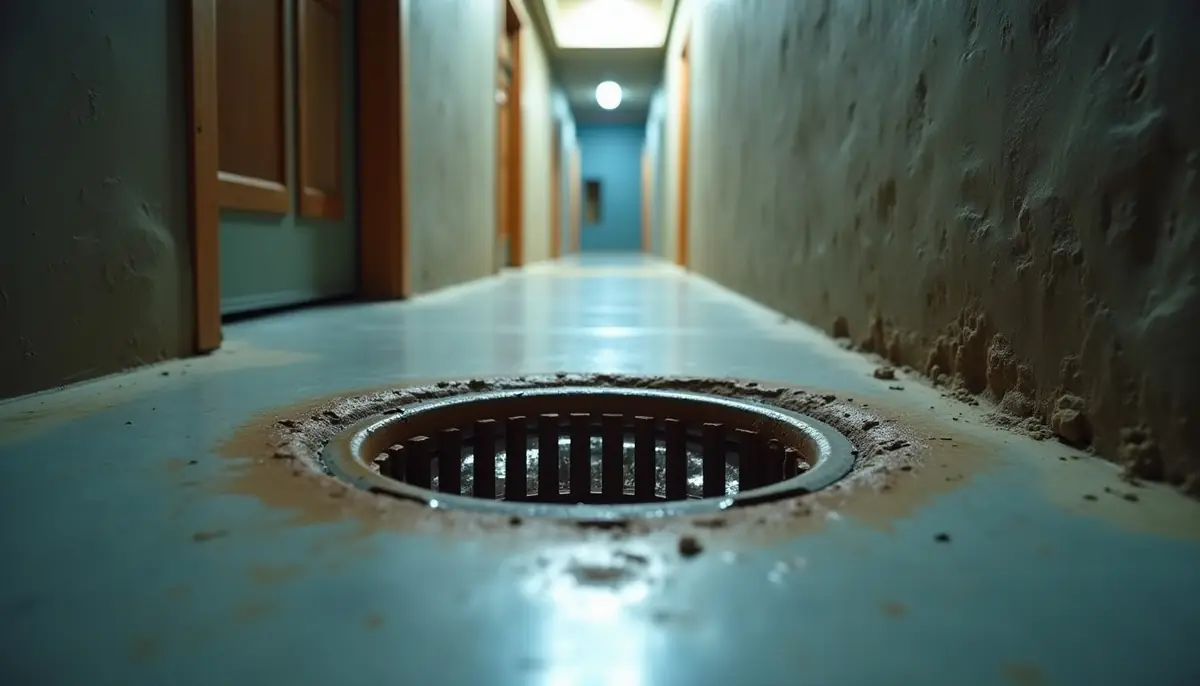
Do cockroaches come out in winter or summer?
Both, but in different ways for each species. The Pest Control Brief analysis of iNaturalist research-grade records, pulled October 2026, removes the effect of how many people are out recording by measuring each species’ share of all observations each month.
The German cockroach peaks in November (index 184), December (176) and January (171). It does not breed more in winter; it lives indoors all year, and its share of records rises when there is little else outdoors for people to photograph. American cockroaches run above average from September to December, peaking in November (155). Oriental cockroaches follow Penn State’s description closely: low in winter (35 in January), peaking in July (174).
Raw counts make the point more directly. Every animal here is recorded less in January, partly because fewer people record in winter, but the size of the drop differs enormously.
German cockroach records in January are still 61.7 per cent of their peak month, because nothing about their indoor life changes. American cockroaches fall to 23.1 per cent. Oriental cockroaches, dragonflies, mosquitoes and spiders, which really are shut down or dormant outdoors in much of the country, fall to under 10 per cent. Flying roaches are a warm weather sight: a few species fly or glide on warm nights, which our article on whether roaches can fly covers species by species.
Do cockroaches hibernate in Florida?
No. Most Florida winters rarely hold the sustained cold that killed cockroaches in the studies above, so the large outdoor species usually keep going through the year, slowing down on cool nights. The species Floridians record most are the outdoor ones. Ebeling notes the Australian cockroach cannot tolerate as much cold as the American, which is why it is common in tropical areas and scarce even in Southern California.
In our analysis of Florida iNaturalist records, Australian (1,636) and American (1,475) cockroaches far outnumber smokybrown (204) and German (183). These are mostly outdoor photographs of large roaches, so they show which species people notice, not which infest homes. The indoor German cockroach is under-recorded everywhere because few people photograph it in their kitchen. Many Floridians call the big outdoor species palmetto bugs; our palmetto bug guide explains which insect each name refers to.
Where do cockroaches go when they disappear?
Into cracks. Texas A&M says the German cockroach spends about 75 per cent of its life in narrow cracks and crevices 1/32 to 3/16 inch wide (about 1 to 5 mm), coming out at night for food and water. A roach that vanishes behind a cabinet has usually gone a few inches to a harbourage shared with others, not left the house. In winter, outdoor species go to the warmest, dampest place they can reach: under stones, leaf litter and soil next to a foundation for Oriental cockroaches, and sewers, steam tunnels or heated basements for American cockroaches.
Texas A&M adds that seeing cockroaches in daytime usually means there are a lot of them around. If small roaches keep vanishing and reappearing in a kitchen in January, assume a breeding population; our guides to baby cockroaches and cockroach eggs explain what to look for.
What to do about cockroaches in winter
- Identify the species first. A large roach in a cold month is often a single wanderer from a drain or basement; small roaches mean an indoor population.
- Take away water. UF/IFAS calls water the most important factor in cockroach survival. Fix drips, dry sinks overnight and keep floor drain traps full.
- Seal the warm routes. Gaps around pipes, drains and utility lines link heated spaces where American cockroaches overwinter to your rooms.
- Check firewood outdoors before carrying it in, and store it away from the house.
- Use bait, not cold. Gel or granular baits placed where roaches hide, used as the label directs, work in winter as well as summer.
- Call a licensed professional for German cockroaches that persist after a few weeks of baiting and sanitation, or in apartments where roaches move between units.
How long a roach lasts without food or water, which matters more than cold in a heated home, is covered in our guide to how long cockroaches live.
Frequently asked questions
How long do cockroaches hibernate?
The common house cockroaches do not hibernate, so there is no set period. German cockroaches stay active all year in heated buildings. American cockroaches slow down in cold weather and die after several days at or below 50°F (10°C), according to a 2018 Oklahoma State study. Oriental cockroaches can shelter outdoors through weeks of freezing weather, about 13 weeks in one study, and invade homes around two weeks after spring warms up.
Do roaches like the cold or hot?
Warm. UC IPM says German cockroaches favour 70 to 75°F (21 to 24°C) and brownbanded cockroaches about 80°F (27°C), while Ebeling gives the American cockroach a preferred temperature of 82.4°F (28°C). The Oriental cockroach prefers cooler conditions than the others and copes with cold best. Very high heat kills them too: professional heat treatments aim for around 115°F (46°C) held for 45 minutes.
Why should you never squish a cockroach?
Squishing smears the insect’s body contents and gut contents onto your floor or counter. Ebeling’s Urban Entomology notes that many disease organisms have been found on cockroach legs, bodies and droppings, most commonly Salmonella. Crushing one also does nothing about the others hiding nearby. A vacuum or sticky trap is tidier, and wiping the spot with hot soapy water afterwards is sensible. If you have concerns about illness, ask a doctor.
What do roaches hate most?
Dryness, more than anything people spray or scatter. UF/IFAS calls water the most important factor in cockroach survival, and German cockroaches last about 12 days with food but no water. They also avoid light and open space, which is why they live in cracks. Some German cockroach strains have even evolved to reject the sugar glucose in baits, which our German cockroach treatment guide explains.
Can a freezer kill cockroaches?
Yes, for small items, if you give it time. Health Canada advises freezing infested items for at least 24 hours at 17.6°F (minus 8°C), preferably up to a week, and putting trapped cockroaches in a lidded jar in the freezer for at least 24 hours. Make sure the item tolerates freezing and condensation first, since electronics and some materials may not.
Sources
- Bradt, D. L., Hoback, W. W. and Kard, B. M., American Cockroach Response to Cold Temperatures, Southwestern Entomologist 43(2): 335 to 342, 2018.
- Tsuji, H. and Mizuno, T., Effects of a low temperature on the survival and development of four species of cockroaches, Japanese Journal of Sanitary Zoology (Medical Entomology and Zoology) 23(3): 185 to 194, 1973.
- Tanaka, K. and Tanaka, S., Winter Survival and Freeze Tolerance in a Northern Cockroach, Periplaneta japonica, Zoological Science 14(5), 1997.
- Gould, G. E., The effects of temperature upon the development of cockroaches, Proceedings of the Indiana Academy of Science 50: 242 to 248, 1940 (Purdue University Agricultural Experiment Station).
- Ebeling, W., Urban Entomology, Chapter 6, Pests attacking man and his dwellings, University of California, Riverside (citing Shuyler 1956).
- University of California Statewide IPM Program, Pest Notes: Cockroaches, Publication 7467, revised December 2019.
- Texas A&M AgriLife Extension, Cockroach Biology and Management, E-359, 2012.
- UF/IFAS Extension, American Cockroach, Featured Creatures EENY-141 (IN298); Cockroaches and Their Management, ENY-214.
- Penn State Extension, Oriental Cockroaches.
- University of Kentucky Entomology, Cockroach Elimination in Homes and Apartments, ENTFACT-614.
- Health Canada, Cockroaches (pest control tips).
- Zeichner, B. C., Wood, D. F. and Hoch, A. L., The use of heat for control of chronic German cockroach infestations in food service facilities, Proceedings of the Second International Conference on Urban Pests, 1996.
- The Pest Control Brief analysis of iNaturalist research-grade records, pulled October 2026.