What Do Cockroaches Smell Like? The Odor of an Infestation
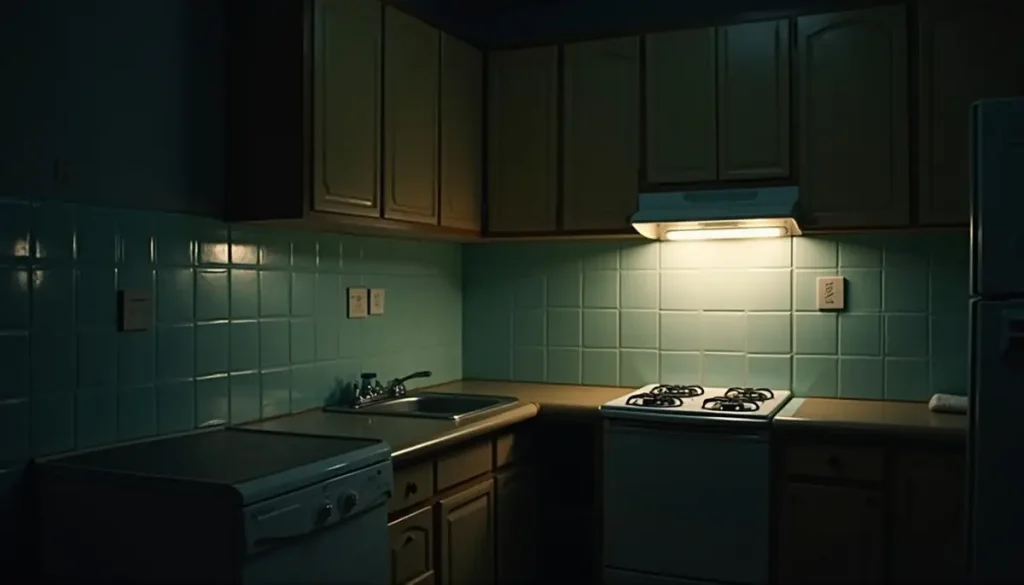
Cockroaches smell oily and unpleasant, a stale, musty odour that comes mostly from their droppings and body secretions and builds up where many of them hide. A single roach rarely smells; Purdue Extension notes the smell appears when their numbers become large. The odour is partly a chemical message: German cockroach droppings carry scents that call other roaches to the same hiding place. Removing it means removing the droppings and the roaches, not masking it.
| What you notice | Where it comes from | What it usually means |
|---|---|---|
| Oily, stale odour in a cabinet, under a sink or behind an appliance | Droppings and secretions at a harbourage; German cockroach droppings hold 40 volatile acids (Wada-Katsumata and colleagues, 2015) | An established group hiding within a few feet of the smell |
| Food that tastes or smells “off” near roach activity | Odorous secretions and faeces on food (Penn State Extension; UF/IFAS EENY-002) | Roaches are feeding in that cupboard; discard exposed food |
| Sharp, rank smell after disturbing a large, slow roach in Florida | Defensive spray of the Florida woods cockroach (UF/IFAS EENY-514) | One outdoor roach that came in, not an infestation |
| Smell lingering after treatment | Droppings, shed skins and bodies left in harbourages | Cleaning is unfinished, or roaches remain |
Compiled by The Pest Control Brief from Purdue Extension E-241, Penn State Extension, UF/IFAS EENY-002 and EENY-514, and PNAS 112:15678 (2015).
What do cockroaches smell like?
Extension entomologists use plain words for it. University of Kentucky entomologist Michael Potter writes that cockroaches leave an unpleasant odour; Purdue Extension says they produce unpleasant smells when their numbers become large; Penn State Extension says German cockroaches produce odorous secretions that can affect the flavour of foods. It is often described as musty, oily or sweetish and stale, the smell of a cupboard that has been shut for a long time with something greasy inside.
The smell is strongest at the source. Kentucky’s guide notes that cockroaches do not build nests but congregate in distinct areas in response to aggregating odours in their faeces, leaving droppings that look like pepper-like specks. Those specks, smears and shed skins are what you are smelling, so the odour points to the hiding place more reliably than the roaches themselves, which are out mostly at night.
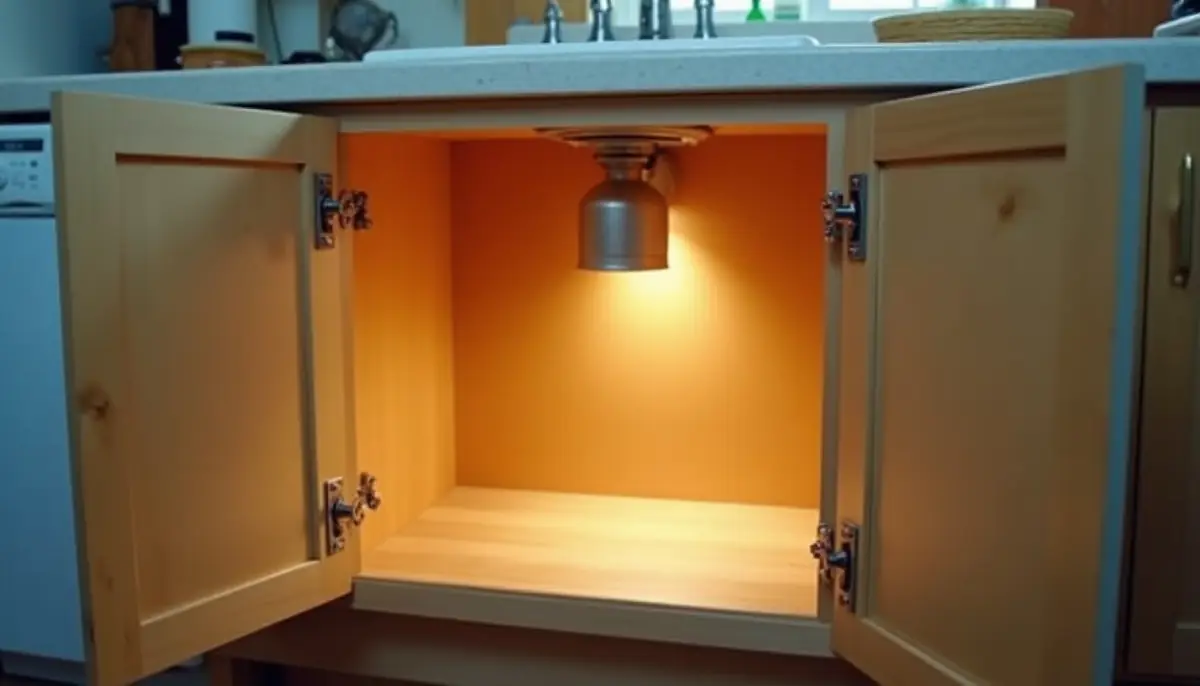
Why the smell exists: droppings that call other roaches
The best evidence comes from North Carolina State University. In a 2015 paper in the Proceedings of the National Academy of Sciences, Ayako Wada-Katsumata, Coby Schal and colleagues found 40 volatile carboxylic acids in German cockroach faeces. Roaches raised with no gut microbes produced faeces lacking 12 of the major acids, with 24 more present only in trace amounts, and nymphs strongly preferred normal faeces over the germ-free kind. A blend of 6 of the acids attracted nymphs on its own.
In short, gut bacteria make much of the German cockroach’s odour, and the odour is an address label. The PNAS authors note that because gut bacteria reflect the local environment, each group can carry its own scent, which helps keep roaches loyal to a hiding place. That is why the smell does not spread evenly through a kitchen: it pools where droppings collect, such as cabinet corners, behind the fridge or under the sink.
Dead cockroaches and the oleic acid claim
Many pages say dead roaches release oleic acid with a powerful smell. Half of that is right. Christopher Rollo’s group at McMaster University found that oleic and linoleic acids are reliably and quickly released from cells after death, and that cockroaches avoided places treated with extracts of dead roaches. These “necromones” are a death signal to other insects. To people, oleic acid has only a mild, lard-like odour, according to the US National Library of Medicine’s PubChem record. If a room smells worse after a treatment, the likelier cause is the droppings and bodies left behind in harbourages, which is a cleaning job.
Do cockroaches smell when you kill them?
Most do not give off a sharp smell when squashed. The exception is the Florida woods cockroach, a large, slow roach without working wings, 30 to 40 mm (1.2 to 1.6 inches) long, also called the Florida stinkroach or skunk cockroach. UF/IFAS describes an oily, odiferous defensive secretion that it can aim from 3 centimetres to 1 metre, and which irritates skin and eyes. UF/IFAS notes it lives mainly outdoors and usually arrives indoors carried on items such as firewood; our guide to palmetto bugs covers the large species.
Does a roach smell mean an infestation?
Usually, yes, and a sizeable one. Purdue Extension says cockroaches produce unpleasant smells when their numbers become large. For scale, a randomised allergen trial in low-income urban homes enrolled homes trapping 50 to 500 cockroaches in 3 days; a national survey of 831 US homes found the odds of high allergen levels rose with the number of cockroaches observed. A single roach seen in daylight with no odour is a different situation, covered in our guide to finding one cockroach.
Confirm before you treat. Penn State recommends sticky trap surveys to judge the extent of an infestation: set several overnight where the smell is strongest. German cockroach adults are 1/2 to 5/8 inch long (13 to 16 mm), and tiny nymphs in the traps mean breeding indoors; our guide to baby cockroaches shows each stage.
The smell is not seasonal, because German cockroaches live indoors all year. In our iNaturalist analysis their share of US records rises to 184 in November and 171 in January against a yearly mean of 100, which reflects people noticing them when little else is about, not more breeding in winter.
Is cockroach smell dangerous?
No source we read describes the odour itself as toxic. The health issue is what produces it. Kentucky’s guide says many people are allergic to cockroach excrement and shed skins, which can cause congestion, sneezing and asthma, and the national survey found allergen above the 8.0 U/g level linked to asthma symptoms on 10 per cent of US kitchen floors. A strong roach smell means those same deposits are present. Our page on cockroach allergen and asthma sets out the research; anyone with breathing symptoms should speak to a doctor.
How do I get rid of cockroach smell?
Air fresheners, vinegar and baking soda cover the odour for a day; the droppings keep producing it. The order that works:
- Stop new droppings. Bait is the method Penn State calls effective for German cockroaches, while residual sprays and foggers are of little value and may scatter them. Our German cockroach treatment guide covers bait actives. Heavy or returning infestations, and any in apartments, are a job for a licensed professional.
- Find the deposits. Kentucky’s guide recommends a bright flashlight: check cabinet hinges and corners, under the sink and behind the fridge and stove.
- Remove, then wash. Empty the cabinet, vacuum specks and shed skins from corners and hinges with a filtered vacuum, then wash shelves and doors with hot water and detergent. Throw out stored cardboard and paper bags from infested cupboards.
- Repeat after the bait works. Droppings keep appearing until the population collapses, so clean again once trap catches stop.
Cleaning plus control is measurable. In that randomised trial, occupant education, bait and professional cleaning cut the main cockroach allergen by 96 per cent on kitchen floors in 6 months.
How to get rid of cockroach smell in cabinets
Cabinets hold the smell because hinge gaps and back corners are the dark, secluded harbourage near food that Kentucky Extension describes. Wash every surface including the underside of shelves and the door hinges, leave doors open to dry, and keep food in sealed hard containers until traps stay empty. Swollen, stained chipboard that still smells after washing may need replacing.
Smells that get mistaken for cockroaches
| Smell | Likely source | How to tell |
|---|---|---|
| Musky, urine-sharp | House mice (Internet Center for Wildlife Damage Management) | Droppings about a quarter inch long, not pepper-like specks |
| Sweet, rotting, getting stronger | Dead rodent in a wall or ceiling | Localised to one wall; see our dead mouse smell guide |
| Damp, earthy, musty | Mould from a moisture problem (EPA) | Damp surfaces, staining; EPA advises indoor humidity below 60 per cent |
| Rank spray from one large roach | Florida woods cockroach (UF/IFAS) | A single large roach without working wings; rarely breeds indoors |
Our droppings identification guide separates cockroach specks from mouse and other droppings.
Frequently asked questions
Can cockroaches smell food?
Yes. Cockroaches find food and shelter largely by odour. The 2015 PNAS study used olfactory tests to show German cockroach nymphs choose the scent of normal faeces over that of germ-free roaches, and Kentucky Extension notes roaches congregate in response to odours in their droppings. Sealed food containers remove the scent cue.
How long does cockroach smell last?
No study has timed the odour itself. It lasts as long as droppings and secretions remain, which is why masking products fail. In the randomised allergen trial, bait plus professional cleaning cut kitchen floor allergen by 96 per cent over 6 months, a fair guide to how slowly deposits clear without thorough cleaning.
What smells do cockroaches hate?
The one avoidance smell with research behind it is their own death signal: McMaster University researchers found cockroaches avoided places treated with extracts of dead roaches, linked to oleic and linoleic acids. It has not become a home treatment. Penn State and Kentucky Extension recommend bait and cleaning, not repellent scents, for indoor infestations.
Why does my house smell like cockroaches but I see none?
German cockroaches hide by day in cracks near food, warmth and moisture, so a smell can come before sightings. Purdue links the odour to large numbers, so set sticky traps overnight near the smell, under the sink and behind appliances, and check the catch for nymphs before deciding on treatment.
Sources
- Wada-Katsumata A, Zurek L, Nalyanya G, Roelofs WL, Zhang A, Schal C. Gut bacteria mediate aggregation in the German cockroach. Proceedings of the National Academy of Sciences 112(51):15678 to 15683, 2015; and NC State News release, December 2015.
- Yao M, Rosenfeld J, Attridge S, Sidhu S, Aksenov V, Rollo CD. The Ancient Chemistry of Avoiding Risks of Predation and Disease. Evolutionary Biology 36:267 to 281, 2009; and McMaster University release, September 2009.
- Arbes SJ and colleagues. Abatement of cockroach allergen (Bla g 1) in low-income, urban housing: a randomized controlled trial. Journal of Allergy and Clinical Immunology, 2003.
- Cohn RD, Arbes SJ, Jaramillo R, Reid LH, Zeldin DC. National prevalence and exposure risk for cockroach allergen in U.S. households. Environmental Health Perspectives, 2006.
- Potter MF. Cockroach Elimination in Homes and Apartments, Entfact-614, University of Kentucky Entomology.
- Bennett G and Wang C. A Practical Guide to Cockroach Control in Multi-Family Housing Units, E-241-W, Purdue Extension.
- Jacobs S. German Cockroaches, Penn State Extension, updated 2026.
- Valles S. German Cockroach, Blattella germanica, Featured Creatures EENY-002, UF/IFAS.
- Bibbs CS and Baldwin RW. Florida Woods Cockroach, Eurycotis floridana, Featured Creatures EENY-514, UF/IFAS, reviewed 2024.
- US National Library of Medicine, PubChem: Oleic acid (CID 445639), odour description.
- US Environmental Protection Agency, A Brief Guide to Mold, Moisture and Your Home.
- Internet Center for Wildlife Damage Management, House Mice.
- The Pest Control Brief analysis of iNaturalist research-grade records, pulled October 2026.