Bugs in the Light Fixture: Why They End Up There
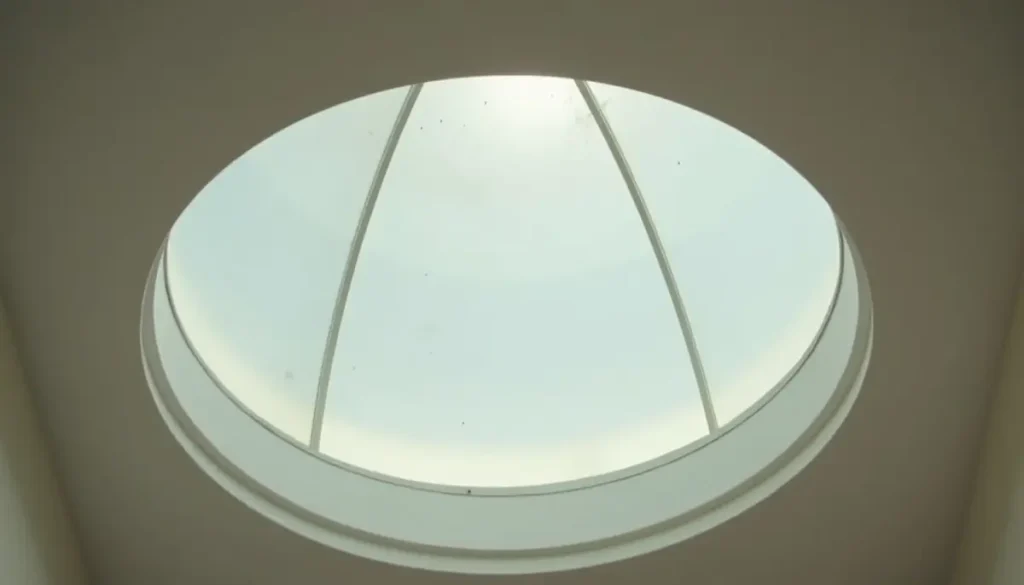
Bugs in a light fixture usually got in through the gap where the fixture meets the ceiling or the glass meets its base, drawn by the light, and then could not find a way back out. In autumn and late winter most of them are overwintering cluster flies, Asian lady beetles, boxelder bugs or stink bugs crawling out of the attic or wall voids. In summer they are mostly moths, gnats and midges. Switch off, let it cool, empty the glass, then seal the route in.
Penn State Extension says boxelder bugs and Asian lady beetles indoors “will emerge from cracks under or behind baseboards, around window and door trim, and around exhaust fans or lights in ceilings.” A ceiling light is often the only bright opening between a dark attic and the room below, which is why the same fixture fills up every winter.
Which bug is in the glass?
| What is in the fixture | Size | Peak season | Where it came from | Fix |
|---|---|---|---|---|
| Grey, sluggish flies with golden hairs on the thorax | Slightly larger than a house fly | Autumn, then warm winter days | Attic and wall voids (cluster flies) | Vacuum; seal attic-side gaps |
| Orange to red domed beetles, variable spots | 7 mm (9/32 in) | October to November, then late winter | Attic, ceiling and wall voids | Vacuum; seal around fixtures |
| Black bugs with red stripes behind the head and red wing edges | About 1/2 in (13 mm) | September to November, warm spring days | Wall voids and under siding | Vacuum; caulk around fixtures |
| Brown shield-shaped bugs that smell when disturbed | About 17 mm (0.66 in) | September to October | Attic and walls | Vacuum; seal entry points |
| Tiny dark long-legged flies | 1/16 to 1/8 in (1.5 to 3 mm) | Year round indoors | Overwatered house plants (fungus gnats, not fruit or drain flies) | Dry out the potting mix |
| Small round beetles with mottled scales | 1/10 to 1/8 in (2.5 to 3 mm) | Any month; adults head for light | Indoor larvae in wool, lint, dead insects (carpet beetles) | Clean the source, not just the light |
| Moths, midges, mixed small flies | Varies | Summer evenings | Outdoors, through doors and screens | Warm LED bulb, screens |
| Winged ants or termites, wings shed | Varies | Spring swarm season | A nest in or under the house | Identify before anything else |
Compiled by The Pest Control Brief from Penn State Extension (cluster flies, boxelder bug, multicolored Asian lady beetle, brown marmorated stink bug), Ohio State HYG-2106 and UC IPM Pest Notes 7448 and 7436.
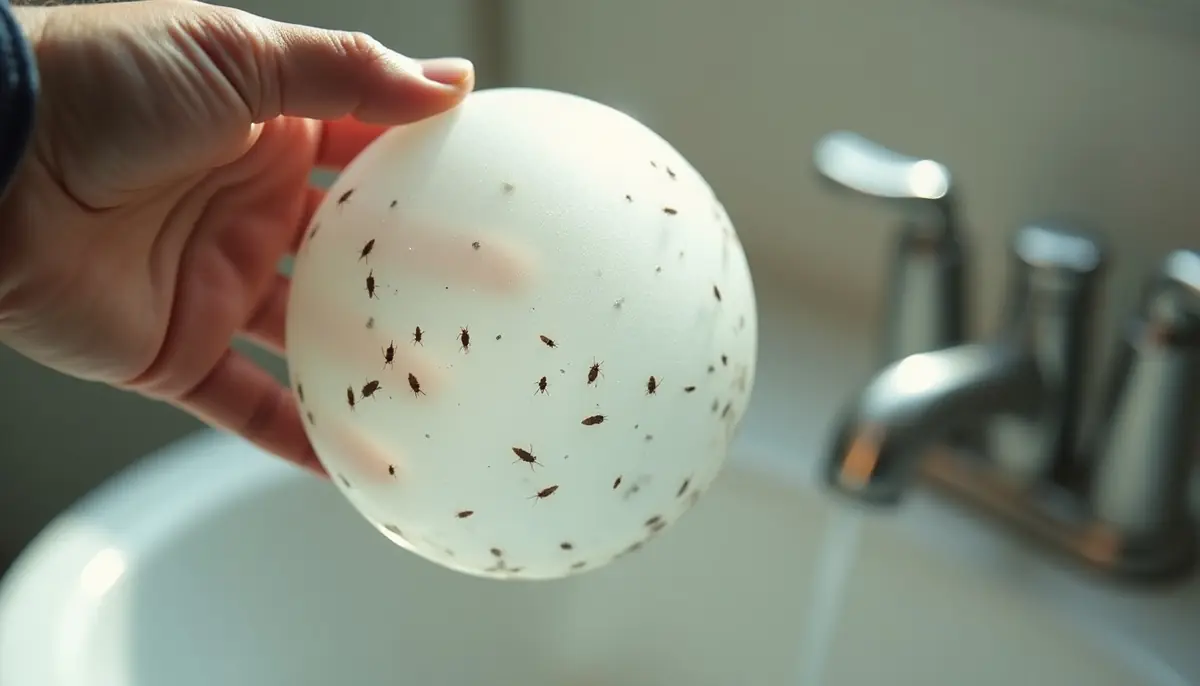
How are bugs getting into my light fixture?
Two routes cover almost every case. The first is from above. Penn State says cluster flies “become active on warm days and crawl out of wall voids and attics in a confused attempt to go back outside,” and that it is “not uncommon for tens of thousands” of Asian lady beetles “to congregate in attics, ceilings, and wall voids.” Its advice adds that the beetles “are attracted to light and can see light entering through cracks in the walls or ceilings.” A gap round the electrical box is exactly such a crack.
The second route is from the room. Flying insects already indoors, or let in through an open door, circle the lamp and drop into a bowl-shaped shade. A 2024 motion-capture study, explained in our piece on why moths are drawn to lights, found insects tilt their backs toward the brightest point, which bends their flight into tight orbits around a lamp. Inside a closed globe there is no escape route that looks brighter than the bulb.
Why do bugs die in light fixtures?
Insects trapped in a glass bowl have no food or water, and keep heading back to the light instead of the gap they came through. That is why the bodies pile up. The species list matters more than the deaths: if the dead are cluster flies, lady beetles or boxelder bugs, the fixture is telling you about a gap to the attic, not an infestation in the room. Penn State states that stink bugs “will not reproduce inside structures” and that cluster flies “are not reproducing within the structure.”
When each one shows up
Our analysis of iNaturalist research-grade records shows the overwintering group peaking in autumn and, for cluster flies and boxelder bugs, a second bump in late winter and early spring, matching the extension description of insects reappearing on warm days. The index removes observer effort: 200 means the insect is twice its usual share of everything recorded that month. Boxelder bugs peak in October (index 231), brown marmorated stink bugs in October (240), Asian lady beetles in November (177), and cluster flies in March (184) and November (183).
The guide to which bugs come indoors in winter sorts these overwinterers from year-round indoor pests. For each species:
- Penn State measures the Asian lady beetle at 7 mm; our page on Asian lady beetles, their bite and the allergy risk covers the rest.
- Ohio State puts boxelder bugs at about 1/2 inch; see boxelder bugs and the trees they come from.
- Penn State says stink bugs seek shelter from September through October; see brown marmorated stink bugs as autumn invaders.
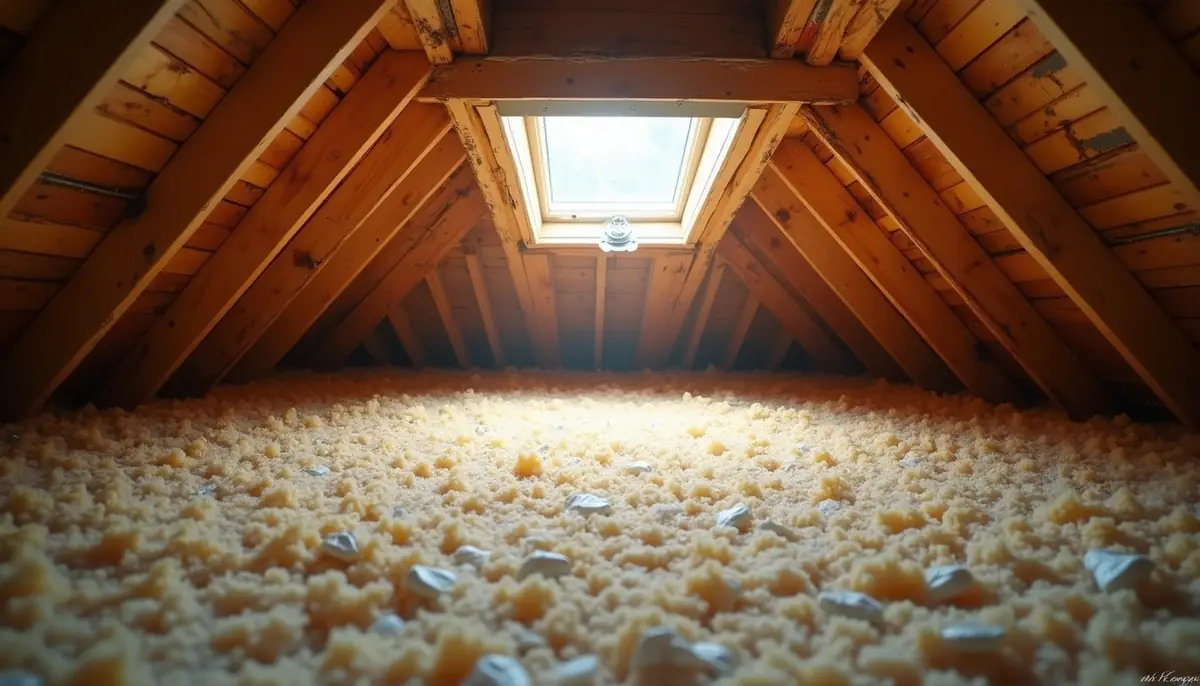
How to get the bugs out, and keep them out
- Switch off at the wall and let the bulb cool. For anything beyond unclipping the glass, switch off the circuit at the breaker.
- Remove the globe over a sink or bag. Tip the bodies out, wash the glass and dry it fully before refitting.
- Vacuum the live ones. Penn State recommends a vacuum cleaner for live and dead stink bugs and boxelder bugs; crushed stink bugs and lady beetles smell and can stain.
- Do not spray into the fixture or the ceiling void. Penn State advises against insecticide once insects are in wall voids or attics, partly because “carpet beetles will feed on the dead” insects and then move on to wool and stored foods. A fixture full of dead flies is the same food source in miniature, so empty it promptly.
- Seal the route. Ohio State lists light fixtures first among openings to caulk against boxelder bugs. Caulk the ceiling canopy edge from below; from the attic, seal gaps around the box with suitable material.
- Treat recessed cans differently. The Department of Energy’s Building America guidance (PNNL) says non-IC-rated cans need insulation kept “at least 3 inches from the fixture all the way around,” and recommends fixtures labelled ICAT (insulation contact, airtight) with the housing caulked to the ceiling. Do not pack foam or insulation around an unrated can; ask an electrician to fit an airtight unit.
- Seal the outside in late summer. Penn State calls exclusion “the best method” for cluster flies; Purdue notes Asian lady beetle congregation usually peaks by the end of October, so gaps closed in September prevent the winter crop.
Are there any bugs that come from LED lights?
No insect breeds in a lamp or comes out of an LED. What changes with the bulb is how many insects it pulls in. A trapping study by Michael and Teresa Justice in Virginia ran six bulbs of the same brightness (790 to 800 lumens) through 156 summer nights and caught 8,887 insects and spiders. Incandescent bulbs caught the most, warm white LEDs the fewest.
A separate field study in Los Angeles points the same way: Longcore and colleagues (Philosophical Transactions of the Royal Society B, 2015) found custom LED lamps tuned to cut short wavelengths were “less attractive than the commercial LED lamps or CFLs of similar colour temperatures,” and noted that “not all lights with the same colour temperature are equally attractive to arthropods.”
How do I keep bugs out of my outdoor light fixture?
- Use a warm white LED (about 3000 K or lower); in the Justice data it caught 4.47 insects an hour against 8.18 for incandescent.
- Be wary of yellow “bug” bulbs: the same study found the yellow bulb caught significantly more earwigs than every other bulb, and more true bugs than the warm LED.
- Choose a closed, gasketed fixture or one that points light down, and seal its back plate to the wall.
- Mount lights away from the door where possible, and switch them off when not needed.
How to stop bugs from being attracted to light?
Attraction cannot be switched off, only reduced. Ultraviolet and blue light draw the most insects, as Longcore’s paper notes, so warmer bulbs, shielding, motion sensors and fewer hours of light all cut numbers. Indoors, closing curtains at night keeps the room’s light from pulling insects to the windows.
Bed bugs, termites and tiny white bugs
Bed bugs are not attracted to light. The EPA lists “electrical receptacles and appliances” and “the junction where the wall and the ceiling meet” as hiding places only “if the room is heavily infested,” and the Virginia Department of Health includes “in or under mounted light fixtures” in its list. A bed bug in a ceiling light therefore points to a large infestation; check the mattress seams first with our bed bug identification guide.
Winged insects in a fixture in spring are a different warning: see whether termite swarmers are attracted to light before assuming they are ants, since swarmers from a nest under the house are a structural problem, not a lighting one.
Tiny pale insects usually have a different cause again, and our tiny bugs in the house guide sorts by colour.
Frequently asked questions
Do bugs die in light fixtures?
Yes, most do. Insects that enter an enclosed fixture keep orienting to the bulb rather than the gap they came through, and they have no food or water. The bodies then become food for carpet beetles, which Penn State warns can move on to woollens, so empty fixtures promptly.
Do bed bugs live in light fixtures?
Rarely. The EPA lists electrical receptacles and the wall and ceiling junction as hiding places only when a room is heavily infested, and bed bugs are not drawn to light. If you find one in a fixture, inspect mattress seams, the bed frame and headboard, where the EPA says bed bugs are usually found, and expect to need professional treatment.
Why are there bugs in my light fixtures every winter?
Because cluster flies, Asian lady beetles, boxelder bugs and stink bugs overwinter in the attic and wall voids above. Penn State explains they become active on warm days and crawl toward light, and ceiling lights are common exit points. Sealing gaps around fixtures, and sealing the outside of the house in September, cuts the numbers.
Is it safe to spray insecticide into a light fixture?
No. Spraying into an electrical fixture risks the wiring and does nothing about the insects in the attic or wall void. Penn State advises against insecticides once overwintering insects are inside voids, because the dead insects feed carpet beetles. Vacuuming and sealing are the recommended steps; exterior treatments in early autumn are a job for a licensed applicator.
Sources
- Penn State Extension, Cluster Flies; Boxelder Bug; Multicolored Asian Lady Beetle (updated August 2026); Brown Marmorated Stink Bug.
- Ohio State University Extension, HYG-2106, Boxelder Bugs and Leaf-footed Bugs, 2010.
- Purdue University Extension Entomology, E-214, Asian Lady Beetles.
- University of California Statewide IPM Program, Pest Notes: Fungus Gnats (7448) and Carpet Beetles (7436).
- Justice MJ, Justice TC. Insect attraction to various types of residential lights, AAAS Annual Meeting abstract, 2016, and bioRxiv preprint 2021.05.06.442978, 2021.
- Longcore T et al. Tuning the white light spectrum of light emitting diode lamps to reduce attraction of nocturnal arthropods. Philosophical Transactions of the Royal Society B 370:20140125, 2015.
- US Environmental Protection Agency, How to Find Bed Bugs.
- Virginia Department of Health, Bed Bugs.
- Pacific Northwest National Laboratory, Building America Solution Center, Air Sealing Recessed Light Fixtures below Unconditioned Space.
- The Pest Control Brief analysis of iNaturalist research-grade records, pulled October 2026 (b19 to b30 files).