Why Are There Bees in My Bathroom? Finding the Way In
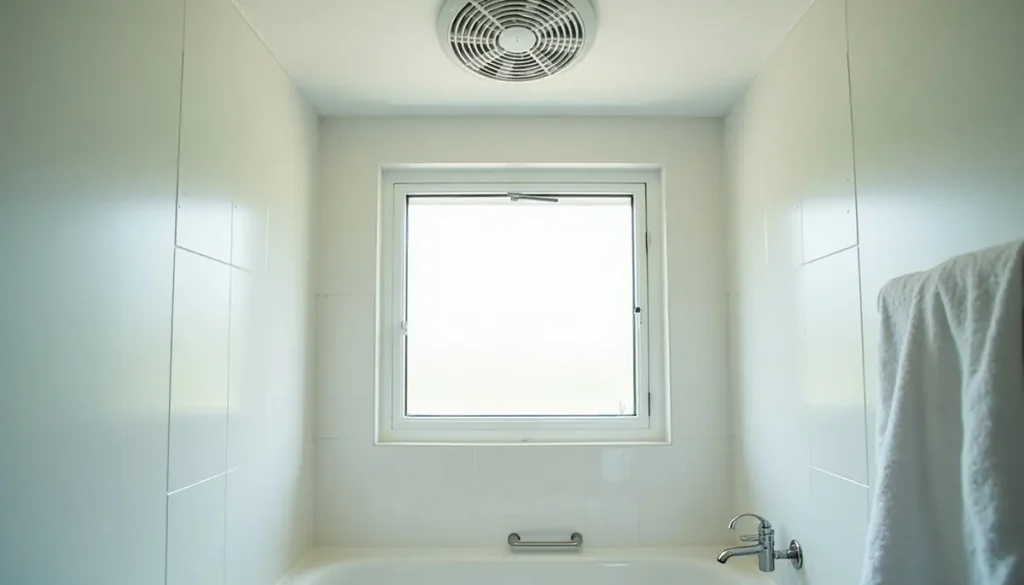
Bees in a bathroom usually mean a colony in the wall or ceiling void is leaking into the room through the exhaust fan housing, a light fixture or a gap around a pipe, drawn by the room light. One bee once is a stray that flew in. Several a day, or dead bees under the window each morning, points to a nest. Check first whether they are honey bees or yellowjackets, because that decides who you call. Do not spray into the fan or seal the gap yet.
What you see, what it usually means
| What you see | Likely source | Next step |
|---|---|---|
| One live bee, once, window open recently | A forager that flew in | Open the window, turn the light off, let it leave |
| Dead or dying bees on the windowsill every morning | Colony in the wall or ceiling; bees follow room light at night | Identify the insect; call a beekeeper or removal specialist |
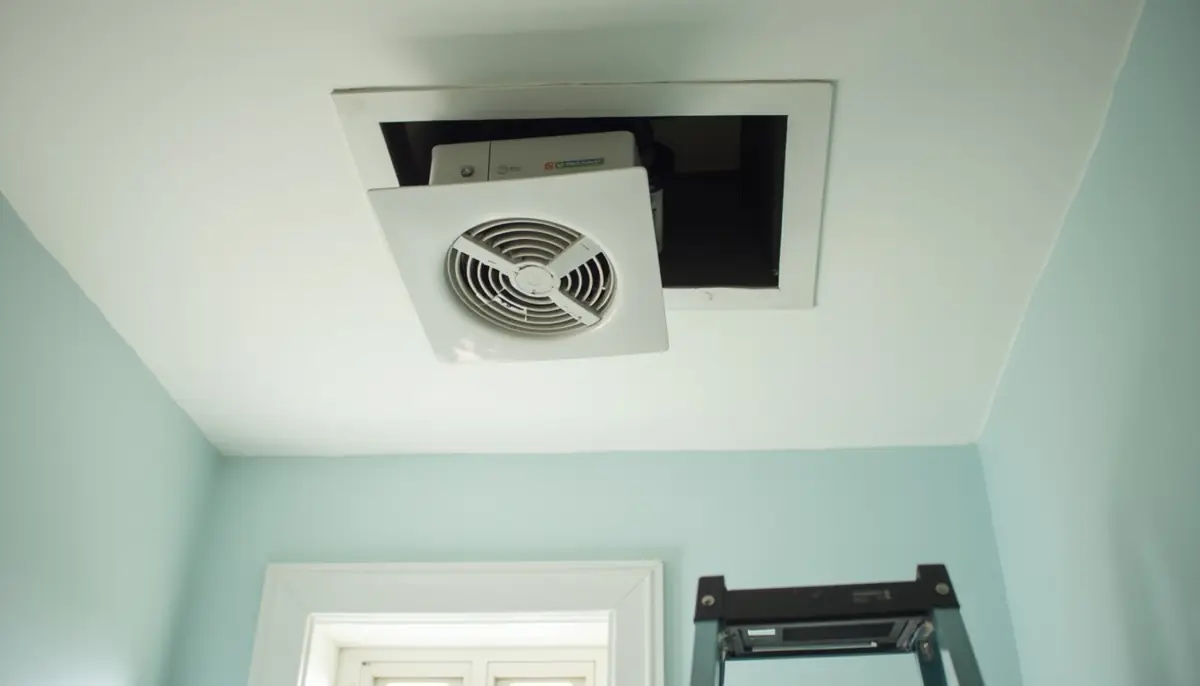
| Bees crawling out of the fan grille or light fixture | Nest in the ceiling void or the fan duct | Leave the fan off; do not spray into the housing |
| A spreading damp patch on the ceiling or wall | Honey bees softening drywall, or yellowjackets enlarging a cavity | Treat as an established nest; professional removal |
| Steady traffic at an outside vent hood or siding gap | Nest entrance outside the bathroom wall | Watch from a distance to identify; do not plug |
| Large shiny black bee, spring, near bare wood trim | Carpenter bee, not a colony | Usually a single bee; check outside woodwork |
| Bees in late winter on a mild day | Honey bees on cleansing flights from a nearby nest | Look for a wall or roof entrance outside |
Compiled by The Pest Control Brief from University of California IPM, Iowa State, Mississippi State, University of Kentucky and Washington State University sources.
Is it a bee at all?
Many bathroom “bees” are wasps. Iowa State Extension reports that about 90 per cent of the inquiries it receives about bees in the ground or in a house wall turn out to be yellowjacket wasps, and notes that honey bees are fuzzy and golden brown while yellowjackets are shiny yellow with black markings. The difference matters: Iowa State says yellowjacket colonies are annual and disappear in winter, while honey bee nests can last for years and hold honey inside the wall. Our guide on how to tell a wasp from a bee in seconds gives the four checks, starting with hair and waist.
Why the bees end up in the bathroom, and dead by the window
UC IPM describes exactly what bathroom owners see. Bees inside a wall search between the studs for a way out, and some find their way into the living quarters, especially by following beams of nighttime room lighting. Bees do not fly in the dark, so they fly to the windows the next morning and stay there most of the day while they die of dehydration. A bathroom light left on, or a fan housing and recessed fixture that leaks light into the ceiling void, is the beacon.
UC IPM adds that the dead and dying bees can be vacuumed up safely, with the warning that some may still be alive in the bag for a couple of days. Daily counts are the useful diagnostic: write down how many you find each morning for a week. A rising tally, especially in warm weather, fits a growing colony rather than strays.
Where the ceiling meets the colony
Bathroom ceilings sit under attic space and soffits, the kind of cavity honey bees choose. UC IPM says they nest in cavities of at least 4 gallons, prefer about 9 gallons, and prefer dark spaces with an entrance at least 9 feet off the ground. Mississippi State says they will use openings as small as a quarter of an inch, often around utility and plumbing conduits, and lists sewer and heater vents as possible entry points. The fan duct, the vent stack and the gaps where pipes pass through the ceiling are all in that size range.
A damp spot is a strong clue. UC IPM notes that established colonies sometimes use water to soften drywall and remove it to expand the nest, so residents see an enlarging damp area, and in a few cases bees open a hole through the drywall into the house. UC IPM describes the same wet-patch behaviour for yellowjackets enlarging a wall cavity. In a bathroom, rule out a plumbing leak or condensation, but do not assume.
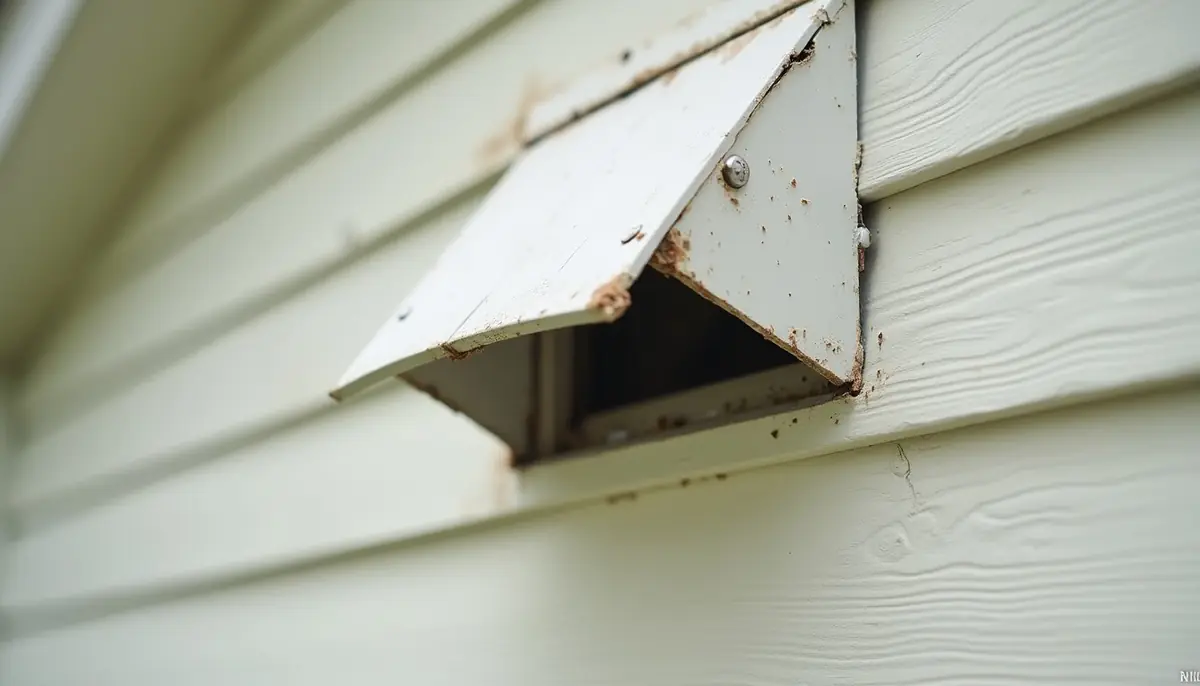
The checks, in order
- Watch outside first. On a warm afternoon, look at the bathroom’s exterior wall, the fan’s vent hood and the roof edge above it for bees flying straight in and out of one spot. The Tennessee Department of Agriculture advises not standing in front of an entrance, because you block the bees’ flight path.
- Look at the vent hood. A missing or broken flap, or a hood that has come away from its duct, leaves the duct open to insects.
- Listen at the ceiling. The University of Kentucky says a nest can sometimes be found by tapping the wall and listening for an answering buzz; UC IPM mentions the low hum of bees ventilating a nest.
- Only then look in the attic, and only at the duct connection above the fan, without disturbing insulation or comb.
What not to do: spray the fan or seal the gap
Killing a colony in place creates a second problem. UC IPM explains that dead bees left in a pile rot and smell, unattended brood rots, and honey absorbs moisture, ferments and bursts its cells, then runs down until it seeps through drywall; pesticide-treated honey, wax and bees must then be handled as hazardous waste. Mississippi State describes honey running down walls and pooling on floors once beetles, moths, ants and rodents tunnel into the combs. The Tennessee Department of Agriculture adds that beeswax left in a wall is flammable and a fire hazard. Our page on bees in a wall and what not to seal explains why removal means opening the cavity.
Sealing early backfires too. Iowa State warns in capitals not to plug the entrance hole while honey bees are active, because they will find another exit and may end up inside the house. Kentucky gives the same warning after treatment. For wasps rather than bees, our guide to yellow jackets in a wall covers the same mistake and why the colony can chew inward.
Who to call
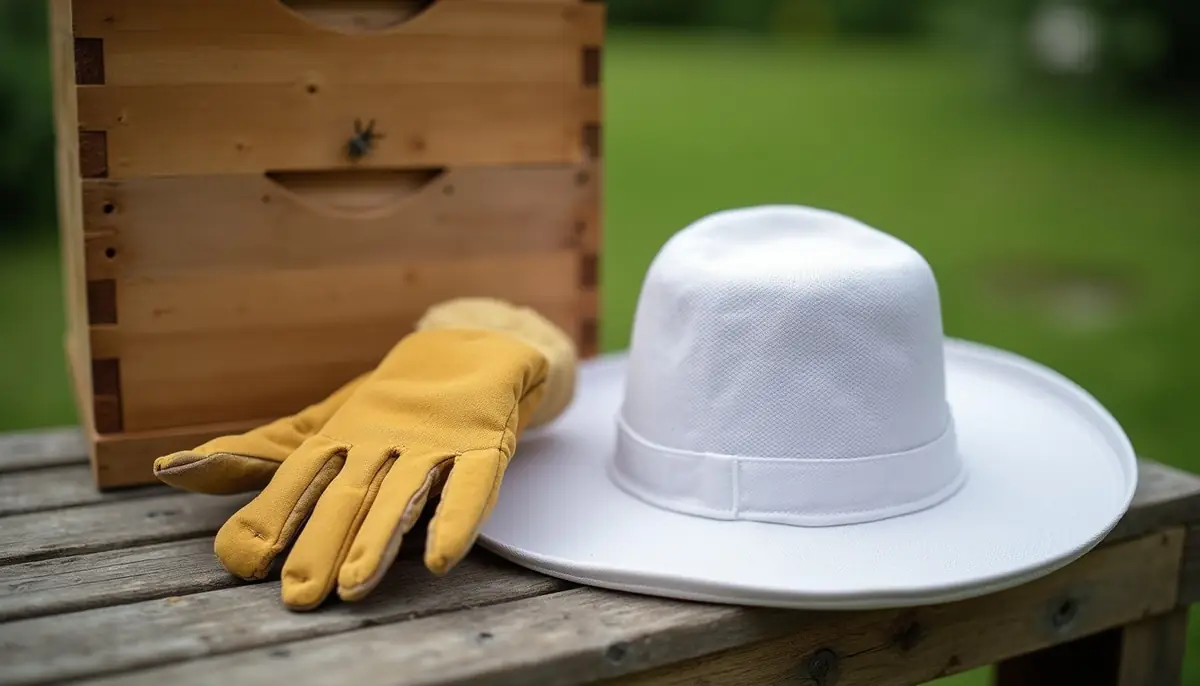
For honey bees, call a beekeeper or bee removal specialist first. Iowa State says an experienced beekeeper may trap out or remove the bees, which can take several weeks and may require opening the wall. UC IPM says to call a pest control company with bee experience if no beekeeper is available, noting that such companies generally kill the bees before removal. Mississippi State points out that no federal or state law protects nuisance honey bees, so a firm that says killing them is illegal is avoiding the job.
Rules on who may do the work vary: Texas and Florida set out who may remove colonies, and our wall page lists them. Published marketplace estimates on our bee removal cost page put a cutout of an established hive inside a structure at $400 to $1,500 and live relocation at $100 to $400.
If the insects are yellowjackets, call a pest professional instead; our yellow jacket removal guide covers why colonies of 1,500 to 15,000 wasps are most defensive in late summer.
Closing the route once the nest is out
Comb odour attracts the next swarm. UC IPM advises that after removal, every hole large enough to insert a pencil that leads to a cavity should be sealed, that larger openings can be covered with screen of six or more meshes per inch, and that bees will chew out through caulk but not in through it. Mississippi State recommends checking that vent screens on soffits have mesh smaller than a quarter inch, suggests number 8 hardware cloth with eighth-inch mesh, and advises a walk around the house at least weekly in April and May, the peak swarm season. A bathroom fan hood should have a flap that closes when the fan is off; replace a broken one.
Honey bee records stay near their yearly average from February to August, then rise in September and October, while yellowjackets sit at under 40 per cent of their usual share from January to March and peak in October at 251. Bathroom bees in late winter or early spring are therefore more likely honey bees than yellowjackets, though the chart reflects outdoor sightings, not indoor finds.
Other bees that turn up indoors
- A big, shiny black bee hovering near trim in spring is usually a carpenter bee. The University of Kentucky says males hover in front of people near nesting sites but lack the ability to sting; our carpenter bee vs bumble bee guide uses the shiny abdomen test.
- Tiny metallic bees that settle on your arm are likely sweat bees that land on skin.
- If the bathroom backs onto a chimney breast, read our guide to getting bees out of a chimney without harm.
- For drain flies, springtails and other small insects, our bathroom bug identification guide matches each to the room’s moisture.
Do bees go to the bathroom?
Yes, and usually outside. Washington State University’s bee programme explains that when daytime temperatures rise above 55 degrees in winter, bees take a cleansing flight to eliminate wastes. Bees appearing in a house on a mild winter day can be bees from a wall colony making exactly that flight.
Frequently asked questions
Why do I keep getting bees in my bathroom?
Repeated bees, especially dead ones under the window in the morning, usually mean a colony in the wall or ceiling. UC IPM says bees trapped in a wall follow nighttime room lighting into the house, then fly to windows the next day and die of dehydration. The fan housing, light fixture and pipe gaps are the usual routes in.
Do bees leave you alone if you stay still?
Usually. UC IPM advises not to swat or run if a wasp lands on you, but to wait for it to leave or brush it gently away, and says honey bees are unlikely to sting unless trapped or stepped on. The University of Kentucky notes most stings happen when foragers are slapped or trapped against skin.
What helps bees stay away?
Remove what draws them and close the cavities. The University of Kentucky advises cleaning up spilled sugar and syrup and using lids on bins. UC IPM recommends sealing holes large enough for a pencil and screening larger ones with six or more meshes per inch. Mississippi State suggests a weekly check of the house in April and May.
What does it mean if a bee hovers around you?
A large black bee hovering in front of you near wood in spring is often a male carpenter bee guarding a nesting area; the University of Kentucky says males lack the ability to sting. Near a wall or vent, bees circling you may be guarding an entrance, so step out of their flight path.
Sources
- University of California Statewide IPM Program, Pest Notes: Removing Honey Bee Swarms and Established Hives, Publication 74159.
- University of California Statewide IPM Program, Pest Notes: Yellowjackets and Other Social Wasps, Publication 7450.
- Iowa State University Extension, Yard and Garden: Honey Bee, Nuisance: Nests and Swarms.
- Mississippi State University Extension, Prevention and Treatment of Nuisance Honey Bees Around Your Home.
- University of Kentucky Entomology, ENTFACT-606: Controlling Nuisance Honey Bees, and ENTFACT-611: Carpenter Bees.
- Tennessee Department of Agriculture, Apiary Section, Bees Inside a Wall.
- Washington State University News, Researchers feed, breed, protect bees to survive winter, 28 November 2016.
- The Pest Control Brief analysis of iNaturalist research-grade records, pulled October 2026.