Lawn Pests: Who Is Actually Licensed to Treat Them
The company that treats your kitchen for ants is usually not certified to treat your lawn for grubs, because turf sits in a different pesticide applicator category from structural pest control. Federal rules put ornamental and turf work in category (c) and structural work in category (g), and the word turf does not appear in the structural category at all. The published covered-pest lists of the largest national residential plans contain no turf pest either. Extension services also give a number before anyone treats: five to ten white grubs per square foot.
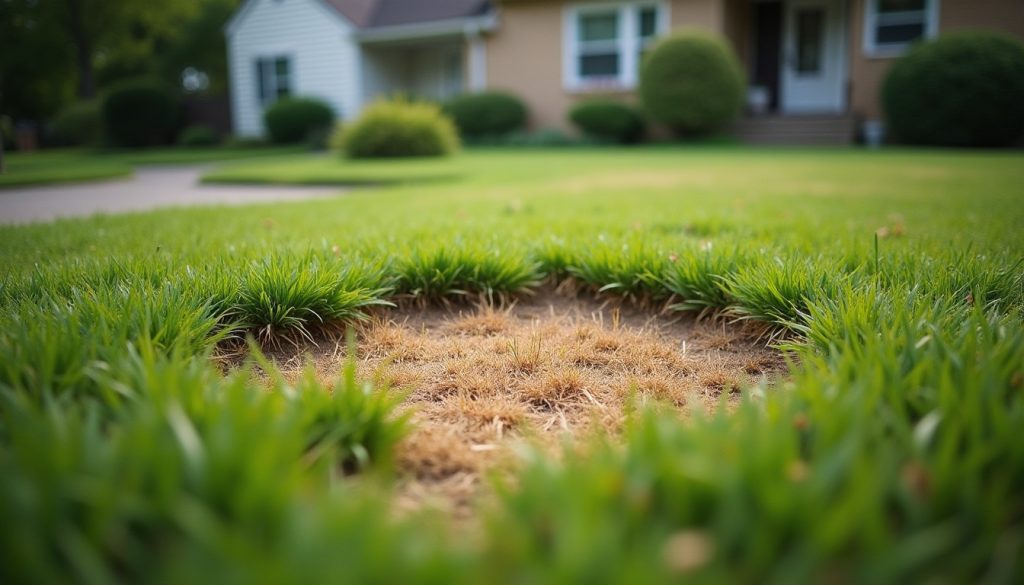
This is one of the most common misunderstandings in residential pest control. People buy a quarterly service, watch a brown patch spread across the front lawn, and assume it is covered. Here is where the boundary actually falls, and how to work out whether the lawn needs treatment at all.
Two categories, one fence between them
Pesticide applicator certification is organised by category under 40 CFR 171.101. Two of them matter here.
| Category | Covers |
|---|---|
| (c) Ornamental and turf pest control | Controlling pests in the maintenance and production of ornamental plants and turf |
| (g) Industrial, institutional and structural pest control | Food handling establishments, human dwellings, institutions such as schools and hospitals, warehouses, grain elevators and other structures and adjacent areas |
The word turf appears in (c). It does not appear in (g). An applicator is required to be certified in each category they work in, so a technician certified only for structural work is not certified to treat a lawn.
States build on this differently but keep the split. North Carolina runs structural pest control under a separate statute from its general pesticide law, with home lawns falling under the Ornamental and Turf category. Florida writes it into statute, defining lawn and ornamental pest control separately from general household pest control, which covers structures. Texas issues Pest Control and Lawn and Ornamental as separate licences with separate exams. For the state-by-state picture, see our licence category tracker.
Plenty of firms hold both, which is why so many are branded as pest and lawn. The point is that it is two services, and worth confirming rather than assuming.
Get a count before anyone treats
Extension thresholds exist because turf tolerates a surprising number of insects. Healthy turf can carry ten Japanese beetle grubs per square foot without showing it, and well-managed St Augustinegrass tolerates masked chafer grubs at twenty. Below the threshold, treatment buys nothing.
The counts are also species-specific in a way that matters: four to five May and June beetle grubs per square foot is a problem, while forty black turfgrass ataenius grubs is the trigger. That is a tenfold difference in the same lawn.
The two tests that settle it
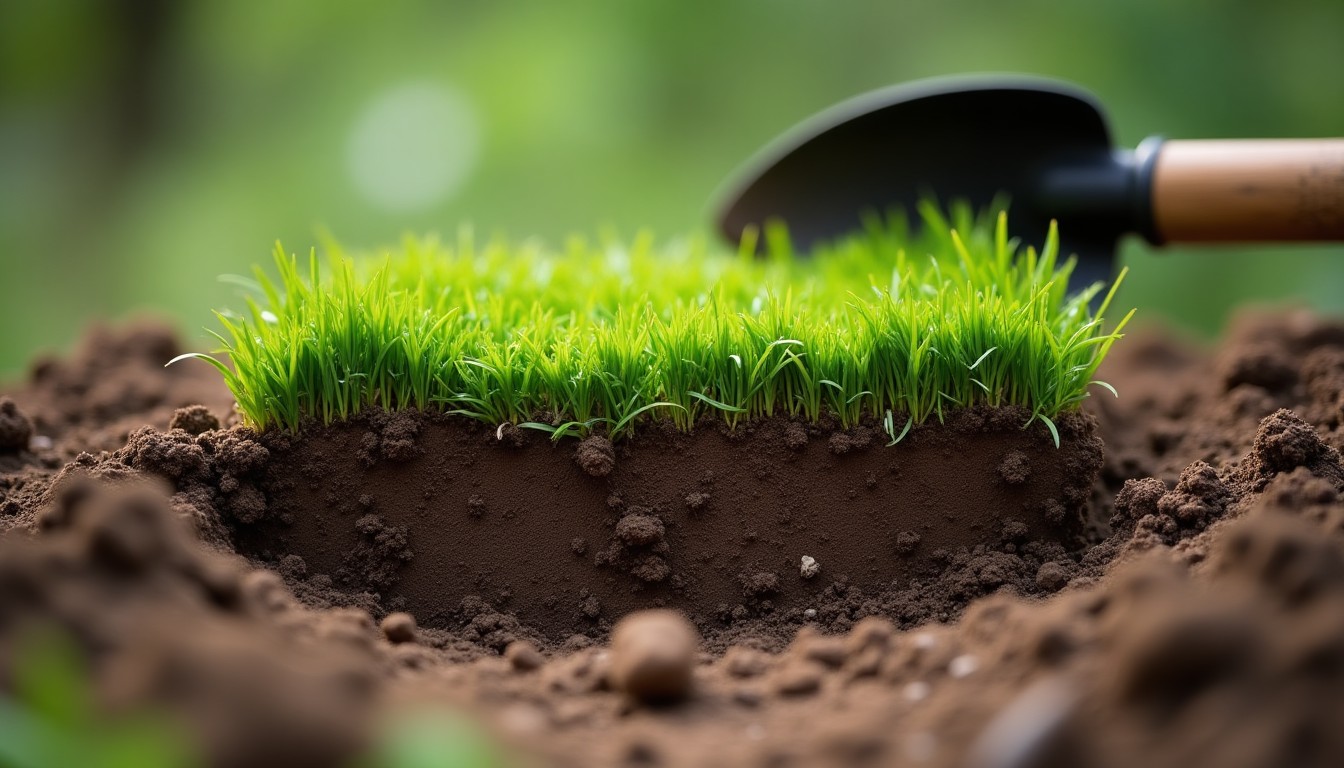
- Cut a square of turf for grubs. Cut three sides of a one-foot square and fold it back, then inspect the root zone and the top one to three inches of soil. Count what you find, repeat in several places and average. Lay the turf back, firm it down and water it.
- Soap flush for surface feeders. Mix dish detergent into water and pour it over a measured area, then watch for a few minutes as chinch bugs, sod webworms, cutworms and armyworms come up. Recipes vary by source, from about one tablespoon to three or four tablespoons per gallon over a square yard. One practical note from Purdue: do not use Palmolive, which may burn the turf.
- Coffee can flotation for chinch bugs. Push a bottomless can at least four inches across into the turf at the edge of the damage, fill it with water for ten minutes and count what floats. Texas A&M puts damaging numbers at more than two bugs per sample in a four-inch can, or more than four to five in a six-inch can.
Timing, and why it rarely matches a service schedule
Grub damage shows in spring and again in late summer and autumn, while the grubs themselves feed near the surface from August into early September, which is the effective curative window. Chinch bugs peak in early July in the south east and run overlapping generations through the warm months. Sod webworms do their worst in July and August. Mole crickets cause the most damage from late August into October, but the treatment window is June and July.
In other words, the moment the lawn looks worst is often after the moment when treatment would have worked.
Reading the damage before blaming an insect
| What you see | Points to | How to be sure |
|---|---|---|
| Spongy turf that rolls back like carpet, birds or skunks digging | White grubs | Roots are severed. Drought-stressed grass stays rooted |
| Yellowing then browning in hot open areas, worst in full sun | Chinch bugs | Coffee can test. NC State warns frost and drought damage get misdiagnosed as chinch bugs |
| Brown patches up to baseball size with pencil-sized holes where birds dug | Sod webworms | Patches are not bordered by rich green grass and do not yellow before browning |
| Straw-coloured spotty patches, stems break at the crown when tugged | Billbugs | Frass is white with the texture of fine sawdust, which nothing else produces |
| Circular patches with a defined edge | Often brown patch disease rather than an insect | Texas A&M names this as the classic chinch bug misdiagnosis |
Two traps worth knowing. Irrigation masks grub root damage, so a watered lawn can look fine while the roots are gone. And drought masks billbug damage, so the same weather hides two different problems.
One counter-intuitive cultural control: Penn State advises keeping lawns dry in July and August to reduce grub egg survival, which is the opposite of what a summer watering upsell implies.
What to ask before buying lawn treatment
- Which category are you certified in? Turf and ornamental work is its own certification, and the answer should be immediate.
- What count did you get, and where? A threshold-based recommendation names a species and a number per square foot.
- Which species? Thresholds differ by a factor of ten between grub species, so the name matters.
- Why now? The curative window for grubs is late summer, not whenever the damage is noticed.
For the underlying logic of treating on evidence rather than on schedule, see integrated pest management. The same boundary applies outdoors to edible crops, where it becomes a legal question rather than a licensing one, in why a pest control company will not spray your tomatoes. And the fire ants that do turn up in lawns are a separate regulated matter, covered in the fire ant quarantine.
Frequently asked questions
Does pest control include the lawn?
Usually not. Turf work sits in a different pesticide applicator category from structural pest control: ornamental and turf is category (c) under federal rules, while structural is category (g), and turf is not named in the structural category. The published covered-pest lists of the largest national residential plans contain no turf pests.
What is the difference between lawn care and pest control?
Different certification categories and often different companies. Applicators must be certified in each category they work in. Many firms hold both and brand themselves as pest and lawn, but it remains two services, so it is worth asking rather than assuming.
How many grubs per square foot is too many?
Penn State gives five to ten per square foot as the usual curative threshold, depending on species. Clemson resolves it further: four to five for May and June beetles, six to eight for Japanese beetles with healthy turf tolerating ten, and eight to twenty for southern masked chafer depending on how stressed the turf is.
How do I know if I have grubs or just a dry lawn?
Pull at the turf. Grub feeding severs the roots, so affected turf lifts away like carpet, and the ground often feels spongy. Drought-stressed grass stays anchored. Cutting a one-foot square and counting grubs in the top few inches of soil settles it.
How do you test for chinch bugs?
Push a bottomless can at least four inches wide into the turf at the edge of the damaged area, fill it with water for ten minutes, and count the bugs that float up. Texas A&M treats more than two per sample in a four-inch can, or more than four to five in a six-inch can, as damaging numbers.
When should a lawn be treated for grubs?
The effective curative window is when grubs are feeding near the surface, from August into early September. Damage is most visible in spring and again in autumn, which is usually after the point at which treatment would have helped.
What does a soap flush do?
It drives surface-feeding insects up where they can be counted: chinch bugs, sod webworms, cutworms and armyworms. Mix dish detergent into water and pour it over a measured area, then watch for several minutes. Purdue advises against using Palmolive, which may burn turf.
Do lawn pest control companies need a licence?
Yes, and specifically a certification covering ornamental and turf work. Applicators are required to be certified in every category they operate in, so a structural certification alone does not cover lawn treatment.
Sources
- Electronic Code of Federal Regulations, 40 CFR 171.101, Certification categories. ecfr.gov
- Penn State Extension, White Grubs in Home Lawns. extension.psu.edu
- Penn State Extension, Sod Webworms in Home Lawns, and Billbugs in Home Lawns. extension.psu.edu
- Clemson Cooperative Extension, White Grub Management in Turfgrass, and Mole Cricket Management in Turfgrass. hgic.clemson.edu
- NC State Extension, Chinch Bugs in Turf. content.ces.ncsu.edu
- Texas A&M AgriLife Extension, Chinch Bug Management in Lawns, ENTO-PU-044. tamu.edu
- UC Statewide IPM Program, Pest Notes 7476, Lawn Insects. ipm.ucanr.edu
- Purdue Extension, E-61, Turfgrass Insect Management. purdue.edu