Scabies vs Bed Bugs: How to Tell the Bites Apart
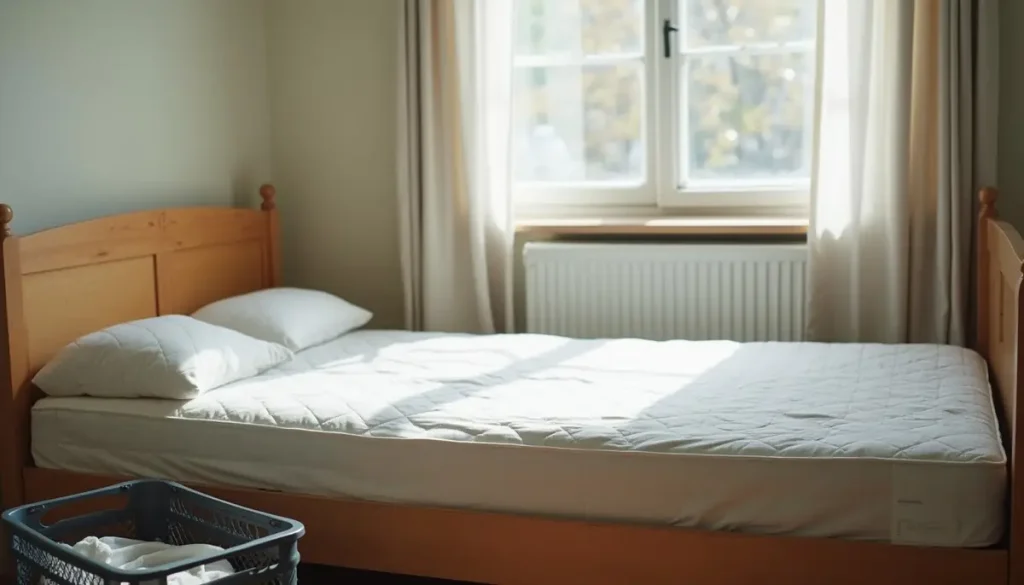
Scabies is a mite living inside your skin; bed bugs are insects living in your bed that visit your skin only to feed. Scabies itches most at night, favours finger webs, wrists and the waist, and spreads by prolonged skin contact. Bed bug bites show up on skin exposed during sleep, and the bugs, their shed skins and dark spots can be found in mattress seams. Only a healthcare professional can diagnose scabies, so treat this page as a guide to what to check, not a diagnosis.
The practical difference is where the problem lives. CDC says scabies mites generally do not survive more than two to three days away from human skin, so scabies is treated on people. Bed bugs survive for months off a host, so they are treated in the home. Getting this backwards costs weeks.
Scabies vs bed bugs, feature by feature
Compiled by The Pest Control Brief from CDC, EPA, UC IPM, University of Kentucky and Mississippi State Extension sources.
| Feature | Scabies | Bed bugs | Source |
|---|---|---|---|
| Cause | Human itch mite, Sarcoptes scabiei | Blood-feeding insect, Cimex lectularius | CDC |
| Size | Female 0.30 to 0.45 mm, not visible to the naked eye | Adults 5 to 7 mm, about an apple seed | CDC DPDx; EPA |
| Where it lives | In burrows in the top layer of skin | In and near the bed; about 85 per cent are found there | CDC DPDx; UC IPM 7454 |
| Where on the body | Finger webs, wrists, elbows, knees, armpits, waist, buttocks, genitals, nipples, shoulder blades | Face, neck, arms, hands or any skin exposed while sleeping | CDC |
| Burrows | Thin, raised, wavy lines, a centimetre or more long | None | CDC DPDx |
| How it spreads | Prolonged skin-to-skin contact; less often shared bedding or towels | Carried in luggage, furniture and belongings | CDC; University of Kentucky |
| Time to first symptoms | 4 to 8 weeks for a first infestation; 1 to 4 days on reinfestation | Marks a day or more after feeding, up to 14 days in some people | CDC; CDC DPDx |
| Itch pattern | Intense, worst at night | Varies; some people show no marks at all | CDC |
| Who else itches | Often partners, children and close contacts | Often only one of two people sharing a bed | CDC |
| What you find in the bed | Nothing visible | Bugs, shed skins, dark dot-sized spots, rusty stains | EPA; CDC |
| Survival away from people | 2 to 3 days | Typically 1 to 4 months in heated buildings | CDC; University of Kentucky ENT-636 |
| Treated by | A clinician’s prescription, for you and close contacts | Treatment of the home, usually by a licensed professional | CDC; University of Kentucky |
How do I know if I have scabies or bed bugs?
Run three checks, in this order. The first two are things you can do tonight; the third needs a clinician.
1. Look at where the itch is
Scabies clusters in skin folds and between the fingers, places a bed bug rarely reaches through bedclothes. CDC lists finger webs, the folds of the wrists, elbows and knees, armpits, waist, buttocks, nipples and genitals. In infants and young children, CDC adds the head, face, neck, palms and soles. Bed bug marks sit on whatever was uncovered while you slept, most often the face, neck, arms and hands. A rash between the fingers is a scabies pattern; a line of welts on a forearm is not.
2. Look in the bed, not at the skin
The EPA states that bites on the skin are a poor indicator of a bed bug infestation, and our guide to what bite marks can and cannot tell you explains why.
The bed is better evidence. The EPA lists dark spots about the size of a printed full stop that bleed into fabric like a marker, rusty stains from crushed bugs, eggshells, shed skins and live bugs. Check mattress seams, box spring corners and the headboard with a torch, and compare what you find with what bed bug stains look like against other spots.
UC IPM says about 85 per cent of bed bugs are found in or near the bed, so a careful search there settles most cases. For anything that moves, check it against every bed bug stage at true size; first-stage nymphs are 1.5 mm and pale, according to the EPA.
Scabies leaves no evidence in bedding that you can see. A typical case involves only 10 to 15 mites, according to CDC, and they live in the skin. So a clean mattress after a thorough search points away from bed bugs, while a mattress seam full of dark spots points away from scabies as the only cause.
3. Ask who else is itching
Scabies spreads through prolonged skin contact, so partners, children and anyone sharing a bed often itch too, though first-time cases can take weeks to show. Bed bugs bite everyone in a bed, but reactions vary: CDC notes that some people show no physical signs at all, so one partner covered in marks and the other clear is a common bed bug pattern. If nobody can find bugs and the itch is in finger webs and wrists, book a doctor or dermatologist. CDC says diagnosis is usually confirmed by finding mites, eggs or mite faeces in a skin scraping under a microscope, and a negative scraping does not rule scabies out.
Why the timing misleads people
Timing is the reason so many people blame the wrong thing. CDC says a first scabies infestation typically takes 4 to 8 weeks to produce symptoms, and CDC’s parasitology page puts it at up to two months, during which the person can already pass it on. Someone who stayed in a hotel two weeks ago and starts itching tonight will suspect the hotel bed, when the exposure may have been close contact a month earlier. Some older guides give 2 to 6 weeks; CDC’s current pages give the longer figure.
Bed bug reactions run the other way: CDC says marks often appear a day or more after feeding, and up to 14 days later in some people. A repeat scabies infestation is fast, with symptoms within 1 to 4 days, because the immune system is already primed.

The third look-alike: bird mites
When neither checks out, consider mites from a bird nest. Mississippi State Extension describes the adult northern fowl mite as about 1/26 inch long, visible as a dark moving speck, and says a well-fed mite may survive two to three weeks off its host. They bite people after nesting birds leave a roof or eave, but they do not burrow. If the itch began within days of birds leaving a nest on the house, read why bird mites bite once the birds have gone before treating anything else.
- Ankle bites with a pet in the house suggest fleas, which bite people but do not stay on them.
- Itchy welts at sock lines and the waistband after time in long grass in summer suggest chiggers and where they bite.
- A beetle or bug found in bed that is not a bed bug is common; bugs that look like bed bugs covers the usual suspects.
Which is harder to get rid of scabies or bed bugs?
Bed bugs, in most homes. Scabies treatment is a prescription for the patient and close contacts, plus laundry. CDC advises washing bedding, clothes and towels used in the previous three days in hot water and drying them on a hot cycle, since temperatures above 50°C (122°F) for 10 minutes kill mites and eggs, and sealing items that cannot be washed in a plastic bag for at least 72 hours. CDC advises against insecticide sprays and fumigants for scabies, and University of Kentucky’s ENTFACT-649 says no premises treatment is needed because the mites cannot survive off a person. The difficulty is human: CDC notes that itching can continue for several weeks after the mites are dead, which people often mistake for treatment failure.
Bed bugs live in the building, hide in cracks, and survive months without feeding, so University of Kentucky calls them challenging to eradicate and says it is prudent to enlist a professional when resources allow. Our full plan for getting rid of bed bugs sets out what a treatment involves.
Kentucky also notes that a bed bug feeds for three to 10 minutes and then crawls back to its hiding place, so treatment must reach those cracks, and progress is judged over several weeks; what to expect week by week after treatment covers the follow-up. Neither condition is improved by bug bombs or by spraying furniture for scabies.
Can you have scabies and bed bugs at the same time?
Yes. They have unrelated causes, so a household can have both, and treating one does nothing for the other. Signs of each, a rash in the finger webs plus spots in the mattress seams, mean two jobs: a doctor for the skin and an inspection for the home. Bed bugs also do not live on people or in hair, as our page on whether bed bugs can live in your hair explains, which is one more way the two differ.
Frequently asked questions
Can you see scabies on your bed?
No. CDC gives the adult female scabies mite as 0.30 to 0.45 mm, too small to see without magnification, and the mites live in burrows in the skin. They also die within two to three days away from skin. If you can see small brown insects or dark spots on the mattress, those are signs of bed bugs or another insect, not scabies.
What kills scabies immediately?
Nothing works instantly on skin. CDC says over-the-counter products have not been tested and approved to treat scabies and that a prescription scabicide from a healthcare provider is needed. In laundry, CDC says 50°C (122°F) for 10 minutes kills mites and eggs. Itching can last weeks after treatment, which does not by itself mean the treatment failed.
Is scabies or bed bugs worse?
For the household, bed bugs usually cost more time and money, because the home must be treated and the bugs survive months unfed. CDC says bed bugs are not known to spread disease. Scabies is a medical condition that needs prescription treatment for you and close contacts, and the crusted form can involve up to two million mites and spreads easily.
Will bed bug spray kill scabies on furniture?
Spraying furniture is not how scabies is managed. CDC advises against insecticide sprays and fumigants for scabies, and University of Kentucky says no premises treatment is needed because the mites cannot survive off a person. Washing items used in the previous three days, or bagging them for at least 72 hours, covers the environment.
Can scabies and bed bugs survive without human contact?
Scabies mites generally survive only two to three days away from human skin, according to CDC. Bed bugs last far longer: University of Kentucky gives one to four months without feeding as typical in heated buildings, and longer in cool conditions. That gap is why scabies is treated on the person and bed bugs in the home.
Sources
- Centers for Disease Control and Prevention, About Scabies; Scabies Treatment; Clinical Overview of Scabies.
- Centers for Disease Control and Prevention, DPDx Laboratory Identification of Parasites: Scabies.
- Centers for Disease Control and Prevention, About Bed Bugs.
- US Environmental Protection Agency, How to Find Bed Bugs; Bed Bugs: Appearance and Life Cycle.
- University of California Statewide IPM Program, Pest Notes: Bed Bugs, Publication 7454.
- University of Kentucky Entomology, ENTFACT-636 Bed Bugs and ENTFACT-649 Mystery Bites: Insect and Non-Insect Causes.
- Mississippi State University Extension, Northern Fowl Mite Management.
- University of Florida IFAS, Featured Creatures EENY611, Chicken Mite, Dermanyssus gallinae.