How to Pest-Proof Your Home: The Exclusion Guide
Exclusion is the only pest measure that keeps working after you stop paying. The gap sizes that matter and the work in priority order.
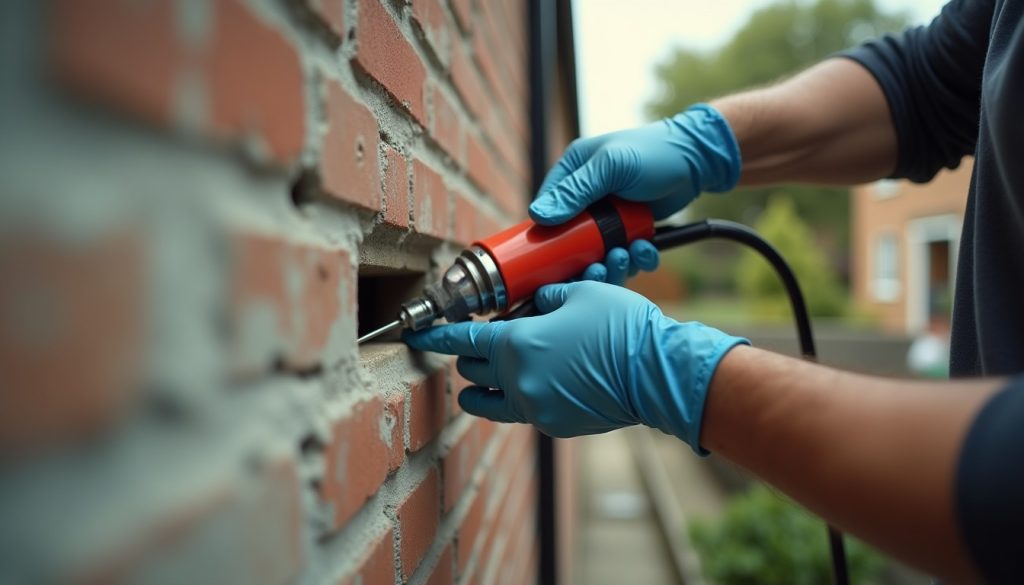
Exclusion, sealing the physical routes pests use to get in, is the only pest control measure that keeps working after you stop paying for it. House mice need a gap of about a quarter inch, rats half an inch, overwintering insects an eighth of an inch, and scorpions roughly the thickness of a credit card. Seal to the smallest pest you have and you have sealed against all of them.
Almost every pest we cover has the same durable answer buried in it. This page collects it in one place, in the order the work should be done, with the gap tolerances that decide whether it succeeds.
What size gap matters
| Pest | Gets through | Where they usually enter |
|---|---|---|
| House mouse | About 1/4 inch | Utility penetrations, garage door seals, foundation gaps |
| Rat | About 1/2 inch | Crawlspace vents, roof junctions, damaged screens |
| Overwintering insects | About 1/8 inch | Siding gaps, window frames, soffit and fascia junctions |
| Scorpions | Roughly a credit card thickness | Under exterior doors, weep holes, stucco cracks |
| Bats | Smaller than the animal suggests | Roofline, ridge, chimney flashing |
The practical rule is that sealing to the eighth-inch standard covers essentially everything on this list. Sealing only to mouse tolerance leaves insects an open route.
The work, in priority order
- Exterior doors. Fit or replace door sweeps and check the sides. This is the single highest-yield item and the most commonly perished.
- Garage door seals, bottom and sides. Garages are the most frequent entry point into a house.
- Utility penetrations. Pipes, conduit, cable, dryer vents and air conditioning lines. Seal the annular gap, not just the visible face.
- Foundation line. Cracks, expansion joints and the sill plate junction.
- Weep holes in block and brick, screened rather than filled so drainage still works.
- Crawlspace and attic vents. Replace torn screening with metal mesh rather than plastic.
- Roofline. Where soffit meets fascia, ridge and chimney flashing. This is where squirrels, bats and cluster flies enter, and it is the part homeowners skip.
- Windows. Repair screens and replace failed weather stripping.
Timing decides whether it works
Exclusion is one of the few pest measures where the calendar month changes the outcome rather than the price.
- Late summer is the critical window. Overwintering pests enter in late summer and early autumn, and once they are in a wall void there is no effective treatment. Covered in our guide to stink bugs and fall invaders.
- Autumn, before the first cold snap, for rodents moving indoors.
- Never seal an active entry point while animals or insects are still moving through it. Blocked wasps chew into living space, and sealing bats or wildlife inside traps them to die, which is generally unlawful.
- Bats are legally constrained. Exclusion is prohibited during maternity season, typically May to mid-August, covered in our guide to bat removal.
The sequence is always the same: remove what is inside first, then seal. Our seasonal pest calendar sets out the wider year.
What it costs against treating forever
Exclusion is a one-off cost measured against a recurring one, and the comparison is consistently favourable in high-pressure situations.
| Pest | Recurring treatment | One-off exclusion |
|---|---|---|
| Rodents | $200 to $500 per trapping visit, several times a year | $1,000 to $3,000 |
| Scorpions | $40 to $75 per month | $300 to $2,500 home sealing |
| Wildlife | Repeat removal as animals return | $225 to $400 per exclusion door |
| General pests | $40 to $150 per quarterly visit | Sealing plus perimeter treatment |
Detail sits in our guides to rodent removal and scorpion control. Exclusion also pays across categories at once: the same sealed envelope blocks rodents, insects and wildlife simultaneously.
What exclusion does not fix
It addresses pests entering from outside. It does nothing about pests already established indoors or carried in, which is most of the expensive ones: bed bugs arrive in luggage and furniture, pantry moths arrive in food packaging, fleas arrive on animals, and termites approach through soil rather than through a gap you can seal.
So exclusion is a complement to treatment, not a replacement. Where it is decisive is rodents, wildlife, overwintering insects, scorpions and perimeter invaders. Where it is close to irrelevant is anything you bring home.
Frequently asked questions
How do I pest-proof my house?
Work in priority order: exterior door sweeps first, then garage door seals, utility penetrations, the foundation line, screened weep holes, crawlspace and attic vents, the roofline where soffit meets fascia, and finally windows. Seal to an eighth of an inch, which covers insects as well as rodents.
What size gap can pests get through?
House mice need about a quarter inch, rats about half an inch, overwintering insects around an eighth of an inch, and scorpions roughly a credit card’s thickness. Sealing to the eighth-inch standard covers essentially all of them, while sealing only to mouse tolerance leaves insects a route in.
When should I do exclusion work?
Late summer is the critical window, before overwintering pests enter and before rodents move indoors in autumn. Never seal an active entry point while pests are still moving through it, since blocked wasps chew into living space and sealing wildlife inside traps them. Remove first, then seal.
Is exclusion cheaper than ongoing pest control?
For pests entering from outside, usually yes over a few years. Rodent exclusion at $1,000 to $3,000 replaces trapping at $200 to $500 per visit several times a year, and scorpion sealing at $300 to $2,500 replaces monthly service at $40 to $75. It does nothing for pests carried indoors.
Sources
- Gap tolerance and exclusion guidance compiled from pest control industry sources, 2026.
- Contractor-reported price ranges compiled by home services marketplaces, 2026, and cross-referenced with our own per-pest coverage.