Sawflies: Larvae That Look Like Caterpillars and How to Stop Them
A sawfly is a plant-feeding, non-stinging relative of wasps whose larvae look like caterpillars, and those larvae are what strip roses, pines, dogwoods and pear leaves. Count the fleshy legs on the abdomen: sawfly larvae have six or more pairs, true caterpillars five or fewer. That count matters, because Bt, the usual caterpillar spray, does not work on sawflies. Handpicking, a hard spray of water or insecticidal soap usually does.
Sawflies belong to the Hymenoptera, the order of bees, ants and wasps, in a separate, older group called the Symphyta: about 8,000 species worldwide, around 5,500 of them in the family Tenthredinidae, says Wisconsin Horticulture. The larvae, feeding in tight groups, are what gardeners find.
What is a sawfly?
A sawfly is named for the female’s ovipositor, a saw-like blade she uses to cut slits in leaves, needles or stems and lay her eggs inside. Adults are usually half an inch long or shorter (about 12 mm), blackish or brownish with orange, red or yellow markings, and, as UC IPM points out, their abdomen is broadly joined to the thorax. Most other wasps have a narrow waist. Wisconsin extension says adults live only a few days to a week.
What do sawfly larvae look like?
Sawfly larvae look like smooth caterpillars or, in some species, like small green slugs coated in slime. They are usually green, yellowish or grey, often spotted or striped, with a round head that may be black, brown, orange or red. Many feed shoulder to shoulder along a leaf edge. The decisive features are on the body itself.
| Feature | Sawfly larva | Moth or butterfly caterpillar |
|---|---|---|
| True legs behind the head | 3 pairs | 3 pairs |
| Fleshy prolegs on the abdomen | 6 or more pairs | 2 to 5 pairs |
| Tiny hooks (crochets) on prolegs | Absent | Present |
| Simple eyes on each side of head | 1 | Usually 4 to 6, often in a C shape |
| Typical behaviour when disturbed | Colony rears up or flicks in unison; some release an oral fluid | Varies; often drops on silk or curls |
| Does Bt (Bacillus thuringiensis) work? | No | Yes, on young larvae |
| Adult | Thick-waisted, non-stinging wasp relative | Moth or butterfly |
Compiled by The Pest Control Brief from UC IPM, UNH Cooperative Extension Pest Fact Sheet 40 and Wisconsin Horticulture (University of Wisconsin).
To count prolegs, look from the side, as UNH Extension advises: the head, then three segments with true legs, then the abdomen. Six or more abdominal segments with fleshy stubs means a sawfly.
For comparison with a true caterpillar on a vegetable plant, see our guide to the tomato hornworm, which has the five pairs of prolegs typical of moth larvae and responds to Bt.
The sawflies US gardeners usually meet
| Sawfly | Host | Larva | Full-grown length | When larvae feed (northern US) |
|---|---|---|---|---|
| Roseslug (Endelomyia aethiops) | Roses only | Light green, orange or brown head, slimy, slug-like | Up to 1/2 in (13 mm) | Mid-May through June; one generation |
| Bristly roseslug (Cladius difformis) | Roses | Pale green, covered in tiny bristles | About 3/4 in (19 mm) | Two to six generations a year |
| Curled rose sawfly (Allantus cinctus) | Roses | Green with pale bumps, coils while feeding | Up to 3/4 in (19 mm) | Usually two generations |
| Pear sawfly, pear slug (Caliroa cerasi) | Pear, cherry, plum, hawthorn | Shiny olive-green to black, slimy | Up to 1/2 in (13 mm) | From early June; second generation from August |
| European pine sawfly (Neodiprion sertifer) | Mugo, Scots, red, jack pine | Grey-green, striped, black head | About 7/8 in (22 mm) | From mid-May, old needles only |
| Redheaded pine sawfly (Neodiprion lecontei) | Hard pines; southern yellow pines | Yellowish-white with rows of black spots, red head | About 3/4 to 1 in (18 to 25 mm, Florida pine sawflies) | Through the growing season; up to four or five generations in the South |
| Dogwood sawfly (Macremphytus tarsatus) | Dogwoods | White waxy coat when young, later cream or yellow with black spots | About 1 in (25 mm) | Summer; one generation |
| Elm zigzag sawfly (Aproceros leucopoda) | Elms only | Light green with T-shaped dark marks | 10 to 11 mm | Several generations; invasive since 2021 |
| Elm sawfly (Cimbex americana) | Elm, willow, sometimes maple | Pale, pebbly, black stripe down the back | 1 1/2 to 2 in (38 to 51 mm) | Late season; one generation |
Compiled by The Pest Control Brief from Wisconsin Horticulture, UC IPM, UNH Cooperative Extension, NC State Extension, UF/IFAS EENY317, Rutgers Nursery IPM, University of Minnesota Extension, Illinois Extension and Oten et al. 2023.
Where do sawfly larvae come from?
They hatch from eggs the female sawed into the plant. Wisconsin extension describes eggs laid singly or in groups of 30 to 90, inserted in leaves, petioles or stems, which hatch in two to eight weeks. NC State says a redheaded pine sawfly female lays about 120 eggs in a row in the needles of a single twig. Larvae feed and grow through several moults, then drop to the soil to spin a cocoon or attach one to the plant. Most species overwinter as eggs in plant tissue or as mature larvae (prepupae) in the soil or leaf litter, which is why the same shrub is hit year after year.
Some cycles are fast. The invasive elm zigzag sawfly goes from egg to adult in about three to five weeks in the stage durations reported by Oten and colleagues in 2023, which is how it fits several generations into one summer.
Are sawfly bad? What the damage looks like
For most plants, sawflies are a cosmetic pest. UC IPM says healthy trees and shrubs generally tolerate moderate defoliation without significant loss of flowering, fruit or growth, and that rose sawflies can make foliage unsightly but do not threaten otherwise healthy roses. The exceptions are young or already stressed conifers, which repeated defoliation can stunt or kill.
- Windowpane leaves. Roseslugs and pear slugs scrape away one leaf surface and leave a translucent network of veins. Older larvae of some species chew right through.
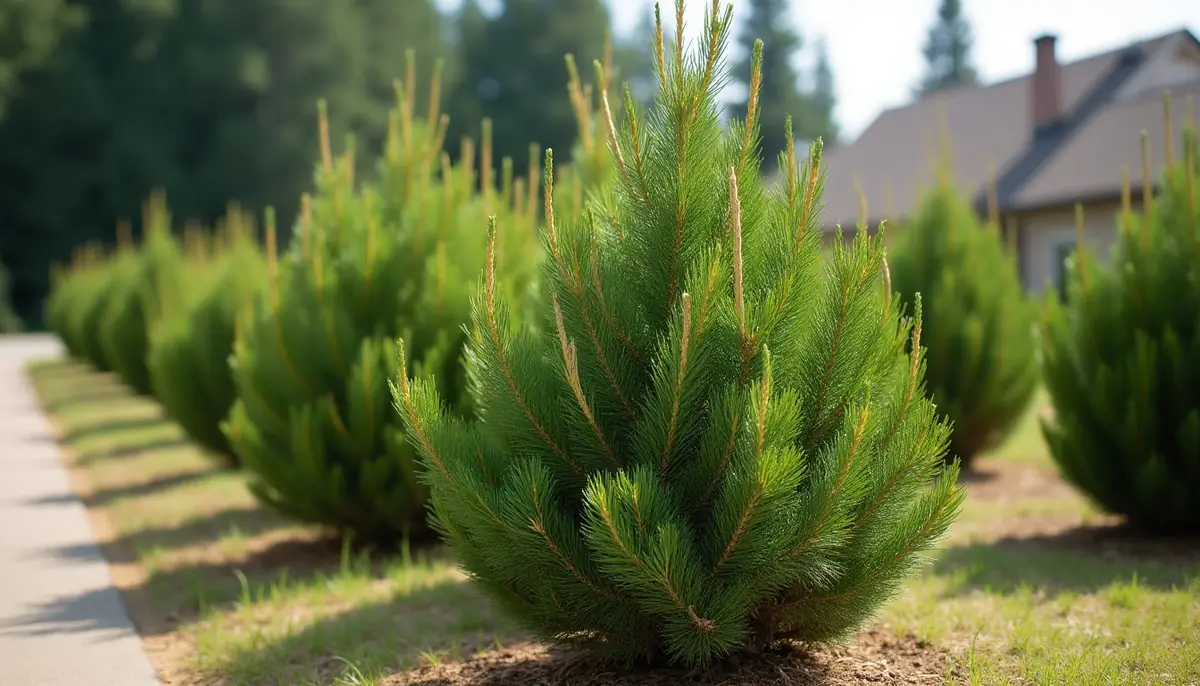
- Straw-coloured needles and bottle-brush branches. UF/IFAS describes young pine sawfly larvae leaving reddish-brown, straw-like needle remains, and older larvae eating needles down to short stubs, so a branch looks like a bottle brush.
- A zigzag line inside an elm leaf. Young elm zigzag sawfly larvae chew a zigzag between small veins from the leaf edge inward, a pattern Entomology Today calls relatively easy to identify.
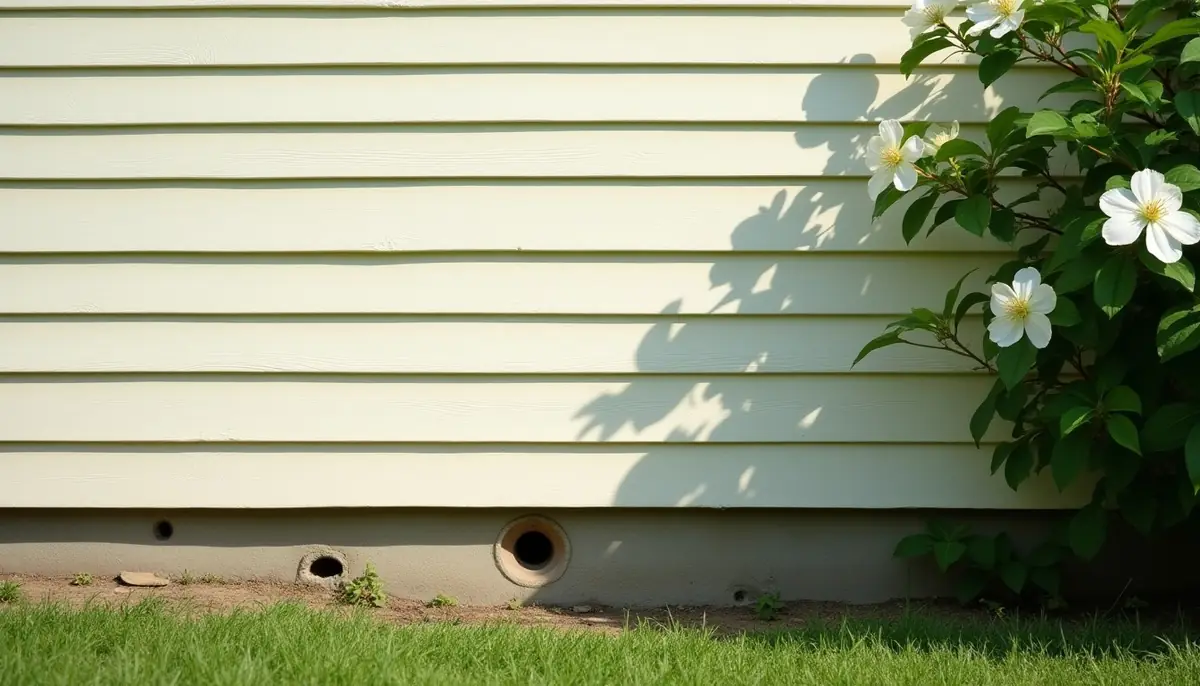
- Holes in siding near dogwoods. Wisconsin extension notes that mature dogwood sawfly larvae look for soft or rotten wood to overwinter in and can bore into fibreboard or siding, which may then draw woodpeckers. If that sounds familiar, our guide to woodpecker damage to houses covers the next step.
When sawflies are about: our data
We looked at when sawflies are photographed and identified across the US on iNaturalist. The index below corrects for how many people are out recording in each month, so a value of 200 means sawflies make up twice their usual share of what people record. These are sightings, not counts of damaged plants.
Common sawflies (Tenthredinidae, 10,429 US records) rise sharply from May and stay high through September. Conifer sawflies (Diprionidae, 3,963 records) are a late-summer insect in the records: their index is 342 in August and 315 in September, compared with 44 in May. That fits Wisconsin extension’s observation that larvae often go unnoticed until the last and largest stage. The practical point: check pines in late spring for European pine sawfly and again in late summer for the others.
How to get rid of sawfly larvae?
Start small: extension services agree that larvae feeding openly on leaves are easy to control.
| Situation | What extension sources advise |
|---|---|
| A few colonies on a rose, mugo pine or small shrub | Pick or shake larvae off and crush them, or clip off the infested shoot |
| Larvae on roses or low shrubs, out of reach of handpicking | A forceful spray of water from a hose knocks them off (University of Georgia) |
| Heavy feeding, young larvae | Insecticidal soap, horticultural oil or neem oil, sprayed to wet the larvae |
| Plant in flower | Avoid spinosad and broad-spectrum products until bloom is over, to protect bees |
| Tall pines or a whole row defoliated | A licensed arborist or tree care professional |
| Bt product already in the shed | Do not use it: Bt kills caterpillars, not sawflies |
Compiled by The Pest Control Brief from UC IPM, NC State Extension, University of Georgia Extension, UNH Cooperative Extension and Wisconsin Horticulture.
- Confirm it is a sawfly. Count the prolegs. On roses, UC IPM warns against confusing roseslugs with syrphid fly larvae, which have no legs and live among aphids, eating them. Roseslugs sit next to scraped leaves.
- Remove by hand. NC State says a few colonies on small ornamental pines can be picked or shaken off and trampled. Wisconsin suggests squashing them or dropping them in boiling water. Gloves are sensible, because many larvae release an oral fluid when disturbed.
- Hose them off. University of Georgia extension recommends a forceful jet of water as a physical control on roses, and says sawflies are best controlled while young.
- Use a low-impact spray if needed. UC IPM lists horticultural oil, insecticidal soap, neem oil and spinosad, all of which work when the larvae are thoroughly wetted. Spinosad is toxic to bees for several hours after it dries, so UC IPM says not to apply it to flowering plants. Our pollinator protection guide explains the label rules. Follow the label on any product and spray only when larvae are actually present.
- Skip broad-spectrum sprays. UC IPM advises avoiding carbaryl, malathion and pyrethroids, which harm bees and the parasitic wasps, birds and diseases that normally collapse sawfly outbreaks.
- Look again in two to four weeks. Bristly roseslugs can have up to six generations a year, and the elm zigzag sawfly can turn over a generation in about a month.
Bt is the most common mistake. UC IPM, UNH and Wisconsin all state that it does not work on sawflies because they are not caterpillars. It does work on moth larvae such as bagworms, which feed on the same evergreens.
For the wider picture on thresholds and when to spray anything in a vegetable or flower garden, see our garden pest control guide.
Do sawfly sting?
No. Wisconsin extension states plainly that adult sawflies look somewhat like wasps but do not sting, and University of Georgia extension describes them as non-stinging. The female’s ovipositor is a saw for cutting plant tissue, not a stinger, and the larvae have no sting either. Many adults are black or brown with orange, red or yellow markings, which is why they get mistaken for stinging wasps. If you are not sure what you have on a flower, our wasp and hornet identification guide shows the narrow waist that separates true wasps from the thick-waisted sawflies.
Are sawfly larvae poisonous?
Not to people handling the common US garden species, as far as the extension literature goes: UC IPM, NC State and Wisconsin all recommend handpicking without any warning about skin effects. Unlike some stinging caterpillars, sawfly larvae have no venomous hairs or spines. Their defence is chemical and aimed at insects. UF/IFAS describes pine sawfly larvae raising both ends into a U-bend and releasing an oral fluid that can paralyse parasitoid wasps and repel predators.
Being poisonous to eat is a different matter, but the evidence concerns grazing livestock, not gardens. A 2012 review in Pesquisa Veterinária Brasileira describes sawfly larval poisoning, a liver toxicosis in cattle, sheep and pigs that ate masses of larvae of three species: Lophyrotoma interrupta in Australia, Arge pullata in Denmark and Perreyia flavipes in Uruguay and Brazil. The toxins are peptides called lophyrotomin and pergidin. None of those three species is a US garden pest. If a dog or other pet has eaten a quantity of larvae and seems unwell, call a vet.
A new sawfly to watch for on elms
The elm zigzag sawfly was first found in North America in Quebec in 2020, from a photograph posted to iNaturalist, according to Entomology Today. The first US record was in Virginia on 31 May 2021; Illinois Extension reports it had reached Wisconsin, Minnesota and Illinois by 2024, spreading 28 to 56 miles a year. Most healthy elms recover, but repeated defoliation can cause branch dieback. If you see the zigzag pattern on elm, Illinois asks that you report it to your local extension office with photos and a location.
Frequently asked questions
What is a sawfly?
A sawfly is a plant-eating insect in the same order as bees, ants and wasps, but in the separate suborder Symphyta. Adults are thick-waisted, usually under half an inch long and do not sting. Females use a saw-like ovipositor to cut slits in leaves or needles and lay eggs. The caterpillar-like larvae feed in groups on roses, pines, dogwoods, elms, pears and many other plants.
What do sawfly larvae look like?
They look like small caterpillars or slimy green slugs, usually green, yellowish or grey with spots or stripes and a round black, brown, orange or red head. Full-grown larvae of common garden species are about half an inch to one inch long. The sure sign is six or more pairs of fleshy prolegs on the abdomen without hooks; moth and butterfly caterpillars have five pairs or fewer.
How to get rid of sawfly larvae?
Pick them off, shake them onto the ground and crush them, clip off the infested shoot, or knock them off with a hard spray of water. If feeding is heavy, insecticidal soap, horticultural oil or neem oil sprayed directly on young larvae usually works. Do not use Bt, which only kills caterpillars. Avoid spraying plants in flower, and call a tree care professional for large defoliated pines.
Do sawfly sting?
No. Adult sawflies cannot sting, even though some are coloured like wasps. The female’s ovipositor is a cutting tool for laying eggs in plant tissue. The larvae have no sting either, although many release a fluid from the mouth when disturbed, which is meant to deter insect predators and parasitoid wasps.
Are sawfly larvae poisonous?
Extension services recommend handpicking common US sawfly larvae and give no warning about touching them, and they have no venomous hairs. A few species are toxic when eaten in large numbers: livestock poisonings are documented in Australia, Denmark and South America from three particular species that are not US garden pests. If a pet eats many larvae and seems unwell, contact a vet.
Sources
- University of California Statewide IPM Program, Sawflies, Home and Landscape; and Rose Sawflies (Roseslugs), Home and Landscape. Adapted from Pests of Landscape Trees and Shrubs.
- Liesch, P.J. and Mahr, S., Sawflies, Wisconsin Horticulture, University of Wisconsin, Madison Division of Extension.
- Swier, S.R. (updated by Eaton, A. and Maccini, R.), Conifer Sawflies, Pest Fact Sheet 40, UNH Cooperative Extension, 2016.
- Baker, J., Redheaded Pine Sawfly, NC State Extension PDIC factsheet, reviewed 2019.
- Dixon, W.N., Pine Sawflies, Neodiprion spp., UF/IFAS Featured Creatures EENY317, revised 2026.
- Rutgers Nursery IPM, Dogwood Sawfly (Macremphytus tarsatus); University of Minnesota Extension, Dogwood sawfly.
- University of Georgia Cooperative Extension, Tiny insect saws through rose bushes, UGA CAES Field Report.
- Illinois Extension, Illinois invasive: Elm zigzag sawfly, Pesticide News, 2025.
- Oten, K.L. et al., First records of elm zigzag sawfly (Hymenoptera: Argidae) in the United States, Journal of Integrated Pest Management 14(1), 2023.
- Entomology Today (Entomological Society of America), Here We Go Again: Meet the Elm Zigzag Sawfly, Another Non-Native Forest Pest, 2023.
- Tessele, B., Brum, J.S., Schild, A.L., Soares, M.P. and Barros, C.S.L., Sawfly larval poisoning in cattle: report on new outbreaks and brief review of the literature, Pesquisa Veterinária Brasileira 32, 2012.
- The Pest Control Brief analysis of iNaturalist research-grade records, pulled October 2026.