Is It Normal to Have Rats in Your House? What the Data Says
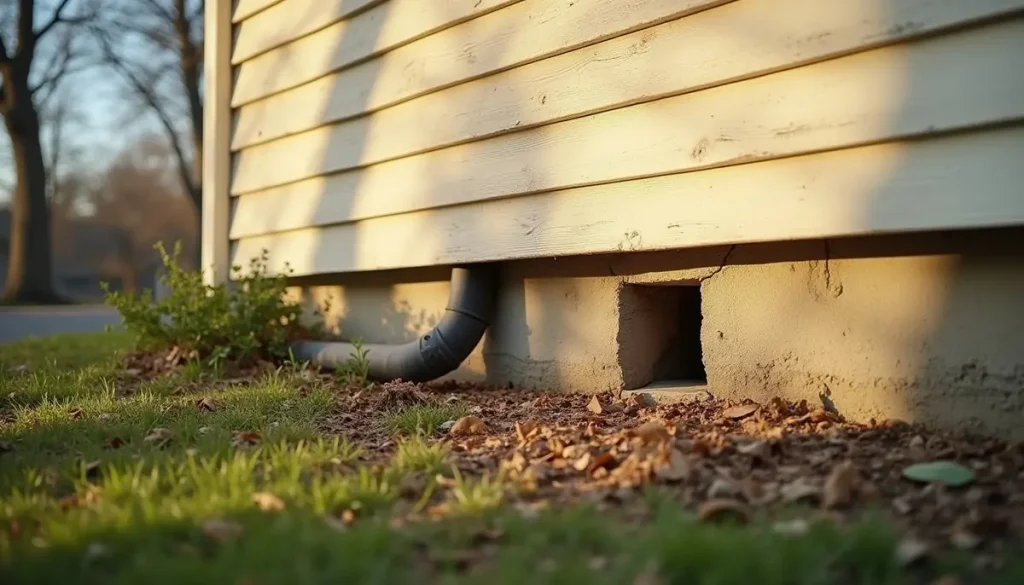
Rodents in the house are common but not routine: in the 2023 American Housing Survey, 11.8 per cent of occupied US homes, about 15.7 million, reported mice or rats or their signs inside in the previous 12 months. Most of those households saw signs only a few times a year. Seeing rats or droppings weekly or daily is rare, at 1.7 per cent of homes, and that is the point where it stops being a passing visit and becomes an infestation to deal with now.
The survey question covers mice and rats together, so it cannot say how many of those 15.7 million homes had rats specifically. It does show who reports rodents, how often, and in which kinds of houses, which answers most of what “is this normal?” really means. The figures below come from our weighted analysis of the Census Bureau’s 2023 public use microdata; the national total matches the Bureau’s own published estimate of 15,738,000 homes.
Normal, not normal: read your situation
| What you are seeing | How common it is | What it usually means | Next step |
|---|---|---|---|
| Signs inside a few times in a year | 9.1% of US homes (2023 AHS) | Occasional entry, often one or a few animals finding a gap | Find and seal the gap; set snap traps along walls |
| Signs monthly | 1.0% of homes | Repeated entry or a nest nearby | Inspect roofline, foundation and utility gaps |
| Signs weekly or daily | 1.7% of homes | Rodents living and feeding indoors | Full trapping plus exclusion, or a licensed professional |
| Rats in the yard, none inside yet | No national survey counts this | UC IPM: once rats are in the garden, evidence indoors is “only a matter of time” unless the house is truly rodent proof | Remove food, thin dense plants, seal the building |
| Burrows under the house or along the foundation | Typical Norway rat behaviour | Norway rats burrow along foundations and stay on lower floors | Treat as an active colony; exclusion at the foundation |
| A rat seen in daylight | Uncommon | UF/IFAS: daytime sightings indicate large populations, disease or poisoning | Act now rather than wait |
The pattern matters more than a single sighting. If the signs were one-off, a dropping or two behind the bin last spring, you are in the large majority of affected homes. If you can find fresh droppings every week, you are in the small minority the survey marks as frequent, and the guide to reading how fresh rat droppings and rub marks are will tell you whether activity is current.
How often households actually see them
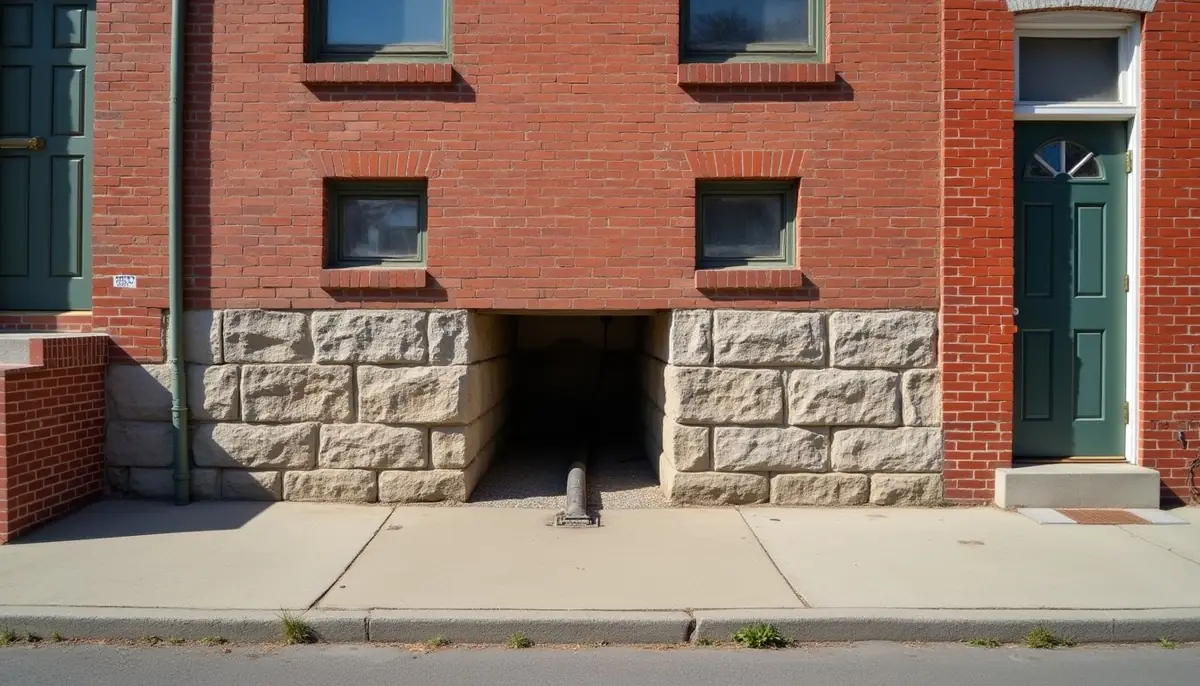
Of the 15.7 million homes with rodent signs in 2023, 77 per cent saw them only “a few times” in the year. Daily sightings were reported by 0.9 per cent of all homes, weekly by 0.8 per cent and monthly by 1.0 per cent. The earlier 2019 survey found almost the same picture: the Census Bureau reported that 14.8 million households, 11.9 per cent, saw rodents in the prior 12 months.
So the honest answer to “how common is it to have rats in your house?” is that roughly one home in eight has some rodent sign in a given year, and about one in sixty has a frequent problem.
Old houses and the Northeast report far more
The year a house was built is the strongest pattern in the microdata. Homes built before 1940 reported rodent signs at 23.9 per cent, almost one in four, against 4.1 per cent for homes built in 2010 or later. Older houses have more settling, more gaps around pipes and foundations, and more years for rodents to find them; the Census Bureau’s own 2019 analysis found that homes with outside walls that slope, lean or buckle were about 5.6 times more likely to report rodents.
Region matters too. New England reported 22.0 per cent and the Middle Atlantic states 18.0 per cent, against 7.7 per cent in the Mountain states and 8.1 per cent on the Pacific coast. Homes outside any metropolitan area reported 18.6 per cent, well above the 10.9 per cent for metros outside the 15 that the survey publishes individually.
Among those 15 large metros, Boston led at 24.5 per cent and Philadelphia followed at 19.9 per cent, while Phoenix (2.1 per cent) and Miami (2.9 per cent) were lowest. These are household reports of any sign, so they reflect housing age and climate as much as rat numbers. City complaint records tell a related story from a different angle: our analysis of New York and Chicago 311 rat complaints found both cities peaking every July.
Rats do not mean a dirty house
Homeowners reported rodent signs slightly more often than renters in 2023, 12.3 per cent against 10.7 per cent, and detached houses (12.5 per cent) more often than apartments in buildings of 50 or more units (7.3 per cent). That is the opposite of what you would expect if rats were mainly a housekeeping problem. A detached house has a foundation, a roofline, a garden and a garage, all of them entry routes.
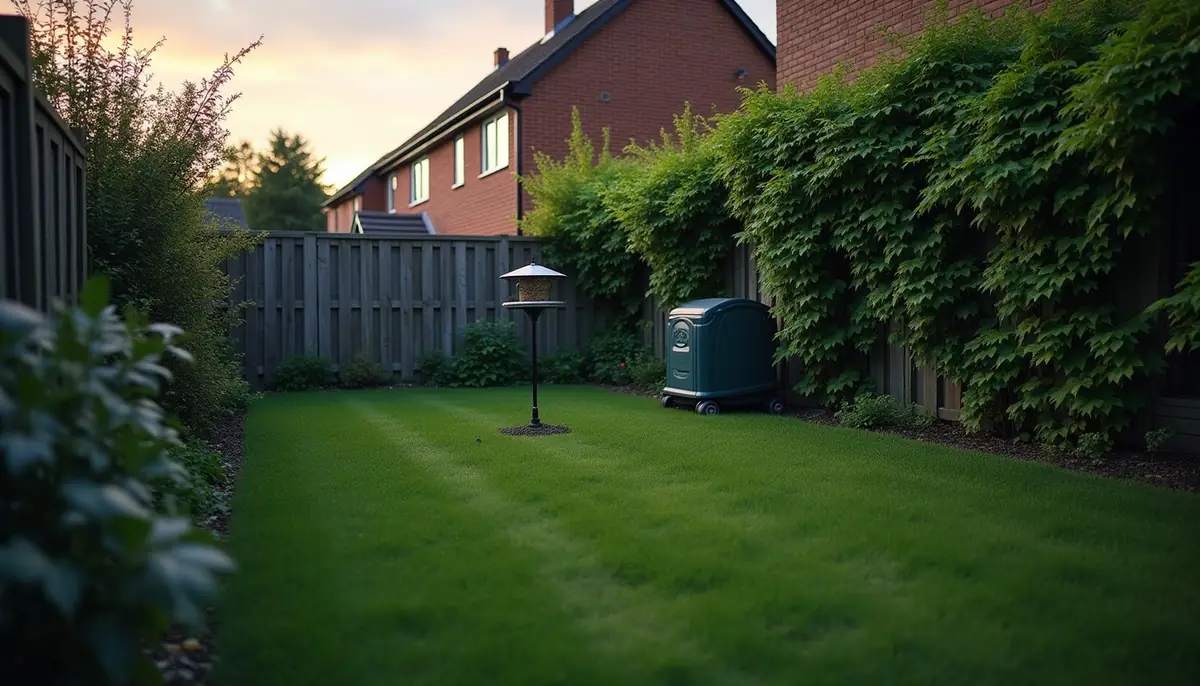
Rats need food, water and shelter, and the yard often supplies all three. UC IPM notes that Norway rats forage 100 to 500 feet from their nests and that roof rats routinely travel 300 feet or more for food, so the source can be a neighbour’s fruit tree, compost or bird feeder rather than your kitchen. The fuller list of what attracts rats to a home and yard ranks pet food, fallen fruit, birdseed and dense ivy above anything indoors.
When it becomes a health issue
UC IPM lists typhus, leptospirosis and food-borne illness as the most common rat-transmitted diseases. The risk comes mainly from urine and droppings around food, which is why a nest in the kitchen is not equivalent to a rat passing through the garage. The ranked breakdown of which rat risks are serious and which are rare covers bites and Seoul virus; for symptoms after contact, speak to a doctor.
For cleanup, the CDC’s instructions are specific: ventilate for 30 minutes, wear rubber or plastic gloves, spray droppings with 1 part bleach to 9 parts water, let it soak for 5 minutes, and never sweep or vacuum rodent droppings, urine or nesting material. The same steps apply to mice, and our page on the CDC dropping cleanup and hantavirus walks through them.
What to do this week
- Confirm it is a rat. Rat droppings run about 1/2 inch (roof rat) to 3/4 inch (Norway rat), against 1/8 inch for a house mouse, per UF/IFAS; the full rat versus mouse comparison covers tails and ears.
- Find the entry. Rats squeeze through gaps of about 1/2 inch, so check where pipes, cables and vents enter, and at the roofline for roof rats.
- Trap before you seal, so you do not shut rats inside. UC IPM calls snap traps “the safest, most effective, and most economical way to trap rats” and suggests spacing them 10 to 20 feet apart.
- Seal with hardware cloth, sheet metal or mortar, then remove outdoor food. The step-by-step plan for getting rid of rats covers the order in detail.
Call a licensed professional when signs are weekly or daily, when you hear activity in several rooms, or when rats return after you have sealed. Those comebacks usually trace to a gap still open or rats moving in from next door, the causes laid out in why rats keep coming back after treatment.
Frequently asked questions
Should I be worried about a rat in my house?
Take it seriously but not as an emergency. UF/IFAS describes a live rat indoors as a sure sign of infestation, so assume more than one until traps say otherwise. Start trapping and sealing within days, clean droppings with the CDC bleach method, and call a professional if signs continue weekly or appear in several rooms.
How common is it to have rats in your house?
In the 2023 American Housing Survey, 11.8 per cent of occupied US homes reported mice or rats or their signs inside within 12 months, about 15.7 million homes. The survey does not separate rats from mice. Homes built before 1940 reported 23.9 per cent and homes built since 2010 reported 4.1 per cent.
Is it common to have just one rat in your house?
It happens, especially with a roof rat that wandered in along a branch or wire, but one rat is rarely the whole story. Norway rats wean 20 or more young a year, per UC IPM, and sightings usually reflect a nearby colony. The breakdown of how fast rats reproduce and what one sighting means covers the numbers.
What will kill rats right away?
A correctly placed snap trap kills a rat at the moment it fires, which is why UC IPM rates snap traps the most effective option. Most baits are slow: UC IPM describes anticoagulants as cumulative and slow acting, and only acute baits such as zinc phosphide kill within several hours. No method clears a colony overnight; follow every label.
Is it normal to have rats in your house at night?
Rats are mainly nocturnal, so night is when you will hear scratching and running in ceilings and walls. Noise at night means rats are present, not that the problem is normal or harmless. Daytime sightings are the stronger warning: UF/IFAS links them to large populations, disease or poisoning, as our page on when rats are active and what a daytime rat means explains.
Sources
- US Census Bureau and HUD, American Housing Survey 2023, National Public Use File v1.1 (household file, variable RODENT, weighted analysis by The Pest Control Brief, November 2026).
- US Census Bureau, AHS 2023 Table Specifications and PUF Estimates for User Verification, Table C-05-AO Housing Quality.
- US Census Bureau, “Residents of 14 Million Housing Units Reported Seeing Roaches, 14.8 Million Saw Rodents in Last 12 Months”, April 2021 (2019 AHS).
- University of California Statewide IPM Program, Pest Notes: Rats, Publication 74106 (N.M. Quinn), updated June 2025.
- UF/IFAS Extension, Rat and Mouse Control, ENY-224 (P.G. Koehler and W.H. Kern), revised October 2013.
- Centers for Disease Control and Prevention, Controlling Wild Rodent Infestations and How to Clean Up After Rodents, April 2024.