How to Get Rid of Gophers: Mounds, Traps and What Fails
The way to get rid of gophers is to trap them in the main tunnel, found with a probe 4 to 12 inches from the plugged side of a fresh mound, and to keep trapping until no new mounds appear. UC IPM calls trapping safe and effective, and a peer-reviewed comparison found it the most cost-effective method tested. Wire baskets and buried mesh protect plants without killing anything. Smoke bombs, vibrating stakes, gum and repellent plants have all failed in research or extension review.
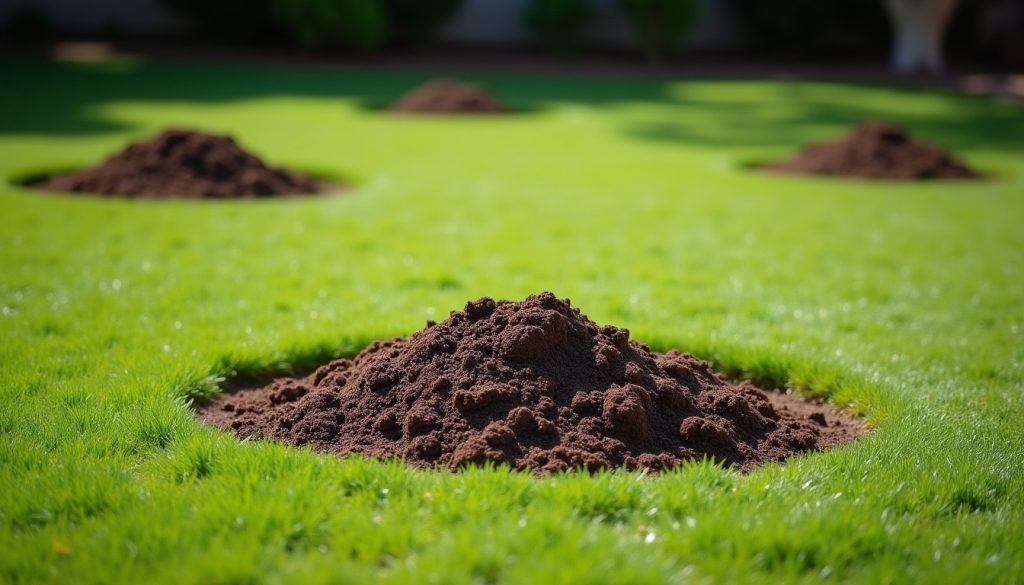
Pocket gophers are burrowing rodents that eat roots from below, gnaw drip lines and leave fan-shaped mounds across lawns. UC IPM notes that a single gopher can create several mounds in a day, and Oklahoma State puts the figure at as many as 200 mounds a year. Because they usually live alone, a lawn full of mounds is often the work of one or two animals, which is why patient trapping works.
What works and what fails: the short version
| Method | Verdict | What the evidence says |
|---|---|---|
| Trapping in the main tunnel | Works, first choice | UC IPM: safe and effective; Baldwin and colleagues (2016) found trapping the most cost-effective approach tested |
| Wire baskets, buried mesh, gravel | Works for protection | Prevents damage to beds, shrubs and irrigation lines; does not remove the gopher |
| Toxic bait in the main tunnel | Works where legal, with risk | Strychnine and zinc phosphide kill after a single feeding; hazards to pets and wildlife; illegal for wildlife control in some states |
| Smoke bombs and gas cartridges | Usually fails | Gophers seal off the burrow when they detect smoke or gas |
| Vibrating stakes, ultrasonic devices, pinwheels | Fails | Not effective in research trials |
| Repellent plants (gopher purge, castor bean, garlic) | Fails | Research has not substantiated the claims |
| Chewing gum, laxatives | Fails | Listed by UC IPM as ineffective |
| Barn owl boxes | Unreliable | Owls hunt over large areas and will not clear one yard |

Gopher vs mole: read the mound first
Confirm the animal before buying a trap, because the right trap and its placement differ. Our guide to moles and voles covers those two in depth; this table is the quick field test.
| Sign | Pocket gopher | Mole | Vole |
|---|---|---|---|
| Mound shape from above | Crescent, horseshoe or fan | Circular, volcano-shaped in profile | No mound |
| Where the hole is | Plugged hole off to one side | Plug in the middle, often indistinct | Open holes about golf-ball size |
| Surface ridges | No | Yes, raised feeding tunnels | Surface runways of clipped grass |
| Diet | Roots, bulbs, whole plants pulled down | Earthworms and grubs | Stems, bark, roots |
| Typical tunnel depth | Feeding burrows 6 to 12 in | Just under the surface plus deeper runs | Surface |
UC IPM adds a third look-alike: ground squirrel holes are open and have no mound. Oklahoma State describes gopher mounds as 18 to 24 inches across, with a small circular depression on one side where the hole was plugged from below. That depression is the single most useful clue, because it tells you which side of the mound the tunnel runs from.
Gophers also leave feed holes: an opening with no mound and a ring of clipped vegetation around it.
Where gophers are: what our data shows
Pocket gophers are not a national pest in the way moles are. We counted research-grade iNaturalist records of the pocket gopher family by state and scaled them by each state’s total observations so busy states do not dominate unfairly.
Arizona leads at 2.96 records per 10,000 observations, then California at 2.30, Utah at 1.99 and Oklahoma at 1.96. California alone supplies 3,768 of the 7,960 US records, about 47 per cent. At the other end, 22 states had no research-grade records at all, including every New England state, New York, New Jersey, Pennsylvania, Ohio, Michigan, Virginia and the Carolinas. These are records of sightings, not a range map, but if you live in one of those states and see soil mounds, check the mole and vole signs above before assuming gophers.
How to trap a gopher, step by step
Most failures are technique, not the trap. This follows UC IPM’s guidance, based largely on UC Davis field trials.
- Find fresh activity. Fresh mounds are dark, moist soil. Flatten old mounds first so new ones stand out.
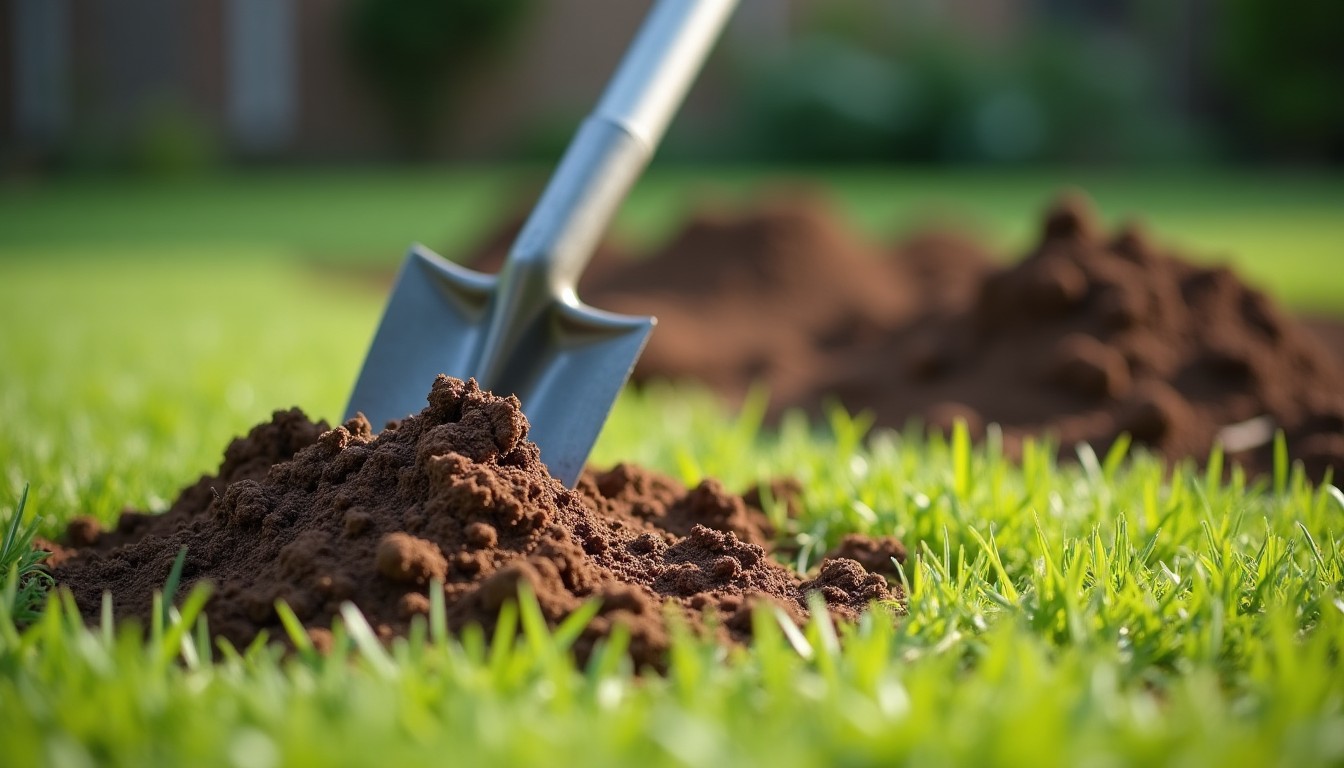
- Probe for the main tunnel. Push a gopher probe or long screwdriver into the ground about 4 to 12 inches from the plugged side of a fresh mound. The main burrow is usually 4 to 12 inches deep. When you hit it, the probe drops suddenly, by about 2 inches.
- Trap the main tunnel, not the lateral. The short sloping tunnel under the mound may not be revisited, so traps and bait there succeed less often.
- Open the tunnel and set traps in pairs, one facing each direction, because you cannot know which side the gopher is on. Pincer traps need less digging than box traps, which matters in a lawn.
- Wire every trap to a stake so you can pull it out and scavengers cannot drag it off.
- Decide on covering. UC IPM found little advantage in covering pincer sets except to keep people and pets away, so cover sets wherever children or dogs play. Cover box traps, because gophers tend to plug an open tunnel before reaching the trigger wire.
- Check often. If nothing is caught in 1 to 2 days, reset in a different spot. The viral catch-a-gopher-in-two-minutes videos show the set, not the usual wait.
- Keep going until no new mounds form, then level all mounds so reinvasion shows up early.
Two persistent tips are not supported. UC Davis researchers saw no benefit from putting bait behind the trap, and human scent on traps had no effect on catch rates.
Gopher baits, strychnine and the legal picture
Poison baits work when placed in the main tunnel, and only there. UC IPM states that bait for gophers is only allowed directly within burrow systems; above-ground application is illegal and ineffective. Bait should not go in gardens with root vegetables, where crops could touch it.
- Strychnine grain or pellets, generally 0.5 per cent, are the most effective gopher bait according to UC IPM and are lethal after a single feeding. Under a federal rule dating from 1978, strychnine baits at 0.5 per cent or less that are limited to below-ground use are not restricted-use pesticides; stronger products and burrow-builder uses are. Above-ground strychnine uses are barred under a 1988 federal court injunction.
- Zinc phosphide baits at 2 per cent are also single-feeding. Montana State rates zinc phosphide less effective than strychnine for gophers.
- Anticoagulants (chlorophacinone and diphacinone) are no longer legal for residential gopher use in California.
State law varies. Arkansas makes it illegal to use poisons, toxins and fumigants for wildlife control at all, so trapping is the legal route there. In Washington, four Mazama pocket gopher subspecies in Thurston and Pierce counties were listed as threatened under the Endangered Species Act in 2014, and the state lists all eight Washington subspecies as threatened. Check your state wildlife agency before any control in those areas.
These baits are acutely toxic. If pets, children or wildlife you want to keep use the yard, trapping carries far less risk. Read and follow the label exactly, and if you would rather not handle bait, a licensed operator is the right call. Our breakdown of wildlife removal costs explains how trapping services are usually priced.
Why smoke bombs and gas usually fail
UC IPM is blunt: fumigation with smoke or gas cartridges usually isn’t effective, because gophers quickly seal off the burrow when they detect smoke or gas. Arkansas extension agrees that even where legal, fumigants have not proven effective because gophers plug tunnels and escape.
Aluminium phosphide does work, but it is a restricted-use fumigant for licensed applicators, and current rules allow it only in burrow systems more than 100 feet from any building where people or animals are or may be found. In residential areas that confines it to parks and athletic fields. Pressurised exhaust machines that inject carbon monoxide removed more than 70 per cent of gophers in some trials, but UC IPM calls them expensive and practical mainly for large-scale management. In the 2016 comparison, trapping and aluminium phosphide both outperformed the exhaust machine, and trapping was the most cost-effective.
Gopher repellents and home remedies that do not work
UC IPM states that no repellents currently sold successfully protect plants from gophers. Montana State notes that the only registered repellents were moth crystal granules, naphthalene and paradichlorobenzene, which are not effective.
- Plants. Gopher purge (Euphorbia lathyrus), castor bean and garlic have not been shown to repel gophers from an area.
- Noise and vibration. Vibrating stakes, ultrasonic devices and pinwheels failed in research trials. UC IPM’s explanation is that gophers live with constant noise and vibration from sprinklers, mowers and traffic. We cover the wider evidence in our review of ultrasonic pest repellers.
- Chewing gum and laxatives placed in burrows do not kill gophers.
- Owls. Barn owls eat gophers, but UC IPM calls nest boxes unreliable for a yard, since owls hunt widely and go where prey is most abundant.
How to get rid of gophers without killing them
If you do not want to kill anything, the realistic goal is protection rather than removal. Exclusion is the method UC IPM backs:
- Raised beds: lay hardware cloth or three-quarter-inch poultry wire across the base before filling.
- Existing beds and valuable shrubs: bury hardware cloth or half to three-quarter-inch mesh at least 2 feet deep, bend a further 6 inches outward at 90 degrees, and leave at least 1 foot above ground to stop gophers crossing the surface. Galvanised or stainless wire lasts longest.
- New shrubs and trees: plant inside wire baskets of light-gauge, three-quarter-inch, non-galvanised wire, which rusts away after several years so roots are not strangled. Size the basket for several years of root growth.
- Irrigation lines and cables: surround them with 6 to 8 inches of coarse gravel, 1 inch or more in diameter.
- Buffer strips: clearing weedy areas beside the garden creates a strip of unsuitable habitat.
Live trapping is possible but harder than it sounds. Arkansas extension describes a nonlethal trap and recommends it near the range of the rare Ozark pocket gopher, but warns that trapped gophers do not survive long in traps: check at dawn after setting at dusk, and trap only when temperatures are moderate. Relocation rules vary by state, so ask your state wildlife agency first. Flooding a burrow with a hose can push a gopher out, though UC IPM pairs that with a shovel or a dog rather than release.
Why you suddenly have gophers, and when they show
UC IPM says properties bordering wildland, vacant lots or other gopher habitat should expect regular reinvasion. Nebraska extension adds that gophers can quickly occupy a neighbour’s burrow when the resident disappears, so an empty tunnel system is an invitation.
Timing also depends on soil moisture. In non-irrigated ground in California, mound building is most pronounced in winter and spring when soil is moist and easy to dig. Nebraska extension says gophers make more mounds in spring and fall than in winter or summer, and Oklahoma State recommends control in spring or fall, when gophers are most active near the surface. In irrigated lawns and beds, digging conditions are good all year and mounds can appear at any time. Gophers do not hibernate.
Our seasonality index fits the western pattern. Pocket gopher records run at 159 in January and 160 in February, fall to a low of 44 in August, and climb back to 136 in November. Because almost half the records are from California, the national curve probably reflects the western wet season more than anything else.
When to call a professional
A single gopher in a garden is a reasonable DIY job with a couple of pairs of traps and patience. Consider a licensed wildlife or pest professional if new mounds keep appearing despite repeated trapping, if the property borders open land and reinvasion is constant, if you want fumigation (which homeowners cannot legally do with aluminium phosphide), or if you are in an area with protected gopher species. Diggers are often confused: if soil is being dug out of holes in the lawn rather than pushed up into mounds, read our guide to armadillos digging up the lawn, and for turf damage that may be insects rather than animals, see our lawn pest control guide. The other burrowers people mistake for gophers are covered in chipmunks, groundhogs and ground squirrels.
Frequently asked questions
What is the fastest way to get rid of gophers?
Trapping in the main tunnel is the fastest reliable method for a yard. Probe 4 to 12 inches from the plugged side of a fresh mound until the probe drops about 2 inches, set two traps facing opposite directions, and stake them. UC IPM advises moving traps if nothing is caught within 1 to 2 days. A 2016 UC Davis comparison found trapping the most cost-effective method tested.
What do gophers hate the most?
Gophers react most reliably to an open burrow: UC IPM notes they do not like open burrow systems and will come to plug them, which is why opened tunnel sets catch them. Physical barriers also stop them, including buried wire mesh and 6 to 8 inches of coarse gravel around pipes. No scent or repellent sold has been shown to protect plants.
Why do I suddenly have gophers in my yard?
Usually because one moved in from nearby open land, a vacant lot or a neighbour’s yard. Gophers quickly take over empty burrow systems, and young disperse to find territory soon after weaning. Mounds also appear suddenly when soil softens: in non-irrigated ground mounding peaks when soil is moist, while watered lawns can see mounds any time of year.
What do coffee grounds do to gophers?
There is no evidence they do anything. We found no extension or peer-reviewed trial testing coffee grounds against gophers, and UC IPM states that no repellent currently sold protects plants from gophers, while plant-based repellents such as castor bean and garlic have failed to hold up. Gophers find food by smell, but grounds in a few holes will not move an animal with hundreds of feet of tunnel.
Sources
- University of California Statewide IPM Program, Pest Notes: Pocket Gophers, UC ANR Publication 7433 (R.A. Baldwin), updated June 2025, and Quick Tips: Pocket Gophers.
- Oklahoma Cooperative Extension Service, Controlling Pocket Gophers, NREM-9001.
- University of Arkansas Cooperative Extension Service, Controlling Pocket Gophers in Arkansas, FSA9114.
- Montana State University Extension, Guide to Pocket Gopher Control in Montana, MontGuide MT 200009 (J.E. Knight), 2000.
- University of Nebraska Lincoln Extension, Using Burrow Builders for Pocket Gopher Control, G2035.
- Baldwin, Meinerz and Orloff, Burrow fumigation versus trapping for pocket gopher management: a comparison of efficacy and cost effectiveness, Wildlife Research 43:389 to 397, 2016.
- US Environmental Protection Agency, Federal Register notice on strychnine product classification, 74 FR, 18 December 2009.
- US Fish and Wildlife Service, Designation of Critical Habitat for Mazama Pocket Gophers, Final Rule, 79 FR 19712, 9 April 2014.
- The Pest Control Brief analysis of iNaturalist research-grade records, pulled October 2026.