Bed Bugs in Luggage After Travel: How to Check and Kill Them
If you think bed bugs came home in your luggage, unpack outside the bedroom, put every piece of clothing straight into a hot dryer for at least 30 minutes, and inspect and vacuum the case before sealing it in a plastic bag. A University of Sheffield study found 30 minutes of hot tumble drying above 40°C (104°F) killed all life stages, eggs included. Items that cannot be heated can be frozen at 0°F (minus 18°C) for at least 3.5 days.
The sooner this is done the better: CDC says bed bugs spread by getting into the seams and folds of luggage, overnight bags and folded clothes, and most travellers do not realise they are carrying them. This page is the after-the-trip protocol; for the check on arrival, use our five minute hotel room check.
The protocol, item by item
| Item | Method | Time | Source |
|---|---|---|---|
| All clothing, worn or not | Tumble dryer on a hot setting, above 40°C (104°F) | At least 30 minutes | Naylor and Boase, Journal of Economic Entomology, 2010 |
| Washable fabrics | Wash at 60°C (140°F), then dry hot | Normal cycle plus 30 minute dry | Naylor and Boase 2010 |
| Delicates, shoes, toiletry bags, books | Bag, then freeze at 0°F (minus 17.8°C) | At least 3.5 days; 48 hours if the freezer averages below minus 20°C | Olson and colleagues, Journal of Economic Entomology, 2013 |
| Dry-clean-only clothing | Dry cleaning with perchloroethylene | Standard process | Naylor and Boase 2010 |
| Hard-shell suitcase | Torch inspection of seams, zip, wheel housings and handle channels; vacuum with crevice tool; seal vacuum contents in a bag | One session, then bag the case | University of Minnesota Extension; EPA |
| Fabric suitcase or backpack | Vacuum and steam the seams, then seal in a large plastic bag; heat-treat or discard if bugs are seen | One session; Kentucky suggests a hot car in summer, though bugs can also settle in the car, as our guide to bed bugs living in cars explains | University of Kentucky ENTFACT 636 |
| Storage afterwards | Away from the bedroom, never under the bed | Ongoing | EPA bed bug travel tips |
Compiled by The Pest Control Brief from the studies and extension sources named in each row.
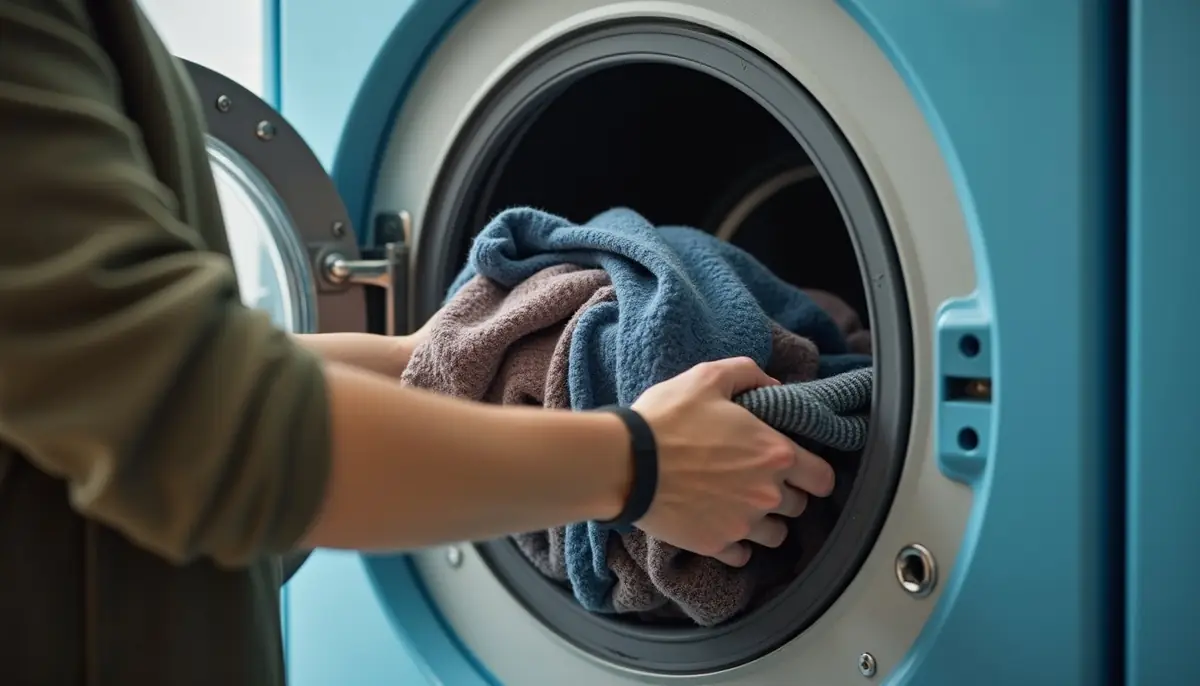
How to treat luggage for bed bugs after travel?
Follow these steps on the day you get home, ideally before the case enters the house.
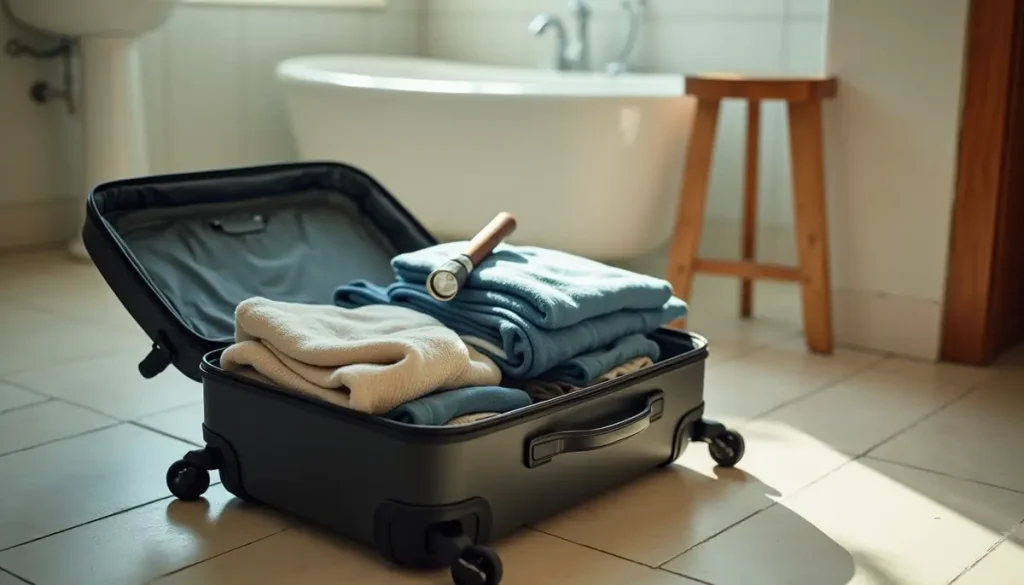
- Pick an unpacking spot away from the bedroom. A garage, a tiled bathroom or the utility room beside the dryer all work. Light floors make a stray bug easy to see. EPA’s travel guidance is to unpack directly into the washing machine and inspect the luggage carefully.
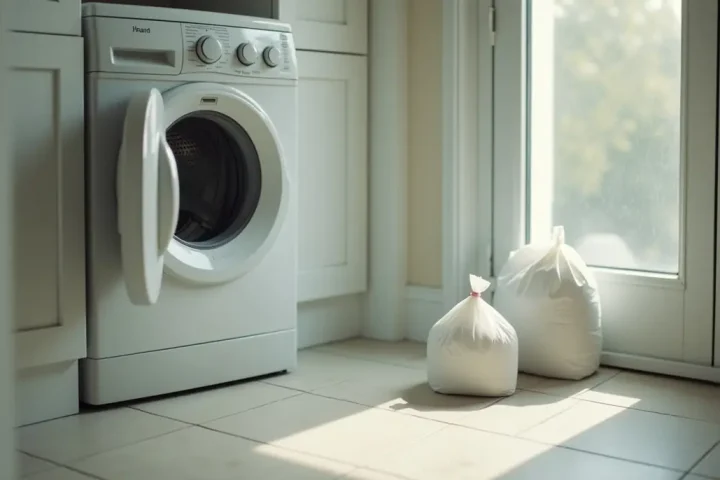
- Move clothes straight into the dryer. Carry them in a sealed plastic bag so nothing drops on the way, as Kentucky’s ENTFACT 636 recommends, and empty the bag directly into the drum. Run the hottest setting the fabrics allow for at least 30 minutes. Our analysis of whether bed bugs survive the dryer explains why short cycles and overloaded drums fail.
- Bag and freeze what cannot go in the dryer. Olson and colleagues advise bagging items before they go in the freezer, so bugs cannot leave the item, and using a thermometer to confirm the freezer holds 0°F.
- Inspect the case with a torch. Work along every seam, the zip track, the lining edges, wheel housings and the telescopic handle channel. You are looking for live bugs, pale eggs, shed skins and dark faecal spots; our bed bug identification guide with every life stage at actual size shows each.
- Vacuum, then bag the vacuum contents. University of Minnesota guidance is to vacuum the suitcase inside and out, seal the vacuum contents in a plastic bag and put it in the trash, then store the case sealed inside a large plastic bag or box.
- Steam fabric cases. ENTFACT 636 notes that steamers kill bugs and eggs on contact when used correctly, but have limited ability to penetrate fabric, so move the nozzle slowly along seams and pockets.
- Store the case out of the bedroom. EPA’s advice is never to store suitcases under your bed.
Hard-shell or soft luggage?
The Cuyahoga County Board of Health advises using hard-shelled luggage where possible, because it is less bed bug friendly than fabric luggage. The reason is surface: a shell has fewer seams and pockets to hide in and can be wiped and inspected quickly, while a fabric case has stitched seams, padding and mesh pockets. Kentucky’s ENTFACT 636 is frank that inspecting or vacuuming suitcases is less useful because bed bugs are hard to spot in luggage, and suggests that suspect cases be heat-treated or discarded. A cheap fabric bag with confirmed bugs is often not worth saving.
Heat devices for luggage
Portable heat chambers sold for luggage work only if every part of the load reaches a lethal temperature for long enough. University of Minnesota researchers Kells and Goblirsch found, in 2011, that 99 per cent of adults died at 48.3°C (119°F) but eggs needed 54.8°C (131°F), and that eggs survived 7 hours at 45°C. A device should have a thermometer you can read inside the load, not just a heater setting.
Why a cold garage or car is not enough
Leaving a suitcase in a cold garage feels like a freezer treatment, but the data say otherwise. Olson and colleagues estimated that bed bugs survive at temperatures above minus 12°C (about 10°F) even after a week of continuous exposure. Kentucky’s ENTFACT 636 says that below freezing, temperatures must be held for one to two weeks. Few US garages stay that cold that long, which is why our guide to whether bed bugs die in the cold treats outdoor cold as unreliable.
How likely are bed bugs to get in luggage?
No study measures the odds per trip, but one experiment shows what draws them to a bag. In a 2017 University of Sheffield study in Scientific Reports, Hentley and colleagues placed tote bags of clean and worn clothing in a bedroom-sized room with bed bugs and no sleeping person. After 96 hours, bed bugs were twice as likely to aggregate on bags containing soiled clothes as on bags of clean clothes. The practical reading: keep worn clothes in a sealed bag inside a zipped case during the trip, not in an open pile on the floor. Our guide to how bed bugs spread through luggage, furniture and next door covers the other routes.
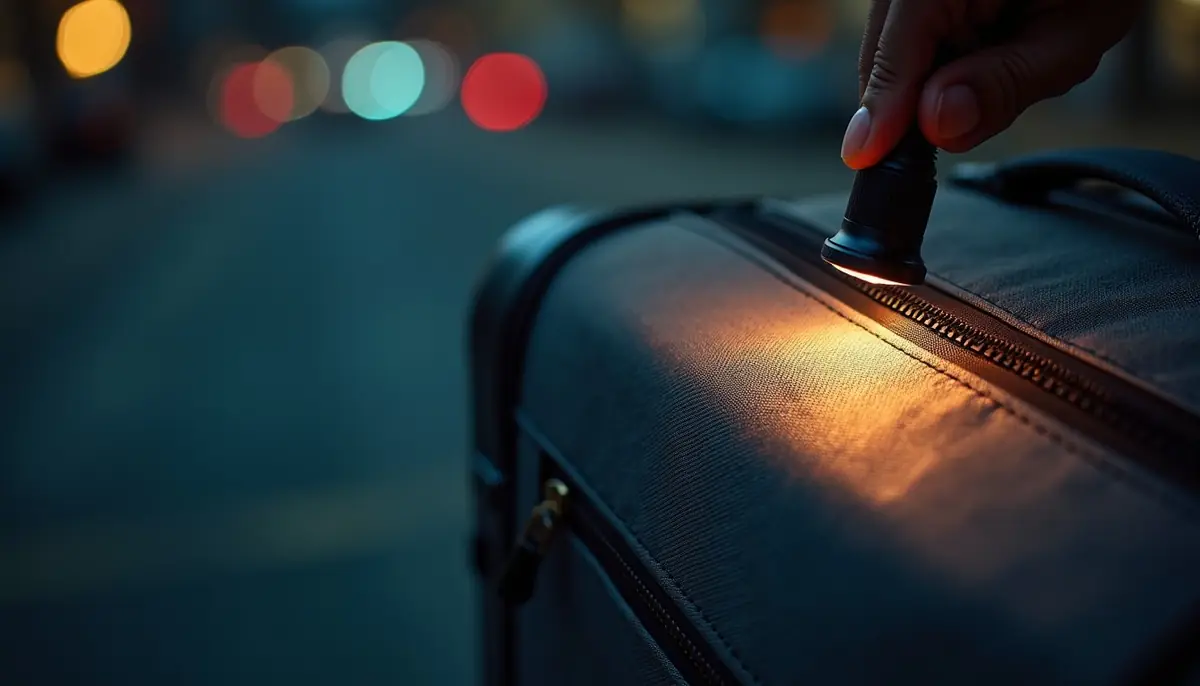
How long can bed bugs live in luggage?
Months, not days. CDC says bed bugs can live several months without a blood meal. ENTFACT 636 gives 1 to 4 months as a typical duration without feeding in heated buildings, and up to a year or longer at 55°F or below. A suitcase stored unopened in a cool loft is not a starvation treatment. Our guide to how long bed bugs live with and without food gives the stage-by-stage figures.
How do I know if I have bed bugs in my suitcase?
Look, rather than wait for bites. CDC gives a size range of 1 mm to 7 mm across life stages, with the largest about the size of Lincoln’s head on a penny. The signs on luggage are the same as on a mattress: live bugs, cast skins, eggs, and dark spotting along seams. Kentucky’s caution applies: a clean-looking case is not proof, which is why the dryer and bagging steps are done whether or not you find anything. If you find a single bug at home after a trip, our guide to what finding one bed bug means sets out what to check next.
How long after a trip would you notice bed bugs?
Often days to weeks, and bites are a poor clock. CDC says most people do not notice bite marks until one to several days after the bite, and that marks may take as long as 14 days to develop in some people. A bug carried home has to find a host, feed and lay eggs before numbers build, so the first sign may be weeks after the trip. If bites, spotting or live bugs appear in the bedroom, the full plan in how to get rid of bed bugs applies.
Bed bugs in a home are usually a job for a licensed professional, and our bed bug treatment cost guide lists published estimates of $150 to $400 per room for chemical treatment and $400 to $1,500 to heat a single room.
Bed bugs are not known to spread disease to people, according to CDC. If bites are troubling you, speak to a doctor or pharmacist.
Frequently asked questions
How to treat luggage for bed bugs after travel?
Unpack away from the bedroom and put all clothes into a hot dryer for at least 30 minutes, the setting a University of Sheffield study found killed every life stage. Bag and freeze non-washables at 0°F for 3.5 days. Inspect the case with a torch, vacuum it inside and out, bag the vacuum contents and store the case sealed, never under the bed.
How likely are bed bugs to get in luggage?
No study gives a per-trip probability. A 2017 Sheffield experiment found bed bugs were twice as likely to gather on bags of worn clothing as on bags of clean clothing, even with no person in the room. Keeping worn clothes sealed and the case zipped and off the floor reduces what attracts them.
How do I know if I have bed bugs in my suitcase?
Search the seams, zip track, lining edges and wheel housings with a torch for live bugs 1 mm to 7 mm long, pale eggs, shed skins and dark spotting. University of Kentucky entomologists note bugs are hard to spot in luggage, so treat clothes in a hot dryer and bag the case even if you find nothing.
How long after a trip would you notice bed bugs?
It can take days to weeks. CDC says bite marks usually appear one to several days after a bite and can take up to 14 days in some people. A few hitchhikers also need time to feed and breed, so check the bed and luggage again for several weeks after a trip.
Sources
- Naylor RA, Boase CJ. Practical solutions for treating laundry infested with Cimex lectularius. Journal of Economic Entomology 103(1): 136 to 139, 2010.
- Olson JF, Eaton M, Kells SA, Morin V, Wang C. Cold tolerance of bed bugs and practical recommendations for control. Journal of Economic Entomology 106(6): 2433 to 2441, 2013.
- Hentley WT, Webster B, Evison SEF, Siva-Jothy MT. Bed bug aggregation on dirty laundry: a mechanism for passive dispersal. Scientific Reports 7: 11668, 2017.
- Kells SA, Goblirsch MJ. Temperature and time requirements for controlling bed bugs under commercial heat treatment conditions. Insects, 2011.
- University of Kentucky Entomology, ENTFACT 636, Bed Bugs.
- University of Minnesota, bed bug guidance for travellers.
- US Environmental Protection Agency, Bed Bugs: Tips for Travel (archived January 2025).
- Centers for Disease Control and Prevention, About Bed Bugs.
- Cuyahoga County Board of Health, Bed Bug Tips for Travelers.