Can Pest Control Spray in the Rain? Weather and Treatment
Rain rarely cancels a visit, because much exterior work is sheltered. What matters is drying time, and each weather condition changes treatment differently.
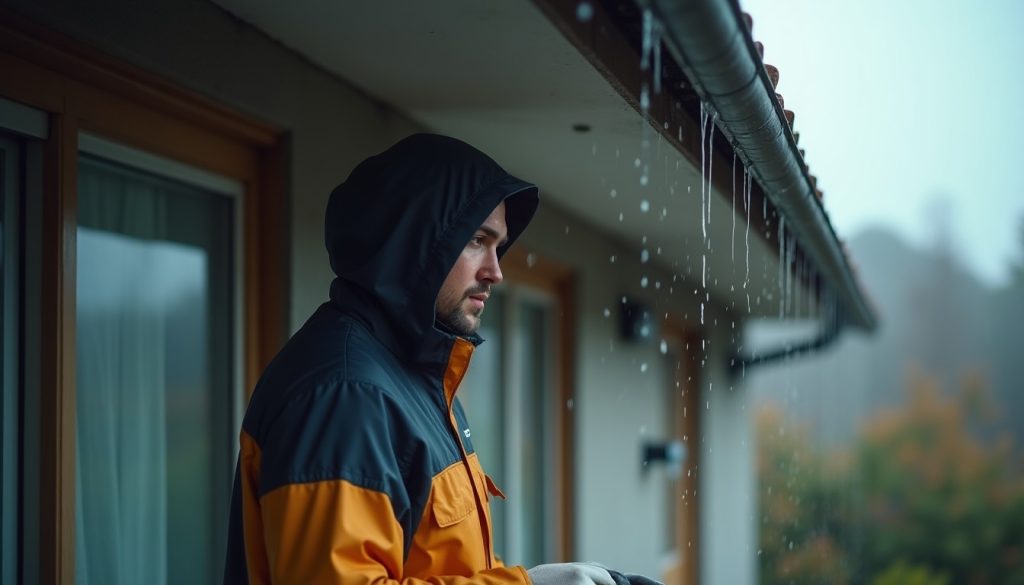
Rain does not automatically cancel a pest control visit, because exterior treatments are commonly applied under eaves, into cracks and beneath overhangs where rainfall does not reach. What matters is whether the product had time to dry and bind before heavy rain, typically a few hours. Heat, cold and wind change treatment differently, and each one has a practical threshold worth knowing.
Weather questions come up constantly and get answered inconsistently, usually because the honest answer depends on which part of the treatment is affected. Here is what changes and what does not.
What each condition actually does
| Condition | Effect on treatment | Usual practice |
|---|---|---|
| Rain before application | Wet surfaces reduce binding | Often postponed or shifted to sheltered areas |
| Rain within a few hours after | Can wash residual off exposed surfaces | Ask about the rain policy and free re-treatment |
| Rain after drying | Limited effect on bound residual | Visit proceeds normally |
| Heavy sustained rain | Reduces exterior residual life | May shorten the effective interval |
| High heat and strong sun | Accelerates residual breakdown | Shorter effective interval, more frequent visits |
| Cold | Insects less active, less contact with product | Focus shifts to interior and harbourage |
| Wind | Drift risk, poor placement accuracy | Spraying limited, targeted methods preferred |
The rain question, answered properly
A large share of exterior work is applied where rain does not land: under eaves and soffits, into cracks and expansion joints, around weep holes, beneath overhangs and into voids. Those placements are largely unaffected by weather after application.
Open exterior surfaces are the exposed part. There the practical rule is drying time. Once a residual has dried and bound, ordinary rain has limited effect. Rain within the first few hours can wash product off before it binds, which is the case worth a re-treatment.
So the useful question to a company is not whether it will rain but what its rain policy is: if a treatment is washed out within 24 hours, is the return visit free. That is a specific term and worth having in writing, particularly on seasonal programmes like mosquito work where our mosquito control guide covers the 21-day cycle that weather can shorten.
Heat, cold and the treatment calendar
Temperature changes both product persistence and insect behaviour, which is why the same treatment performs differently across the year.
- High heat accelerates residual breakdown on exposed exterior surfaces, so summer programmes often run at shorter intervals than the label maximum.
- Cold reduces insect activity, so there is less movement across treated surfaces and less contact. Winter work concentrates on interiors, harbourage and rodents, which are active indoors precisely because it is cold.
- Sustained heat and drought drive some pests indoors seeking moisture, which changes what you are treating rather than how.
- Heavy rain pushes ground-nesting insects and rodents toward structures, so a wet spell frequently produces a call two or three days later.
These effects are why the pest year has a shape at all, mapped in our seasonal pest calendar.
What weather does not excuse
Weather is a legitimate reason to reschedule and an illegitimate excuse for a failed treatment weeks later. If activity continues past the expected window, the explanations to work through are timing, preparation and resistance, not last month’s rainfall.
Our guide to how long treatment takes to work sets out realistic timelines by pest, and insecticide resistance covers the explanation most often missed. Interior treatments, which is where most of the expensive work happens, are unaffected by weather entirely.
Frequently asked questions
Can pest control spray in the rain?
Often yes. Much exterior work is applied under eaves, into cracks and beneath overhangs where rain does not reach, and those placements are unaffected. Open surface applications need a few hours to dry and bind, so rain shortly after treatment is the situation that may warrant a free re-treatment.
Does rain wash away pest control treatment?
Only on exposed surfaces and mainly if it falls before the product has dried and bound, typically within the first few hours. Once dried, ordinary rain has limited effect. Heavy sustained rain shortens exterior residual life, which can mean a shorter effective interval rather than a failed treatment.
Should I reschedule pest control if it is raining?
Ask the company rather than assuming, since much of the work is sheltered. The more useful question is the rain policy: whether a treatment washed out within 24 hours is repeated at no charge. Get that in writing, particularly on seasonal programmes.
Does pest control work in winter?
Yes, though the focus shifts. Cold reduces insect activity and contact with treated surfaces, so winter work concentrates on interiors, harbourage and rodents, which move indoors precisely because it is cold. Winter is also the right time to plan the following late-summer exclusion work.
Sources
- Application and weather practice compiled from pest control industry sources, 2026.
- 40 CFR Part 171, applicator certification standards. ecfr.gov