What Attracts Crickets Into the House
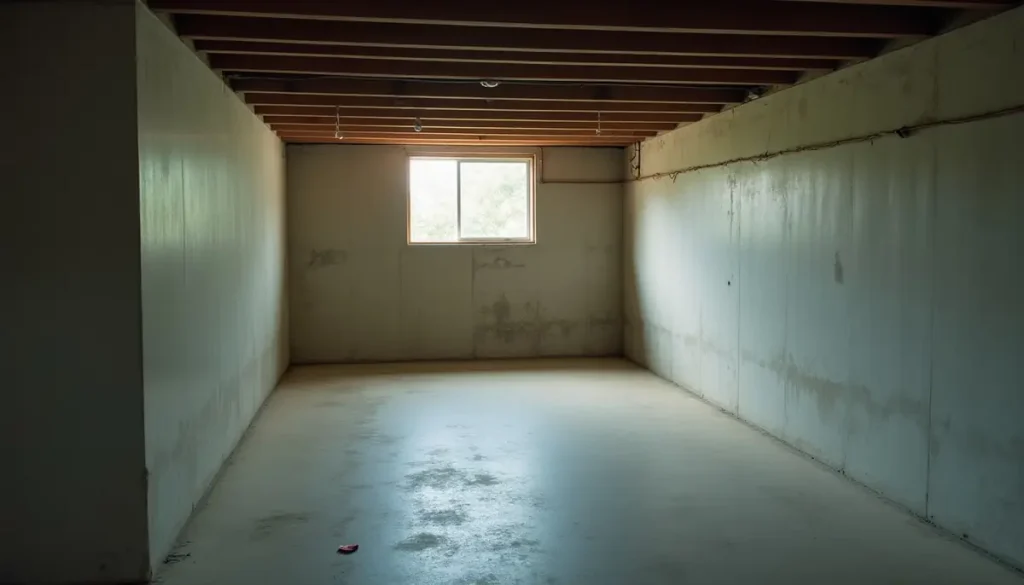
Outdoor lighting is the main thing that attracts crickets to a house, and Texas A&M calls it the most important single cause of severe cricket infestations around homes and buildings. After light, crickets are drawn by warmth and shelter as autumn nights cool, by damp basements and crawl spaces, and by cover such as mulch, leaf piles and firewood against the foundation. Indoors they will feed on crumbs, pet food and fabric soiled with perspiration. Cut the lights, seal the gaps and dry out the basement, and most homes see far fewer crickets within weeks.
Most people asking this question are dealing with one of three crickets: black field crickets that pour out of the yard in late summer, yellowish-brown house crickets that chirp from behind the fridge, or silent, humpbacked camel crickets in the basement. Each one is attracted by something slightly different, so the fix depends on which you have. The table below sorts that out first.
What is drawing crickets to your house: clue, cause and fix
| What you notice | Most likely attraction | Most likely cricket | First fix |
|---|---|---|---|
| Dozens or hundreds at doors, porches and lit windows in August to October | Outdoor lights at night | Field crickets | Turn off or swap outdoor lights, fit door sweeps |
| Chirping indoors at night, often near the kitchen, laundry or heater | Warmth and food indoors | House cricket (or a field cricket that wandered in) | Locate by sound, vacuum or glue board, seal entry |
| Silent, humpbacked crickets that leap at you in the basement | Damp, dark shelter | Camel crickets | Dehumidify, seal sill gaps, clear debris outside |
| Crickets in the garage and around the foundation | Mulch, leaf litter, firewood, tall grass, open garage door | Field crickets | Clear an 18 inch strip, close the garage at dusk |
| Small holes or stains on stored clothes | Fabric soiled with sweat or food | House or field crickets | Wash before storing, seal in bags or boxes |
| Sudden swarm after a dry summer ends in rain | A big hatch maturing at once | Field crickets | Lights off early; the peak usually passes in weeks |
If you are not sure which cricket you have, our guide to house and camel crickets covers identification in detail. The short version: if it chirps, it has wings and is a house or field cricket; camel crickets have no wings and make no sound.
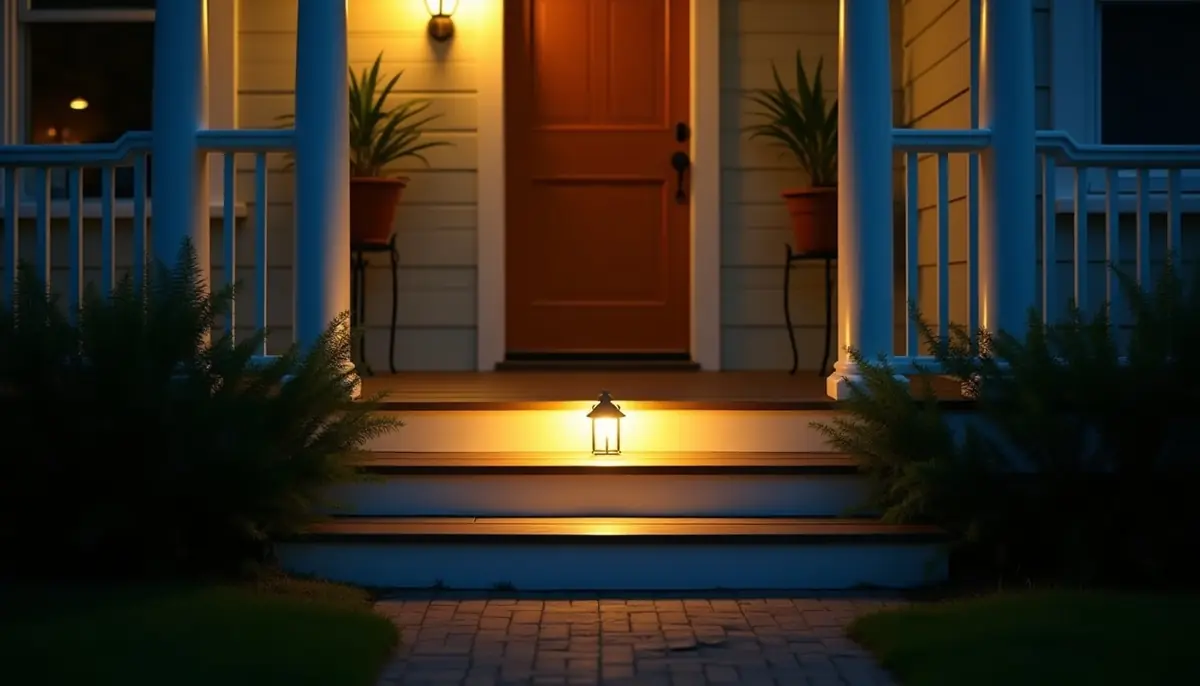
Light: the biggest single attraction
Michael Merchant, the Texas A&M AgriLife urban entomologist who wrote the extension service’s fall cricket guide, puts it bluntly: outdoor lighting is the most important single cause of severe cricket infestations around homes and commercial buildings. His guidance goes further than most pest pages do. It says that when crickets are drawn to lighted buildings at night, they will continue to cause problems regardless of the amounts of insecticide used.
That is why the first step in every extension cricket programme is the light switch, not the spray can. Texas A&M advises turning off outdoor lights as early as practical during the swarming season, switching off unnecessary floodlights and restricting other lighting to a few hours a night. Light spilling from windows counts as well: University of Maryland Extension suggests window coverings alongside yellow bug lights.
Which bulbs attract crickets least
| Light type | Texas A&M guidance |
|---|---|
| Low-pressure sodium vapour | Less attractive to crickets |
| Yellow incandescent “bug light” | Less attractive to crickets |
| Standard incandescent | Attractive, avoid during swarms |
| Fluorescent | Attractive, avoid during swarms |
| Mercury vapour | Attractive, avoid during swarms |
| Halogen | Attractive, avoid during swarms |
The Texas guide does not rate LED bulbs. The reliable rule is the one it gives for every light type: fewer hours on, and the fewest fixtures near doors. The physics of why night insects fly to lamps at all is covered in our explainer on why moths are attracted to light; crickets respond to the same lamps, which is why the worst swarms gather at petrol stations, car dealerships and shopfronts that stay lit all night, as Texas A&M entomologist Wizzie Brown has pointed out.
Why are there so many crickets in my house this year?
Field crickets in most of the US spend winter as eggs in the soil, hatch in spring and take about three months to reach adulthood, according to both Texas A&M and the University of Arizona. Outbreaks happen when huge numbers of nymphs finish growing at the same time and set off on night-time mating flights. Merchant notes the largest outbreaks follow dry springs and summers, and that numbers appear highest in August and September when a summer drought is broken by rainfall and cooler weather.
Cooling matters as much as rain. Brown explains that crickets do not like heat, and the first cool fronts of late summer make them more mobile. Heading into autumn, they are also looking for warmth and shelter, which UF/IFAS identifies as the point when most indoor problems start: evenings become cooler and the insects seek buildings.
The good news is that a swarm is self-limiting. Texas A&M says the heaviest mating flights usually last only one to two weeks, although crickets stay active for many weeks until cold weather arrives. Brown gives a swarming window of four to six weeks before numbers decline. In the warmest parts of Texas there can be more than one generation a year, which is one reason the state features heavily in our guide to common house bugs in Texas.
When crickets show up: what the iNaturalist records say
To check the timing nationally, we looked at research-grade iNaturalist records for the true cricket family (Gryllidae, which includes field and house crickets), camel crickets (Rhaphidophoridae) and the house cricket on its own. The index below shows each group’s share of everything people recorded that month, scaled so the yearly average is 100, which removes the effect of more people being outdoors in summer.
The pattern matches the extension guidance closely. True crickets sit below their average share from January to July, jump to 129 in August, peak at 227 in September and stay high at 214 in October before falling back. Camel crickets peak later: 172 in October and 250 in November, when cold weather pushes them towards sheltered spots where people find them. The house cricket’s index is spiky, peaking at 158 in October and 144 in February, but it rests on only 413 US records in total, so treat it as a hint rather than a measurement.
These are records of where and when people photographed crickets, mostly outdoors. They show when crickets are noticed, not how many homes are infested. In our state data from an earlier batch, camel crickets ranked far higher in Pennsylvania (466 records) than in Texas (52) or Florida (1), which fits their preference for cool, damp basements in the Northeast.
Warmth, moisture and shelter
Warmth
The house cricket is, in Maryland Extension’s words, especially fond of warmth. Washington State University describes house crickets hiding by day in warm, dark locations and coming out at night, when they make their presence known by chirping. Kitchens, laundry rooms, water heater closets and the space behind a fridge are the usual spots.
Moisture
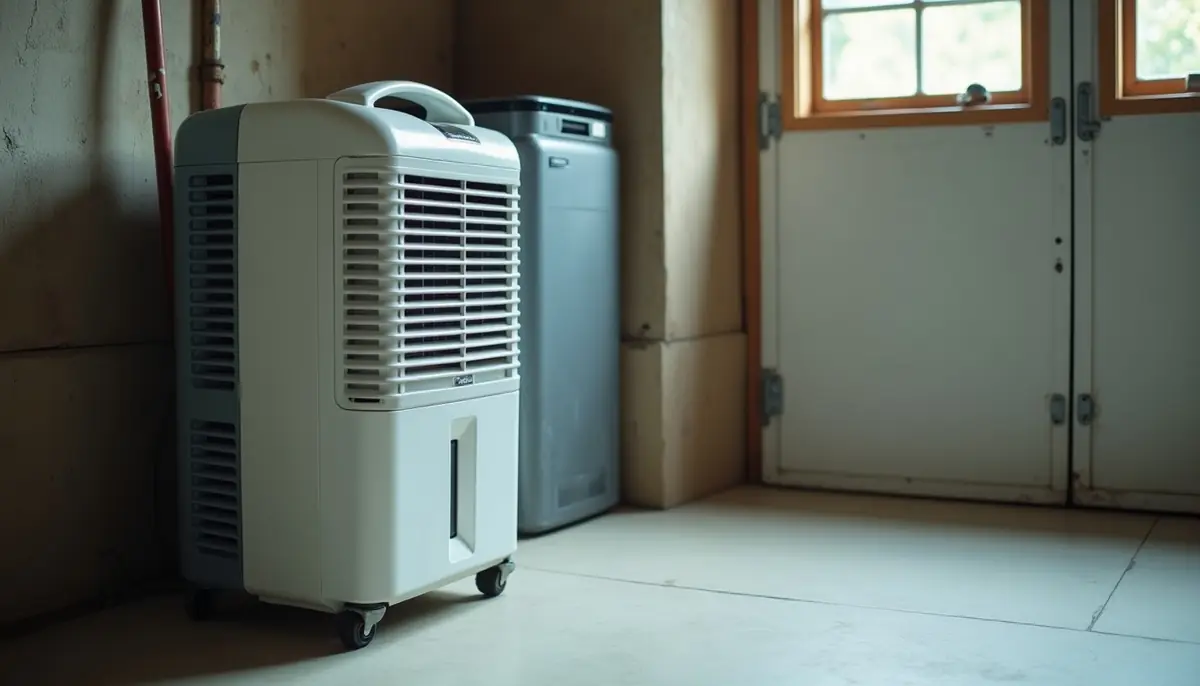
Camel crickets are the moisture specialists. Maryland Extension says their desire for dark moist places almost always restricts them to damp basements. That is why a dehumidifier helps with camel crickets in a way it rarely does for field crickets. Our article on bugs in the basement explains what else damp lower floors tend to collect.
Shelter outside the walls
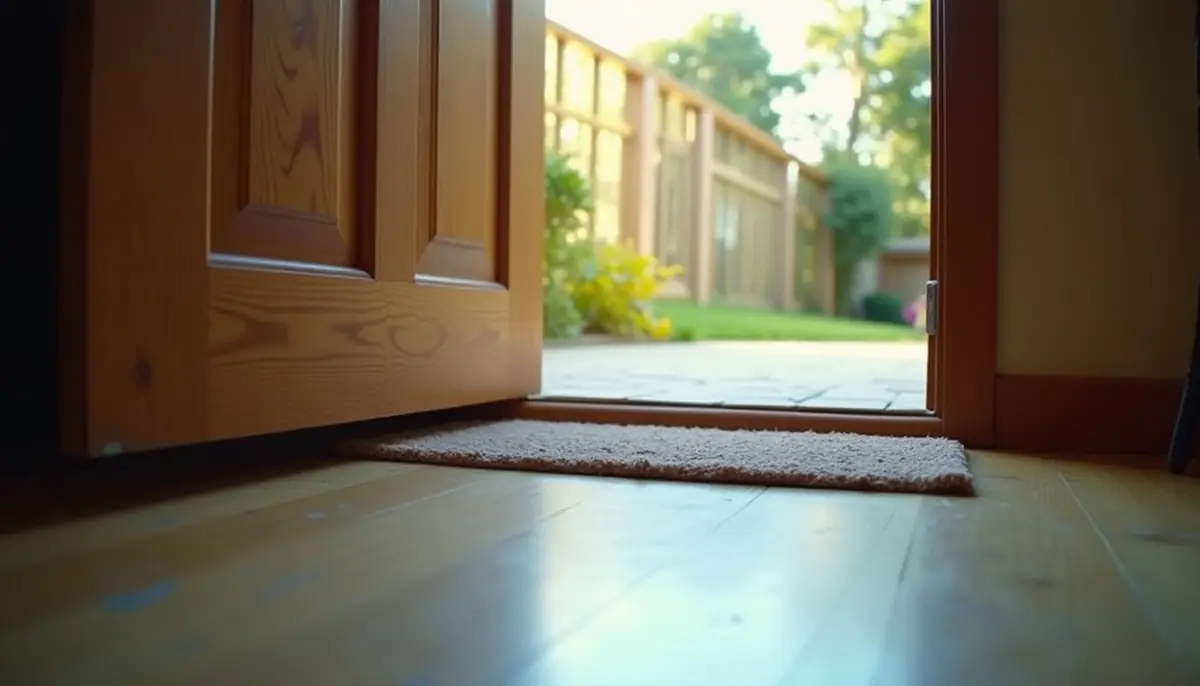
Crickets reach the house from cover beside it. Maryland Extension advises trimming vegetation within 18 inches of the foundation, removing debris piles and raising garbage cans off the ground. Arizona’s extension guide adds checking potted plants brought indoors, and keeping doors, including screen and garage doors, tight-fitting and closed at night.
Food: what crickets eat once inside
Arizona extension describes house crickets coming out at night to feed on crumbs, pet food and plant debris. Fabric is the damage people notice. Maryland lists wool, silk, nylon, rayon, cotton, linen, furs and rubber, adding that fabrics are much more liable to attack if soiled with body oils, perspiration or food stains. Texas A&M notes field crickets do not normally feed on fabric but may damage soiled clothing, and can stain fabric with droppings. When numbers are very high, Washington State adds that dead crickets create odour problems.
The reassuring part: Arizona states plainly that crickets do not bite or carry diseases, and Maryland describes damage as typically minor unless an infestation is severe.
Do crickets breed in the house?
Usually not. Arizona extension says house crickets are the only type of cricket that may live and produce young indoors. Field crickets invade in search of hiding places but do not produce young indoors, and Texas A&M agrees they do not establish permanent indoor infestations. So a September flood of black field crickets will fade with the cold. A steady chirping in midwinter is more likely a house cricket, or something else entirely.
How to get rid of cricket noise at night
Only males chirp, by rubbing a scraper at the base of one front wing along a file-like ridge on the other. A few practical steps:
- Check it is a cricket. Washington State University advises confirming the chirping is not a smoke or carbon monoxide alarm with a low battery. It happens more often than you would think.
- Locate it by sound. Move towards the sound slowly and check warm, dark spots first, since that is where Washington State says house crickets hide: behind appliances, along baseboards and near heaters.
- Remove it. Maryland Extension calls the vacuum cleaner one of the most effective and least toxic tools, and glue boards in room corners catch crickets you cannot find.
- Find the way in. Look for the gap that let it in, such as a worn door sweep, a torn screen or an open weep hole.
The chirp rate rises with temperature, which is the basis of the old cricket thermometer. Sources give slightly different versions: Maryland says count chirps for 15 seconds and add 40 for degrees Fahrenheit; Arizona says count for 13 seconds and add 40. Either gives a rough estimate. For other night-time sounds in the house, see our guide to bugs that make noise at night.
What keeps crickets away
- Lights off or swapped during August to October, the step every extension source puts first.
- Sealing. Texas A&M lists door thresholds, weep holes, soffits, windows and garage doors. It suggests steel or brass wool in brick weep holes, which keeps air moving, and door sweeps with nylon bristles or rubber seals.
- A clear strip around the foundation, free of mulch heaps, leaf litter, firewood and tall grass.
- Drier basements for camel crickets: a dehumidifier and fixed leaks.
- Clean, sealed storage for clothes, with soiled fabric washed first.
What kills crickets, and when spraying makes sense
Physical removal (vacuum, glue boards, swatter) handles most indoor crickets. Texas A&M treats insecticide baits and perimeter sprays as only a partial solution, to be used together with reduced outdoor lighting. Washington State does not recommend outdoor pesticide applications for crickets and suggests a professional for indoor problems. If you do use a product, Arizona’s advice is to choose one labelled for crickets and follow the label directions. Foggers are not a cricket fix. Commercial buildings with all-night lighting and heavy swarms are where a licensed professional usually earns the call-out.
Natural options and smells
The natural methods with extension backing are the mechanical ones above, plus encouraging predators: Arizona lists cats, lizards, birds and spiders. Arizona also mentions diatomaceous earth in wall voids and along routes crickets walk, with a dust mask during application. None of the extension guidance we read recommends a scent, oil or plant that repels crickets.
Is a cricket in the house good luck?
Folklore in many places treats a cricket on the hearth as a sign of good luck. That is a belief, not biology. Biologically, a cricket indoors is telling you about warmth, light and a gap in the door, and the useful response is to find that gap.
Frequently asked questions
How do I get rid of crickets?
Start with lighting: Texas A&M calls outdoor lights the most important single cause of severe cricket problems, so turn them off early or switch to yellow bug lights. Seal door thresholds, weep holes and garage doors, clear mulch and debris from the foundation and dry out damp basements. Vacuum or trap crickets already inside with glue boards. Insecticides are only a partial solution while lights keep drawing crickets in.
Why shouldn’t you kill crickets?
There is no harm in removing a cricket from the house, but crickets do not bite or carry diseases, according to University of Arizona extension, and outdoors they are food for birds, lizards and spiders. Killing the ones that come in also does nothing about the reason they came: lights, gaps and shelter. Field crickets do not breed indoors, so most will die off or leave once the weather turns cold.
What does it mean when there are lots of crickets?
Usually that a large hatch has matured at once. Texas A&M finds field cricket numbers peak in August and September, especially when a summer drought is broken by rain and cooler weather, and the heaviest mating flights usually last one to two weeks. Large numbers at your house specifically mean something is drawing them, most often outdoor lighting.
What smell does cricket hate?
There is no well-supported answer. None of the extension guides we read from Texas A&M, Maryland, Arizona, Florida or Washington State recommends a smell, essential oil or plant as a cricket repellent. The measures they do recommend are reducing outdoor lighting, sealing entry points, clearing debris near the foundation and removing crickets indoors by vacuum or glue board.
Do crickets lay eggs in your house?
Field crickets and camel crickets do not normally breed indoors. University of Arizona extension says house crickets are the only type that may live and produce young inside, and field crickets lay their eggs in soil outdoors in late summer and fall. A few crickets chirping indoors in autumn are almost always field crickets that wandered in and will not start a colony.
Sources
- Merchant, M. Cricket control in the fall, ENT-2003, Texas A&M AgriLife Extension Service, Insects in the City.
- Texas A&M AgriLife Today, Why crickets swarm in the fall, interview with Wizzie Brown, September 2024.
- University of Maryland Extension, Crickets (house, field and camel crickets).
- Bradley, L. and Gibson, R. Cricket Management, AZ1004, University of Arizona Cooperative Extension, 1998.
- Koehler, P. G., Pereira, R. M. and Bayer, B. E. House Cricket, ENY-230 (IG146), UF/IFAS Extension.
- Washington State University Pestsense, Crickets fact sheet.
- The Pest Control Brief analysis of iNaturalist research-grade records, pulled October 2026.