Are Mothballs Dangerous? Fumes, Pets and Off-Label Use
Yes, mothballs are dangerous when they are used anywhere other than a sealed container: they are almost pure pesticide that turns into vapour you breathe. Naphthalene, the active ingredient in some, can destroy red blood cells, especially in babies and people with G6PD deficiency, and US health agencies list it as a possible or reasonably anticipated human carcinogen. Swallowing one can seriously harm a small child or a pet. Used as the label says, in an airtight container of clothes, the exposure is far lower.
Most people who search this question have just found mothballs somewhere they should not be: scattered in an attic, under a sink, along a flower bed or in a bedroom closet. The short version is that every one of those uses breaks federal pesticide law, none of them reliably repels the animal it is aimed at, and all of them put the vapour where people and pets breathe it. This guide covers what is in mothballs, how much exposure matters, what the labels actually allow, and safer ways to protect clothes.
Naphthalene and paradichlorobenzene compared
The National Pesticide Information Center (NPIC) says mothballs are nearly 100 per cent active ingredient, and in the US that ingredient is either naphthalene or paradichlorobenzene (PDB). Camphor mothballs are sold in other countries.
| Naphthalene | Paradichlorobenzene (PDB) | |
|---|---|---|
| Main concern if breathed | Nose irritation, headaches, confusion, tiredness, dizziness; red blood cell damage reported | Eye and nose irritation, coughing, difficult breathing at very high levels; dizziness, headaches, liver problems at extremely high levels |
| Main concern if swallowed | Nausea, vomiting, abdominal pain, seizures, coma; destroys red blood cells, worst with G6PD deficiency | Mouth irritation, nausea, vomiting, headaches; balance problems and muscle weakness at larger doses |
| Cancer classification | DHHS: reasonably anticipated to be a human carcinogen. EPA: possible human carcinogen. IARC: possibly carcinogenic to humans | DHHS: may reasonably be anticipated to be a carcinogen; no direct evidence in humans |
| Toxicity to pets (Merck) | More toxic than PDB; anaemia, pale gums, breathing difficulty | Vomiting, lethargy, trembling |
| Active US registrations, Oct 2026 | 11 (3 of them animal repellents, none sold as mothballs) | 14 (all clothes moth, carpet beetle or manufacturing use) |
Health effects are from the ATSDR ToxFAQs for each chemical and the National Capital Poison Center; the registration counts are our own analysis of the EPA product database, explained below.
Are mothballs toxic to humans?
Yes, which is the point of them. NPIC puts it plainly: mothballs slowly turn from solids to toxic vapour, and when you smell mothballs, you are inhaling the insecticide. Inside a sealed chest the vapour builds to the level that kills clothes moth larvae. Out in a room it spreads into the air you breathe.
Red blood cells and G6PD deficiency
Naphthalene’s most serious effect is haemolysis, the destruction of red blood cells, which can lead to anaemia and kidney damage. The National Capital Poison Center notes that people with glucose-6-phosphate dehydrogenase (G6PD) deficiency are most likely to suffer it. That is not a rare group: MedlinePlus Genetics estimates 400 million people worldwide have G6PD deficiency, including about 1 in 10 African American males in the US.
A 2011 review in Current Topics in Toxicology by Sudakin and colleagues cites a case series in which 14 of 24 African American children with G6PD deficiency who were hospitalised with acute haemolytic anaemia had been exposed to naphthalene mothballs, often used for the fresh scent rather than against moths. The same review describes serious haemolytic anaemia in newborns after skin contact with diapers and blankets stored in mothballs.
Do mothballs cause cancer?
The honest answer is that it is not proven in people, but the agencies that assess it treat naphthalene as a likely risk. ATSDR’s 2025 ToxFAQs states that cancer in people has not been well studied, that animals breathing naphthalene long term developed nose and lung tumours, and that DHHS considers naphthalene reasonably anticipated to be a human carcinogen, the EPA a possible human carcinogen and IARC possibly carcinogenic to humans. For PDB, DHHS uses similar wording, with no direct evidence in humans and liver tumours in animals given very high doses.
Is it okay to breathe in the smell of mothballs?
It is best avoided. ATSDR’s naphthalene fact sheet notes that health effects may happen at air levels you cannot smell, so the absence of a strong smell is not reassurance, and a strong smell means you are breathing a pesticide. Short, faint exposure from opening a stored chest is very different from living with mothballs in an open closet or a bedroom. ATSDR advises that clothing or blankets stored with naphthalene be aired outdoors and washed before use.
Is it safe to sleep in a room with mothballs?
Not if the mothballs are loose in the room or an open closet. That is outside what the label allows, and it means hours of breathing the vapour. Remove them, seal them in a container and ask your local waste service how to dispose of them, open the windows, and wash fabrics that have absorbed the smell. Newborns and anyone with G6PD deficiency are the people to be most careful about. If someone develops headaches, nausea, dizziness, dark urine or unusual tiredness after exposure, call Poison Control at 1-800-222-1222 or see a doctor.
How long are mothballs toxic to humans?
For as long as any of the solid remains, because it keeps releasing vapour. NPIC says the time it takes a mothball to vaporise depends on how many are present, the air flow around them and the temperature, and that the fumes stick to fabrics, which need airing and washing to remove the odour. Removing the source is what ends the exposure. Outdoors, ATSDR notes that sunlight and moisture break naphthalene down quickly, removing half in under a day, but that applies to open air, not to a closed bedroom.
How much exposure to mothballs is dangerous?
There is no simple household threshold, which is why the labels require sealed containers. The clearest numbers are about swallowing: NPIC warns that one mothball can cause serious harm if eaten by a small child. The Sudakin review records 1,445 human exposure incidents to naphthalene repellents reported to US poison centres in 2008, most of them among children under six, and documents deaths after ingestion. For breathing, the risk rises with concentration, duration and the person’s sensitivity; there is no published “safe number of mothballs per room” for a home.
Are mothballs safe for pets?
No. The Merck Veterinary Manual ranks camphor as the most toxic mothball ingredient, then naphthalene, then PDB, and notes that cats are suspected to be more sensitive than other species. Naphthalene can cause haemolytic anaemia, pale gums and breathing difficulty in animals; PDB causes vomiting, lethargy and trembling. Merck describes a float test vets use when the ingredient is unknown: in a saturated salt solution of 3 tablespoons of salt in 4 ounces of tepid water, a naphthalene mothball floats and a PDB one sinks. If a pet has eaten one, call your vet straight away. Our guide to pet-safe pest control products covers safer options around animals.
What the labels actually allow: our analysis
We downloaded the EPA’s Pesticide Product Information System in October 2026 and pulled every product registration containing naphthalene or paradichlorobenzene, with the pests and sites listed for each.
Of 99 naphthalene registrations in the database, only 11 are active; for PDB, 14 of 354 are active. Most cancellations date from 1987 to 1991, when 64 of the 88 cancelled naphthalene registrations ended.
Every active mothball, moth flake, moth crystal and moth cake product lists only fabric pests (clothes moths and, for PDB products, carpet beetles; one label adds mildew) at sites such as airtight containers, garment bags, trunks and storage closets. Nine registrations are manufacturing or formulating products not sold to the public. The three naphthalene animal repellents are separate products with their own labels: one granule for snakes, rats and house mice around outdoor sites, and two for bats, squirrels, rabbits and similar animals in attics, wall voids or plant beds. No active PDB product lists any animal.
That matters because the EPA has answered this question directly. Asked whether people may use mothballs in attics, crawl spaces and gardens to repel skunks, raccoons and opossums, it replied that because mothball labels restrict use to “air-tight containers and storage closets”, applying them in those places violates federal law. It gave the same answer for mothballs placed along a fence line for cats. If a product’s label does not name the site, using it there is unlawful; our guide on how to read a pesticide label explains why the label is legally binding.
What does putting mothballs around your house do?
Mostly it releases pesticide vapour and leaves a poisoning hazard for children, pets and wildlife, while doing little to the animal you are aiming at. NPIC states that mothballs are not wildlife repellents and warns that outdoor use can contaminate plants, soil and water.
Mothballs for snakes
The evidence is poor. In a 1995 study for the Great Plains Wildlife Damage Control Workshop, Dennis Ferraro tested naphthalene, sulfur and a commercial combination of the two on 96 plains garter snakes and at 24 field locations; the chemicals did not produce significant avoidance, and he concluded their use should be discouraged. Snakes are kept away by removing cover and food, which our guide on how to keep snakes away covers.
Mothballs for mice, rats and squirrels
The University of California’s Robert Timm, writing in the standard wildlife damage handbook, says chemical repellents are seldom a practical solution to mouse infestations, and that substances such as mothballs may have at least temporary effects in enclosed areas at sufficient concentration but are not registered by the EPA as mouse repellents. A concentration high enough to bother mice in a living space is one you would be breathing too. Sealing gaps larger than a quarter of an inch is the method the same handbook leads with. Other popular scent remedies fare little better; see does peppermint oil repel mice.
What are mothballs used for, and safer ways to protect clothes
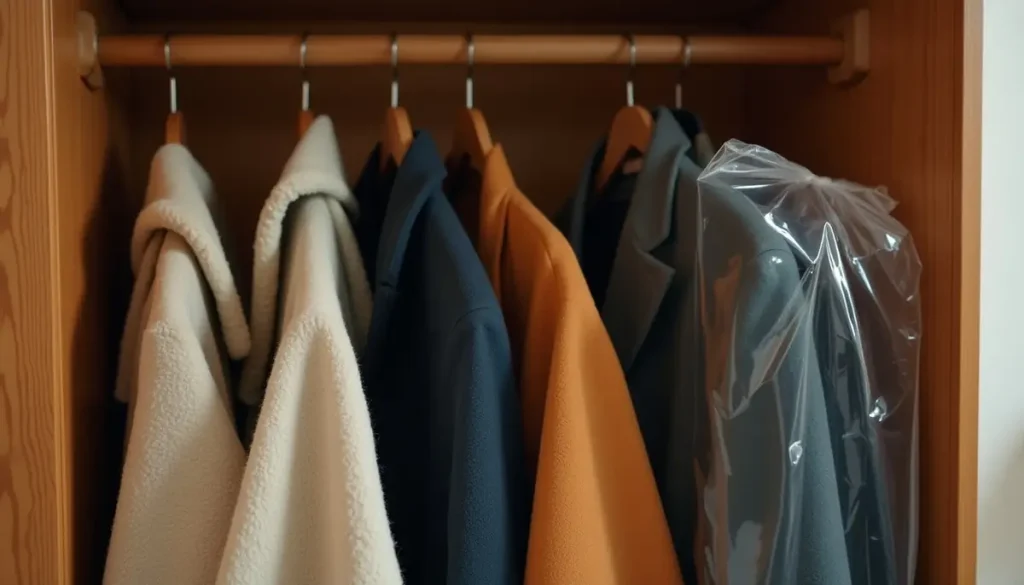
Their only legal household use is protecting stored fabrics from clothes moths and, for PDB, carpet beetles, inside a sealed container. UC IPM explains why the seal matters: the vapours build up to the required concentration only in an airtight container, and otherwise they only somewhat repel adult moths. If you use them, follow the label exactly, keep them away from children and pets, and never put them near food.
Most people do not need them at all. UC IPM’s clothes moth guidance offers alternatives that work:
- Clean before storing. Launder washable items for 20 to 30 minutes in water of at least 120°F, or dry clean them.
- Freeze infested items. Bag the item and freeze it for several days below 18°F.
- Store in sealed containers. Clean clothes in airtight boxes or bags are protected without any chemical.
- Vacuum closets and rugs, and empty the vacuum promptly, since the contents can include eggs and larvae.
- Do not rely on cedar. Aromatic red cedar oil can kill small larvae but not large ones, and loses the effect after several years.
For a heavy or recurring infestation in rugs, upholstery or a whole wardrobe, a professional treatment may be worth pricing; our moth extermination cost guide covers typical figures.
Frequently asked questions
Can mothballs kill humans?
Rarely, and almost always through swallowing. Toxicology reviews document deaths after people ate mothballs, and the National Capital Poison Center lists seizures and coma among the effects of swallowed naphthalene. NPIC warns that one mothball can seriously harm a small child. Breathing the vapour is a lower-dose exposure, but ATSDR notes it can cause symptoms, and red blood cell damage has been reported in exposed people.
What are the side effects of mothball exposure?
For naphthalene vapour, ATSDR lists nose irritation, decreased lung function, headaches, confusion, tiredness and dizziness, with red blood cell damage reported. For PDB, high levels can irritate the eyes and nose and cause coughing, difficult breathing and an upset stomach. Signs of haemolysis include pale or yellow skin and dark urine; anyone with these after exposure should see a doctor.
Are mothballs illegal?
No. Registered mothball products are legal to buy and use as the label directs, in airtight containers or storage closets with clothing. Using them anywhere else, such as attics, gardens, crawl spaces or along fences, is illegal under federal pesticide law according to the EPA. The EPA has also warned against unregistered imported mothballs packaged to look like candy; legal products carry an EPA registration number.
How do I get rid of the mothball smell?
Remove the source first: take out every mothball and seal it in a container, then ask your local waste service how to dispose of it. Then ventilate the room. ATSDR and NPIC both advise airing fabrics that were stored with mothballs and washing them before use, because the fumes cling to cloth. Do not mask the smell with air fresheners while the mothballs remain.
Sources
- National Pesticide Information Center (Oregon State University and EPA): Mothballs; Health Effects of Mothballs; Regulation, Proper Uses, and Alternatives; Chemical Properties and Environmental Fate.
- Agency for Toxic Substances and Disease Registry: ToxFAQs, Naphthalene, 1-Methylnaphthalene, and 2-Methylnaphthalene, April 2025; ToxFAQs, Dichlorobenzenes, August 2006.
- US EPA, Pesticide Labeling Questions and Answers (LC08-0190, LC09-0269 and LC09-0270).
- US EPA, Pesticide Product Information System (PPIS) product, formulation, pest and site files, downloaded October 2026.
- US EPA, EPA Warns Against Use of Mothballs that Look Like Candy, news release, November 2010; Avoid Illegal Household Pesticide Products.
- Sudakin, Stone and Power, Naphthalene Mothballs: Emerging and Recurring Issues and their Relevance to Environmental Health, Current Topics in Toxicology 7: 13 to 19, 2011.
- National Capital Poison Center (Poison Control), Taking your woolies out of mothballs.
- MedlinePlus Genetics, Glucose-6-phosphate dehydrogenase deficiency.
- Merck Veterinary Manual, Toxicosis from Mothballs in Animals (Katan), reviewed 2025.
- Ferraro, The Efficacy of Naphthalene and Sulfur Repellents to Cause Avoidance Behavior in the Plains Garter Snake, Great Plains Wildlife Damage Control Workshop Proceedings, 1995.
- Timm, House Mice, in Prevention and Control of Wildlife Damage, University of Nebraska Cooperative Extension, 1994.
- University of California Statewide IPM Program, Pest Notes: Clothes Moths, Publication 7435 (Choe), 2013.