How to Get Rid of Slugs: What the Trials Say Works
To get rid of slugs, take away their daytime shelter, water in the morning instead of the evening, and trap or handpick them after dark; if damage continues, scatter an iron phosphate bait thinly rather than reaching for metaldehyde. Baits alone do not give lasting control, UC IPM says, because slugs keep arriving while shelter and moisture remain. Copper tape, crushed eggshells, grit and wool pellets made no difference to lettuce damage in a 2018 Royal Horticultural Society trial, and coffee grounds have not been shown to work either. Metaldehyde pellets are a well documented cause of dog poisoning.
Most slug advice is a list of remedies with no sign of which were ever tested. Here they are sorted by what trials and extension services found, with our own iNaturalist analysis of when each slug is active.
What works against slugs, ranked by the evidence
| Method | What the evidence says | Verdict |
|---|---|---|
| Remove shelter (boards, stones, weeds, dense ground cover) | UC IPM calls this the first step; fewer hiding places means fewer survivors, and the rest gather where you can find them | Works, and makes everything else work |
| Water in the morning, or switch to drip | UC IPM, Colorado State and the RHS all advise it, so foliage and soil are dry by nightfall | Works, costs nothing |
| Handpicking at night | UC IPM: very effective if done thoroughly, daily at first, then weekly | Works |
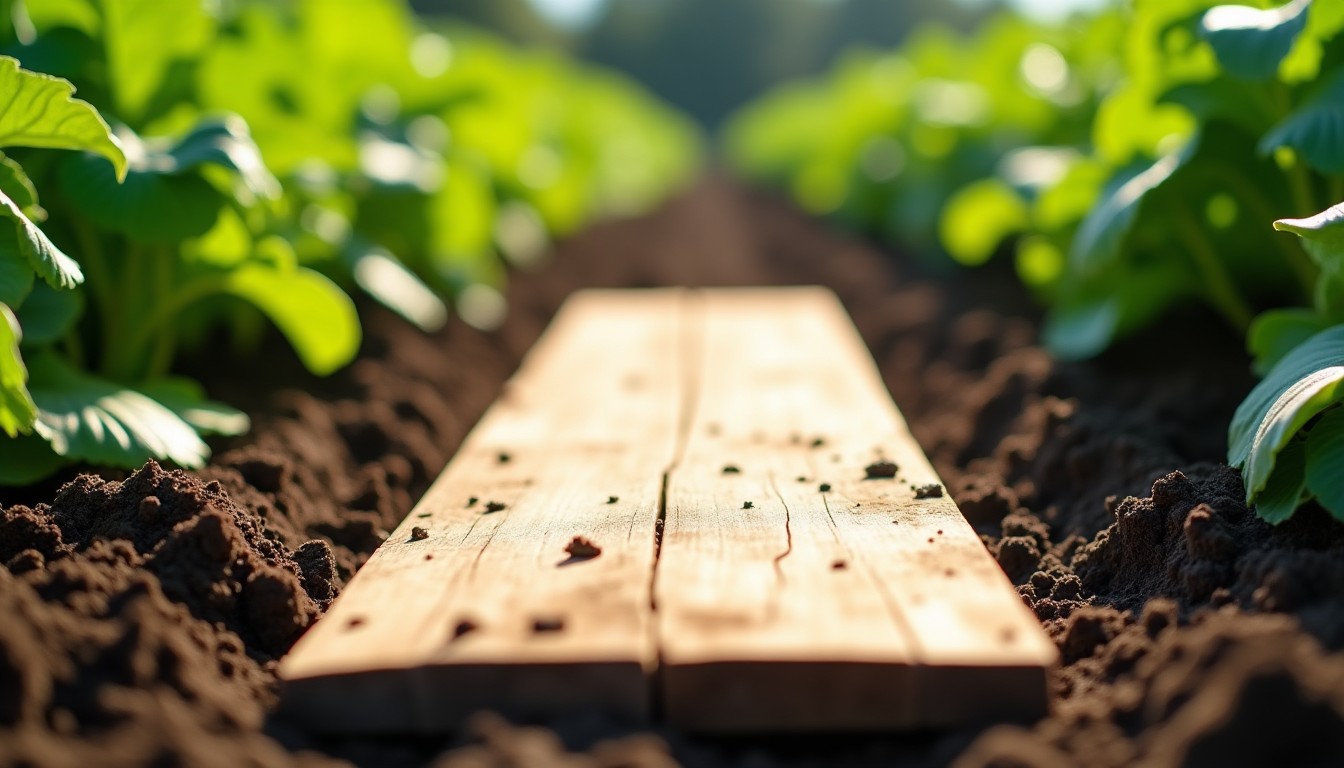
| Board traps | Boards on 1 inch runners; scrape off slugs daily | Works, cheap |
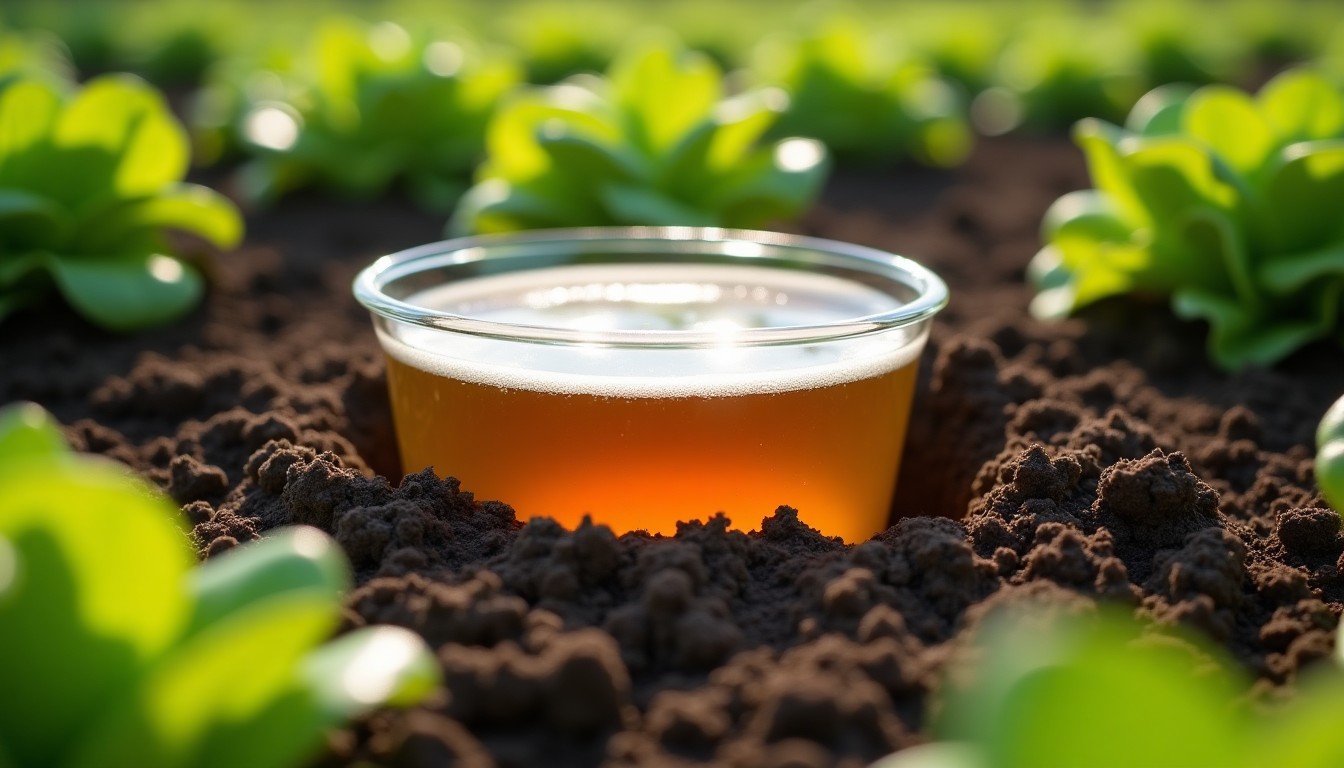
| Beer or yeast traps | Attract slugs from only a few feet away; need refilling every few days | Works on a small patch |
| Iron phosphate bait | Slugs stop feeding, then die within about a week; lower risk to pets, though not risk-free | Best bait choice for most gardens |
| Ferric sodium EDTA bait | Kills in about three days rather than seven | Effective; higher risk to dogs than plain iron phosphate |
| Metaldehyde bait | Fast, but particularly poisonous to dogs and cats; breaks down in sun and rain | Avoid where pets roam |
| Copper tape or flashing | Repels in some studies; no effect in the RHS garden trial | Mixed; best as a tall band on raised beds |
| Eggshells, grit, bark, wool pellets | No difference in damage in the RHS trial | Does not work |
| Coffee grounds | UC IPM: not shown to be effective | Does not work as sold |
| Diatomaceous earth | Works only while dry; loses effect once damp | Rarely practical |
| Salt | Kills slugs it touches but raises soil salinity | Do not use on beds |
The methods that work are the boring ones that change the garden. Slugs are not insects, and Colorado State Extension notes they are not susceptible to most insecticides, so a general garden spray will not fix them.
What causes a slug infestation?
Moisture and shelter, almost every time. Colorado State Extension says the level of a slug population depends on the moisture conditions in a garden. The usual causes are:
- Evening watering. It hands slugs a wet surface for their whole active period.
- Organic mulch, dense ground cover and low leaves touching the soil. UC IPM lists boards, stones, weedy trunks, low branches and ivy as ideal shelter.
- Permanent damp hiding places you cannot remove: fence ledges, the underside of decks and water meter boxes.
- Tender plants. UC IPM names seedlings, lettuce, basil, beans, hosta, dahlia and strawberries.
- A mild, wet season. Slugs lay their eggs in the wetter months of spring and autumn, according to the University of Maryland, so a damp spring is followed by more young slugs.
Slugs breed quickly. UC IPM says they mature in about 3 to 6 months and lay eggs in batches of 3 to 40; Maryland Extension gives up to 200 eggs per slug.
Which slugs are eating the garden
Oregon State University names the gray field slug, also called the gray garden slug or milky slug (Deroceras reticulatum), as the most abundant and damaging species in its surveys. It grows to about 2 inches and its mucus turns milky when touched. Roundback slugs (Arion) are a second group.
The big spotted one is the leopard slug, or great gray garden slug (Limax maximus), at about 4 inches. Oregon State notes it is predatory on other slugs, which is one reason not to treat every slug as the enemy.
Species matters: Oregon State reports that field slugs are more susceptible to metaldehyde than roundback slugs. Slug damage can look like caterpillar or earwig feeding; the UC IPM test is the silvery slime trail.
When slugs are active: what the iNaturalist records show
We measured each slug group’s share of all US research-grade iNaturalist records month by month. An index of 200 means twice its usual share.
Leopard and roundback slugs peak in late summer, at 202 and 193 in September. The gray field slug runs the other way: its index is highest in February (199) and January (185) and falls to 17 in July. That fits Oregon State’s finding that slugs are most active between 50 and 60°F. The practical point: the small gray slug that wrecks spring seedlings is active in the cool, wet months, so protection has to start before planting out. These are records of when people photographed slugs, mostly outdoors, so they show activity, not garden damage.
How to get rid of slugs, step by step
- Confirm it is slugs. Go out after dark with a torch, or look for slime trails in the morning.
- Remove shelter near vulnerable plants. Lift boards, stones and leaf piles, pull weeds and trim leaves touching the soil. Colorado State advises avoiding straw and grass clipping mulches.
- Move watering to the morning. UC IPM recommends irrigating near sunrise or switching to drip so surfaces dry before dark.
- Trap and collect. Lay boards raised on 1 inch runners (UC IPM suggests 12 by 15 inches) and scrape off the slugs every morning. Moistened newspaper works too.
- Handpick at night, daily at first, then weekly once numbers fall, UC IPM advises.
- Protect seedlings until they toughen up. The RHS suggests planting out sturdier pot-grown transplants rather than tiny seedlings, with a cloche over them if needed.
- Bait only if damage continues, and only with a product you have read the label for. Scatter it thinly; never pile it.
Beer traps: what they can and cannot do
Beer traps work, within limits. UC IPM says they attract slugs from only a few feet away and need topping up every few days; traps need deep sides and a lid. Fermentation is the lure, not alcohol: Colorado State states that alcohol is not an attractant, and sugar-water with yeast works too. Good for one lettuce bed, not a whole yard.
Slugs outside the house, on patios and steps
Slugs on a patio or foundation wall are usually sheltering nearby. UC IPM names fence ledges, deck undersides and water meter boxes as shelters to trap regularly. Clear leaf litter and pots from against the house and keep the ground beside the foundation as dry as you can.
What will keep slugs away?
Dry ground and less shelter keep slugs away more reliably than any product. Barriers are where the evidence gets thin.
Copper. UC IPM recommends a strip at least 2 inches tall with 1 to 2 inches buried, cleaned with vinegar when tarnished. The RHS notes some studies show copper repels slugs, but its own garden-realistic trial found no reduction in damage. A proper band round a raised bed may help; a thin strip of tape on a pot is unlikely to.
The RHS barrier trial. In 2018, RHS entomologist Hayley Jones grew 108 lettuces in nine patio pots and nine raised beds and ringed them with crushed eggshells, pine bark mulch, copper tape, sharp horticultural grit or wool pellets. After six weeks there was no difference in damage between protected and unprotected lettuces. The RHS’s explanation is that a slug’s thick mucus lets it glide over rough surfaces.
Coffee grounds. UC IPM states that crushed eggshells or coffee grounds have not been shown to be effective deterrents. The idea comes from real research: a 2002 USDA study published in Nature found that a 2 per cent caffeine solution killed or repelled slugs and snails. That is far stronger than coffee; brewed coffee is roughly 0.05 to 0.1 per cent caffeine, and spent grounds hold less. Oregon State Extension does suggest diluted brewed coffee as a slug drench, so sources differ, but expect a weaker effect than the trial, and OSU warns that too many fresh grounds can slow seed germination.
Resistant plants. UC IPM lists lavender, rosemary, sage, nasturtium, lantana, ferns and hydrangea as less attractive to slugs. Put them where slugs are worst.
Slug pellets and pets
Metaldehyde is the active ingredient in over 80 per cent of slug and snail baits worldwide, according to the Merck Veterinary Manual, and most poisoning reports involve dogs and cats. Signs in dogs, including severe tremors and high temperature, usually start 30 minutes to 6 hours after eating it, and pellets can resemble dog food. Oregon State calls it a leading cause of accidental dog poisoning in the Pacific Northwest. If you have a dog, leave it on the shelf.
Iron phosphate is much less toxic to dogs, says the National Pesticide Information Center, but it is not harmless: NPIC notes that products sold as “pet safe” can still be toxic, and advises keeping pets away from any bait. Ferric sodium EDTA baits kill slugs faster, in about three days according to UC IPM, and that speed comes with more risk to dogs. A 2025 study of Australian veterinary hospital records found 61 dogs treated after eating iron EDTA products, 60 of them slug and snail baits, and 51 were treated as inpatients; most recovered with prompt care. If a pet eats any bait, contact a vet or the animal poison control line listed by NPIC (888-426-4435) straight away. Our guide to pet-safe pest control products covers how to read these claims.
Not all extension services rate iron phosphate equally. Colorado State says the data suggest it is generally comparable to metaldehyde in effectiveness; the University of Georgia, writing about blueberry fields, calls its efficacy questionable and metaldehyde the most effective. Expect slower, less visible results: iron-poisoned slugs crawl away to die, so you will not see bodies, and success shows as fewer live slugs and less damage.
For any bait, UC IPM advises applying in the evening on warm nights and scattering pellets near, not on, plants; never pile it. Follow the label (see how to read a pesticide label).
Salt, nematodes and diatomaceous earth
Salt kills a slug it touches, but UC IPM says not to use it because it increases soil salinity. A bucket of soapy water is the cleaner option.
British guides recommend a slug-killing nematode. Oregon State states that no commercially available biological control agent currently exists in the United States for pest slugs. Ground beetles, toads, birds and the leopard slug are the biological control US gardeners have.
Diatomaceous earth gets similar billing. UC IPM says a dry band can be effective but loses effect once damp, which in a slug garden is most of the time; we look at the wider evidence in our diatomaceous earth review.
When to get help
Slugs are a DIY job in nearly every case. Pest control companies generally will not treat vegetable beds, for label reasons explained in why a pest control company will not spray your tomatoes. Soft growth that draws slugs can also carry aphids (see how to get rid of aphids), and if shoots vanish overnight with no slime, read how to get rid of rabbits in the garden. More evidence on home remedies is in our natural pest control review.
Frequently asked questions
How do you get rid of slugs permanently?
You cannot remove slugs permanently, and the RHS says they cannot and should not be eradicated. What lasts is changing the conditions: fewer daytime hiding places, morning instead of evening watering, drier mulch, and less attractive plants where slugs are worst. Combine that with board traps and night handpicking for a few weeks and damage usually drops to a level you can live with. Baits alone do not give long-term control.
Why shouldn’t you kill slugs?
Most slug species eat rotting leaves, dung and dead animals rather than live plants, so they help recycle garden waste, and the RHS says only a few species feed on living plants. Slugs are also food for birds, toads, frogs and ground beetles. The leopard slug even preys on other slugs. Targeting the few species and plants causing damage protects the garden without wiping out the useful ones.
Do coffee grounds deter slugs?
Not reliably. UC IPM states that coffee grounds and crushed eggshells have not been shown to be effective deterrents. A 2002 USDA study did find that a 2 per cent caffeine solution killed or repelled slugs, but brewed coffee contains only around 0.05 to 0.1 per cent caffeine, and used grounds less. Coffee grounds are better added to compost than relied on to protect seedlings.
Are slug pellets safe for pets?
Metaldehyde pellets are not. The Merck Veterinary Manual says most metaldehyde poisoning reports involve dogs and cats, with signs starting 30 minutes to 6 hours after eating it. Iron phosphate baits are much less toxic to dogs, according to the National Pesticide Information Center, but can still harm a pet that eats enough, especially products containing EDTA. Scatter any bait thinly, keep pets off treated areas and call a vet if a pet eats bait.
Does salt kill slugs?
Yes, salt kills a slug on contact, but extension services advise against using it. UC IPM says salt increases soil salinity, and Colorado State warns that excess salt harms plant health. On a path it is less harmful than on a bed, but dropping collected slugs into soapy water does the same job without damaging the soil you are trying to grow in.
Sources
- University of California Statewide IPM Program, Pest Notes: Snails and Slugs, UC ANR Publication 7427 (Wilen and Flint), updated 2018.
- Colorado State University Extension, Slugs, fact sheet 5.515.
- Oregon State University Extension, EM 9912, Identification and Management of Pest Slugs in Oregon Grass and Legume Seed Crops.
- Oregon State University, Nursery Pests: Great Gray Garden Slug, Tiger Slug, Spotted Leopard Slug.
- University of Maryland Extension, Slugs and Snails: Vegetables.
- University of Georgia Integrated Pest Management, Management of Slugs in Blueberries, 2020.
- Royal Horticultural Society, How to stop slugs and snails: what works? (Gastropod Barriers trial, Hayley Jones), 2018; and RHS, Slugs and snails.
- Oregon State University Extension, Coffee grounds boost soil health, and help control slugs (Linda Brewer).
- Hollingsworth, Armstrong and Campbell, Caffeine as a repellent for slugs and snails, Nature 417: 915 to 916, 2002; USDA Agricultural Research Service news release, June 2002; Science News, Slugging It Out with Caffeine, 2002.
- Merck Veterinary Manual, Metaldehyde Poisoning in Animals (Puschner), reviewed 2026.
- Iron EDTA ingestion and toxicosis in 61 dogs: a multicenter retrospective study of Australian hospital records, Frontiers in Veterinary Science, 2025.
- National Pesticide Information Center, Oregon State University, Are snail and slug baits toxic to my dog?
- The Pest Control Brief analysis of iNaturalist research-grade records, pulled October 2026.