How to Get Rid of Rabbits in the Garden Without Poison
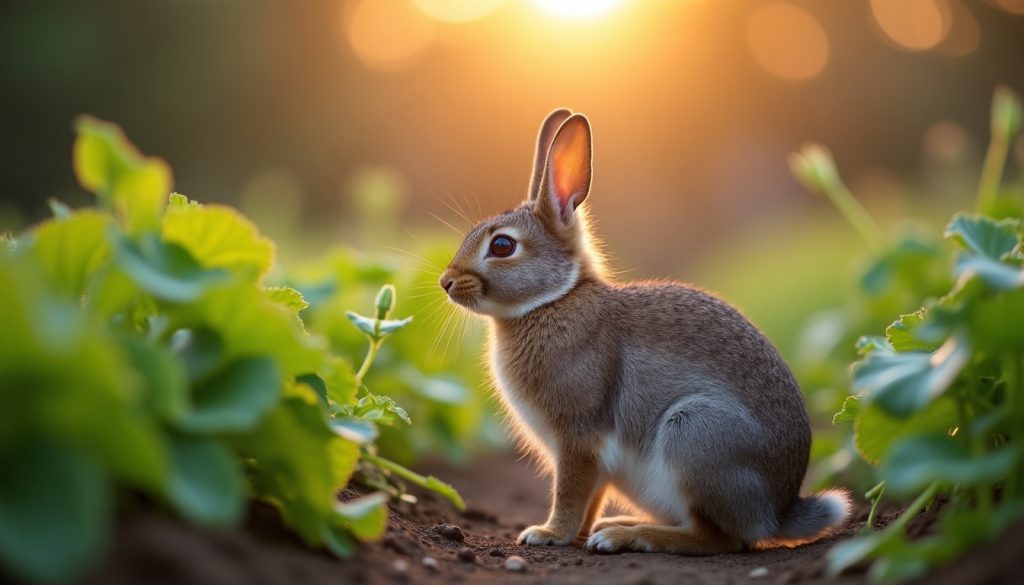
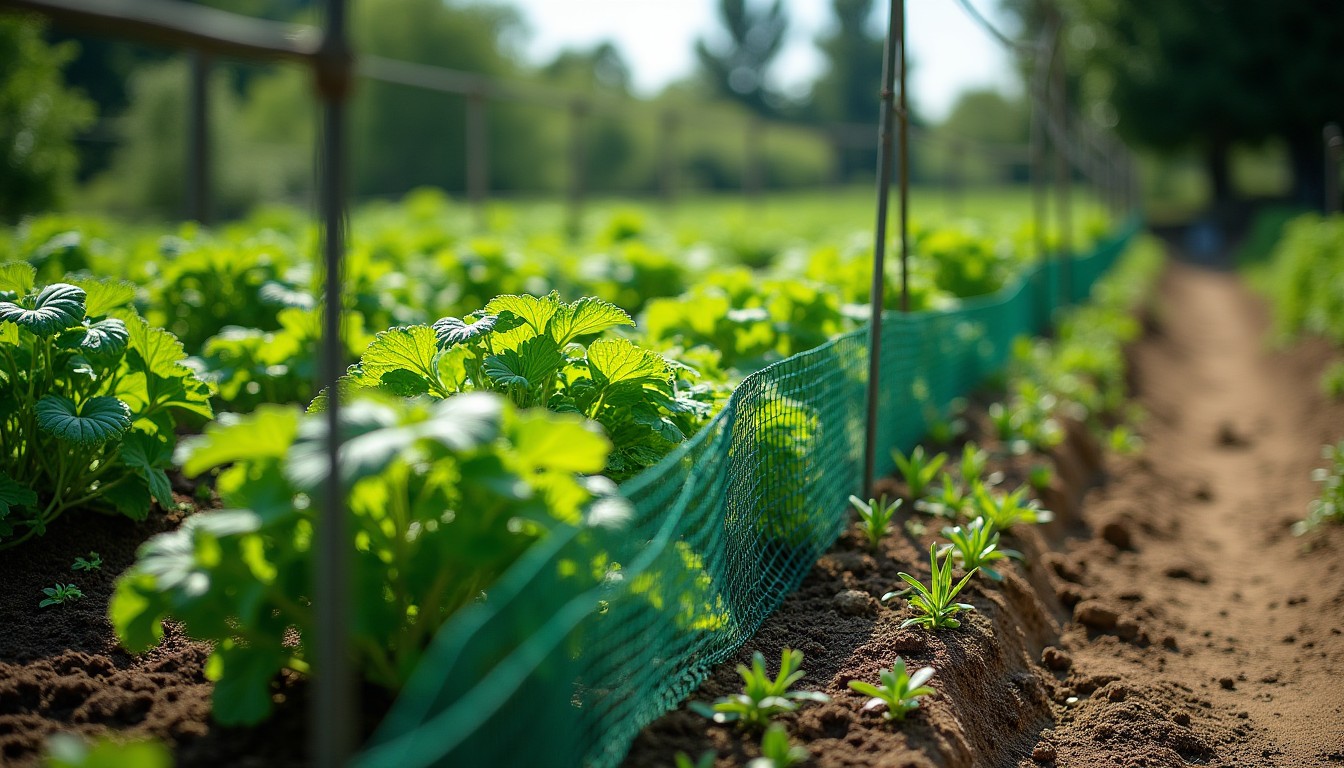
The reliable way to get rid of rabbits in a garden is to fence them out with 2-foot chicken wire of 1-inch mesh or smaller, pinned tight to the ground or buried a few inches. Penn State calls exclusion the most effective control and the only one that works where rabbits are numerous. Repellents help for a while but need reapplying after rain and new growth. No poisons are registered for rabbits, and trapping only works alongside a fence, because neighbouring rabbits move into the gap.
Eastern cottontails are the garden rabbit across most of the US. They breed fast, live on a few acres or less, and switch from tender spring shoots to tree bark in winter. That gives every garden two problems: seedlings and flowers in spring and summer, and girdled young trees after snow. The fixes are different, and both are cheap if done before the damage.
What works against rabbits, ranked
| Method | Verdict | Extension evidence |
|---|---|---|
| Chicken wire fence, 2 ft, 1 in mesh | Best, long term | Penn State and Iowa State: most effective way to prevent garden damage |
| Hardware cloth tree guards | Best for winter | Quarter-inch mesh cylinders stop bark girdling |
| Removing brush, junk and tall weeds | Helps | Takes away cover rabbits need near the garden |
| Taste and odour repellents | Short-term | Variable; reapply after rain, irrigation and new growth |
| Live trapping | Temporary | Others move in unless the area is also fenced; state rules apply |
| Rabbit-resistant plants | Partial | Seldom eaten, never guaranteed, and unreliable in hard winters |
| Owl and snake decoys, spinners | Weak | Range of a few feet; rabbits get used to them |
| Feeding rabbits elsewhere | Not advised | Nebraska: may attract more rabbits |
| Poison | Not an option | No toxicants or fumigants are registered for rabbits |
Is it rabbits? Reading the damage
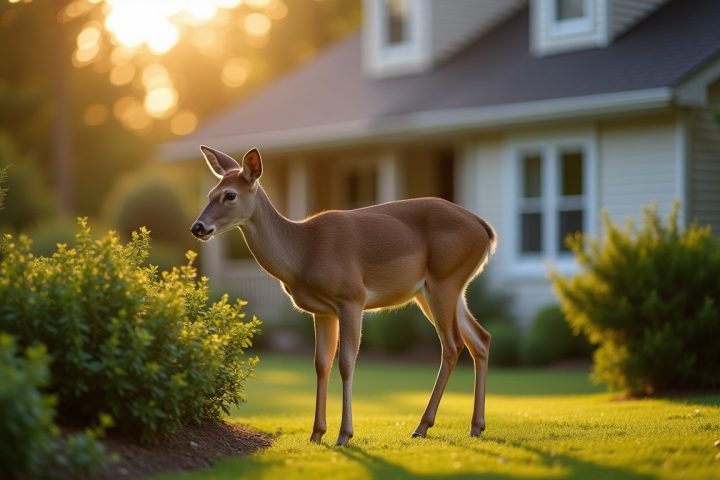
Several animals clip garden plants, and the cut tells you which. Nebraska extension describes rabbits nipping pencil-sized stems cleanly at a 45-degree angle, while deer leave a jagged, torn edge on stems that size or larger. Iowa State likens rabbit damage to a scissor cut.
| Animal | What the damage looks like | Other clues |
|---|---|---|
| Cottontail rabbit | Clean, angled, knife-like cut; bark gnawed in patches | Pea-sized round droppings; damage mostly within 2.5 ft of the ground |
| Deer | Jagged, torn edge on stems | Torn stems pencil-sized or larger |
| Woodchuck | Cucumbers, squash, potatoes, tomatoes and corn eaten | Penn State notes rabbits tend to leave these crops alone |
| Vole | Bark gnawed on woody plants in winter | Much narrower tooth marks than a rabbit’s |
| Birds | Plants shredded | Small pieces left on the ground |
If the damage is high on shrubs and looks torn, our guide to keeping deer out of the yard covers fencing heights and repellents for deer. If seedlings vanish overnight in wet weather and you find slime trails, read our slug guide instead.
How to build a rabbit-proof garden fence
Three extension services give close to the same specification, with small differences at the base:
- Height: 2 feet for cottontails, 3 feet where jackrabbits are the problem (Nebraska). Build higher where deep snow is expected, because rabbits stand on it.
- Mesh: 1 inch or smaller, so young rabbits cannot squeeze through. Iowa State also accepts quarter-inch hardware cloth.
- The bottom edge: Iowa State says pin it tight with U-shaped landscape pins or bury the bottom 1 to 2 inches; Penn State says tight to the ground or buried a few inches; Nebraska says bury about 4 inches and flare the buried part outward, which matters most against jackrabbits. Where rabbits dig, use the deeper option.
- Existing fences: add small mesh to the lower 1.5 to 2 feet of a welded wire, chain link or hog wire fence. Nebraska notes 1 by 2 inch welded mesh excludes young rabbits, while 2 by 3 inch mesh or chain link stops only adults.
- Large plots: a two-strand electric fence with wires at 3 to 4 inches and 8 to 12 inches above the ground (Nebraska). Check local rules first.
It need not be expensive. Nebraska priced a 2-foot poultry netting fence on fibreglass rods around a 25 by 50 foot garden at $168.37 at 2010 prices, and suggests taking it down each fall to make it last. Close off the space under sheds and decks with quarter-inch mesh too, so rabbits are not living a few yards from the beds.
How to keep rabbits out of the garden without a fence
For a few plants, a dome or cage of chicken wire over a bed lets tulips and seedlings get started before you remove it (Penn State). Nebraska suggests light frames of fibreglass or metal rods with plastic mesh shaped over flower beds. Motion-activated water sprayers and a dog confined to the garden can help in perennial beds, though Nebraska warns that frightening devices usually protect only a few feet, and only briefly.
Winter: protecting trees and shrubs from girdling
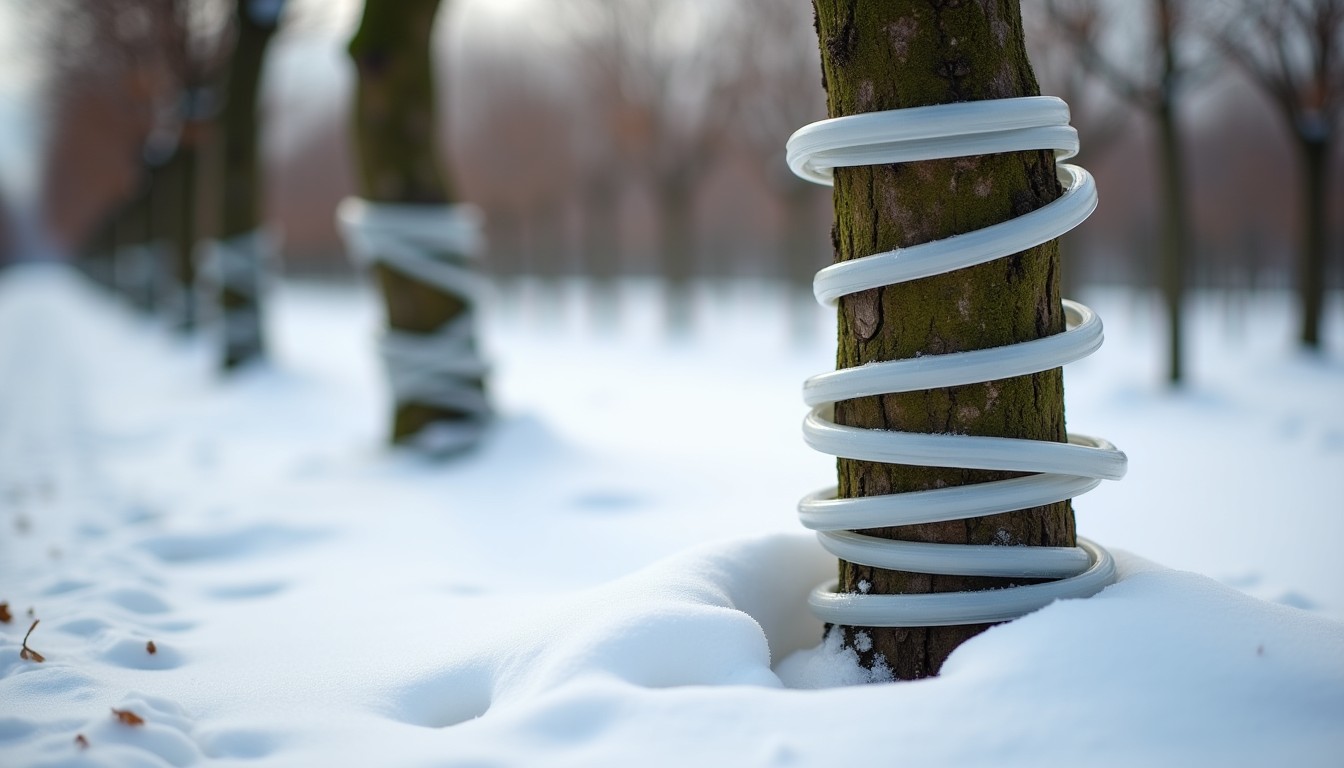
When snow covers other food, cottontails eat the green inner bark of young trees and shrubs. Iowa State lists crabapple, apple, pear, redbud, honeylocust, serviceberry, burning bush, flowering quince, barberry, roses, raspberries and small pines among the favourites. Smooth, thin bark is the attraction, which is why young plantings suffer most.
- Wrap trunks in cylinders of quarter-inch hardware cloth standing 1 to 2 inches out from the trunk (Penn State). Larger half to three-quarter-inch mesh works if the cylinder stands far enough out that rabbits cannot bite through the holes.
- Make guards taller than a rabbit can reach while standing on the expected snow. Penn State says rabbits commonly damage plants at 2 to 3 feet depending on snow depth; Iowa State suggests 24 to 36 inches in most cases.
- After heavy snow, check that rabbits cannot now reach over the guard, and shovel snow away if needed.
- Keep vegetation mowed 3 to 4 feet around newly planted trees. Nebraska notes some trees need protection for as long as 10 years.
If a trunk has already been girdled all the way round, Iowa State is clear that wound dressings, paints and wraps do not help, and replacement is usually the best course. Many deciduous shrubs regrow from the base: prune girdled stems just below the damage in early spring.
Rabbit repellents: what they are and how long they last
Repellents come in two types. Taste repellents, such as those containing capsaicin or the fungicide thiram, make treated plant parts unpalatable but do not protect new growth. Odour repellents, including ammonium soaps of fatty acids, egg solids, predator urine and garlic, work over a small area without touching the plant.
- Most rabbit repellents are not registered for plants grown for food, so check the label for edible crops. Penn State notes thiram products are skin irritants and are for ornamentals and dormant fruit trees.
- Penn State reports the bittering agent denatonium saccharide has proved less effective, with little evidence it repels mammals.
- Rain, irrigation, wind and new growth all cut protection, so reapply as the label directs.
- Nebraska rates the evidence for hanging bars of soap as weak. Penn State lists bags of human or dog hair as reported but untested.
- Do not use mothballs. Nebraska notes paradichlorobenzene is illegal for outdoor use and that naphthalene products raise safety concerns.
Repellents work best as a bridge: applied at the first sign of damage, combined with fencing where rabbits are abundant.
Plants rabbits do not eat, and the marigold myth
No plant is rabbit-proof, but Iowa State notes rabbits tend to avoid plants with strong aromas or dense, hairy leaves. Its lists, compiled from Midwest surveys, put marigolds firmly among the plants moderately to severely damaged, which is worth knowing before planting a marigold border as a rabbit barrier.
| Group | Seldom damaged | Often damaged |
|---|---|---|
| Annuals | Ageratum, wax begonia, vinca, cleome, geranium | Marigold, pansy, petunia, zinnia, snapdragon, cosmos |
| Perennials | Daylily, bee balm, Russian sage, lamb’s ear, peony, Siberian iris | Hosta, coneflower, phlox, black-eyed Susan, asters |
| Bulbs | Daffodil, ornamental onion, hyacinth | Tulip, crocus, lily, gladiolus |
| Edibles | Onion, tomato, potato, squash, mint, basil, rhubarb | Lettuce, beans, peas, beets, strawberry, spinach |
| Shrubs and trees | Boxwood, yew, butterfly bush, rhododendron, spruce | Apple, crabapple, roses, serviceberry, redbud, burning bush |
Nebraska adds that daffodils are poisonous to rabbits, making them a reliable swap for tulips. Nebraska warns that resistant plants cannot be relied on when winter conditions are severe and food is short.
Trapping, relocating and the law
Live trapping can thin rabbits locally, but Penn State is direct: trapping and removing rabbits is effective only if they are also excluded, because in suburbs rabbits are numerous and mobile enough to fill any empty habitat. If you trap, Nebraska advises a cage trap with a door at least 7 inches tall, trapping in winter and early spring when food is scarce, and covering half the trap from weather. Cold-weather baits include cabbage, ear corn and dried apples; warm-weather baits include carrots, lettuce and apples.
The legal side varies. Cottontails are game animals in Pennsylvania, where the Game Commission allows owners to trap or shoot rabbits damaging their property outside the season and requires traps to be checked every 24 hours. In Nebraska, moving a rabbit more than 100 yards is illegal. Check with your state wildlife agency and city before trapping, releasing or shooting.
Penn State also states that there are no toxicants or fumigants registered for use against rabbits and that poisoning rabbits is not recommended or legal.
When rabbits are most noticed: our data
We measured how cottontail records rise and fall through the year as a share of everything people record on iNaturalist, which removes the effect of more people being outdoors in summer.
Cottontail records climb from 97 in March to 141 in May and peak at 145 in June, then fall to a low of 64 in October. That matches the biology: Penn State reports first litters as early as late March, weaned at five weeks, and up to six litters a year averaging five young. The rabbits seen in June are the population that will be looking for bark in January, so fence and guard trees in autumn, before the first heavy snow. Nebraska adds that young rabbits are often hidden in fur-lined nests in lawns; leave nests alone, as the mother returns.
Dead rabbits in the garden
Since March 2020, rabbit hemorrhagic disease virus type 2 has spread to wild rabbits in at least 14 states, according to USDA APHIS. It kills rabbits and hares, often with no sign but sudden death, and is not known to affect people or other animals. Rabbits can also carry tularemia, which can infect people. Nebraska extension advises avoiding direct contact with rabbits found dead or acting abnormally. Report clusters of dead rabbits to your state wildlife agency, and speak to a doctor about any illness after handling a rabbit.
When to call a professional
Most rabbit problems are DIY: fence, guard trees and tidy cover. A wildlife control operator makes sense for a rabbit living under a shed or deck, where the animal must be removed before the opening is closed, or where local law requires a permit to trap. Our wildlife removal cost guide covers pricing. For insects and other garden pests, see our guide to garden pest control.
Frequently asked questions
What do rabbits absolutely hate?
No single smell reliably repels rabbits. Iowa State notes they tend to avoid plants with strong aromas or dense, hairy leaves, and Nebraska reports daffodils are poisonous to them. Registered odour repellents such as ammonium soaps, egg solids and predator urine discourage feeding for a while but need reapplying. What rabbits cannot beat is a 2-foot fence of 1-inch mesh pinned tight to the ground.
What kills rabbits in the garden?
Predators, mainly: Penn State lists hawks, owls, foxes, mink, weasels and snakes. Disease also kills wild rabbits, including rabbit hemorrhagic disease, now found in at least 14 states. No poison is an option, because there are no toxicants or fumigants registered for rabbits, and Penn State says poisoning them is not legal.
How to permanently get rid of rabbits?
Fencing is the closest thing to permanent. Penn State notes that, because of the cottontail’s breeding rate, no lethal control is effective for more than a limited time, and in suburbs other rabbits fill any empty habitat. Exclude them from the garden with 2-foot, 1-inch mesh fencing, guard young trees with hardware cloth, and remove brush piles and tall weeds nearby.
Will Dawn dish soap keep rabbits away?
There is no good evidence it does on its own. Nebraska extension mentions liquid dish soap only as a spreader-sticker, a teaspoon per gallon added to a commercial repellent to help it last, and rates hanging bars of soap as weak. The soap-based products registered as rabbit repellents use ammonium soaps of fatty acids, which work by odour and still need reapplying.
Sources
- Penn State Extension, Cottontail Rabbits (S.N. Thurston and M.C. Brittingham).
- University of Nebraska Lincoln Extension, Rabbits, NebGuide G2019, 2010 (Vantassel, Hygnstrom and Lusk).
- Iowa State University Extension and Outreach, Yard and Garden: How to Protect Gardens from Rabbits.
- Iowa State University Extension and Outreach, Yard and Garden: Susceptibility of Plants to Rabbit Damage, reviewed August 2022.
- USDA APHIS National Wildlife Disease Program, Rabbit Hemorrhagic Disease Virus Type 2.
- The Pest Control Brief analysis of iNaturalist research-grade records, pulled October 2026.