What Attracts Wasps, and Why They Get Worse in Late Summer
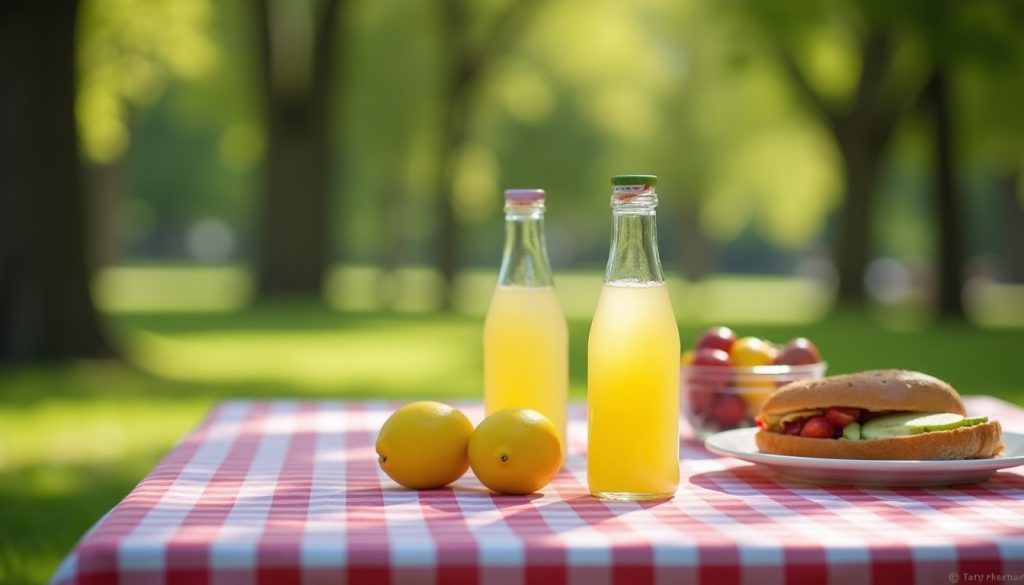
Wasps are attracted by food and by sheltered places to nest: protein such as insects and meat in spring and early summer, then sugar such as soda, fruit, juice and garbage from late summer into autumn. That switch explains why yellowjackets suddenly crowd picnics in August and September. Around a house, the main draws are open drinks and food, uncovered trash, fallen fruit, pet food left outside, and nest sites such as eaves, wall voids and old rodent burrows. Floral perfume and bright, flowery clothing can draw them to people too.
Most advice on this topic lists attractants without explaining the timing, which is the part that lets you predict a bad week. The colony’s needs change through the year, and what a wasp is hunting for on your patio changes with them.
What attracts wasps, month by month
| Season | What the colony needs | What attracts wasps | What you will notice |
|---|---|---|---|
| Late winter to spring (April to early May in Ohio) | A queen alone needs food and a nest site | Nectar, sheltered cavities, eaves, rodent burrows | Single large wasps investigating sheds, eaves and holes in the lawn |
| Spring to midsummer | Growing larvae need protein | Insects, meat, pet food, barbecue scraps | Wasps hunting caterpillars and flies; “meat bees” at grills |
| Late summer to autumn (August to October) | Colony stops growing; adults need sugar | Soda, juice, beer, fruit, fallen and overripe fruit, garbage | Persistent yellowjackets at picnics, bins and fruit trees |
| Onset of cold weather | Workers die; new queens seek shelter | Protected overwintering spots | Activity stops; nests are abandoned |
The UC Statewide IPM Program explains the switch directly: from spring to midsummer the larvae need large amounts of protein, so workers forage mainly for insects; by late summer the colonies grow more slowly or stop growing and need large amounts of sugar to maintain the queen and workers. Ohio State University Extension puts the change in August to October and adds the detail that makes it make sense: adult yellowjackets feed mainly on sugars, while the larvae eat the protein the workers bring back and, in return, secrete a sugary substance the adults feed on. As the brood shrinks, that sugar source dries up and workers go looking for yours.
Why wasps get worse in late summer
Three things stack up at once. Colonies are at their largest: UC IPM gives yellowjacket colonies as 1,500 to 15,000 individuals depending on species, and Ohio State says nests reach about 4,000 to 5,000 workers by August and late September. Natural food is scarcer. And the workers are now hunting sugar, which people leave out in quantity at exactly that time of year. UC IPM notes that defensive behaviour increases as the season progresses and colonies grow while food becomes scarcer, and that in autumn foraging yellowjackets are primarily scavengers at picnics, barbecues, garbage cans, outdoor pet food and ripe fruit.
Our analysis of iNaturalist research-grade records shows the late-season surge clearly. Yellowjacket records, as a share of everything people record each month, stay below average from January to July, with a small bump in May (75 on our index, when queens are out founding nests). They then jump to 145 in August, 208 in September and 251 in October, two and a half times their usual share. Paper wasps rise earlier and more gently, crossing the average in July and peaking at 174 in September. Raw counts tell the same story: 19,435 yellowjacket records in September against 975 in January. These are records of when people photographed and identified wasps, mostly outdoors, not counts of nests, but they match the picnic season everyone knows.
Not every wasp joins in. UC IPM notes that the aerial-nesting yellowjackets (including the bald-faced hornet) do not become scavengers at the end of the season, and that paper wasps are much less defensive and rarely sting people. The sugar-hunting picnic wasp is usually a ground- or cavity-nesting yellowjacket. Our wasp and hornet identification guide covers how to tell them apart from the nest.
What attracts wasps to your house
Food
- Sweet drinks. Soda, fruit juice and beer. UC IPM and Ohio State both warn that wasps crawl inside open cans, and UC IPM notes they can then sting your lips, mouth or throat.
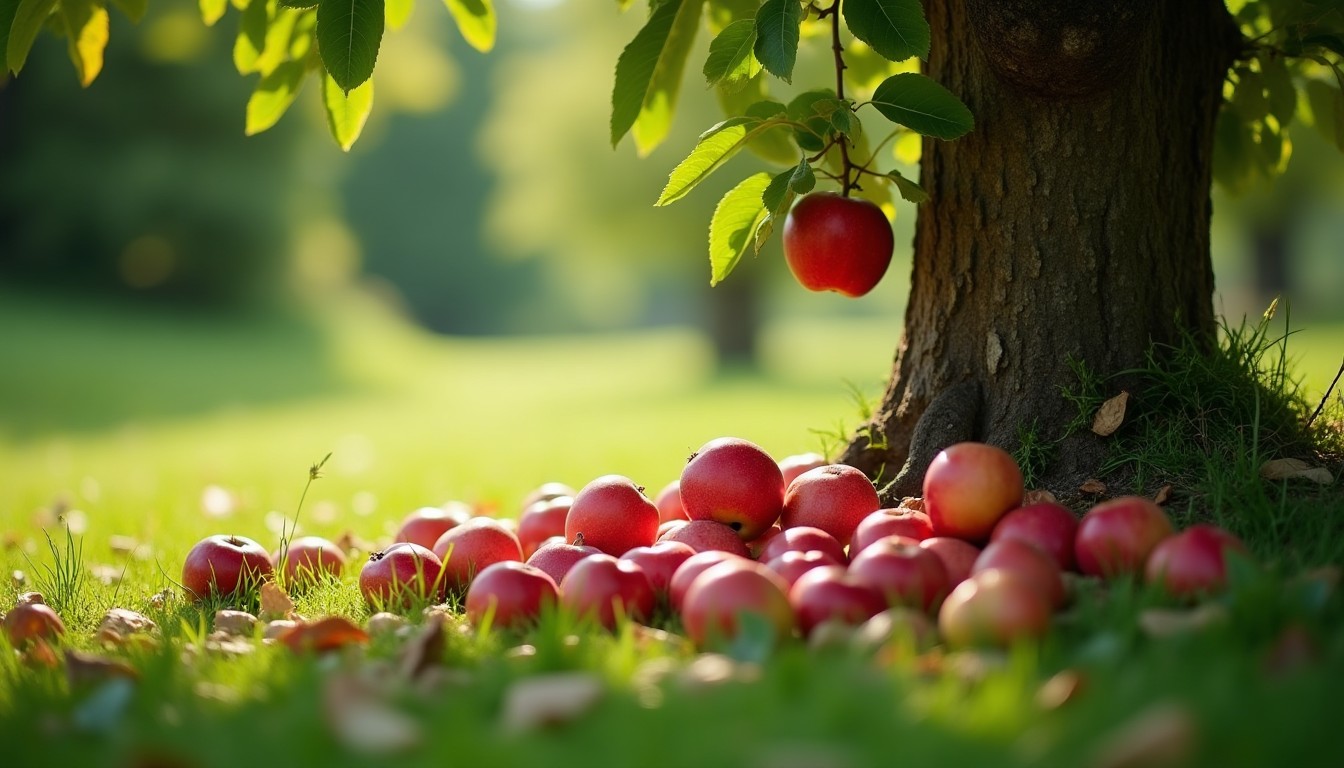
- Fallen and overripe fruit. UC IPM lists ripe or overripe fruit among the main late-season draws. Pick up windfalls from fruit trees and grape vines.
- Garbage and recycling. Sticky residue in bins and cans is enough. Ohio State advises keeping bins covered and clean of spilled food, and choosing picnic spots well away from uncovered bins.
- Pet food and meat. Dishes of dog or cat food outside, and barbecue scraps, are protein sources all season. UC IPM notes the western yellowjacket is sometimes called the “meat bee”.
- Insects in the garden. Caterpillars, flies and other soft-bodied insects are what wasps hunt for their larvae, so a yard with plenty of prey can expect foraging wasps.
One detail matters more than any single attractant: UC IPM says that once wasps discover food, they keep hunting around that spot long after the source has been removed. Cleaning up after the wasps arrive is slower to work than never leaving food out.
Places to nest
- Holes in the ground. UC IPM says yellowjackets commonly nest in rodent burrows; Ohio State adds abandoned mouse or rabbit burrows and cavities in thick mulch.
- Wall voids, attics and ceilings. The German yellowjacket frequently nests in houses, according to UC IPM and Ohio State. A wet patch on a wall or ceiling can be a sign that a nest inside is being enlarged.
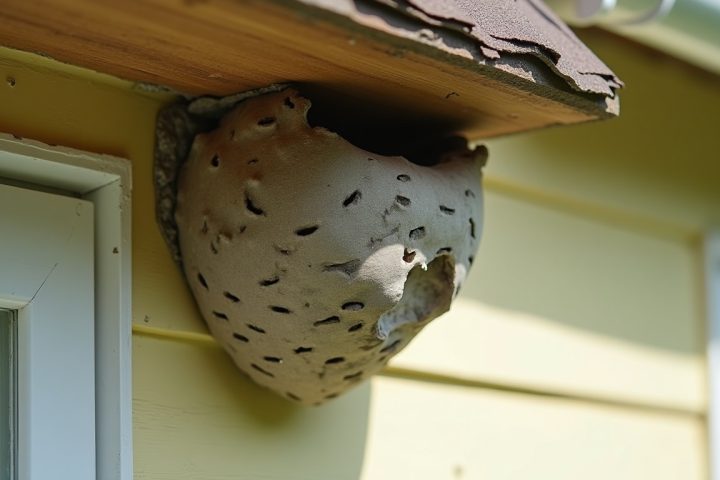
- Eaves, porch ceilings and sheds. Paper wasps hang their open-celled, umbrella-shaped nests in protected spots such as eaves, attics and under branches. Bald-faced hornets and other aerial yellowjackets attach enclosed paper nests to eaves or tree limbs.
- Weathered wood. All of these wasps make nest paper from wood fibre mixed with saliva, according to UC IPM, so bare, weathered fences, decks and furniture are where they come to scrape.
Mud daubers are different again: they build small, hard mud nests on walls and ceilings and rarely sting. See our guide to mud daubers if the nests are tube-shaped and made of mud.
Why are wasps attracted to me?
Usually because of what you are carrying, eating or wearing. Ohio State notes that yellowjackets are attracted to floral perfumes, hairspray fragrances and bright, flowery clothing, as well as to sweet drinks and food. In late summer a person holding an open soda is, to a sugar-hunting worker, a food source. Mosquitoes find people in a quite different way, by breath, skin odour and heat; for that comparison, see what attracts mosquitoes.
How you react matters too. UC IPM advises not swatting or running if a wasp lands on you: wait for it to leave or gently brush it away. Ohio State warns that squashing a yellowjacket releases an alarm pheromone that alerts other yellowjackets.
What attracts wasps for traps
Trap lures are the one place where “what attracts wasps” has been measured precisely. Two chemical lures dominate:
- Heptyl butyrate. UC IPM notes that this common lure attracts primarily the western yellowjacket and not other species. A 2016 review by entomologists Peter Landolt and Qing-He Zhang in the Journal of Chemical Ecology calls it a very good attractant for two major pest species in North America. Ohio State warns that most commercial traps are not attractive to the German yellowjacket, the commonest nuisance species in Ohio.
- Acetic acid with isobutanol (or the similar 2-methyl-1-butanol now used in some commercial lures). The same review found this combination attracted nearly all North American pest species of social wasps, including yellowjackets, the European hornet and several paper wasps.
Food baits work too. UC IPM says adding meat such as chicken is believed to improve catches of the German and common yellowjackets, and to replace it often because yellowjackets are not attracted to rotting meat. Ohio State suggests fruit juice, jelly or syrup in late summer and fresh meat in spring, matching the colony’s diet.
Do wasp traps work?
For a patio, partly. UC IPM says lure traps can reduce the number of foraging workers locally but do not eliminate large populations, and that traps work best as queen traps in late winter and early spring. Ohio State says trapping often fails to reduce populations to acceptable levels and that no trap gives rapid knockdown. The placement rule from UC IPM is the useful part: hang traps along the property edge, between your seating area and where the wasps are coming from, as far from the patio as possible, so you are not baiting wasps towards your food. Put them out at least two days before an outdoor event, Ohio State advises.
What smell do wasps hate?
The best evidence is for essential oils, not plants. In a 2013 field study in Pest Management Science, 17 of 21 essential oils significantly reduced how many yellowjackets and paper wasps came to attractant-baited traps, and two blends, of clove, geranium and lemongrass with or without rosemary, blocked attraction completely. Two caveats apply: the study measured repellency at traps, not protection of a patio or person over an afternoon, and its authors worked for a company that makes wasp traps.
The plant advice common online, such as growing mint, lavender, eucalyptus or marigold, is a different claim. We found no published field trial showing that planting them keeps wasps away from a yard, and none of the extension guides we reviewed recommends it.
What keeps wasps away?
- Remove the sugar in late summer. Lidded cups, covered food, dishes cleared at once, bins sealed and rinsed, fallen fruit picked up daily.
- Feed pets indoors from spring through autumn.
- Check for nests early. UC IPM notes that knocking down a newly started paper wasp nest early in the season makes the founding queen go elsewhere. Wasps flying straight in and out of one spot are probably going to a nest.
- Keep window and door screens in good repair, as Ohio State advises, and seal gaps in siding and soffits outside the nesting season. Do not plug the entrance of an active wall nest: Ohio State warns that disturbed wasps may then come into the house.
- Paint or seal weathered wood that wasps are scraping for nest fibre, which may make it less useful to them.
- Use traps on the perimeter, not on the table.
Ground and wall-void yellowjacket nests are a different matter. UC IPM says it is easiest and safest to call for professional help, warns that stings are likely even when treating after dark, and notes that underground nests can sit well back from the visible entrance. Our guide to yellow jacket removal covers when to act, and wasp nest removal cost covers what a professional charges. Anyone with a known allergy to stings should leave nest treatment to a professional.
Frequently asked questions
What attracts wasp the most?
It depends on the month. In spring and early summer, protein, such as insects, meat and pet food, draws foraging workers feeding larvae. From August to October, sugar draws them: soda, juice, beer, ripe fruit and garbage. Ohio State Extension dates the switch to August through October. For traps, a lure of acetic acid with isobutanol attracted nearly all North American pest social wasps in published trials.
Why should wasps not be killed?
Most social wasps are useful predators. UC IPM says they eliminate large numbers of pest insects and should be protected and encouraged to nest in areas of little human or animal activity, and that paper wasps rarely sting people. A nest in a far corner of the yard can usually be left alone. Treatment makes sense when a nest sits by a door, path or play area, or someone in the household is allergic.
Do wasps come back to the same place every year?
Not to the same nest, in most of the country. UC IPM notes yellowjacket and paper wasp colonies normally live only one season; new queens overwinter and start fresh nests in spring. Ohio State says abandoned nests usually disintegrate over winter, though they are occasionally reused. A spot with good shelter and food can attract a new queen, which is why the same eaves can see nests year after year.
Are wasps attracted to light?
Yellowjackets are attracted to light at the nest. Ohio State warns never to shine a flashlight at a nest entrance, because wasps will fly towards the light, and suggests red cellophane over the lens when treating at night. For keeping wasps away from a house, though, extension guidance focuses on food and nest sites rather than outdoor lighting.
Sources
- University of California Statewide IPM Program, Pest Notes: Yellowjackets and Other Social Wasps (7450).
- Ohio State University Extension, Yellowjackets, fact sheet HYG-2075.
- Landolt, P. and Zhang, Q.-H., Discovery and Development of Chemical Attractants Used to Trap Pestiferous Social Wasps, Journal of Chemical Ecology, 2016.
- Landolt and others, Trapping Social Wasps with Acetic Acid and Saturated Short Chain Alcohols, Journal of Economic Entomology 93(6):1613 to 1618, 2000.
- Zhang, Q.-H., Schneidmiller, R.G. and Hoover, D.R., Essential oils and their compositions as spatial repellents for pestiferous social wasps, Pest Management Science, 2013.
- The Pest Control Brief analysis of iNaturalist research-grade records, pulled October 2026.