How to Get Rid of Carpenter Ants: Find the Nest First
To get rid of carpenter ants, find the nest and treat it directly, usually with an insecticide dust puffed into the nest cavity, then fix the damp wood that attracted them. Spraying the ants you see does little, because only about 10 per cent of a colony is out foraging at any time. Most indoor nests are satellites of a parent colony outdoors, often in a tree, log or woodpile within 100 yards, so both have to be dealt with. Baits work for some homes and fail in others.
This guide assumes you already know they are carpenter ants: large, often black, one node at the waist and an evenly rounded back. If you are not sure, check our ant identification guide first, and if you have winged insects, our comparison of termites and flying ants. What follows is how to find the nest, which treatment fits where it is, and when the job is worth handing to a professional.
Carpenter ant treatments compared
| Method | What it does | When it fits | Extension view |
|---|---|---|---|
| Dust into the nest | Kills the colony where it lives; ants track it through the galleries | You have found the nest or its entrance hole | The core method for Nebraska, Penn State and UC IPM |
| Slow-acting bait | Foragers carry it back and share it | You cannot find the nest but can see a trail | Mixed: works in some cases, ants often ignore it |
| Spray on visible ants | Kills the foragers you hit | Rarely the right choice | Nebraska: of limited value, colony largely unaffected |
| Professional non-repellent perimeter | Ants cross it unaware and carry it home | Hidden nests, repeat infestations | Penn State: usually only one treatment needed |
| Moisture repair | Removes the soft, damp wood they need | Always | Every source: the long-term fix |
| Liquid sprayed into wall voids | Wets insulation and wiring | Never | Nebraska: do not use liquids in wall voids |
Step one: find the nest
Every extension source we read says the same thing in different words: locating the nest is the step that decides whether treatment works. The Illinois Department of Public Health, in guidance produced with University of Illinois Extension, puts it bluntly: applying pesticide around the foundation or into an open attic usually provides little or no control.
How to locate a carpenter ant nest
- Go out after dark with a flashlight. Carpenter ants forage mostly at night. Illinois guidance notes that workers leave the nest about 15 minutes after sundown, and Penn State suggests checking the basement, attic, garage and outside walls between 10:00 p.m. and 2:00 a.m. from May through July.
- Use a lure to make a trail. UC IPM suggests setting out sugar milk, equal parts sugar and milk, or diced crickets or mealworms, then following the workers back. Illinois guidance suggests sugar water, honey or freshly killed insects.
- Follow ants carrying food. A laden ant is heading home. Outdoors, Nebraska Extension notes that well-used trails show up in lawns, along foundations and sidewalks and in flower beds; indoors, ants follow the edges of rooms and cabinets, and in walls they follow utility lines.
- Look for frass. Carpenter ants push excavated wood out of the nest as coarse, sawdust-like shavings, often in a cone-shaped pile below the entrance hole, mixed with dead ants and insect parts. Penn State describes it as coarse and stringy. Inside wall voids you will not see it.
- Listen. Penn State says satellite colonies can sometimes be heard rustling in walls and ceilings using a stethoscope or an inverted glass. Illinois guidance likens it to crinkling cellophane and notes that tapping the wood can set it off.
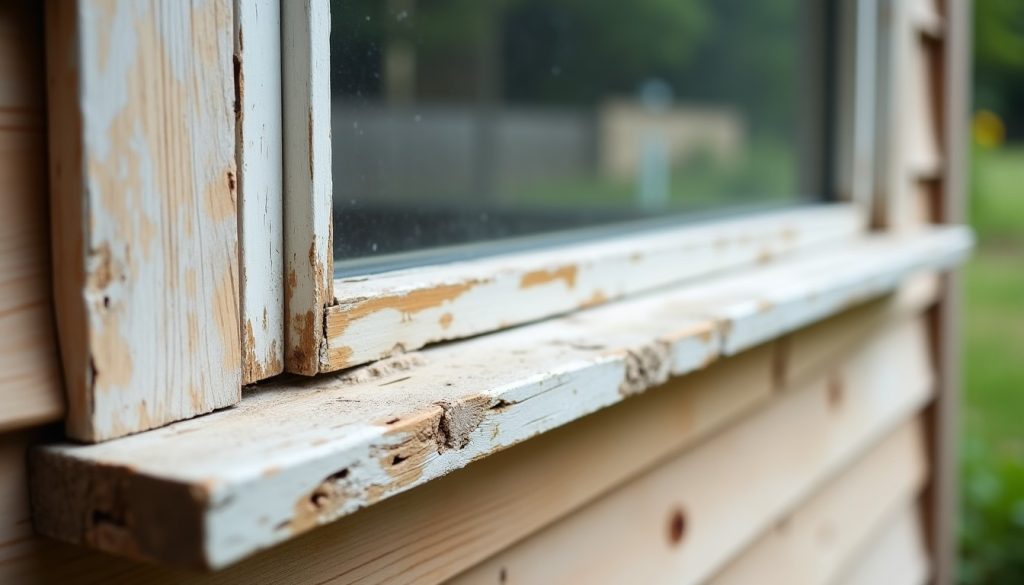
- Check the damp spots. Look around leaking windows, door frames, roof eaves, decks, porches, skylights, chimney flashing and bathtubs, which Nebraska and Illinois both list as common nest sites. Our guide to wood damage identification shows how carpenter ant galleries, which are smooth and clean, differ from termite and beetle damage.
Parent and satellite colonies
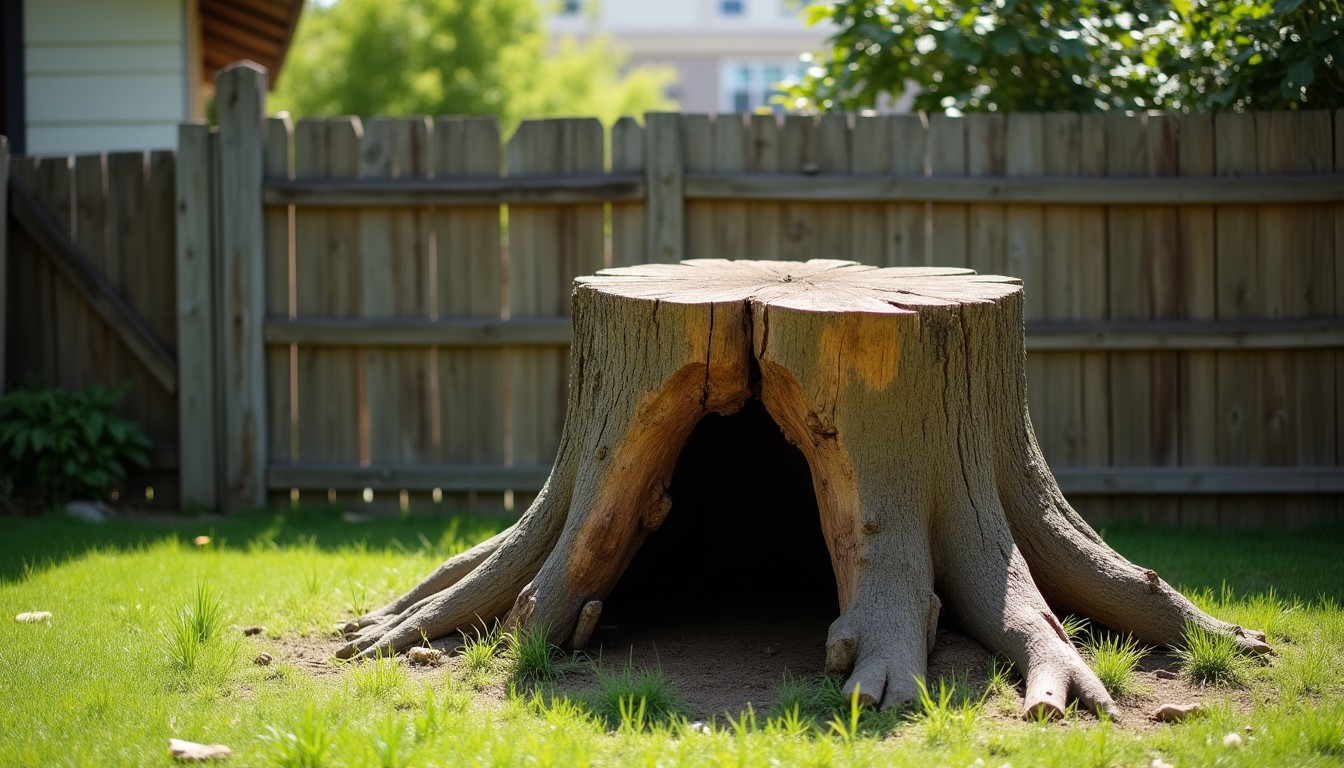
This is the detail that explains most failed treatments. Nebraska Extension says most growing and mature colonies have a main or parent colony and one or more satellites. The parent needs a steady supply of moisture, so it is often outdoors; satellites are most common indoors. The queen always stays in the parent colony, and satellites hold workers, larvae and pupae but never eggs. Penn State adds that the parent colony is often in a tree, log or waste wood within 100 yards of the house, and that both must be eliminated or the ants reappear within days or weeks.
A useful clue from Penn State: if numerous winged ants turn up at windows inside the house, they probably came from an indoor nest. A few ants wandering in from outside, on the other hand, do not necessarily mean the house is infested; Nebraska notes the house may simply be within foraging distance, and foragers can travel several hundred feet.
Step two: treat the nest you found
Carpenter ants in walls
Nebraska Extension’s guidance is specific. Put an insecticide dust labelled for wall voids of homes into the nest through the entrance hole, using a hand duster whose tip fits snugly; it may be necessary to drill one or more small access holes. Do not use water-based liquid insecticides inside walls, because water can damage insulation, plasterboard and wiring. Non-repellent dusts may work better because ants walk through them and carry them deeper into the colony.
Penn State notes that diatomaceous earth, silica aerogel and boric acid dusts have low or no mammalian toxicity and can be blown into nests and cavities. UC IPM adds that diatomaceous earth is the desiccant dust readily sold in stores, that silica gel may only be applied by a licensed applicator, and that desiccant dusts can cause serious lung irritation if inhaled. Whatever you use, follow the label, keep dust away from people and pets, and do not dust every wall in the house as a substitute for finding the colony; Nebraska specifically warns against that.
Carpenter ants outside: trees, stumps and woodpiles
For a nest in a tree branch or trunk, Nebraska recommends a dust labelled for use in and around homes, applied directly into the nest cavity. Penn State says outdoor nests should be eliminated by removing the infested wood or tree or treating it with a product labelled for that use. Removing stumps, logs and waste wood near the house, and storing firewood off the ground and away from the walls, cuts off the next generation of nest sites. Nebraska suggests storing only one heating season’s firewood and does not recommend spraying firewood with insecticide. Carpenter ants do not kill living trees, Nebraska notes, but they will use openings in them.
Carpenter ant bait: when it works
Sources genuinely disagree here, and it is worth knowing why. Nebraska Extension says that because carpenter ants have such a varied diet, baits usually are not successful. Penn State says baits may be effective if the trails are found and baits are replaced as they are used up, but that frequently the ants ignore them. Illinois guidance calls baits slower and less effective than finding and treating nests. UC IPM is the most practical: carpenter ants are finicky, so first attract them with sugar milk or diced insects, then once they are feeding, swap in several different ant baits and let them choose the one they prefer.
The reason slow-acting bait matters is the foraging ratio. UC IPM notes that only about 10 per cent of the ants are out foraging at any one time, and Illinois guidance puts it at 10 to 15 per cent. A fast spray kills the few you see; a bait that is carried home reaches the rest. If you try bait, use one labelled for ants, place it on the active trail, and do not spray near it.
Step three: fix the moisture
Carpenter ants prefer moist wood, and Penn State notes they usually will not infest sound wood with a moisture content below 15 per cent. Treating without fixing the leak invites the next colony. The repairs extension services list are ordinary building maintenance:
- Repair leaking roofs, flashing, gutters, downspouts, windows, door frames and plumbing.
- Replace rotted or water-damaged wood, and remove wood that touches soil.
- Trim branches and shrubs back from the house so they do not act as bridges.
- Seal gaps where pipes and wires enter.
- Ventilate damp crawl spaces and attics; Penn State suggests a plastic moisture barrier over crawl space soil.
- Keep mulch around the foundation to 2 to 3 inches deep, as UC IPM advises.
Nebraska recommends a moisture meter for finding hidden wet areas and suggests homeowners consider a home inspector or pest professional who owns one. Damage in a home is usually limited: Penn State says it is rare for a nest to cause structural damage, while UC IPM notes that large colonies can expand from decayed wood into sound wood and compromise structural integrity. If you also see round holes in wood or bees hovering at fascia boards, our guide to carpenter bees and other wood-destroying insects covers the other suspects.
Why carpenter ants show up suddenly
Most sudden appearances have one of four explanations in the extension literature. In early spring, Nebraska explains, workers from an indoor colony may start foraging before food is available outdoors, and they are drawn to water in kitchens and bathrooms and to sweets. Illinois guidance says colonies become active in March and April and stay active into September or October, with indoor nests sometimes active through winter. Winged swarmers emerge from mature colonies in spring; Penn State says a colony only produces them once it has about 2,000 to 3,000 workers, and Nebraska puts that at 6 to 10 years old. And UC IPM notes that land clearing nearby can disturb established colonies and push them into buildings, even new ones.
When carpenter ants are most active: our data
Our analysis of US iNaturalist research-grade records shows carpenter ants climbing from their lowest share of records in January, an index of 37, through April at 137 to a peak in May and June at 161 and 165, then holding above average into September. That matches the extension calendar: active from spring, swarming in spring and early summer, quieter in winter. Indoor sightings in January or February are the exception worth noticing: Penn State notes that ants stay active in winter if the nest is in a heated part of the building, and Illinois guidance says indoor nests may show continued activity.
Carpenter ants are also among the most recorded household pest groups in our state data. In Pennsylvania they are fourth among the pest taxa we tracked, behind spotted lanternfly, Asian lady beetle and millipedes. These are records of sightings, mostly outdoors, not counts of infested homes.
Natural and home remedies
The lowest toxicity options that extension sources endorse are dusts: diatomaceous earth and boric acid, applied into nests and voids according to the label. Sugar milk and diced insects are useful as nontoxic lures for finding the nest, not as a cure. We found no university trial showing that vinegar, peppermint oil or other scents eliminate a carpenter ant colony. A repellent wiped on a trail may move foragers, but it does not touch the queen, and Nebraska notes that even insecticide sprays on foragers leave the colony largely unaffected.
Carpenter ants in an apartment
Renters usually cannot drill walls or treat structural wood, and the moisture source is often in a shared roof, wall or plumbing run. Report the ants, where you see them and when, to the landlord or building manager in writing, and note any leaks. Our guide to landlord and tenant pest control responsibilities explains who typically pays for what.
When it is worth calling a professional
Penn State is candid that it is unlikely a satellite colony can be eliminated without one or more materials applied by professional pest management companies. Nebraska notes that professionals have more products and proper equipment, and that some of the most effective non-repellent liquids are sold only to them. It makes sense to call one when you cannot find the nest, when ants keep coming back after a treatment, when swarmers appear indoors, when the nest is in an inaccessible wall, ceiling or roof, or when you see soft or damaged wood. Our ant control cost guide covers what carpenter ant treatment usually costs and why it is priced above ordinary ant service. Nebraska also warns that regularly scheduled sprays and termite-style soil treatments are unnecessary for carpenter ants, which is worth knowing when comparing quotes.
Frequently asked questions
What is the fastest way to get rid of carpenter ants?
Find the nest and treat it directly. Follow foraging ants at night or look for piles of coarse sawdust, then puff a labelled insecticide dust into the nest opening, which Nebraska, Penn State and UC IPM all describe. Spraying visible ants is quick but of limited value, because only about 10 per cent of the colony forages. For hidden nests, a professional non-repellent treatment is usually fastest.
Why do I suddenly have carpenter ants in my house?
Usually because a nearby colony has become active for the season, a nest indoors has started foraging early in spring, or swarmers have emerged from a mature colony. Nebraska Extension notes early-season workers are attracted to water in kitchens and bathrooms. UC IPM adds that clearing land nearby can push colonies into buildings. A moisture problem in the house often explains why they stay.
What smell do carpenter ants hate?
We found no university research showing that any smell, including vinegar or peppermint oil, drives a carpenter ant colony out of a house. A strong scent may divert foragers on a trail for a while, but the queen stays in the nest, often outdoors. Extension sources point instead to treating the nest directly, removing damp wood and keeping branches and woodpiles away from the walls.
How to locate a carpenter ant nest?
Search after dark, when carpenter ants forage. Set out sugar milk or diced mealworms as a lure and follow workers carrying food home. Look for cone-shaped piles of coarse shavings mixed with insect parts, and listen for rustling in walls. Check damp areas around windows, roofs, decks and bathrooms, and remember the parent colony is often outdoors within 100 yards.
Sources
- University of Nebraska Extension, NebGuide G1738, Carpenter Ant Management, Ogg, Ogg, Kamble and Bauer, revised 2019.
- Penn State Extension, Carpenter Ants, Steve Jacobs, 2002, reviewed 2014.
- University of California Statewide IPM Program, Pest Notes: Carpenter Ants, Publication 7416.
- Illinois Department of Public Health with University of Illinois Extension, Carpenter Ants: Prevention and Control.
- The Pest Control Brief analysis of iNaturalist research-grade records, pulled October 2026.