Why Are There So Many Spiders in My House? Causes by Season
Most sudden spider surges are adult males out looking for mates, and in a UK study of almost 10,000 house spider sightings, 82 per cent were male. The peak runs from late August to October, depending on the species. The rest of the time, a rise in spiders usually means a rise in the insects they eat, a hatched egg sac, or a spider trapped in a bath. None of these means your home is dirty, and very few of these spiders came in from the cold.
Match what you see to the cause
| What you see | When | Likely cause | What to do |
|---|---|---|---|
| Large, long-legged brown spiders running across floors in the evening | Late August to October | Mature males of house spiders (Eratigena, Tegenaria) or the hobo spider wandering for mates | Catch and release or vacuum; sightings drop fast after the mid-September peak |
| Big, fast, hairy spider with no web near a door | September and October | A male wolf spider, harmless and passing through | Carry it out and fit a door sweep |
| Dozens of tiny pale spiders clustered in one web | Any month, most often summer | An egg sac has hatched; one common house spider sac holds 100 to 400 eggs | Vacuum the web and any other sacs nearby |
| A spider in the bath or sink every morning | Autumn, peaking mid-September in the UK | A thirsty spider slid in and cannot climb the smooth sides | Lift it out on paper; it did not come up the drain |
| Cobwebs rebuilt in corners, windows and light fittings | Summer and autumn | Resident cobweb spiders feeding on insects drawn to indoor or porch lights | Cut the insects: move lights, fix screens |
| Spiders in a new build or after nearby land clearing | Any season | Wolf spiders displaced from their outdoor habitat | Seal gaps at ground level |
| Spiders after days of heavy rain | Rainy season | Burrowing spiders leaving flooded burrows | Usually passes once the ground dries |
Compiled by The Pest Control Brief from the Burke Museum (University of Washington), UC IPM Pest Notes: Spiders, the Missouri Department of Conservation and Hart, Nesbit and Goodenough (2018).
Why there are so many spiders in my house all of a sudden
Because the males have matured. Rod Crawford, curator of arachnids at the Burke Museum in Seattle, writes that when a large number of house spiders appear at one season it is usually late summer, August and September, and that it coincides with mating: what you are seeing is sexually mature males wandering in search of mates.
The largest dataset on this is British. Hart, Nesbit and Goodenough collected almost 10,000 sightings of Tegenaria and Eratigena house spiders through a public recording app and published them in Arachnology in 2018. Of the 4,613 records where the sex was noted, 3,795, or 82.3 per cent, were males. Sightings climbed from late August to a pronounced peak in mid-September, then fell quickly, and the season moved north and west across the UK as autumn went on.
Different spiders peak in different months, which is why some homes get a second wave. The hobo spider, a Northwest funnel weaver whose males wander indoors, is covered in our page on why the hobo spider’s dangerous reputation has collapsed.
The hobo spider jumps to 286 in August, nearly three times its usual share of records. The common house spider sits at 174 in September and 172 in October. Wolf spiders peak at 164 in October, and the false black widow, which lives in buildings all year, peaks at 198 in November. These are records of when people photographed and identified spiders, mostly outdoors, so they show when spiders are noticed, not indoor infestation rates.
Why are there so many spiders in my house this year?
Probably the same number as last year, seen at the same season. Crawford writes that every late summer people ask him why there are so many more spiders this year than usual, and that he has heard it every year for the past 40 years.
Weather can stretch the season. Stuart Hine of the Natural History Museum in London says sightings always peak in autumn when the males of many species reach adulthood, that warmer weather keeps doors and windows open longer into spider season, and that a warm, dry autumn lets wandering males roam for longer.
Why there are so many spiders in my house in summer and August
August is when the male wandering season starts for the large house spiders: in the UK survey, sightings were already climbing in the week of 22 to 29 August. Crawford adds a correction: August and September are actually a poor time for most spiders, because low moisture makes summer harder for them than autumn and spring. Only a few large, conspicuous species are mature then, and those are the ones people notice.
UC IPM lists two other summer and wet-season triggers. New houses in developments may be invaded by wolf spiders that have lost their usual outdoor living places, and burrowing spiders sometimes wander during the rainy season after abandoning wet burrows.
A cloud of tiny spiders means an egg sac hatched
If you find dozens of tiny spiders in one spot, one egg sac has opened. The Missouri Department of Conservation describes common house spider sacs as tan or grey, pear-shaped spheres; each can hold 100 to 400 eggs, and one female can make more than 15 sacs in her life. The hatchlings often stay in their mother’s web for several days before dispersing, so the crowd is temporary.
Spiders in the bath did not come up the drain
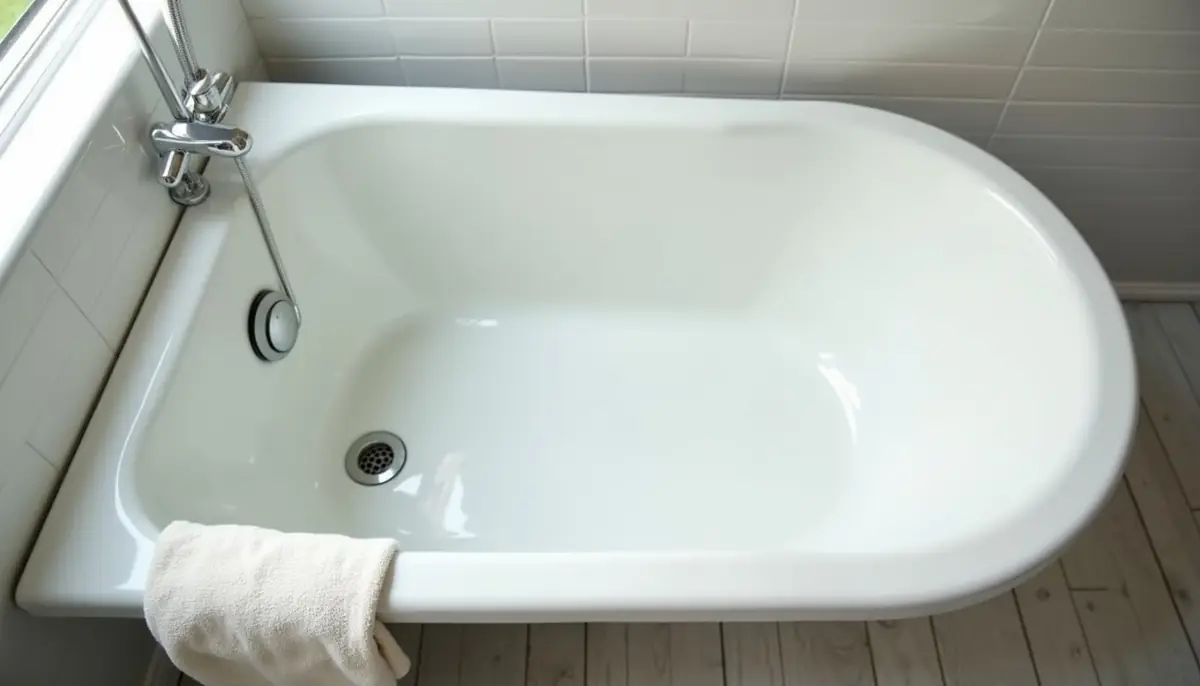
Crawford says he does not know of even one case of a spider shown to enter a house through plumbing, because modern drains contain a liquid-filled trap that spiders cannot get through. House spiders live in a very water-poor environment, he writes, and climb down to reach drops of water in a tub or sink, then cannot climb back up the slick sides.
The UK survey agrees. Bathrooms produced 20.9 per cent of sightings, second only to living rooms, and sinks accounted for 10.3 per cent of locations within rooms. The authors suggest baths and sinks trap spiders and make them easy to see. Other things that turn up in tubs are covered in our guide to bugs in the bathroom and what they mean.
Why are there so many spiders in my house at night?
Wandering males are on the move in the evening. In the Hart study, sightings peaked at 19:35, and almost half of all records, 48.2 per cent, were of spiders on the floor rather than on walls or ceilings. If you worry about the bedroom, our page on whether spiders bite you in your sleep sets out what the bite records show.
More insects inside means more spiders
Outside the mating season, a steady rise in webs usually tracks food. UC IPM states that the more insects there are inside a building, the more likely it is to have spiders living there, and that outdoor lighting attracts insects, which in turn attracts spiders. It advises keeping light fixtures off the structure and away from windows and doorways, and checking that window and door screens seal.
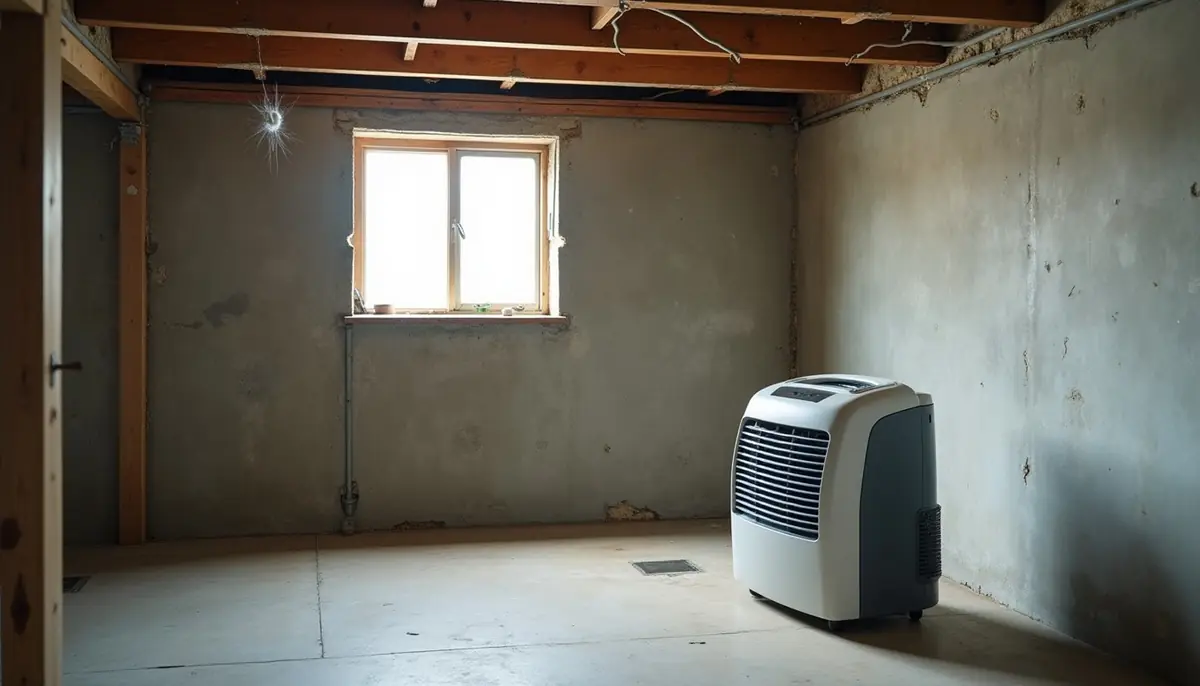
Moisture plays a part for some species. UC IPM says the hobo spider builds its webs in dark, moist places such as basements, window wells and wood piles. A damp basement with insects in it supports more webs than a dry, bright room.
What does it mean if your house has a lot of spiders?
Biologically, it usually means one of three things: the males are out for the season, an egg sac hatched, or there are insects for them to eat. It does not mean the spiders moved in from the garden. Crawford estimates that fewer than 5 per cent of the spiders seen indoors have ever been outdoors, and that only 8 of 170 Seattle spider species are commonly found both indoors and out. People also search for a spiritual meaning; we cover the biology only, and it says the visitors are seasonal.
When the numbers are a problem
Most house spiders are harmless, so the trigger for action is the species, not the count. A shiny black spider with a red hourglass, or a plain brown spider with uniform legs inside the brown recluse range, is worth confirming with our evidence-based spider identification guide.
False widows are often confused with true black widows; the differences between black widows and false widows are mainly the belly marking and the shine.
Crawford’s view is that spiders do not infest anything and that sudden increases are temporary rises in activity tied to mating. He notes that residual insecticides kill only the spiders they contact, egg sacs are relatively impervious to pesticides, and sticky traps plus sealing gaps remove more spiders. UC IPM likewise says pesticides are not generally needed. The full removal plan is in our guide to getting rid of spiders in the house.
Frequently asked questions
Why should you never kill a spider?
There is no rule against it, and UC IPM says crushing a spider is easier and far less toxic than spraying one. The case for leaving them is practical: house spiders eat flies, mosquitoes and cockroaches, according to the Missouri Department of Conservation, which is the core of the argument that spiders in the house are good. The Burke Museum’s curator adds that putting house spiders outside rarely helps them, because most indoor species do poorly outdoors.
How do I get rid of spiders in my house?
Vacuum webs, spiders and egg sacs, reduce the insects they feed on, and seal gaps around doors, windows and the foundation, as UC IPM advises. Move outdoor lights away from doors and windows. Sticky traps work where pets and children cannot reach them. Scents have weak evidence; the studies are summarised in what smells spiders actually hate.
Why shouldn’t you squish spiders?
Squishing is safe for the person doing it; UC IPM lists crushing or vacuuming as easier and less toxic than spraying. The reasons people give for sparing them are that most house spiders are harmless predators of pest insects, and that the autumn wanderers are males that usually die soon after mating, according to the Natural History Museum. Catching one under a glass works just as well.
Why are there so many spiders in my house in autumn in the UK?
The Natural History Museum says sightings peak in autumn because males of many species reach adulthood and leave their webs to find females, entering through open windows, chimneys and gaps under doors. Six house spider species are common in UK homes. A 2018 study of almost 10,000 UK records found a mid-September peak and 82 per cent males.
Do spiders come inside to escape the cold?
Rarely. The Burke Museum explains that spiders are cold-blooded, are not attracted to warmth and become dormant in cold weather; most temperate species survive down to about minus 5°C (23°F). House spiders are mostly separate species that live their whole lives indoors, and outdoor spiders that end up inside usually die or fail to breed. Our page on where spiders go in winter has the details.
Sources
- Hart AG, Nesbit R, Goodenough AE. Spatiotemporal Variation in House Spider Phenology at a National Scale Using Citizen Science. Arachnology 17(7): 331 to 334, 2018.
- Burke Museum of Natural History and Culture, University of Washington, Spider Myths (Rod Crawford): spiders come into houses in the fall; spiders come up through the drains; late summer has the most spiders; spider infestations should be controlled with pesticides; house spiders belong back outside.
- University of Washington News, Spider myths and facts from the Burke Museum’s spider expert, 28 October 2019.
- University of California Statewide IPM Program, Pest Notes: Spiders, publication 7442.
- Missouri Department of Conservation, Field Guide: Common House Spider (Parasteatoda tepidariorum).
- Natural History Museum, London: Giant spiders invading homes (Stuart Hine), and House spider identification guide.
- The Pest Control Brief analysis of iNaturalist research-grade records, pulled October 2026 (b19 to b30 files).