Home Remedies for Bed Bugs: What Lab Tests Found
The home remedies that kill bed bugs are heat and cold: a hot dryer cycle, a 140°F wash, slow steaming and a freezer held near 0°F for days. Sprays made from rubbing alcohol, vinegar or kitchen oils either failed in published lab work or were never tested, and baking soda has no published test at all. Diatomaceous earth works, but took 14 days to kill every bug in a 2016 trial. All of these suit a small, early infestation, not an established one.
The scorecard
| Remedy | What the published test found | Kills eggs? | Verdict |
|---|---|---|---|
| Clothes dryer, hot cycle | 30 minutes or more killed all stages (Sheffield, 2010) | Yes | Works |
| Hot wash | 60°C (140°F) killed all stages (Sheffield, 2010) | Yes | Works |
| Steam | 100 per cent of eggs, 84 to 94 per cent of nymphs and adults (Texas A&M, 2013) | Yes, on contact | Works where it reaches |
| Freezer | Below 5°F for 3.5 days kills all stages (Minnesota and Rutgers, 2013) | Yes | Works if truly cold |
| Diatomaceous earth | Full kill only after 14 days of constant contact (Sydney, 2016) | Not shown | Slow |
| Rubbing alcohol | No adults dead at 24 hours; 63 to 100 per cent of eggs hatched (Ohio State, 2015) | Mostly no | Fails; flammable |
| Essential oil sprays | 9 of 11 products killed 0 to 61 per cent; 2 exceeded 90 per cent (Rutgers, 2014) | One product, 87 per cent | Product dependent |
| Store pyrethroid aerosols | 0 per cent of field-strain nymphs killed (Rutgers, 2014) | No | Fails |
| Foggers | Little, if any, effect after 2 hours’ exposure (Ohio State, 2012) | No | Fails; fire risk |
| Vinegar, baking soda, tea tree | No published bed bug test found | Unknown | Unproven |
Compiled by The Pest Control Brief from the studies named in the Sources list.
Eggs separate a remedy from a temporary knockdown. Kentucky entomologists note that eggs hatch in about a week at room temperature, so anything that spares them hands you new nymphs within days.
What home remedy will kill bed bugs?
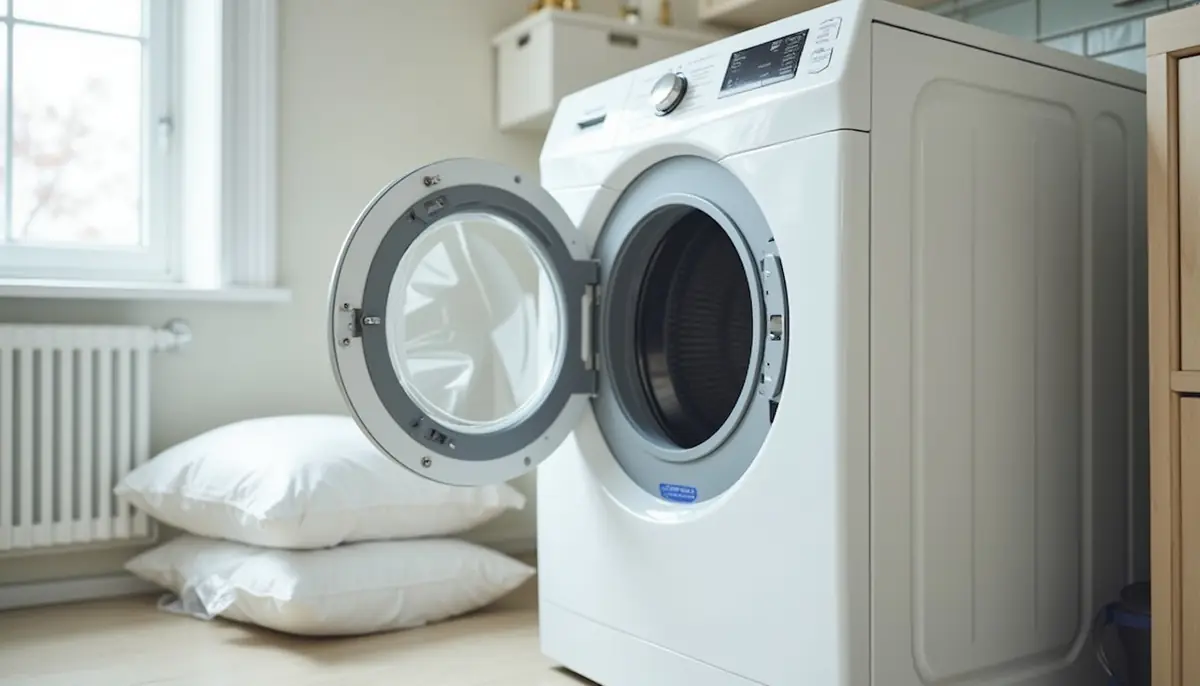
Heat, applied long enough. In the University of Sheffield laundry study, a hot dryer cycle above 40°C (104°F) needed at least 30 minutes to kill every stage, and a 60°C (140°F) wash did the same. Kentucky’s guidance is 10 to 20 minutes on medium to high for items that go in dry, so 30 minutes covers both. Bag bedding, clothes, shoes and soft toys before carrying them to the machine.
Texas A&M’s Insects in the City adds a summer option: about seven pounds of items in clear bags, in direct sun on a 95°F day, gets hot enough to kill all stages in one afternoon. Kentucky suggests a thermometer to confirm at least 120°F.
Steam, done slowly
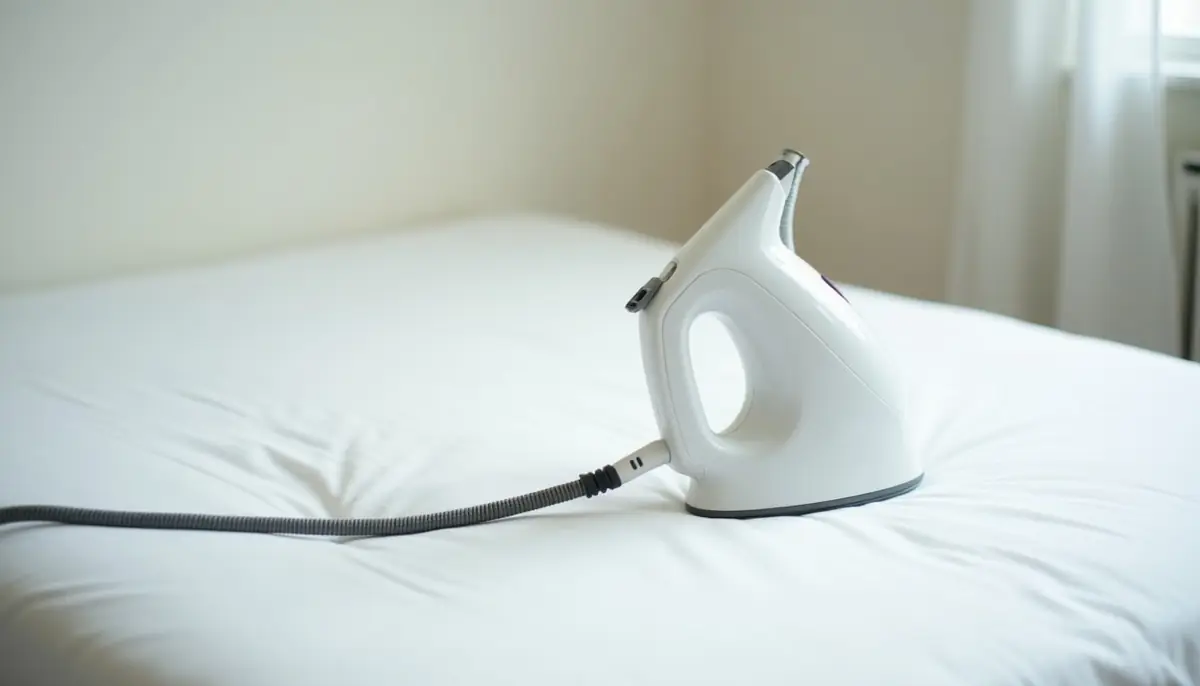
Steam is the one remedy that works on the mattress itself. In the Texas A&M trial, a steamer held about 1 cm (under half an inch) from mattress fabric and moved at 10, 20 or 30 seconds per foot killed every egg at every speed. EPA sets the floor at 130°F and warns that forceful airflow scatters bugs. Kentucky adds that steam penetrates fabric poorly and leaves no residue.
The freezer, and why sources disagree on time
| Source | Temperature | Time stated |
|---|---|---|
| University of Sheffield, 2010 | minus 17°C (about 1°F) | 2 hours, but 5.5 lb of dry laundry took about 8 hours to get that cold |
| Texas A&M Insects in the City | 0°F chest freezer | 8 to 10 hours |
| US EPA | 0°F, sealed bag | 3 days |
| Olson and others, 2013 | Below 5°F (minus 15°C) | 3.5 days |
| Olson and others, 2013 | Below minus 4°F (minus 20°C) | 48 hours or less |
Compiled by The Pest Control Brief from the named sources.
Use the longest figure. Olson’s Minnesota and Rutgers team found eggs survived brief exposure as low as minus 25°C, bugs survived above about 10°F even after a week, and survivors still fed afterwards. EPA warns many home freezers never reach 0°F, so check with a thermometer.
Sprays: what the lab found
Rubbing alcohol is the most repeated remedy and among the weakest. An Ohio State study of 50, 70 and 91 per cent isopropyl found topical doses affected fewer than 15 per cent of adults and killed none within 24 hours. Very heavy direct sprays killed 76.7 to 100 per cent of nymphs after 7 days, but 63 to 100 per cent of sprayed eggs still hatched. EPA warns rubbing alcohol can easily ignite with a spark or cigarette.
Shop aerosols fare no better. Rutgers researchers sprayed a lambda-cyhalothrin product and a phenothrin product directly on field-strain nymphs and recorded 0 per cent mortality. The same paper notes most field populations examined show moderate to high pyrethroid resistance, and Kentucky says householder sprays have limited effect once dry.
What is the best homemade bed bug spray?
No kitchen recipe has been tested, so none can be called best. When Rutgers tested nine commercial essential oil products and two detergents, only two killed more than 90 per cent of nymphs: one with 1 per cent geraniol, 1 per cent cedar extract and 2 per cent sodium lauryl sulfate, and one with clove oil, 1 per cent peppermint oil and 1.3 per cent sodium lauryl sulfate. Two other products sharing geraniol and cedar killed under 50 per cent, so ingredients alone predict nothing. Texas A&M’s Michael Merchant says homemade sprays are usually less safe than commercial insecticides.
Even the best product had limits. In 24 infested New Jersey apartments, the geraniol and cedar spray cut counts by 92.5 per cent over 12 weeks, matching a professional insecticide, yet bugs were eliminated from only five apartments, all starting with 9 to 14 bugs. More on plant-based products is in our natural pest control evidence review.
Powders: diatomaceous earth and baking soda
In a 2016 University of Sydney trial, a registered diatomaceous earth product at label rate needed 14 days of continuous contact to kill every bug; a silica gel dust did it within 36 hours. EPA says desiccants may take several months and that pool or food grade diatomaceous earth should not be used because it harms you when breathed in. Kentucky says diatomaceous earth will seldom help much. See our diatomaceous earth evidence page.
Baking soda has no published bed bug test that we could find. EPA’s minimum risk pesticide rule lists sodium bicarbonate only as a permitted inert ingredient, not an active one.
Vinegar, tea tree and the “bed bugs hate” claims
The same rule lists vinegar of up to 8 per cent acetic acid as an inert ingredient, and tea tree oil is not on its active ingredient list. We found no university or peer-reviewed test of either against bed bugs. Claims about smells bed bugs hate meet a measured result: in the Rutgers study, even the two oil products that killed bugs showed no detectable repellency once a carbon dioxide source, standing in for a sleeper, was present.
Foggers: the clearest negative result
Ohio State researchers exposed field-collected bed bugs to three over-the-counter foggers for two hours and saw little, if any, effect; even susceptible lab bugs survived under a thin cloth. EPA warns misuse can cause fire or explosion. See our bug bomb illness data.
What can I spray on my mattress to kill bed bugs?
Only a product whose label allows mattress use, applied as the label says; Kentucky warns some bed bug products should not be used on beds or seating. For most households, steam plus encasements is safer: steam kills what it reaches and zipped covers trap the rest until they die. Texas A&M estimates about 70 per cent of bugs sit on the mattress, box spring and frame.
How do you draw bed bugs out of hiding?
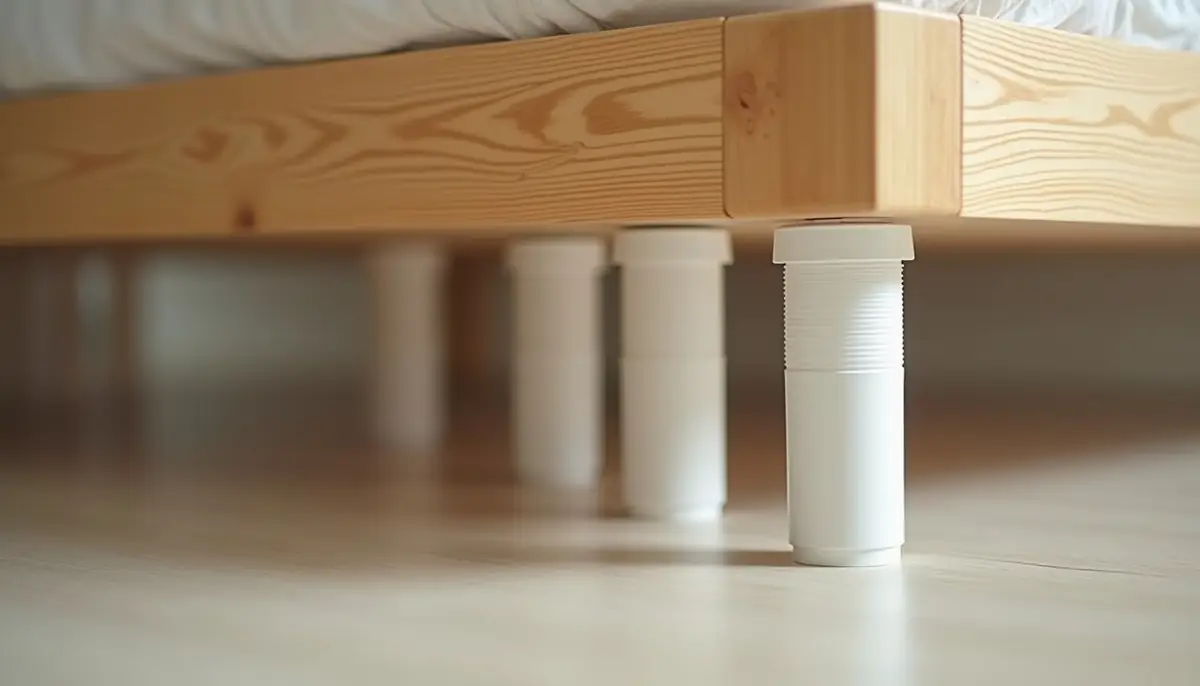
A sleeping person is the strongest lure, so intercept bugs on the way. Set interceptor cups under each bed leg, pull the bed a few inches from the wall and keep bedding off the floor. EPA describes a homemade version from two plastic containers and talcum powder, checked weekly. Carbon dioxide traps are covered in what attracts bed bugs.
When home remedies are not enough
Confirm the insect first; EPA says extension agents identify samples free, and a single bug is covered in found one bed bug. EPA says DIY control can take weeks to months, with checks every 7 days for at least a year. Call a licensed professional if bugs appear in more than one room, you share walls, or traps keep catching; see how bed bugs spread. The visits are set out in bed bug pest control; chemical work runs about $150 to $400 per room and whole-home heat $3,000 to $6,000, per our bed bug treatment cost page.
Frequently asked questions
What home remedy will kill bed bugs?
Heat and cold kill every life stage. A hot dryer cycle of at least 30 minutes, a 140°F wash, slow steaming at 130°F or more, and freezing below 5°F for 3.5 days all killed bed bugs and eggs in published tests. Sprays of alcohol, vinegar or homemade oil mixes failed in testing or were never tested.
Does vinegar or baking soda kill bed bugs?
There is no published evidence that either does. We found no university or peer-reviewed bed bug test of vinegar or baking soda. EPA’s minimum risk pesticide rule lists both only as inert ingredients, not as active pesticides. A dryer cycle, steaming and interceptors are better uses of the time.
Does rubbing alcohol kill bed bugs?
Poorly, and it is a fire risk. In an Ohio State study, topical alcohol killed no adult bed bugs within 24 hours, and 63 to 100 per cent of sprayed eggs still hatched. Heavy direct sprays killed many nymphs. EPA warns rubbing alcohol can easily ignite with a spark or cigarette.
How long does diatomaceous earth take to kill bed bugs?
About two weeks of constant contact. A registered diatomaceous earth product killed every bug only after 14 days in a 2016 University of Sydney trial, with half dead at about 7.5 to 8 days. A silica gel dust in the same trial killed all of them within 36 hours at label rate.
Sources
- US Environmental Protection Agency, Do-it-yourself Bed Bug Control.
- US Environmental Protection Agency, 40 CFR 152.25(f), Minimum risk pesticides, Table 1 (active ingredients) and Table 2 (inert ingredients).
- University of Kentucky Entomology, ENTFACT-636, Bed Bugs (M. F. Potter), revised 2026.
- Texas A&M AgriLife Extension, Insects in the City, Bed bugs: Do-it-yourself control options, ENT-3012 (M. Merchant).
- Naylor, R. A. and Boase, C. J., Practical solutions for treating laundry infested with Cimex lectularius, Journal of Economic Entomology 103(1), 2010.
- Olson, J. F., Eaton, M., Kells, S. A., Morin, V. and Wang, C., Cold tolerance of bed bugs and practical recommendations for control, Journal of Economic Entomology 106(6), 2013.
- Puckett, R. T., McDonald, D. L. and Gold, R. E., Comparison of multiple steam treatment durations for control of bed bugs, Pest Management Science 69(9), 2013.
- Ferguson, O. (advisor S. Jones), Effectiveness of alcohol as a do-it-yourself treatment to combat the bed bug, The Ohio State University Department of Entomology undergraduate research thesis, 2015.
- Singh, N., Wang, C. and Cooper, R., Potential of essential oil-based pesticides and detergents for bed bug control, Journal of Economic Entomology 107(6), 2014.
- Wang, C., Singh, N. and Cooper, R., Efficacy of an essential oil-based pesticide for controlling bed bug infestations in apartment buildings, Insects 5(4), 2014.
- Jones, S. C. and Bryant, J. L., Ineffectiveness of over-the-counter total-release foggers against the bed bug, Journal of Economic Entomology 105(3), 2012.
- Lilly, D. G., Webb, C. E. and Doggett, S. L., Evidence of tolerance to silica-based desiccant dusts in a pyrethroid-resistant strain of Cimex lectularius, Insects 7(4), 2016.