What Chemicals Do Exterminators Actually Use?
Largely the same chemical families sold at retail, in different formulations and placed differently. The real difference is access and placement.
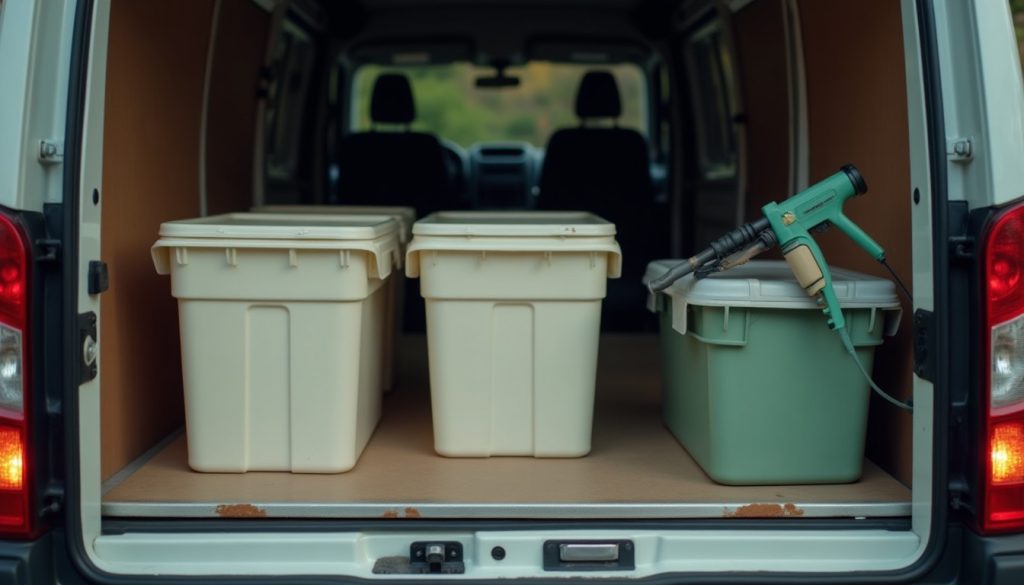
Professional exterminators mostly use the same broad chemical families available at retail, applied at different concentrations, in different formulations and in different places. The genuine difference is access to restricted use products, which require certification, and formulation types such as gels, dusts and non-repellents that are not sold to consumers. Placement matters as much as chemistry.
Homeowners often assume professionals hold some categorically stronger substance. The more accurate answer is that they hold a wider toolkit and are legally permitted to use part of it, and that the part you cannot buy is mostly about form and placement rather than raw potency.
The formulation types and what each is for
| Formulation | Where it goes | Why it is used |
|---|---|---|
| Gel bait | Cracks, hinges, cabinet voids | Carried back to the colony or nest; the core of ant and cockroach work |
| Insecticidal dust | Wall voids, weep holes, behind switch plates | Persists in dry voids where liquids cannot reach |
| Non-repellent liquid | Perimeter, termite barriers | Insects do not detect and avoid it, so they carry it back |
| Repellent liquid | Exterior surfaces | Barrier effect, but scatters populations if used indoors |
| Foam | Sealed voids and galleries | Expands to fill a cavity you cannot see into |
| Enclosed bait station | Rodent work, exterior perimeter | Contains the product away from children and pets |
The repellent against non-repellent distinction explains a common DIY failure. Retail sprays are usually repellent, which scatters cockroach and ant populations into new areas and interferes with the baiting that would have worked.
What restricted use actually means
Some products are classified restricted use because they may cause harm without specialised handling, and they may only be applied by a certified applicator or someone under their direct supervision. Certification is granted per category, with structural work under category (g).
This is a legal access difference, not automatically a potency difference. Many effective professional applications use general use active ingredients in professional formulations, placed precisely. Our guide to restricted use pesticides sets out who may apply what and under what supervision.
The label is the controlling document either way. Applicators are legally required to follow it, which is why asking to see it before treatment is reasonable and is the fastest way to find out what is actually being applied to your home.
Why the same chemical fails for you and works for them
Three reasons, none of which is a secret ingredient.
- Placement. Product in a wall void, hinge or gallery reaches the population. Product on a skirting board mostly reaches the floor.
- Diagnosis. Identifying the species and locating harbourage is most of the job for hidden pests, and it happens before anything is applied.
- Resistance management. Local populations can be resistant to a class, and a professional rotating between modes of action addresses that where repeated retail spraying of one class does not. Covered in our guide to why treatments stop working.
What you can reasonably ask
- The product name, before application rather than after.
- Whether it is restricted use or general use.
- To see the label, which is a legal document.
- The re-entry interval, the period before people and pets return. It is on the label and there is a definite answer, covered in our guide to safety for pets and children.
- Whether placement is targeted or broadcast, since that drives exposure more than the choice of active ingredient.
- What mode of action was used last time, if a repeat treatment is being applied to the same problem.
A company that treats these as unusual questions has told you something. Our guide to checking a pest control company covers verification with your state agency.
Frequently asked questions
What chemicals do professional exterminators use?
Largely the same broad chemical families available at retail, applied in professional formulations such as gels, dusts, foams and non-repellent liquids, and placed into cracks, voids and bait stations. The distinct access is to restricted use products, which require applicator certification or direct supervision.
Are professional pesticides stronger than store-bought?
Not necessarily stronger in active ingredient terms. The meaningful differences are formulation and placement: gels carried back to a colony, dusts that persist in dry voids, and non-repellent liquids insects do not detect and avoid. Retail sprays are usually repellent, which scatters populations rather than eliminating them.
Can I buy what exterminators use?
Some professional formulations are sold to the public, but restricted use products may only be purchased and applied by a certified applicator or someone under direct supervision. Even with the same product, results differ because placement and correct species identification account for much of the outcome.
How do I find out what was sprayed in my house?
Ask for the product name and to see the label before treatment, and ask for the re-entry interval. Applicators are legally required to follow the label, and restricted use applications carry recordkeeping duties, so a written service record of what was applied and where should be available.
Sources
- 40 CFR 171.101 and 171.201, applicator certification categories and supervision of noncertified applicators. ecfr.gov
- Formulation and placement practice compiled from pest control industry sources, 2026.