How to Prepare for a Pest Control Treatment
Inadequate preparation is the top reason treatment fails and the top reason a callback is refused. What each treatment actually needs, and what not to do after.
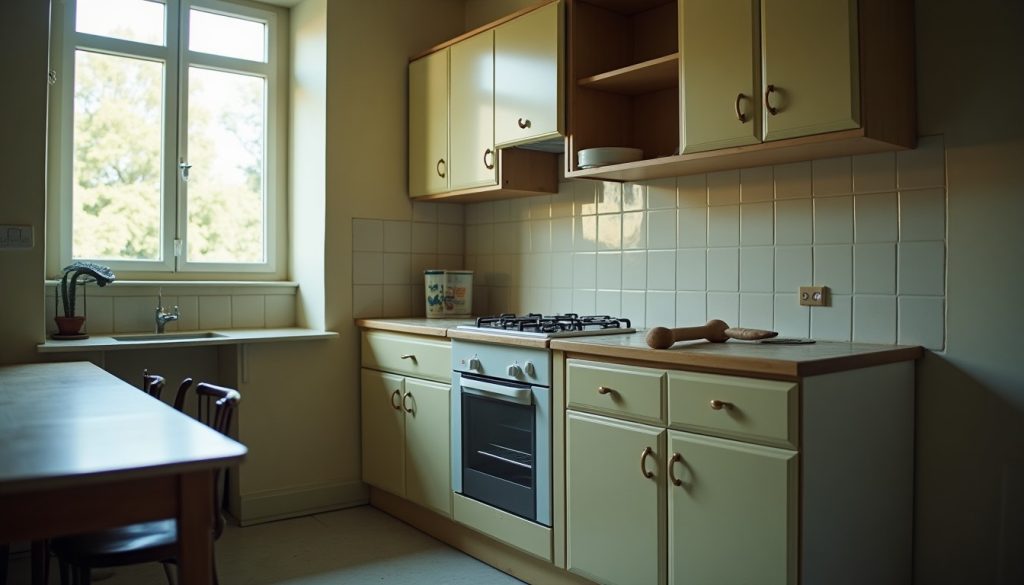
Inadequate preparation is the most common reason a pest control treatment fails and the most common ground for a company refusing a callback under warranty. Requirements vary by pest: flea and bed bug work need extensive preparation, general perimeter service needs almost none. Get the preparation list in writing before the day, not on the doorstep.
Preparation is the part of the job you are responsible for, and it is where most of the disputes in this trade start. A company that turns up to an unprepared property either treats around the problem or leaves, and both outcomes cost you.
How much preparation each treatment needs
| Treatment | Preparation burden | Why |
|---|---|---|
| Exterior perimeter, general pest | Minimal | Work is outside the living space |
| Interior general pest | Light | Clear access to skirting and corners |
| Cockroach treatment | Moderate | Competing food sources reduce bait uptake |
| Flea treatment | Heavy | Vacuuming and laundering are part of the method |
| Bed bug treatment | Heaviest | Access to seams, frames and every harbourage |
| Termite soil barrier | Moderate, outside | Clear access to the full foundation perimeter |
| Whole-structure fumigation | Extensive | Property vacated, food and medicines removed or sealed |
What preparation actually does
Preparation is not tidying for the technician’s benefit. In several treatments it is part of the method.
For fleas, vacuuming stimulates pupae to emerge from protective cocoons that insecticides do not reliably penetrate, bringing them into contact with residual product. Skipping it does not make the treatment slightly less effective, it removes a mechanism the protocol depends on. Our guide to flea treatment costs explains why the pupal stage drives the whole schedule.
For cockroaches, gel bait competes with whatever food is available. A kitchen with accessible crumbs and grease gives roaches a better option than the bait, so uptake falls. Our guide to roach treatment costs covers the multi-visit protocol this feeds into.
For bed bugs, the technician has to reach seams, frames, joints and voids. Clutter is not an inconvenience, it is unsearched harbourage.
The general checklist
- Get the preparation list in writing in advance, with enough notice to complete it.
- Clear access to skirting boards, wall bases, under sinks and around appliances.
- Store or cover food, including pet food, and clear worktops.
- Cover or remove aquariums, switching off pumps, and arrange for pets to be out.
- Vacuum thoroughly where instructed, then dispose of the bag or empty the canister outside.
- Launder textiles on a hot cycle where the protocol requires it, particularly for fleas and bed bugs.
- Plan re-entry, knowing the label interval before treatment begins.
Tell the company about children, pets and anyone with a respiratory condition or allergy at the quote stage. Our guide to pest control safety for pets and children covers what to ask.
Preparation and your warranty
Most recurring plans and one-off treatments include some callback provision if activity continues. The standard exclusion is inadequate preparation, and it is a reasonable one: a company cannot warrant a result for a treatment it was prevented from applying properly.
Two practical consequences. Keep the written preparation list, because it defines what was actually required rather than what either party remembers. And if you could not complete it, say so before the visit rather than after, so the appointment can be rescheduled instead of wasted.
From the contractor’s side the arithmetic is unforgiving. Each technician must generate roughly $560 of revenue per working day at industry-average productivity, so a wasted visit is a direct loss and a callback on a poorly prepared property is unbilled time. That is why preparation terms are enforced. Our breakdown of how pest control services are priced sets out the underlying economics.
What you should not do
- Do not clean treated surfaces immediately after service. Mopping skirting boards removes the residual you paid for. Ask how long to wait.
- Do not apply retail products beforehand. Repellent sprays can scatter a cockroach population and interfere with bait uptake, making professional treatment harder.
- Do not move furniture back before the interval expires if you were asked to move it.
- Do not skip parts of the list quietly. Partial preparation produces partial results and a contested callback.
Frequently asked questions
How do I prepare for a pest control treatment?
Get the preparation list in writing beforehand, since requirements vary enormously by pest. Generally: clear access to wall bases and under sinks, store or cover food including pet food, arrange for pets to be out, cover aquariums, and vacuum or launder where the protocol requires it. Exterior perimeter service usually needs almost nothing.
Do I need to leave the house during pest control?
For most standard treatments, no, though you should stay off treated surfaces until they dry and follow the label re-entry interval, commonly 30 minutes to 4 hours. Whole-structure fumigation is different and requires vacating the property, typically for two to three days, with clearance testing before return.
Can I clean after pest control treatment?
Not immediately on treated surfaces, since mopping or wiping removes the residual product the treatment depends on. Ask the technician how long to wait and which surfaces to avoid. Normal cleaning of untreated areas is fine, and vacuuming is often actively encouraged after flea treatment.
What happens if I do not prepare properly?
The treatment is likely to underperform, and inadequate preparation is the standard exclusion in most callback and warranty terms, so a return visit may be refused or chargeable. If you cannot complete the list, say so before the appointment so it can be rescheduled rather than wasted.
Sources
- U.S. Census Bureau, Statistics of U.S. Businesses 2022, NAICS 561710, revenue per employee.
- 40 CFR Part 171, applicator certification standards. ecfr.gov