Borax for Ants: Does It Work and How to Mix It Safely
Borax does kill ants, but only when worker ants eat it in a weak sugar bait and carry it home; sprinkled dry, or mixed too strong, it mostly fails. Borax is a slow stomach poison. Published bait studies put the working range at roughly 0.5 to 1 per cent boric acid in sugar water, which is about 0.8 to 1.5 per cent borax by boron content. Ants drink less of stronger mixes, and a bait that kills too fast never reaches the queens. Expect 5 to 10 days before you see fewer ants.
Borax is the home remedy with the most real science behind it. Most advice stops at “mix it with sugar”, but the studies show the details decide whether it works: the strength of the mix, the ant species, competing food and nearby spraying.
Will borax work on your ants?
A sugar bait only works on an ant that wants sugar. Food preferences below are from the University of California IPM program’s ant pest note, and for the ghost ant from the University of Florida; colony results are from the laboratory studies listed in our sources.
| Ant | What it feeds on | Will a sugar borate bait work? | What to know |
|---|---|---|---|
| Odorous house ant | Sweets, sometimes proteins | Usually yes | The most common “sugar ant”; keep bait available for weeks, not days |
| Argentine ant | Sweets, sometimes proteins | Yes, best studied | UC IPM rates 0.5 to 1 per cent liquid borate baits best for severe infestations |
| Ghost ant | Sweets | Yes in lab trials | A 1 per cent boric acid bait cut workers 97 per cent in a week |
| Pharaoh ant | Fats, proteins, sweets | Slowly | Workers fell 73 per cent only by week 8; repeat infestations are often a job for a professional |
| Carpenter ant | Sweets | Takes it, but it is not the fix | Nests in wood and structures; a bait does not deal with damaged timber |
| Pavement ant | Sweets, proteins, grease | Sometimes | Offer a sweet and a protein bait side by side and see which goes |
| Fire ants | Sweets and proteins; UC IPM says they prefer oily baits | Not the best choice | Use a bait labelled for fire ants instead |
| Thief ant | Greasy and fatty, sometimes sweets | Poorly | About 1/32 inch long; offer a grease bait |
If you are not sure which ant you have, our sugar ants guide sorts the small trailing ants that get that nickname, and our guide to what ants eat explains why a colony that took sugar in spring may switch to protein later in the season.
How does borax kill ants?
Borax is sodium tetraborate decahydrate, one of the sodium borate salts that the National Pesticide Information Center (NPIC) groups with boric acid. NPIC describes boric acid as a stomach poison that may also have some toxic effect on the insect nervous system, and says most borate salts are also abrasive to insect exoskeletons. The ant has to swallow it for the main effect.
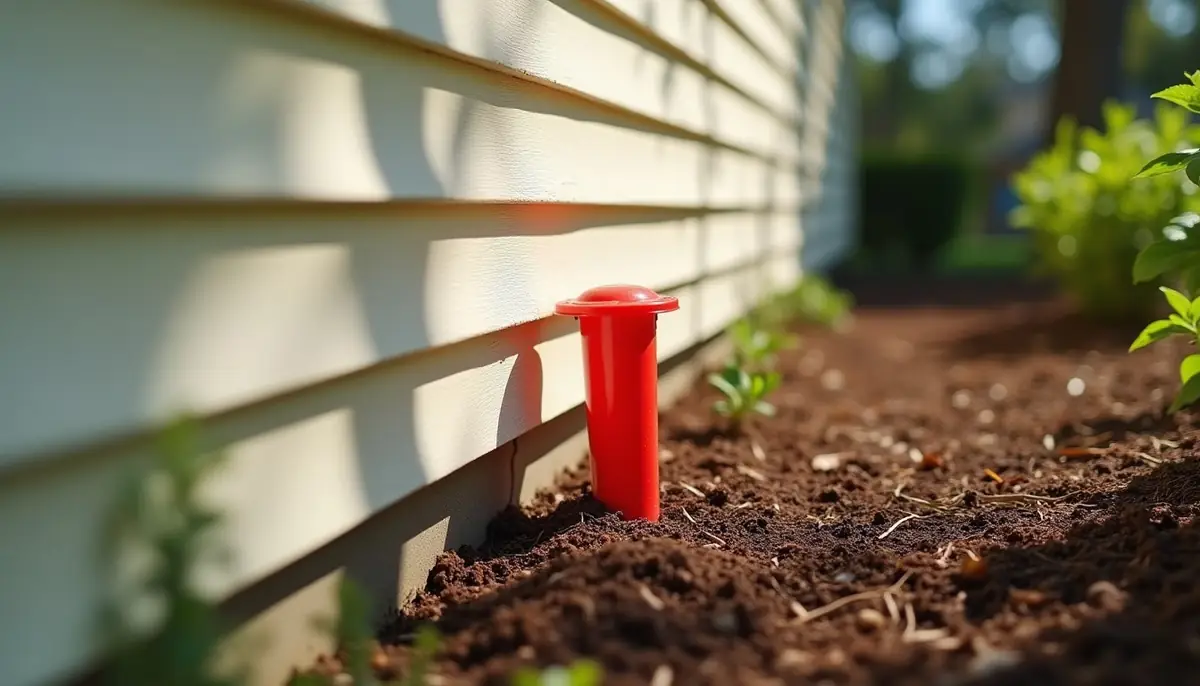
That is where the bait comes in. UC IPM explains that workers carry small portions of a bait back to the nest, where it is passed mouth to mouth to other workers, larvae and queens. The poison must be slow, so the forager lives long enough to get home and share. A borate in sugar water fits that job well because it dissolves in the food ants already collect as liquid.
How well it works in a colony was measured by Klotz and colleagues in 1996 for three household species. Colonies given a 1 per cent boric acid sugar-water bait for as little as three days lost most of their workers and brood, though the slower species took weeks.
Is borax the same as boric acid?
Not quite, but for ants the difference is mostly arithmetic. Klotz and colleagues found in 2000 that the time it took boric acid, borax and disodium octaborate solutions to kill Argentine ants was a function of the concentration of boron. Boron is the working part, and the compounds carry different amounts of it: NPIC lists boric acid at 17.48 per cent boron and borax at 11.34 per cent. Gram for gram, borax delivers about two thirds of the boron that boric acid does.
In a 2023 study in the Journal of Applied Entomology, Moauro and Josens found Argentine ants accepted boric acid more readily than borax, and drank boric acid bait about as readily as plain sugar water. Their tests pointed to the sodium and the alkaline pH of borax as the reasons. NPIC gives a typical pH of about 9.24 for borax solutions. The same study found the opposite preference in a carpenter ant species. So borax is not useless, but for the most common bait target it is the less palatable of the two.
How strong should a borax ant bait be?
This is the part most advice gets wrong. Stronger is not better, because ants detect and refuse strong mixes, and because a fast kill stops the sharing that reaches the nest. The published figures are consistent on the direction and fairly narrow on the window.
| Finding | Boric acid | About the same boron as borax | Source |
|---|---|---|---|
| Delayed kill (50 per cent dead in 1 to 4 days) in Argentine ants | 0.55 to 3.63% | 0.85 to 5.6% | Rust, Reierson and Klotz 2004 |
| Showed a delayed toxic effect in follow-up trials | 1% | 1.54% | Rust, Reierson and Klotz 2004 |
| Did not show the delayed effect | 0.5% | 0.77% | Rust, Reierson and Klotz 2004 |
| Ants drank significantly less sugar water | Above 1% | Above 1.54% | Klotz, Greenberg, Amrhein and Rust 2000 |
| Liquid borate baits recommended for colony impact | 0.5 to 1% borate | UC IPM Pest Notes: Ants | |
| Prepackaged stations: kill foragers, weaker on big infestations | Usually 5.4% borate | UC IPM Pest Notes: Ants | |
Compiled by The Pest Control Brief from the named sources. Borax equivalents are our conversion using NPIC’s boron content figures (boric acid 17.48 per cent, borax 11.34 per cent), so 1 per cent boric acid carries about the same boron as 1.54 per cent borax.
Two practical points follow. Spoon-measured recipes are not formulated to any of these figures, and the useful band is only about twofold wide. And borax does not dissolve without limit: NPIC gives its water solubility as 4.71 per cent at 20°C (68°F). Borax that settles out at the bottom of a jar of sugar water is not doing anything.
Can 20 Mule Team borax be used to kill ants?
It contains the same compound that registered borate baits use, and Klotz’s 2000 study showed borax in sugar water kills Argentine ants. But a box of laundry borax is sold as a cleaning product. Its label has no directions for ant control, no concentration for baiting and no bait station.
That distinction is legal as well as practical. The EPA defines a pesticide as anything intended to prevent, destroy, repel or mitigate a pest, and says that, with limited exceptions, a pesticide must be registered before it can be sold or distributed. The main exception is the minimum risk list in 40 CFR 152.25(f), and neither borax nor boric acid is on it. So borate ant baits on sale must be EPA registered, with a set concentration and label directions. A homemade mix has neither, which is why we explain how borate baits work rather than give a recipe.
Can you sprinkle borax to kill ants?
Not usefully. Dry borax is not food, so foraging ants have no reason to collect it and carry it home, and the colony effect that makes borates worth using depends on exactly that. NPIC notes that borates are abrasive to insects and that boric acid dusts lose effectiveness when they get wet, which describes a contact effect on the few ants that walk through a line of powder, not a colony kill. Registered boric acid dusts exist, and they go only where their label directs.
Sprinkling it outside has a further cost: NPIC says borax can kill plants by drying them out, and boric acid moves with water through soil. Pouring borax on a lawn or flower bed is more likely to mark the plants than end the colony.
What are the common mistakes using borax ant killer?
| Mistake | Why it fails | What to do instead |
|---|---|---|
| Making the mix stronger | Ants drink less above 1 per cent boric acid; fast kills stop sharing | Use a registered low-concentration liquid bait |
| Spraying near the bait | UC IPM says not to use any insecticide sprays while baiting | Stop spraying; wipe trails with soapy water if needed |
| Leaving other food out | Crumbs and sticky residues compete with the bait | Clean sinks, pantries and pet bowls first |
| Wrong food for the ant | Grease and protein feeders ignore sugar | Offer sweet and protein baits side by side |
| Baiting only indoors | UC IPM warns indoor baits can attract ants inside | Bait outdoors along trails, every 10 to 20 feet |
| Letting the bait dry out | Liquid baits are drunk quickly or evaporate | Check and refill stations regularly |
| Expecting overnight results | The poison is meant to be slow | Give it 5 to 10 days, longer for big colonies |
Why isn’t borax killing ants?
If ants swarmed the bait for a day and then vanished without the problem ending, they may have learned to avoid it. In 2025 Zanola, Czaczkes and Josens reported that Argentine ant foraging at toxic baits declines by 80 per cent within 6 to 8 hours after the bait becomes toxic, and that this is not because the ants are full or dead. Their field tests showed the ants form aversive memories of the bait site. UC IPM’s advice when ants are not taking a bait fits this: reposition the stations or try a different bait product.
The other common reasons are the mistakes above, or the wrong ant: pharaoh ants were the slowest to respond in the 1996 trials, and carpenter ants in damp wood need the wood problem fixed. If you have tried vinegar and other kitchen remedies already, our does vinegar kill ants guide explains why sprays and wipes only ever reach the ants you can see.
How long does borax take to kill ants?
UC IPM says it can take 5 to 10 days to see fewer ants and several weeks or more for complete control. Ants recruit nestmates to a bait, so a crowd in the first day or two means it is being taken.
When to put out ant bait
UC IPM advises that treatments in late winter and early spring, when ant populations are just beginning to grow, are the most effective. Our analysis of iNaturalist records shows the same timing from the other side: the share of all US observations that are ants climbs from February and peaks in March, and odorous house ants, the most common sugar-bait target, sit at about one and a half times their usual share from March to May.
These are records of when people photographed and identified ants, mostly outdoors, not indoor infestation rates. Bait at the start of that rise rather than its peak.
Is borax safe around kids and pets?
NPIC rates boric acid as low in toxicity if eaten or touched, but notes that borax can be corrosive to the eye and irritating to skin, and that people who have swallowed boric acid have had nausea, vomiting, stomach aches and diarrhoea, sometimes blue-green in colour. Infants are more sensitive, and NPIC records infant poisonings from borate products used in the wrong way. Signs of poisoning in animals can start within 2 hours, and NPIC’s technical sheet notes that dogs may be more sensitive to boric acid and borax than rats or mice.
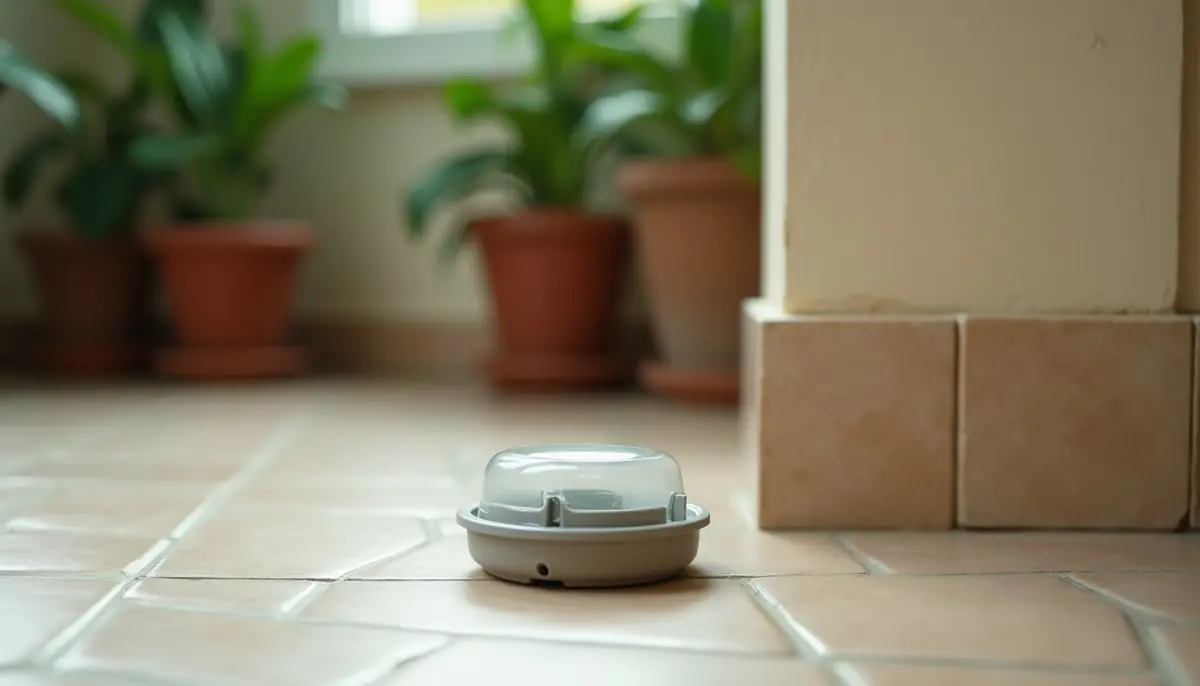
The usual risk is an open saucer or soaked cotton ball on the floor within reach of a toddler or dog; enclosed stations avoid it. Our guide to pet safe pest control products covers which formats keep exposure lowest. If a child or pet swallows a bait, call Poison Control on 800-222-1222 or your vet, and keep the product label to hand.
When borax is enough, and when to call a professional
A registered borate bait, cleaned-up food sources and sealed entry points will settle most odorous house ant and Argentine ant problems in a few weeks. Call a licensed professional if you see carpenter ants or sawdust-like debris indoors, if pharaoh ants keep returning in several rooms, if fire ant mounds are where children or pets play, or if a season of correct baiting has not worked.
Frequently asked questions
Do ants hate borax?
Not at low strength. Klotz and colleagues found Argentine ants drank significantly less sugar water only once boric acid rose above 1 per cent, and Rust, Reierson and Klotz found boric acid in sugar water was not repellent at the strengths they tested. Ants do seem to find borax less palatable than boric acid: a 2023 study linked this to its sodium and alkaline pH. Borax does not act as a barrier that keeps ants away.
Is borax or boric acid better for ants?
Both kill ants, and their toxicity depends on how much boron they deliver. Boric acid carries 17.48 per cent boron against borax’s 11.34 per cent, so borax needs about one and a half times the weight for the same dose. Argentine ants accepted boric acid more readily in a 2023 study, while a carpenter ant species preferred borax. In practice, a registered bait with a tested concentration matters more than which borate it contains.
Does borax kill the ant queen?
It can, but only through the colony’s own food sharing. UC IPM explains that workers pass bait mouth to mouth to other workers, larvae and queens, which is why the poison must be slow. If the mix is too strong, foragers die before they share it and the queens survive. Many household ants have several queens in several nests, so expect to keep bait available for a few weeks rather than days.
Does borax kill carpenter ants?
Carpenter ants do feed on sweets and, in one 2023 study, a carpenter ant species took borax more readily than boric acid. But a bait does not deal with why carpenter ants are in a house, which is usually moist or damaged wood. Sawdust-like debris, winged ants indoors in spring or large black ants in the walls are signs to have the structure inspected by a licensed professional.
Sources
- University of California Statewide IPM Program, Pest Notes: Ants, Publication 7411 (Rust and Choe).
- National Pesticide Information Center, Oregon State University, Boric Acid General Fact Sheet and Boric Acid Technical Fact Sheet (archived).
- Klotz, Oi, Vail and Williams, Laboratory evaluation of a boric acid liquid bait on colonies of Tapinoma melanocephalum, Argentine ants and Pharaoh ants, Journal of Economic Entomology 89(3): 673 to 677, 1996.
- Klotz, Greenberg, Amrhein and Rust, Toxicity and repellency of borate-sucrose water baits to Argentine ants, Journal of Economic Entomology 93(4): 1256 to 1258, 2000.
- Rust, Reierson and Klotz, Delayed toxicity as a critical factor in the efficacy of aqueous baits for controlling Argentine ants, Journal of Economic Entomology 97(3): 1017 to 1024, 2004.
- Moauro and Josens, Differential feeding responses in two species of nectivorous ants: understanding bait palatability preferences of Argentine ants, Journal of Applied Entomology, 2023.
- Zanola, Czaczkes and Josens, Toxic bait abandonment by an invasive ant is driven by aversive memories, Communications Biology, 2025.
- US Environmental Protection Agency, What is a Pesticide?, and 40 CFR 152.25(f), minimum risk pesticide active ingredients.
- The Pest Control Brief analysis of iNaturalist research-grade records, pulled October 2026.