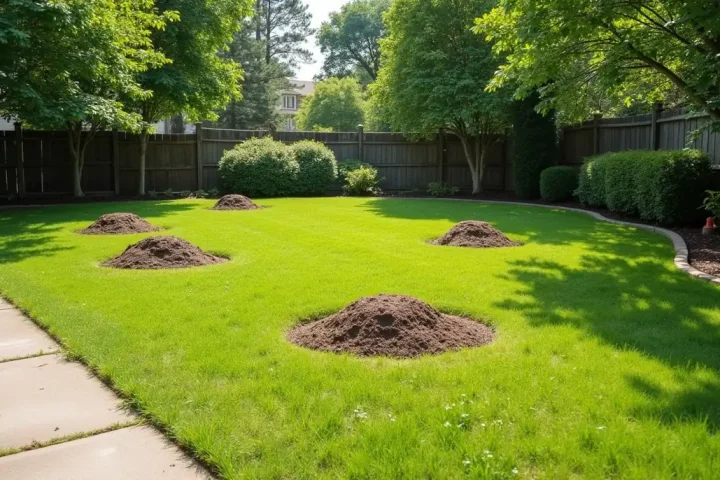
Crazy Ants: Tawny and Longhorn Species and Why They Are So Hard
Crazy ants are real: in the US the name covers two invasive ants, the reddish-brown tawny (Rasberry) crazy ant of the Gulf Coast and the black longhorn crazy ant that lives in buildings, both named for their fast, erratic running. Neither stings. Tawny crazy ants build up into the millions in an infested yard, pile into electrical boxes and even push out fire ants, and University of Florida entomologists say a single spray usually holds them back for only 2 to 3 days. They are a long-term suppression job, usually with a professional, not a one-off treatment.
The two species behave so differently that the right advice for one is wrong for the other, so this guide separates them first.
Which crazy ant do you have?
| Tawny crazy ant | Longhorn crazy ant | Red imported fire ant | Ghost ant | |
|---|---|---|---|---|
| Scientific name | Nylanderia fulva | Paratrechina longicornis | Solenopsis invicta | Tapinoma melanocephalum |
| Worker length | 2.0 to 2.4 mm (under 1/8 in) | 2.3 to 3 mm (1/16 to 1/8 in) | 2.4 to 6 mm (1/8 to 1/4 in) | 1.3 to 1.5 mm |
| Colour | Reddish-brown, hairy | Dark brown to black, faint bluish sheen | Reddish-brown, dark abdomen | Dark head and thorax, pale abdomen |
| Worker sizes in one colony | All one size | All one size | Mixed sizes | All one size |
| Movement | Fast, erratic, loose trails | Fast, erratic, rarely trails | Not described as erratic | Fast, erratic when disturbed |
| Nest | No mound; under anything damp | Debris, potted plants, wall voids | Soil mound | Voids, potted plants |
| Sting or bite | No sting; brief bite | No sting; bite plus formic acid | Painful sting, pustules | No sting |
| Where in the US | Gulf Coast: Texas to Florida | South Carolina to Texas, California; indoors further north | Southern quarantine states | Florida, Hawaii, parts of Texas |
| Do baits work well? | Poorly on their own | Yes, granular and liquid | Yes, broadcast bait | Yes, slow sweet baits |
Compiled by The Pest Control Brief from UF/IFAS EENY-610 and EENY142, UF/IFAS IN352 and IN532, and Texas A&M Urban Entomology.
The quickest field test is numbers and uniformity: Texas A&M says to suspect tawny crazy ants when you see millions of uniformly sized, 1/8 inch reddish-brown ants in the landscape. A fire ant colony has workers of mixed sizes and builds a mound; tawny crazy ants never do.

Why is it called crazy ant?
For the way it moves. UF/IFAS says the longhorn crazy ant’s common name arises from its characteristic erratic and rapid movement and its habit of not following trails as often as other ants. Texas A&M uses the same explanation for the tawny crazy ant: workers crawl rapidly and erratically, hence the description crazy ant.
The tawny crazy ant was called the Rasberry crazy ant after Tom Rasberry, the pest management professional who found it near Pasadena, Texas in 2002, according to LSU AgCenter. Some authorities call the longhorn crazy ant the black crazy ant, so “black crazy ants” in a search usually means Paratrechina longicornis.
What do crazy ants look like?
Tawny crazy ant
UF/IFAS gives workers as 2.0 to 2.4 mm long, reddish-brown, covered in hairs, with a hairless, darker, shiny head and 12-segmented antennae without a club. Workers of this species cannot be told apart from the related Caribbean crazy ant, Nylanderia pubens, without examining the males, so a firm identification needs a specimen sent to an extension lab.
Longhorn crazy ant
UF/IFAS describes a worker of 2.3 to 3 mm, dark brown to blackish, often with a faint bluish iridescence, long grayish hairs, extraordinarily long legs and an antenna whose first segment reaches well past the back of the head.
What is the yellow crazy ant?
A third, larger species, Anoplolepis gracilipes, that most US readers will meet only in Hawaii. The Pacific Pests, Pathogens and Weeds fact sheet describes it as yellow-brown or reddish-brown with a slender body about 5 mm long, large eyes and extremely long antennae. The Maui Invasive Species Committee says it arrived in Hawaii in the 1940s, that it rarely bites and does not sting, and that its population explosions are typically followed by crashes within a year or so.
Where do crazy ants come from?
South America for the tawny crazy ant and probably Southeast Asia or Melanesia for the longhorn. UF/IFAS says the tawny crazy ant originates in Brazil and was introduced into Colombia in the 1930s and 1940s as a biological control agent against leaf-cutting ants and snakes. Large populations were found in Florida in the 1990s and in Texas in 2002. Mississippi State reports the first detection in that state in 2009, and LSU AgCenter lists 26 Louisiana parishes covered by an emergency treatment exemption for the ant.
The University of Texas Brackenridge Field Laboratory adds a striking detail: behavioural and genetic data gathered so far indicate that all tawny crazy ants in the southeastern US and Texas belong to the same supercolony.
Our own pull of iNaturalist research-grade records found only 96 tawny crazy ant records in the whole US: 51 in Texas, 40 in Florida, 3 in Louisiana and 1 each in Mississippi and Alabama. The species is hard to confirm from a photo, so iNaturalist under-records it.
Are crazy ants harmful?
To people, mostly as a nuisance; to equipment, wildlife and the enjoyment of a yard, seriously. Texas A&M and LSU AgCenter both say tawny crazy ants have no stinger. They can bite, and Texas A&M describes the pain as minute and quickly fading. The longhorn crazy ant also lacks a stinger; UF/IFAS notes it may bite and curve its abdomen forward to put a formic acid secretion on the wound.
The bigger harms:
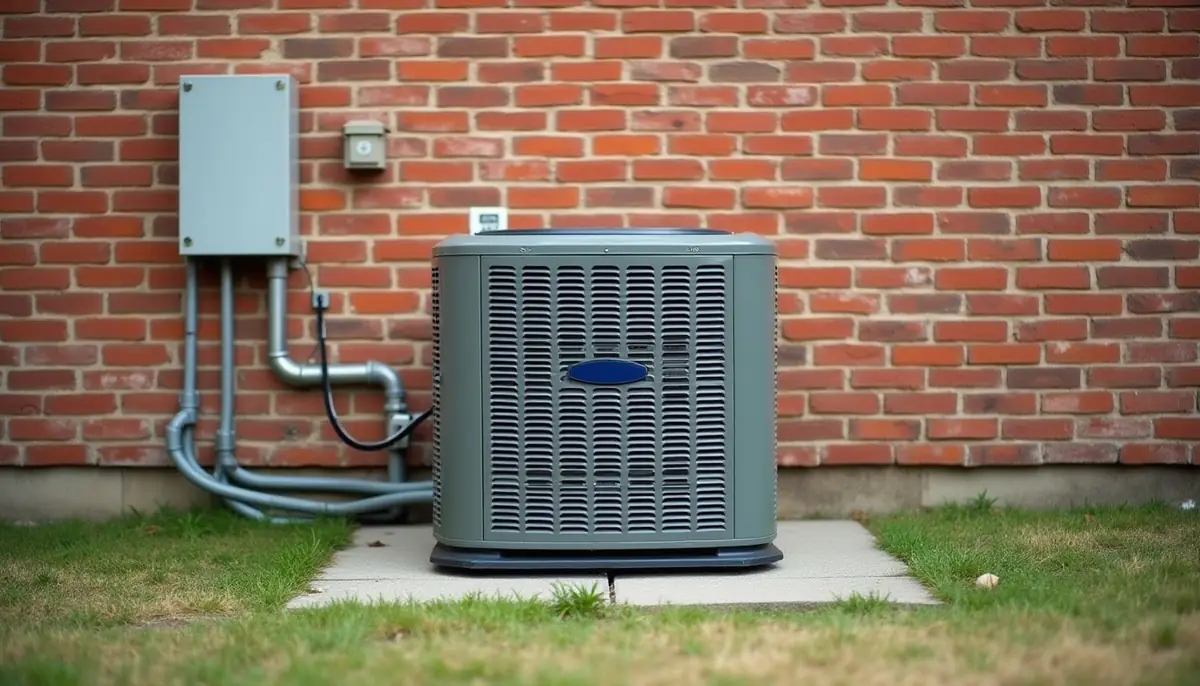
- Electrical damage. Texas A&M reports large numbers of ants accumulating in electrical equipment, causing short circuits and equipment failure, in some cases costing several thousand dollars.
- Yards you cannot use. Texas A&M says it can become uncomfortable to spend time outdoors and pets may avoid the yard, and adds that after experiencing tawny crazy ants most residents prefer the fire ant.
- Wildlife and bees. The University of Texas field station found the ant reduces native ants and insects more than fire ants did, and LSU AgCenter reports bees quickly leaving hives the ants entered.
Are crazy ants dangerous? In the US, not in the way fire ants are, since they cannot sting. Anyone who reacts to an insect bite with more than local irritation should see a doctor.

How crazy ants beat fire ants
This is the fact that made the tawny crazy ant famous. In a 2014 paper in Science, LeBrun, Jones and Gilbert at the University of Texas showed that after a fire ant dabs a crazy ant with venom, the crazy ant applies secretions from a gland at the tip of its abdomen to its own body, and that formic acid from its own venom detoxifies the fire ant venom.
Researchers sealed the gland with nail polish. Crazy ants that could treat themselves survived at a rate of 98 per cent; about half of those with sealed glands died. The University of Texas field station adds that crazy ants can kick fire ants off food and even take over fire ant mounds as nests. It is also a warning that the fire ant playbook in our fire ant quarantine and two-step method guide will not carry over.
Why are there crazy ants in my car?
Because cars, trailers and RVs parked in infested areas are dark, sheltered voids, and the ants hitch rides. Mississippi State lists automotive problems among the electrical failures homeowners report alongside failed air conditioners, well pumps and light switches; one homeowner needed four air conditioner repairs in 12 months.
Ed LeBrun of the University of Texas advised RV owners to inspect campgrounds before parking for the night, not to store food in vehicles parked in infested areas, and to talk to a pest control professional about treating a camper before a trip. Texas A&M lists garbage, yard debris, compost, potted plants and bales of hay as other ways colonies travel.
Why do I have crazy ants in my house?
For tawny crazy ants, because the yard is full of them and the house is simply the next place to forage. Texas A&M says nests are primarily outdoors under almost any object that retains moisture, and that workers forage indoors. Longhorn crazy ants are different: Texas A&M says that indoors they often nest in wall voids and beneath floors, particularly near hot-water pipes and heaters, and in cold climates they live in buildings year round.
The tawny crazy ant’s year follows the weather. Texas A&M says few workers forage in cooler winter months, numbers climb from spring to a peak in July and August, and stay high through October and November. UF/IFAS field work found activity slows sharply at about 50°F, and laboratory work put the temperature at which the ant stops moving at about 45°F.
Are crazy ants hard to get rid of?
Yes, the tawny crazy ant especially, and every extension source says so plainly. UF/IFAS states that 100 per cent eradication is not probable where it is established, though suppression is possible. The reasons stack up:
- No nest to target. Texas A&M says these ants do not build centralised nests or mounds, so there is no single spot to treat.
- They ignore most baits. Texas A&M says workers are not attracted to most bait products, and LSU AgCenter says baits alone are inadequate at high densities.
- Sprays wear off fast. UF/IFAS data show a single insecticide spray lasts under a week, on average 2 to 3 days before ants return.
- Neighbours reinfest you. Texas A&M says that without access to the whole infestation, numbers rebound from untreated sites within a month. UF/IFAS calls it an areawide problem, not an individual-lot problem.
- Dead ants bridge the barrier. UGA calls piles of dead ants along walls a telltale sign, and Mississippi State quotes residents whose ants walked across the mats of dead bodies.
How to get rid of crazy ants
Expect suppression, not a cure. For tawny crazy ants, Mississippi State advises that it is usually best to work with a professional who has experience with this ant, partly because some of the most effective treatments can only be applied by pest control companies.
- Confirm the species first. Send a sample in alcohol to your extension office. Mississippi State warns that ants further north may be Argentine ants, which behave similarly.
- Strip the harbourage. Remove fallen limbs, rocks, leaf litter, boards, tarps and anything else lying on damp ground. UF/IFAS cites a study that found 80 per cent of nests (64 of 80) around the bases of trees.
- Dry the yard. Texas A&M advises cutting irrigation, fixing leaks and improving drainage.
- Cut off the honeydew. Manage aphids and scales on shrubs, and trim plants so nothing touches the house.
- Monitor from February. UF/IFAS suggests thin slices of canned sausage placed 10 to 20 feet apart to show where ants are active.
- Time treatments early. UF/IFAS says applications work better in early spring, before populations explode. A professional programme usually combines perimeter sprays, granules and baits; UF/IFAS research reached about a 50 per cent reduction using baits during active foraging.
- Sweep, do not hose. Remove dead ants with a broom or blower so the treated surface keeps working; washing it down removes the treatment.
Use any product exactly as the label directs. Do not spray over bait, and do not ask a contractor for extra treatments: UF/IFAS points out there is a legal limit on how often products may be applied. Budget for monthly or more frequent visits, which UF/IFAS tells homeowners to expect; our ant control cost guide shows what recurring service usually involves.
Longhorn crazy ants are a more ordinary job. Texas A&M says granular baits are both attractive and effective against them, combined with sealing entry points and dealing with nests in potted plants and mulch. Because they also like sweets, the bait advice in our sugar ants guide and ghost ants guide applies, and the ant identification guide will help rule out look-alikes.
What research suggests comes next
The University of Texas lab is testing biological control. At two sites where a microsporidian pathogen it described with USDA scientists became established, the local tawny crazy ant population collapsed to extinction within a few years. It is not a homeowner tool yet. Texas readers can see where this ant sits among other local pests in our common house bugs in Texas guide.
Frequently asked questions
Do crazy ants bite?
They can, but they do not sting. Texas A&M says tawny crazy ants have an acid pore instead of a stinger and that their bite causes a minute pain that quickly fades. UF/IFAS says longhorn crazy ants may bite and then apply formic acid to the spot. Neither is comparable to a fire ant sting.
How big are crazy ants?
Small. UF/IFAS gives tawny crazy ant workers as 2.0 to 2.4 mm and longhorn crazy ant workers as 2.3 to 3 mm, roughly 1/16 to 1/8 inch, and all workers in a colony are the same size. The yellow crazy ant of Hawaii is larger, about 5 mm. A colony with workers of many different sizes is more likely to be fire ants.
Are crazy ants worse than fire ants?
For people, fire ants are more dangerous because they sting. For living with them, many residents disagree: Texas A&M says most residents who have experienced tawny crazy ants prefer the fire ant. Crazy ants reach far higher numbers, damage electrical equipment and resist the baits that control fire ants.
Do crazy ants go away in winter?
They slow down but do not leave. Texas A&M says few workers forage in the cooler months, and UF/IFAS observed queens and workers gathering in winter nests, often at the bases of trees, with very little brood. Activity slows at about 50°F. Expect numbers to rebuild in spring, so note where ants were and treat early.
Are crazy ants attracted to electronics?
Extension sources report them packing into electrical equipment. UF/IFAS says the tawny crazy ant, like many other ants, is attracted to electricity, infesting switch boxes and causing equipment failures, and Texas A&M reports short circuits and clogged switches. LSU AgCenter notes some professional labels allow treatment in a 10 foot radius around electrical equipment. Keep boxes sealed and call a licensed electrician to clear ants from live equipment.
Sources
- Texas A&M University, Urban and Structural Entomology Program, Tawny (Rasberry) Crazy Ant, Nylanderia fulva.
- Texas A&M University, Urban and Structural Entomology Program, Longhorn Crazy Ant, Paratrechina longicornis.
- University of Florida IFAS, SP486D, Tawny Crazy Ant (Hill, Baldwin, Pereira and Koehler), revised 2022.
- University of Florida IFAS, ENY-2006 (IN889), Integrated Pest Management of the Tawny Crazy Ant, Nylanderia fulva (Oi, Calibeo, Paige and Bentley), revised 2023.
- University of Florida IFAS, Featured Creatures EENY142, Crazy Ant, Paratrechina longicornis (Nickerson and Barbara), revised 2024.
- University of Florida IFAS, IN352, Red Imported Fire Ant; and IN532, Ghost Ant.
- LSU AgCenter, Tawny Crazy Ant.
- Mississippi State University Extension, Bug’s Eye View, Tawny Crazy Ants, Vol. 3, No. 23, 2017.
- University of Georgia Extension, Bulletin 1521, Managing Tawny Crazy Ants: Guidelines for the Pest Management Professional.
- University of Texas at Austin, Texas Field Station Network, Brackenridge Field Laboratory, Crazy Ants.
- LeBrun, Jones and Gilbert, Chemical warfare among invaders: a detoxification interaction facilitates an ant invasion, Science, 2014; and University of Texas College of Natural Sciences summary.
- Mississippi Entomological Museum, Linepithema humile species page.
- Pacific Pests, Pathogens and Weeds fact sheet, Yellow crazy ant; Maui Invasive Species Committee, Yellow Crazy Ant.
- The Pest Control Brief analysis of iNaturalist research-grade records, pulled October 2026.